
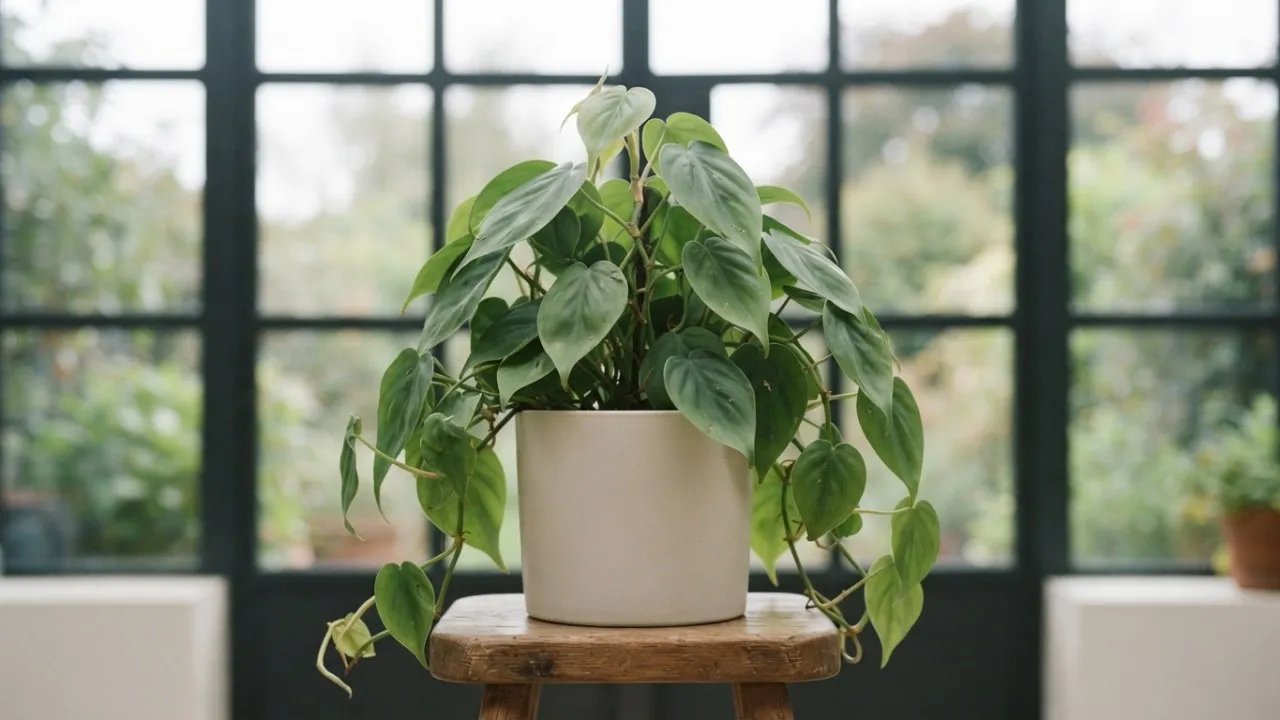
Heartleaf Philodendron
Philodendron hederaceum
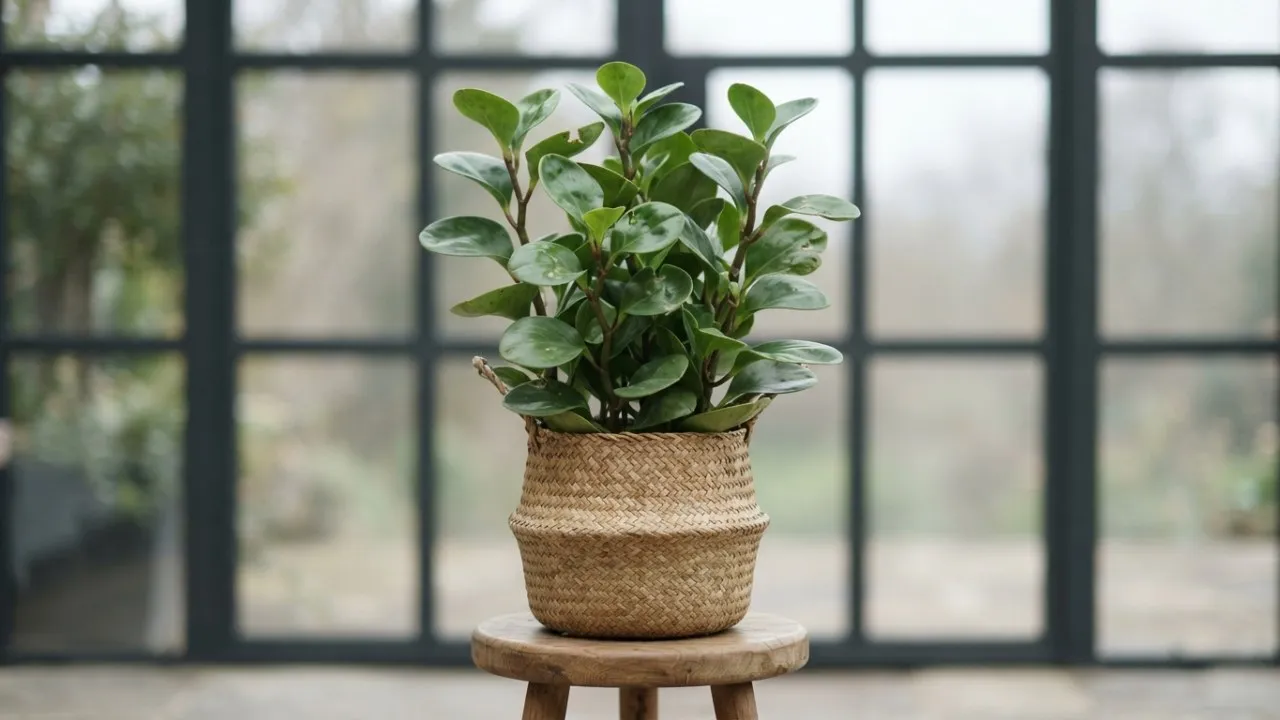
A tropical vine with heart-shaped foliage, the heartleaf philodendron is a nearly indestructible houseplant that adapts to almost any environment.
The essentials at a glance
-
Watering
Every 7 days
-
Light
Medium light
-
Humidity
40–60 %
-
Temperature
16–27 °C


How to care for your Heartleaf Philodendron
Everything you need to keep your Heartleaf Philodendron healthy: watering, light, humidity, feeding, repotting and pruning.
The heartleaf philodendron is native to the tropical rainforests of Central and South America, where it grows as an epiphyte along trees. Its dark green heart-shaped leaves typically measure 7 to 10 cm and have a characteristic glossy appearance. This plant is ideal for beginners as it tolerates varied conditions, including low light and irregular watering. Grown in a hanging basket or on a moss pole, it brings a touch of lush greenery to any indoor space.

Watering your Heartleaf Philodendron
Every 7 days
Water thoroughly until it drains from the bottom. Allow the top 2–3 cm of soil to dry between waterings. Reduce frequency in winter.
How to know it needs water
- Top 2–3 cm of soil feels dry
- Leaves start to curl slightly
- Soil pulls away from the pot edges

How much light a Heartleaf Philodendron needs
Medium light
Medium to bright indirect light. Tolerates low light but growth slows. Avoid direct sun which scorches leaves.
- Direct sun tolerated
- No direct sun
- Orientations that suit it
- North, North-east, East, North-west

Humidity and misting
40–60 %
40–60% Mist regularly to maintain humidity. Benefits from a pebble tray in dry environments. Avoid misting in cold conditions.

Feeding and fertiliser
Every 30 days
Feed monthly during spring and summer. Dilute to half strength. Stop fertilizing in autumn and winter.
- Recommended feed
- Balanced liquid fertilizer (10-10-10) · 2-1-2

Repotting your Heartleaf Philodendron
Every 24 months
Choose a pot 2–3 cm larger. Use a well-draining aroid mix with perlite. Gently loosen root ball and place at the same depth.
- When
- Spring
- Potting mix
- All-purpose potting mix
- Mix in
- perlite, coco fibre, pine bark
The tell-tale signs
- Roots growing through drainage holes
- Water runs straight through without absorbing
- Growth has noticeably slowed despite good care

Pruning your Heartleaf Philodendron
Spring or early summer, or whenever stems become leggy. Cut stems just above a leaf node with clean scissors. Pinch growing tips to encourage bushier growth. Cuttings root easily in water.

Through the year
Watering is not set once and for all: it follows the light and the growth. Allow 9 days between waterings in the depth of winter, against 6 in the growing season.
- 8 J
- 8 F
- 6 M
- 6 A
- 6 M
- 6 J
- 6 J
- 6 A
- 6 S
- 7 O
- 8 N
- 9 D
Active growth · Days between waterings

Toxicity
Contains calcium oxalate crystals that cause oral irritation, drooling, and difficulty swallowing in pets and humans.

Good to know
- The heartleaf philodendron has been one of the most popular houseplants since the Victorian era, prized for its resilience and adaptability.
- In its native habitat across Central and South America, this vine can climb up to 6 meters high along tree trunks.

Frequently asked questions about the Heartleaf Philodendron
How do you care for a Heartleaf Philodendron?
Water it every 7 days. Give it medium light. Ideal humidity: 40–60 %. Ideal temperature: 16–27 °C. Water thoroughly until it drains from the bottom. Allow the top 2–3 cm of soil to dry between waterings. Reduce frequency in winter.
How often should you water a Heartleaf Philodendron?
Every 7 days Water thoroughly until it drains from the bottom. Allow the top 2–3 cm of soil to dry between waterings. Reduce frequency in winter. How to know it needs water : Top 2–3 cm of soil feels dry ; Leaves start to curl slightly ; Soil pulls away from the pot edges.
How much light does a Heartleaf Philodendron need?
Medium light Medium to bright indirect light. Tolerates low light but growth slows. Avoid direct sun which scorches leaves. No direct sun
Is the Heartleaf Philodendron toxic to cats and dogs?
Yes. Contains calcium oxalate crystals that cause oral irritation, drooling, and difficulty swallowing in pets and humans. Keep it out of reach of your pets and call a vet if any is swallowed.
Why are my Heartleaf Philodendron leaves turning yellow?
Yellowing most often comes from too much water: the mix stays wet and the roots suffocate. Check that the pot drains, empty the saucer, and let the mix dry before watering again. Too little light or a cold draught cause the same symptom.
When should you repot a Heartleaf Philodendron?
Repot every 24 months, ideally in spring. Choose a pot 2–3 cm larger. Use a well-draining aroid mix with perlite. Gently loosen root ball and place at the same depth.

At a glance
- Family
- Araceae
- Category
- Tropical
- Placement
- Indoor
- Mature height
- 2 m
- Growth
- Moderate
- Temperature
- 16–27 °C
- Pot materials
- terracotta, ceramic, plastic
- Growth
- Reaches maturity in 5 years
These figures are for an average plant. In the app they are recalculated for yours, based on your room, its orientation and the season.
And for your plant, in your home?
In the app this plant becomes yours: a watering schedule tuned to your home, health tracking from photos, and reminders at the right moment.
In the same spirit
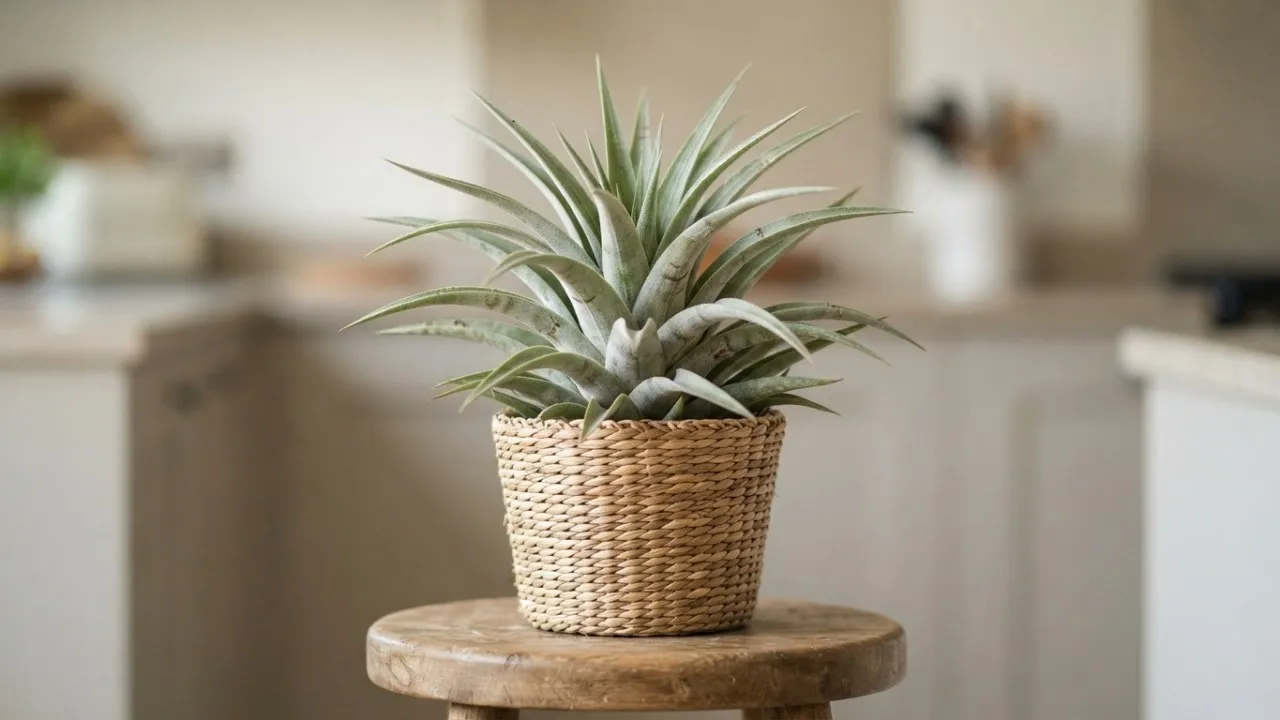 Every 4 days
 Air Plant
Tillandsia ionantha

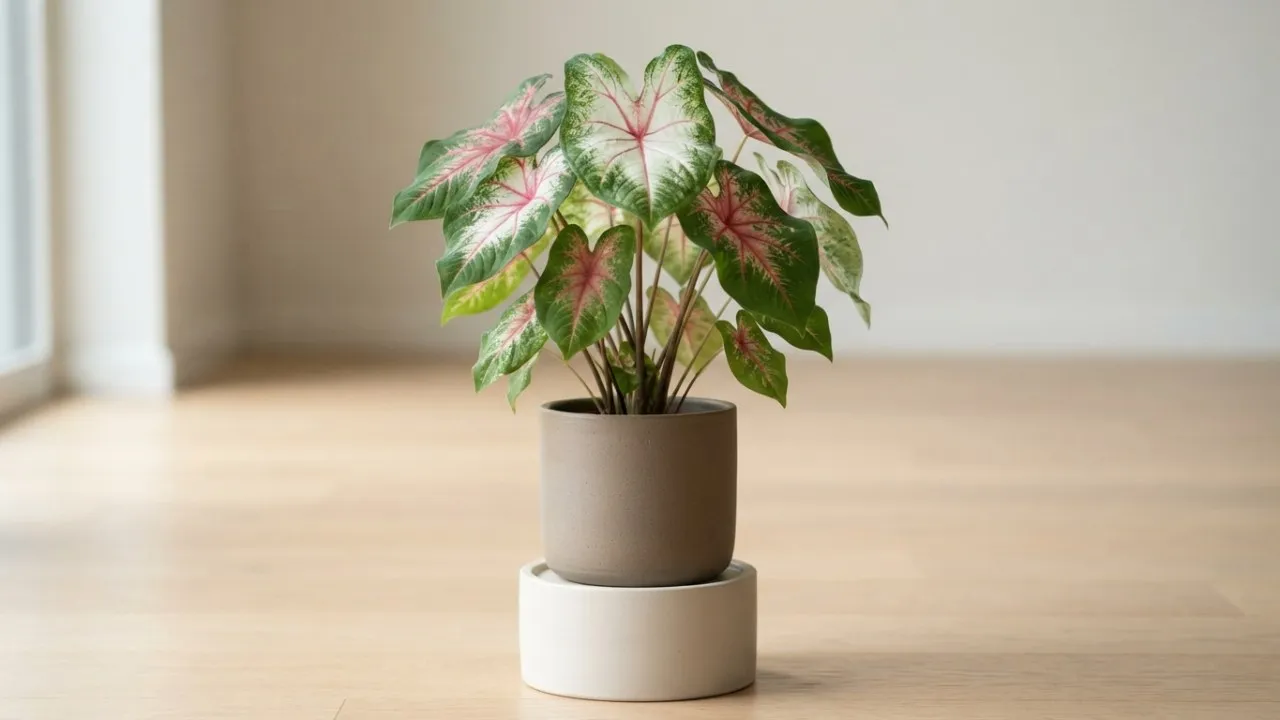 Every 3 days
 Angel Wings
Caladium bicolor
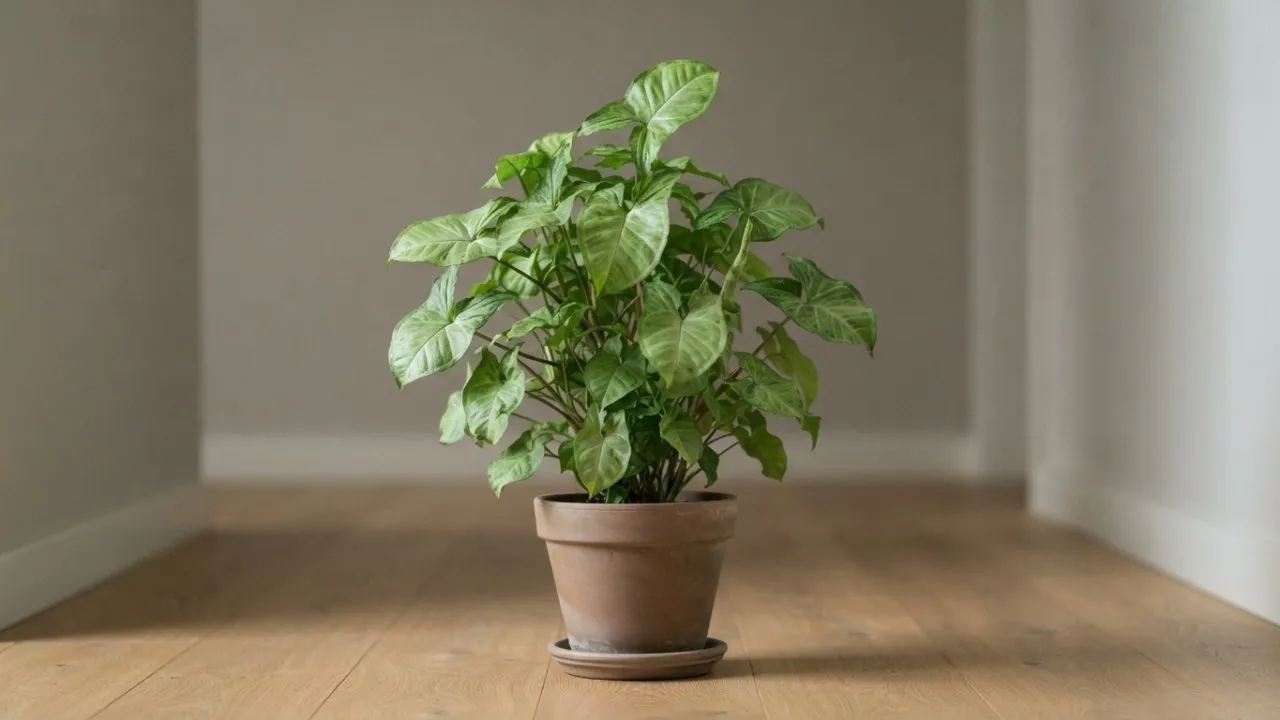 Every 7 days
 Arrowhead Plant
Syngonium podophyllum
 Every 10 days
 Baby Rubber Plant
Peperomia obtusifolia