
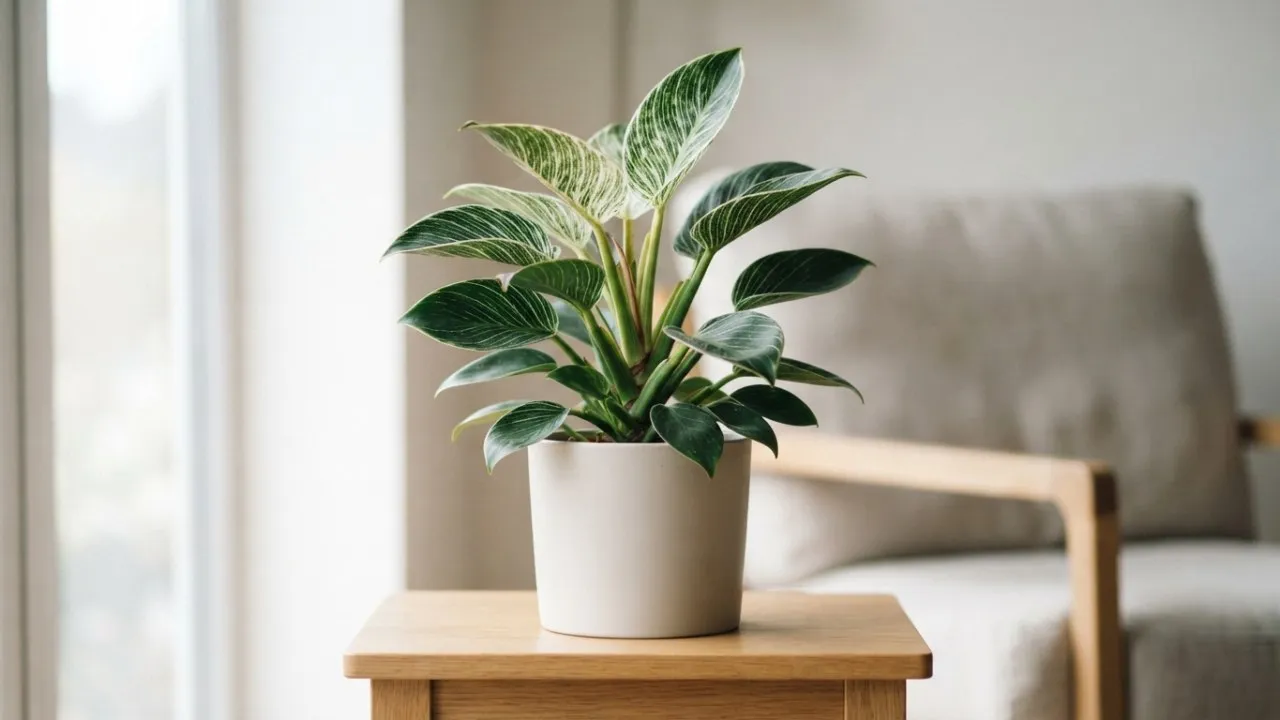
Philodendron Birkin
Philodendron birkin
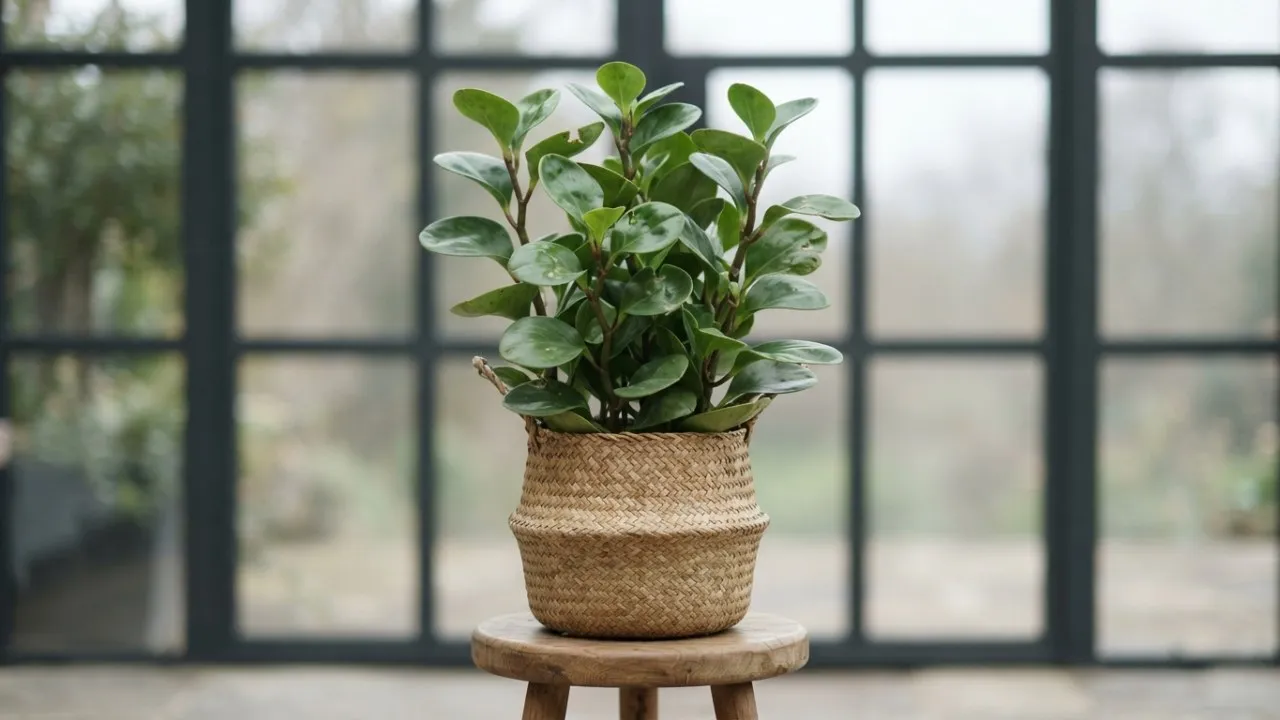
A compact, elegant Philodendron with dark green leaves adorned with fine white pinstripes, a recent cultivar highly prized by collectors.
The essentials at a glance
-
Watering
Every 5 days
-
Light
Bright indirect light
-
Humidity
50–70 %
-
Temperature
16–27 °C


How to care for your Philodendron Birkin
Everything you need to keep your Philodendron Birkin healthy: watering, light, humidity, feeding, repotting and pruning.
Philodendron Birkin is a recent cultivar originating from a spontaneous mutation of a Philodendron Rojo Congo. Its round, glossy leaves of deep green are streaked with fine cream-white pinstripes reminiscent of a refined fabric pattern. Each new leaf displays a unique pattern, and variegation can vary depending on light conditions. With compact, slow growth, it stays a reasonable size for indoors and does not need a support pole. It has become one of the most sought-after philodendrons among plant enthusiasts.

Watering your Philodendron Birkin
Every 5 days
Water when the substrate is dry in the top few centimetres. Use room-temperature water. Birkin prefers a slightly moist but well-draining substrate, never waterlogged.
How to know it needs water
- Substrate dry 2–3 cm deep
- Lower leaves beginning to yellow
- Plant looking less vigorous

How much light a Philodendron Birkin needs
Bright indirect light
Bright indirect light. The white variegation requires more light than plain green philodendrons. Avoid direct sun which scorches the leaves.
- Direct sun tolerated
- No direct sun
- Orientations that suit it
- North, North-east, East, South-east, South, South-west, West, North-west

Humidity and misting
50–70 %
50–70% Mist the foliage regularly. Birkin appreciates ambient humidity but tolerates dry air better than other philodendrons. Wipe leaves with a damp cloth to keep them glossy.

Feeding and fertiliser
Every 14 days
Fertilize every 2 weeks from April to September. Reduce to once a month in winter. Excess fertilizer can cause root burn, visible as brown leaf tips.
- Recommended feed
- Balanced liquid fertilizer for foliage plants, diluted to half dose. · 9-3-6

Repotting your Philodendron Birkin
Every 18 months
Use an aerated, draining blend: compost + perlite + orchid bark. Increase pot by 2–3 cm in diameter. Philodendrons appreciate a substrate that retains moisture without being compacted.
- When
- Spring (April–May)
- Potting mix
- All-purpose potting mix
- Mix in
- perlite, pine bark, coco fibre
The tell-tale signs
- Roots emerging from drainage holes
- Growth slowing in spring
- Substrate drying very quickly after watering

Pruning your Philodendron Birkin
Rarely necessary. Remove damaged leaves or stems that are reverting (losing their variegation). Cut damaged leaves at the base of the petiole with clean scissors. If a stem produces entirely green leaves (reversion), cut it to encourage new variegated growth.

Through the year
Watering is not set once and for all: it follows the light and the growth. Allow 8 days between waterings in the depth of winter, against 4 in the growing season.
- 8 J
- 7 F
- 5 M
- 5 A
- 4 M
- 4 J
- 4 J
- 5 A
- 5 S
- 6 O
- 7 N
- 8 D
Active growth · Days between waterings

Toxicity
All parts contain calcium oxalate crystals. Toxic to animals and humans. Ingestion causes oral irritation, hypersalivation, and difficulty swallowing.

Good to know
- Philodendron Birkin is a spontaneous mutation that appeared on a Philodendron Rojo Congo in a nursery, stabilized by horticulturists to create this unique cultivar.
- Its white pinstripes on dark green are never identical from one leaf to another, making each leaf truly unique.

Frequently asked questions about the Philodendron Birkin
How do you care for a Philodendron Birkin?
Water it every 5 days. Give it bright indirect light. Ideal humidity: 50–70 %. Ideal temperature: 16–27 °C. Water when the substrate is dry in the top few centimetres. Use room-temperature water. Birkin prefers a slightly moist but well-draining substrate, never waterlogged.
How often should you water a Philodendron Birkin?
Every 5 days Water when the substrate is dry in the top few centimetres. Use room-temperature water. Birkin prefers a slightly moist but well-draining substrate, never waterlogged. How to know it needs water : Substrate dry 2–3 cm deep ; Lower leaves beginning to yellow ; Plant looking less vigorous.
How much light does a Philodendron Birkin need?
Bright indirect light Bright indirect light. The white variegation requires more light than plain green philodendrons. Avoid direct sun which scorches the leaves. No direct sun
Is the Philodendron Birkin toxic to cats and dogs?
Yes. All parts contain calcium oxalate crystals. Toxic to animals and humans. Ingestion causes oral irritation, hypersalivation, and difficulty swallowing. Keep it out of reach of your pets and call a vet if any is swallowed.
Why are my Philodendron Birkin leaves turning yellow?
Yellowing most often comes from too much water: the mix stays wet and the roots suffocate. Check that the pot drains, empty the saucer, and let the mix dry before watering again. Too little light or a cold draught cause the same symptom.
When should you repot a Philodendron Birkin?
Repot every 18 months, ideally in spring (april–may). Use an aerated, draining blend: compost + perlite + orchid bark. Increase pot by 2–3 cm in diameter. Philodendrons appreciate a substrate that retains moisture without being compacted.

At a glance
- Family
- Araceae
- Category
- Tropical
- Placement
- Indoor
- Mature height
- 90 cm
- Growth
- Moderate
- Temperature
- 16–27 °C
- Pot materials
- ceramic, plastic
- Growth
- Reaches maturity in 3 years
These figures are for an average plant. In the app they are recalculated for yours, based on your room, its orientation and the season.
And for your plant, in your home?
In the app this plant becomes yours: a watering schedule tuned to your home, health tracking from photos, and reminders at the right moment.
In the same spirit
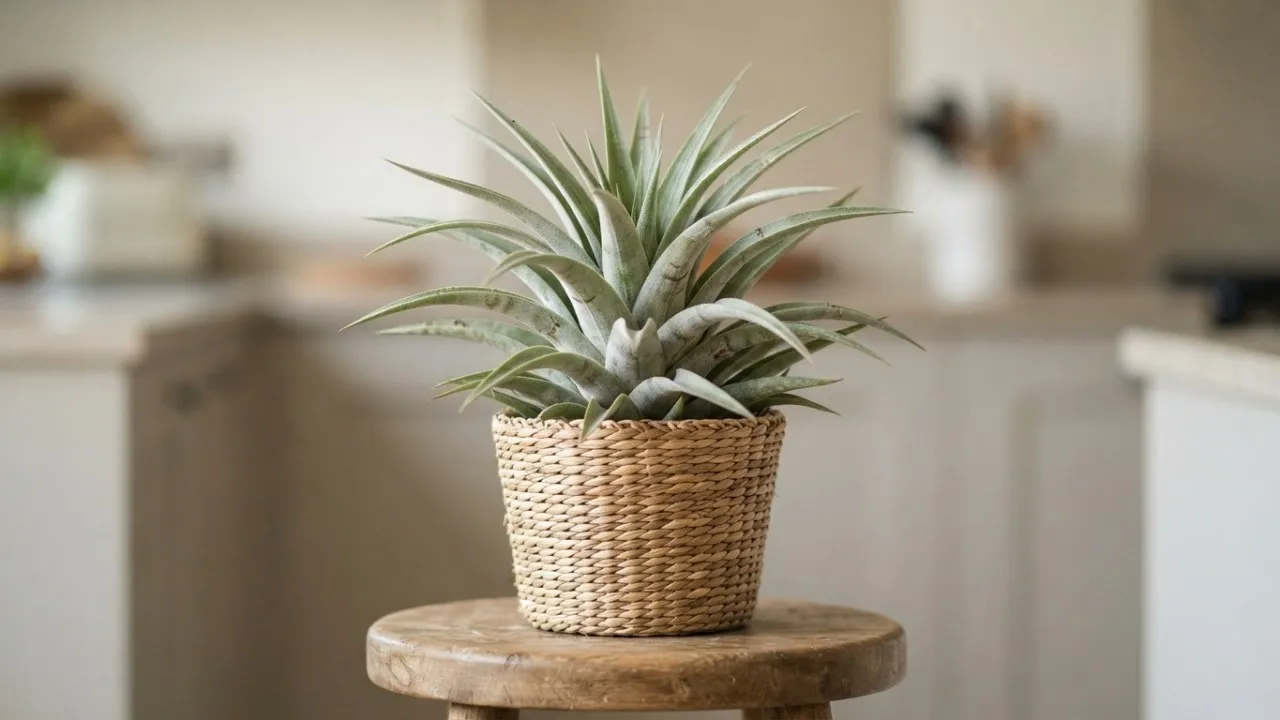 Every 4 days
 Air Plant
Tillandsia ionantha

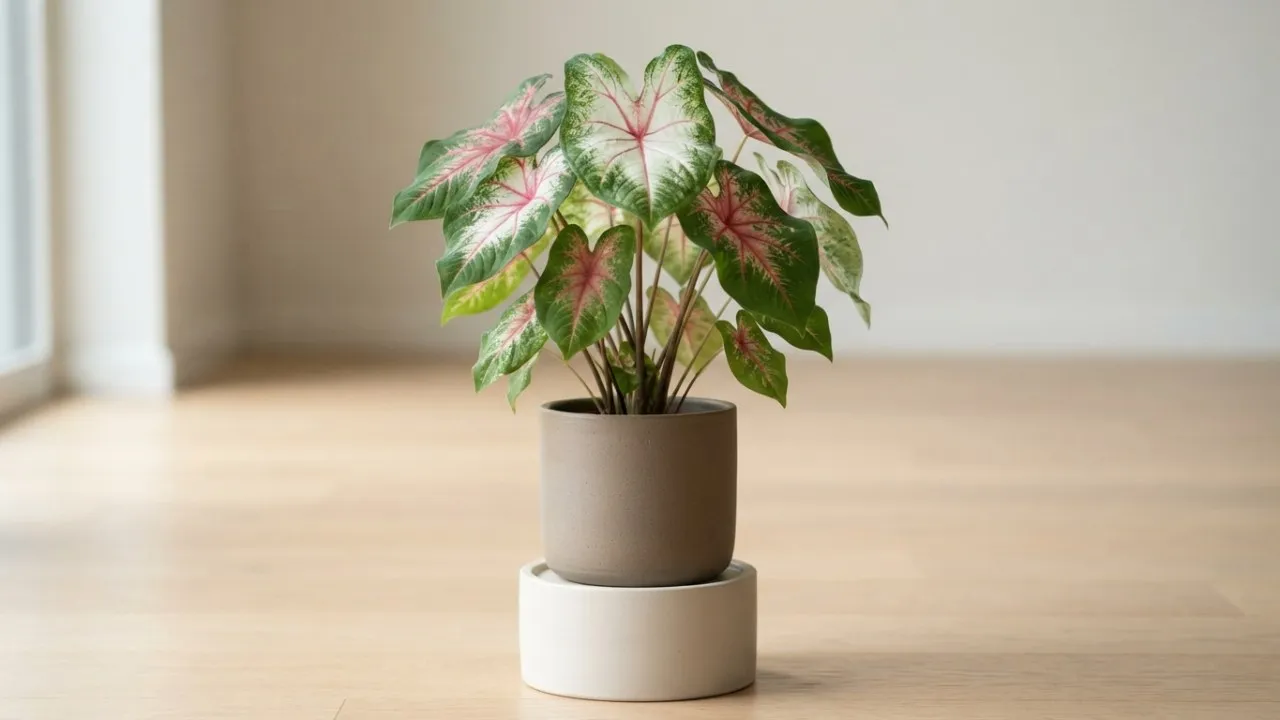 Every 3 days
 Angel Wings
Caladium bicolor
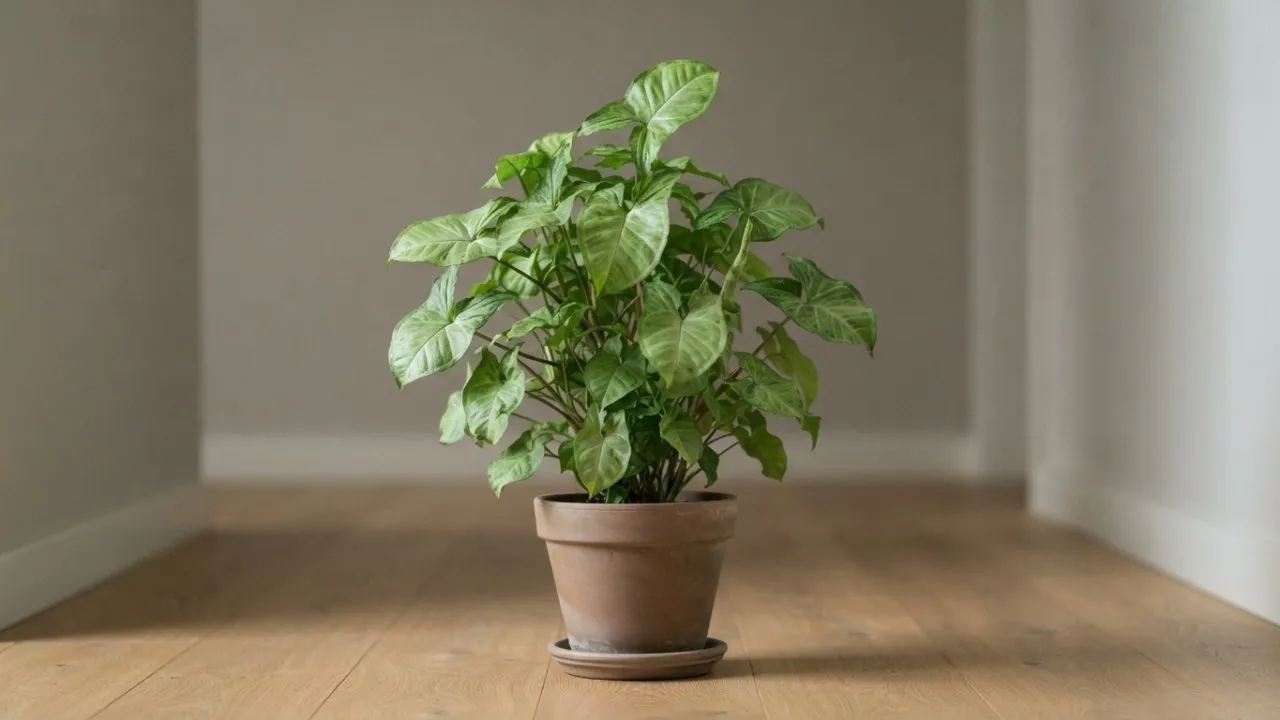 Every 7 days
 Arrowhead Plant
Syngonium podophyllum
 Every 10 days
 Baby Rubber Plant
Peperomia obtusifolia