
Flowering · Geraniaceae
Ivy Geranium
Pelargonium peltatum
The Ivy Geranium is a popular flowering plant known for its trailing stems and abundant blooms.
- Every 7 daysWatering
- Full sunLight
- 30–50 %Humidity
- 10–27 °CTemperature


How to care for your Ivy Geranium
Everything you need to keep your Ivy Geranium healthy: watering, light, humidity, feeding, repotting and pruning.
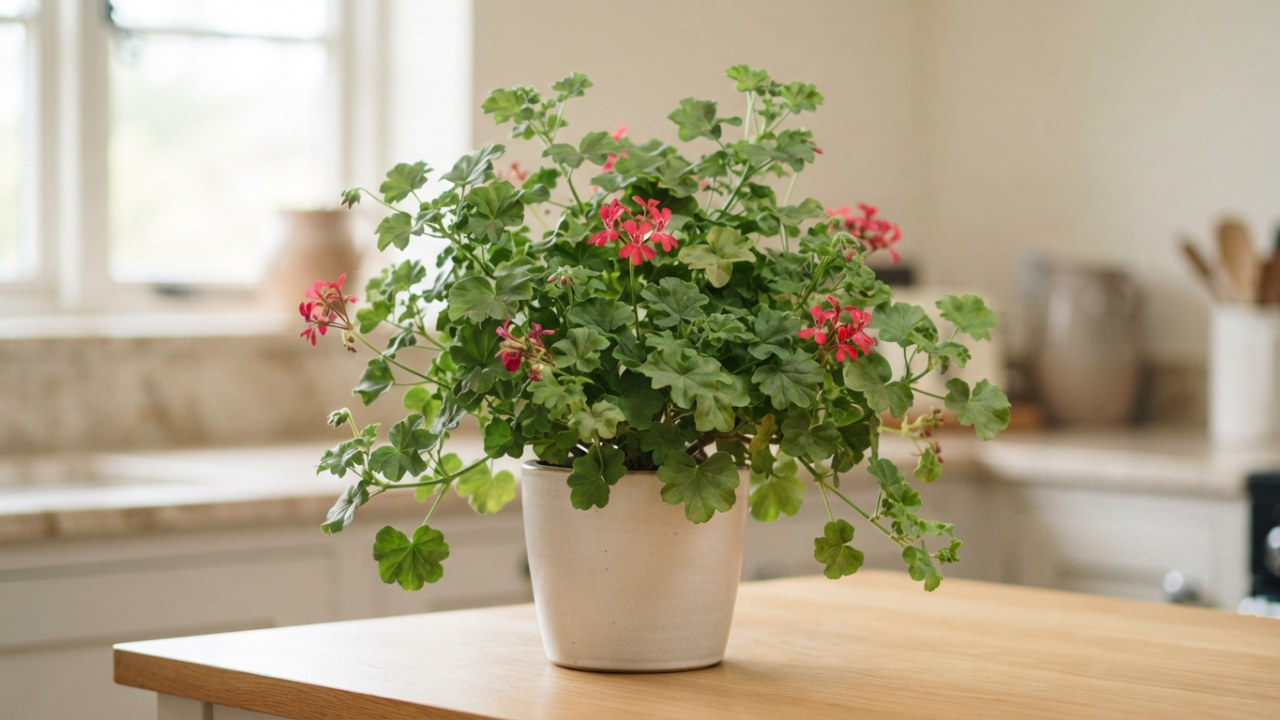
Pelargonium peltatum, commonly known as Ivy Geranium, is a charming and versatile plant native to South Africa. It features glossy, ivy-shaped leaves and produces a profusion of single or double flowers in shades of pink, red, purple, and white. Ideal for hanging baskets, window boxes, or as ground cover, it thrives in sunny locations and well-draining soil. Its trailing habit can reach lengths of up to 90 cm, making it a beautiful addition to any garden or balcony. It is not frost hardy: before the first frost, bring potted plants into a bright, frost-free place for winter.

How to recognise Ivy Geranium
An ivy-leaved geranium with trailing, semi-woody stems and fleshy, glossy, hairless leaves with five pointed, ivy-like lobes. Rounded umbels of pink, red, white or lilac flowers appear from spring to autumn. Pelargonium zonale is upright, with rounder, softly hairy leaves, and true ivy (Hedera helix) has no umbels of showy flowers and no geranium scent when the leaves are rubbed.

Watering your Ivy Geranium
Every 7 days
Water thoroughly when the top 2 to 3 cm of soil are dry, allowing excess water to drain completely. Water about every 2 weeks in winter. Avoid overwatering.
How to know it needs water
- Soil dry 2-3 cm deep
- Leaves appear slightly dull
- Pot feels lighter than usual

How much light a Ivy Geranium needs
Full sun
Full sun to bright indirect light; thrives with at least 6 hours of direct sun daily.
- Direct sun tolerated
- 6 to 12 h a day
- Orientations that suit it
- South, South-east, South-west, East, West

Humidity and misting
30–50 %
Low to medium (30 to 50 %) Avoid misting as it can encourage fungal diseases. Prefers dry air.

Feeding and fertiliser
Every 14 days
Apply every 2 weeks from April to September; none in autumn and winter.
- Recommended feed
- Balanced liquid fertilizer for flowering plants · 10-15-10

Repotting your Ivy Geranium
Every 12 months
Repot every year in spring (March to April), into a container of the same size or slightly larger, using a well-draining potting mix. Handle roots gently.
- When
- Spring (March to April)
- Potting mix
- All-purpose potting mix
- Mix in
- perlite, coarse sand
The tell-tale signs
- Roots emerging from drainage holes
- Plant becoming top-heavy
- Growth slowing despite good care

Pruning your Ivy Geranium
Pinch back leggy stems and remove spent flowers regularly to encourage bushier growth and more blooms. Use clean, sharp scissors or your fingers to pinch off stems just above a leaf node or spent flower.

Through the year
Watering is not set once and for all: it follows the light and the growth. Allow 13 days between waterings in the depth of winter, against 6 in the growing season.
- 11 J
- 8 F
- 7 M
- 6 A
- 6 M
- 6 J
- 6 J
- 6 A
- 7 S
- 8 O
- 11 N
- 13 D
Active growth · Days between waterings

Toxicity
Toxic to cats, dogs and humans if ingested, causing digestive upset, and the sap can irritate sensitive skin (geraniol and linalool). Keep out of reach of pets and children, and wear gloves if your skin is sensitive.

Good to know
- Its trailing habit makes it popular for hanging baskets and window boxes
- The leaves resemble ivy, hence the common name
- Known for its continuous blooming throughout warm months

Frequently asked questions about the Ivy Geranium
How do you care for a Ivy Geranium?
Water it every 7 days. Give it full sun. Ideal humidity: 30–50 %. Ideal temperature: 10–27 °C. Water thoroughly when the top 2 to 3 cm of soil are dry, allowing excess water to drain completely. Water about every 2 weeks in winter. Avoid overwatering.
How often should you water a Ivy Geranium?
Every 7 days Water thoroughly when the top 2 to 3 cm of soil are dry, allowing excess water to drain completely. Water about every 2 weeks in winter. Avoid overwatering. How to know it needs water : Soil dry 2-3 cm deep ; Leaves appear slightly dull ; Pot feels lighter than usual.
How much light does a Ivy Geranium need?
Full sun Full sun to bright indirect light; thrives with at least 6 hours of direct sun daily. 6 to 12 h a day
Is the Ivy Geranium toxic to cats and dogs?
Yes. Toxic to cats, dogs and humans if ingested, causing digestive upset, and the sap can irritate sensitive skin (geraniol and linalool). Keep out of reach of pets and children, and wear gloves if your skin is sensitive. Keep it out of reach of your pets and call a vet if any is swallowed.
Why are my Ivy Geranium leaves turning yellow?
Yellowing most often comes from too much water: the mix stays wet and the roots suffocate. Check that the pot drains, empty the saucer, and let the mix dry before watering again. Too little light or a cold draught cause the same symptom.
When should you repot a Ivy Geranium?
Repot every 12 months, ideally in spring (march to april). Repot every year in spring (March to April), into a container of the same size or slightly larger, using a well-draining potting mix. Handle roots gently.

At a glance
- Family
- Geraniaceae
- Category
- Flowering
- Placement
- Indoor and outdoor
- Mature height
- 30 cm
- Growth
- Fast
- Temperature
- 10–27 °C
- Pot materials
- terracotta, ceramic, plastic
- Growth
- Reaches maturity in 1 years
These figures are for an average plant. In the app they are recalculated for yours, based on your room, its orientation and the season.
And for your plant, in your home?
In the app this plant becomes yours: a watering schedule tuned to your home, health tracking from photos, and reminders at the right moment.
In the same spirit
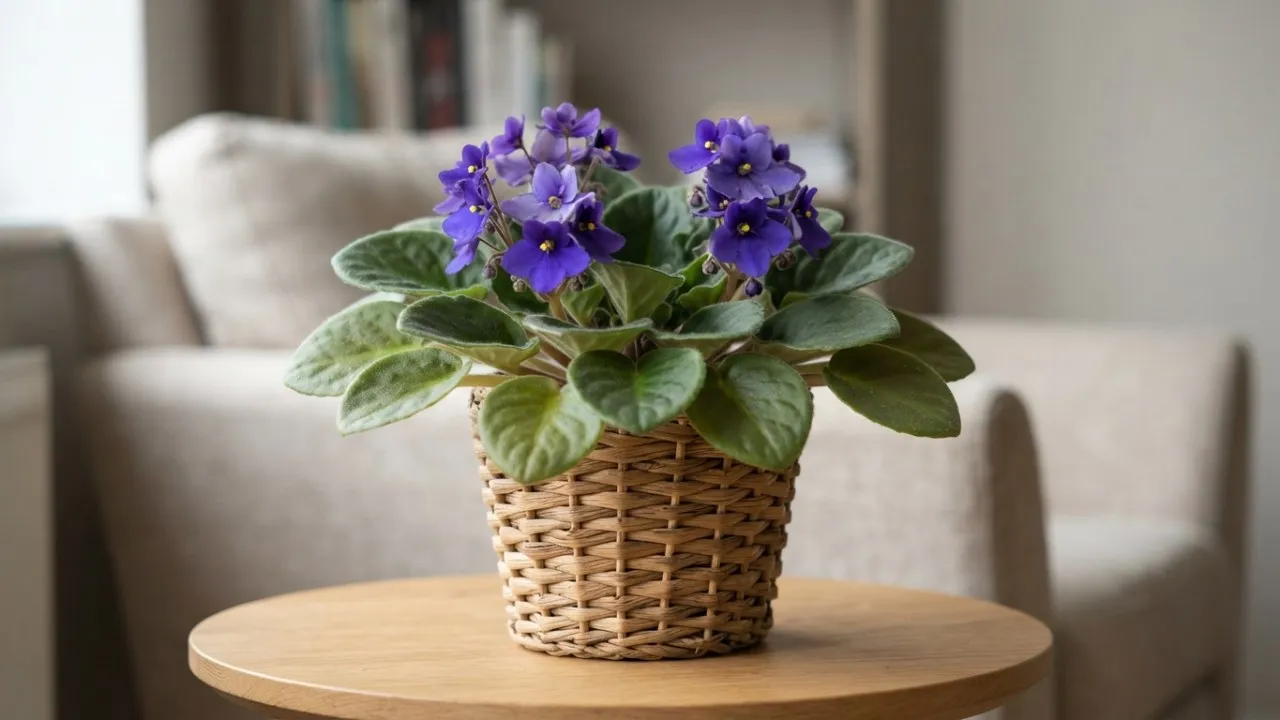 Every 6 days


African Violet
Saintpaulia ionantha

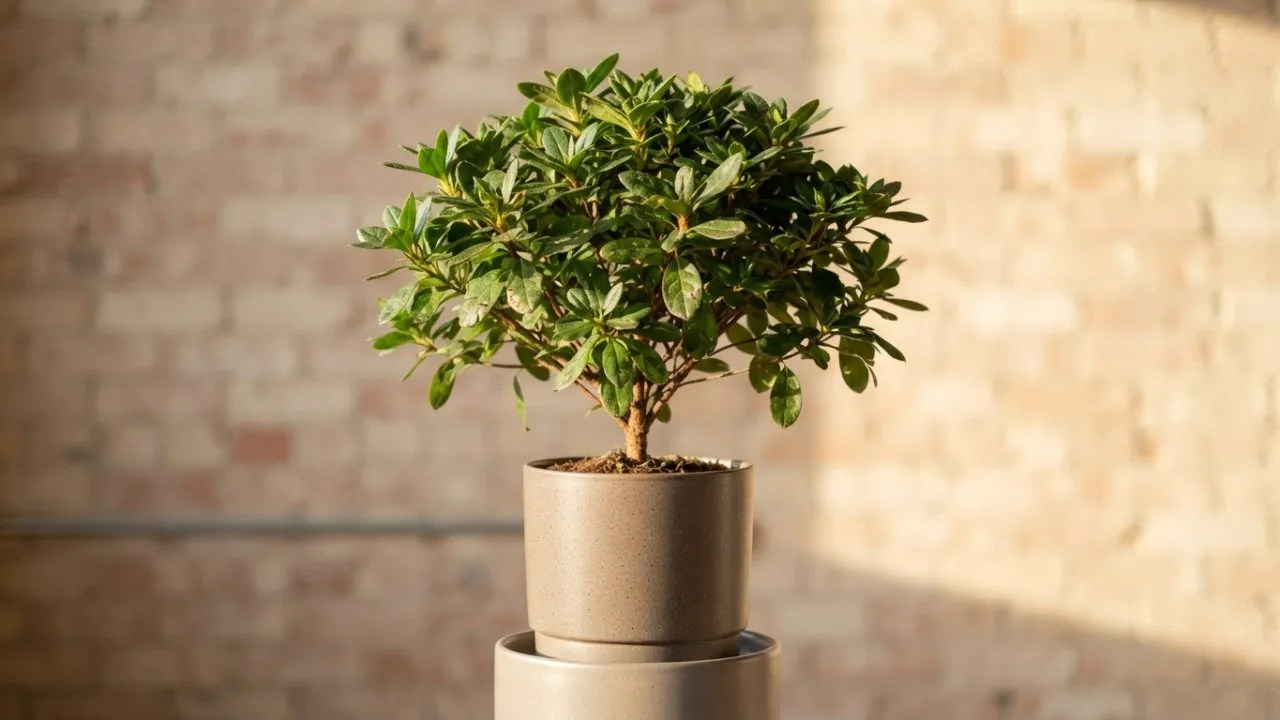 Every 3 days
Azalea
Rhododendron simsii
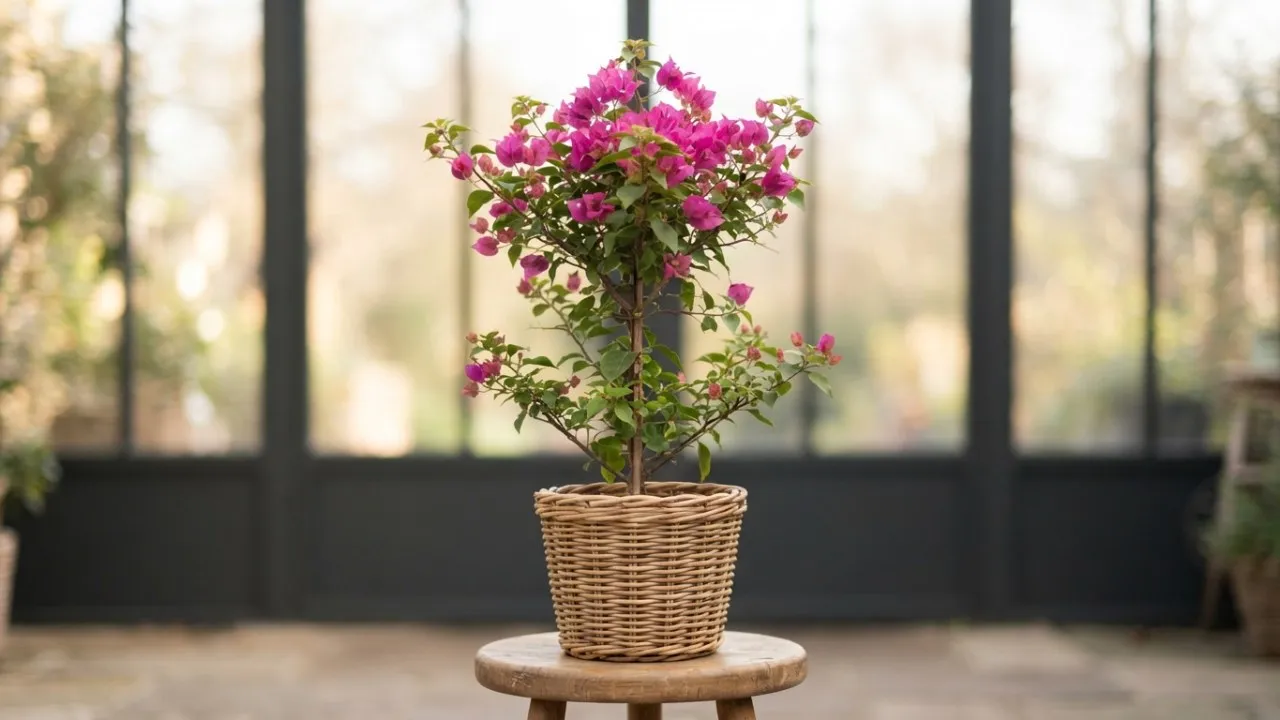 Every 5 days
Bougainvillea
Bougainvillea glabra
 Every 3 days
Chrysanthemum
Chrysanthemum morifolium
