
Flowering · Apocynaceae
Oleander
Nerium oleander
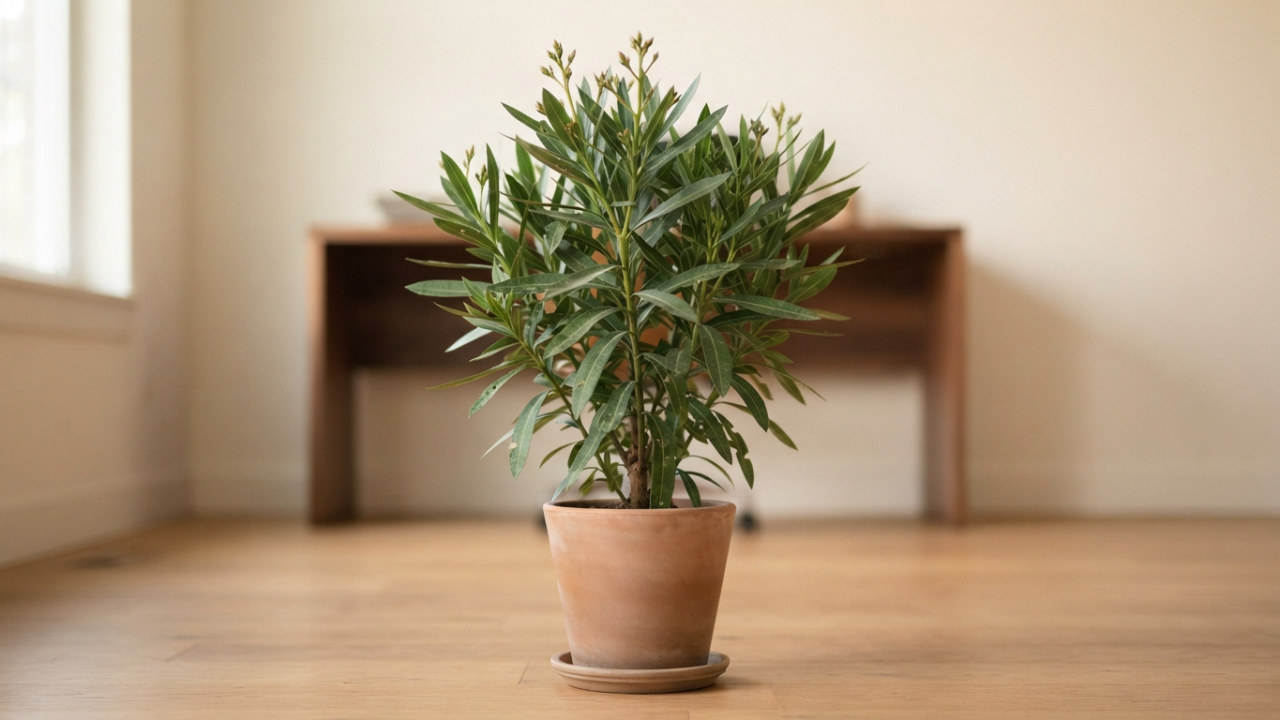
The Oleander is a beautiful, evergreen shrub known for its abundant, showy flowers and leathery leaves.
- Every 3 daysWatering
- Full sunLight
- 30–60 %Humidity
- 10–30 °CTemperature


How to care for your Oleander
Everything you need to keep your Oleander healthy: watering, light, humidity, feeding, repotting and pruning.
Nerium oleander, native to a wide area from Morocco and Portugal eastward to Iran and Afghanistan, is a robust and popular flowering shrub. It is cherished for its profusion of white, pink, red, or yellow flowers that bloom from late spring through autumn. While highly ornamental, all parts of the plant are extremely toxic if ingested, and even the smoke of burning wood is dangerous. It thrives in full sun and well-draining soil, making it a common sight in warm, dry climates. Established plants survive short frosts down to about -10 °C; in a pot, in cold regions, bring it in before the first hard frost to a bright, frost-free place at 5 to 10 °C for winter. Indoors, it requires ample light and careful watering to mimic its natural habitat.

How to recognise Oleander
An evergreen shrub with narrow, leathery, lance-shaped dark green leaves, often in whorls of three, each with a pale central vein. From late spring it bears clusters of five-petaled, funnel-shaped flowers in white, pink, red or yellow. Bay laurel (Laurus nobilis) has aromatic leaves set alternately, not in whorls, and small yellow-green flowers. Yellow oleander (Cascabela thevetia) has thinner, shinier leaves and only yellow flowers, and is just as toxic.

Watering your Oleander
Every 3 days
Water thoroughly until drainage runs clear, then allow the top 2 to 3 cm of substrate to dry out before watering again. Tolerates brief periods of drought once established. Water much less often from November to March.
How to know it needs water
- Top 2 to 3 cm of soil dry
- Leaves may show slight wilting
- Pot feels light when lifted

How much light a Oleander needs
Full sun
Full sun; requires at least 6 hours of direct sunlight daily to thrive and flower abundantly.
- Direct sun tolerated
- 6 to 12 h a day
- Orientations that suit it
- South, South-east, South-west, East, West

Humidity and misting
30–60 %
Low to medium (30 to 60%) Misting is not necessary; Oleander prefers dry air and good ventilation.

Feeding and fertiliser
Every 14 days
Apply every two weeks from April to August. Do not feed from September to March.
- Recommended feed
- Balanced NPK liquid fertilizer or slow-release granular fertilizer · 10-10-10

Repotting your Oleander
Every 24 months
Repot every 2 years into a container 5 to 10 cm larger, using a well-draining potting mix for flowering shrubs or a citrus mix. Wear gloves.
- When
- Spring
- Potting mix
- All-purpose potting mix
- Mix in
- perlite, coarse sand
The tell-tale signs
- Roots emerging from drainage holes
- Growth has slowed significantly
- Plant appears top-heavy or unstable

Pruning your Oleander
Prune after the main flowering period in late summer or early autumn to maintain shape and encourage bushier growth. Light pruning can be done in spring. Cut back spent flowers and leggy stems. Remove any dead, damaged, or crossing branches. Wear gloves and eye protection due to toxic sap, and wash your hands and tools afterwards.

Through the year
Watering is not set once and for all: it follows the light and the growth. Allow 5 days between waterings in the depth of winter, against 2 in the growing season.
- 5 J
- 4 F
- 3 M
- 2 A
- 2 M
- 2 J
- 2 J
- 2 A
- 3 S
- 4 O
- 5 N
- 5 D
Active growth · Days between waterings

Toxicity
All parts of the plant are highly toxic if ingested by humans or animals, causing cardiac issues, nausea, vomiting, and lethargy. The sap irritates skin and eyes, so wear gloves and eye protection when handling. Call a poison control center or a doctor immediately if any part is eaten.

Good to know
- Oleander is highly drought-tolerant once established, making it popular in Mediterranean climates.
- Despite its toxicity, it is widely used as an ornamental plant in gardens and along roadsides.
- The plant contains cardiac glycosides, which are potent compounds that affect heart function.

Frequently asked questions about the Oleander
How do you care for a Oleander?
Water it every 3 days. Give it full sun. Ideal humidity: 30–60 %. Ideal temperature: 10–30 °C. Water thoroughly until drainage runs clear, then allow the top 2 to 3 cm of substrate to dry out before watering again. Tolerates brief periods of drought once established. Water much less often from November to March.
How often should you water a Oleander?
Every 3 days Water thoroughly until drainage runs clear, then allow the top 2 to 3 cm of substrate to dry out before watering again. Tolerates brief periods of drought once established. Water much less often from November to March. How to know it needs water : Top 2 to 3 cm of soil dry ; Leaves may show slight wilting ; Pot feels light when lifted.
How much light does a Oleander need?
Full sun Full sun; requires at least 6 hours of direct sunlight daily to thrive and flower abundantly. 6 to 12 h a day
Is the Oleander toxic to cats and dogs?
Yes. All parts of the plant are highly toxic if ingested by humans or animals, causing cardiac issues, nausea, vomiting, and lethargy. The sap irritates skin and eyes, so wear gloves and eye protection when handling. Call a poison control center or a doctor immediately if any part is eaten. Keep it out of reach of your pets and call a vet if any is swallowed.
Why are my Oleander leaves turning yellow?
Yellowing most often comes from too much water: the mix stays wet and the roots suffocate. Check that the pot drains, empty the saucer, and let the mix dry before watering again. Too little light or a cold draught cause the same symptom.
When should you repot a Oleander?
Repot every 24 months, ideally in spring. Repot every 2 years into a container 5 to 10 cm larger, using a well-draining potting mix for flowering shrubs or a citrus mix. Wear gloves.

At a glance
- Family
- Apocynaceae
- Category
- Flowering
- Placement
- Indoor and outdoor
- Mature height
- 2 m
- Growth
- Moderate
- Temperature
- 10–30 °C
- Pot materials
- terracotta, ceramic, plastic
- Growth
- Reaches maturity in 5 years
These figures are for an average plant. In the app they are recalculated for yours, based on your room, its orientation and the season.
And for your plant, in your home?
In the app this plant becomes yours: a watering schedule tuned to your home, health tracking from photos, and reminders at the right moment.
In the same spirit
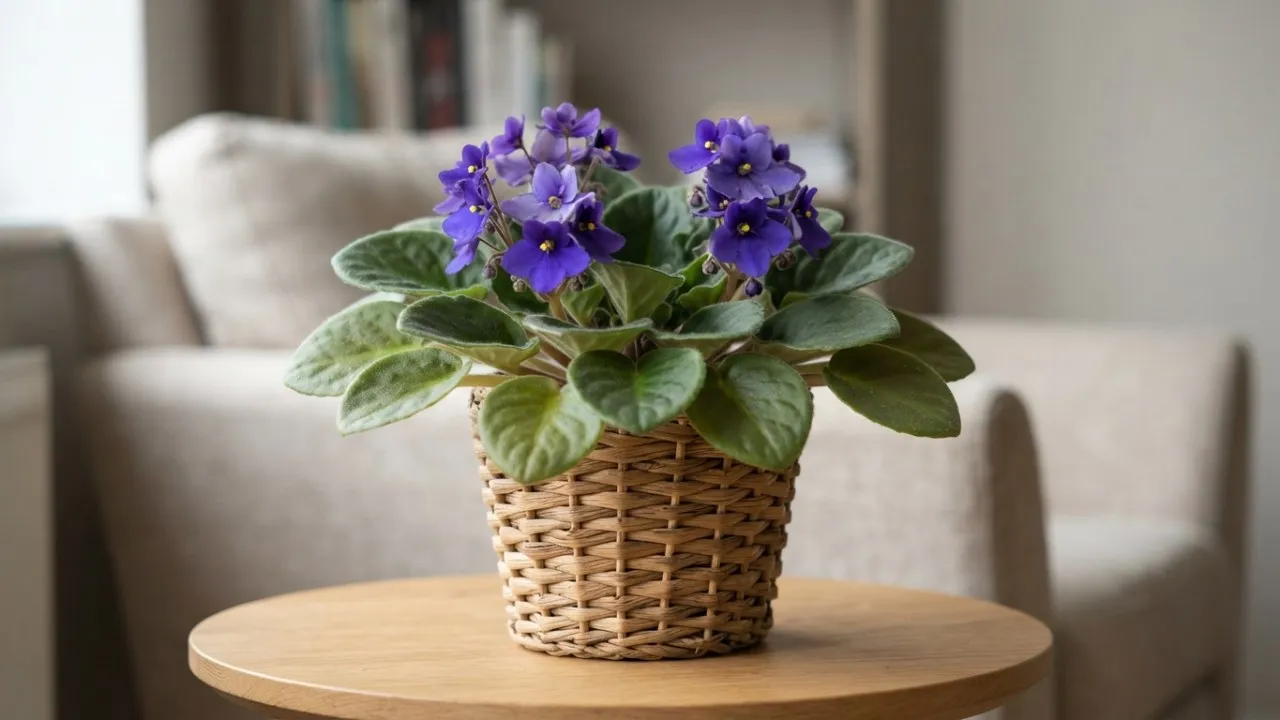 Every 6 days


African Violet
Saintpaulia ionantha

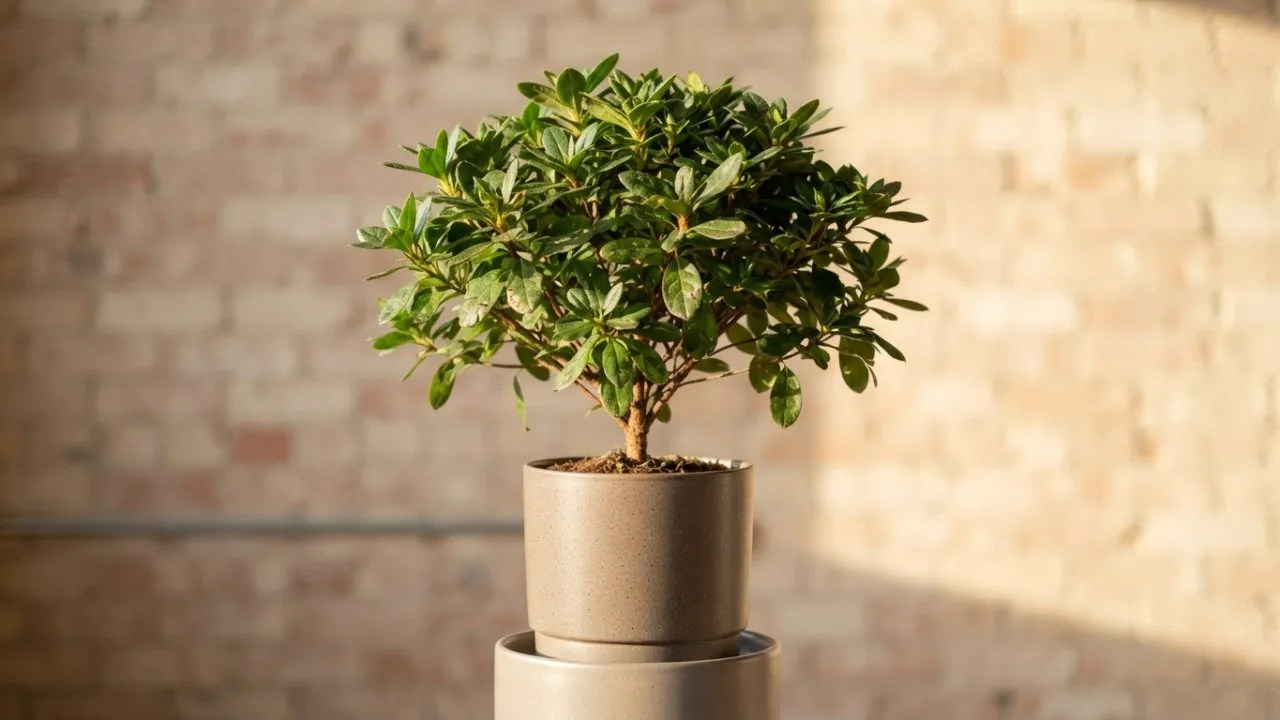 Every 3 days
Azalea
Rhododendron simsii
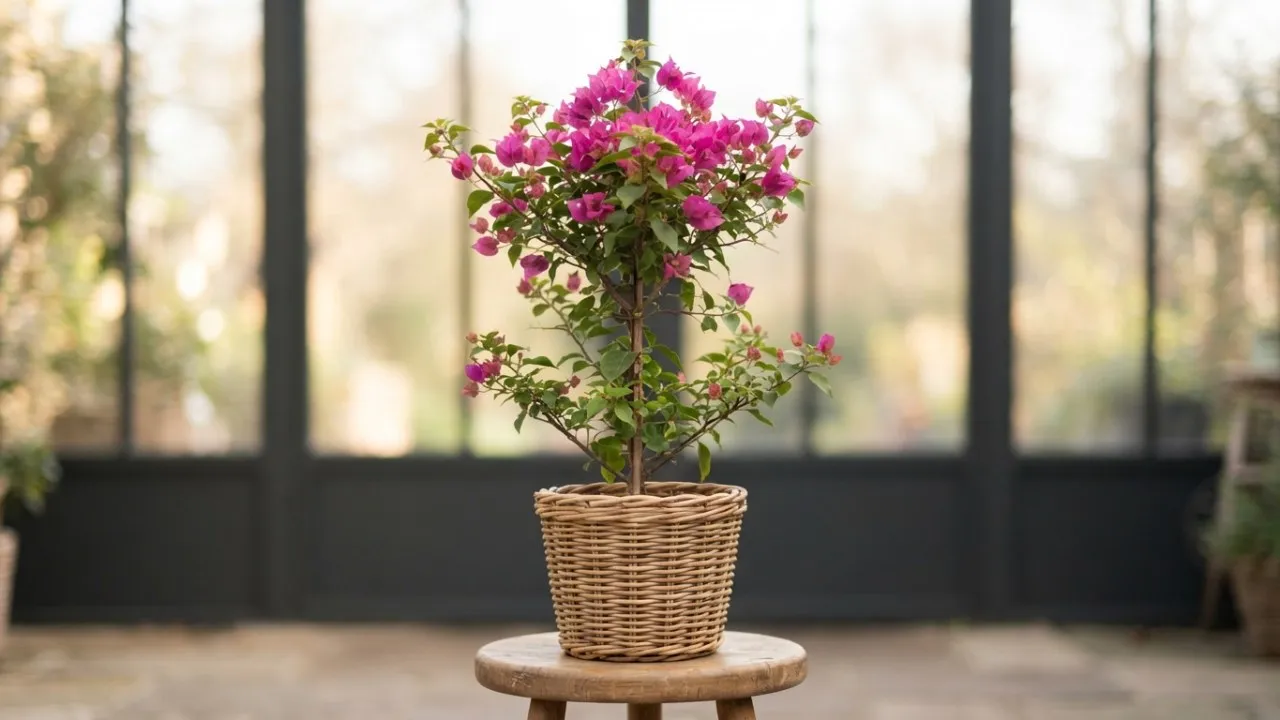 Every 5 days
Bougainvillea
Bougainvillea glabra
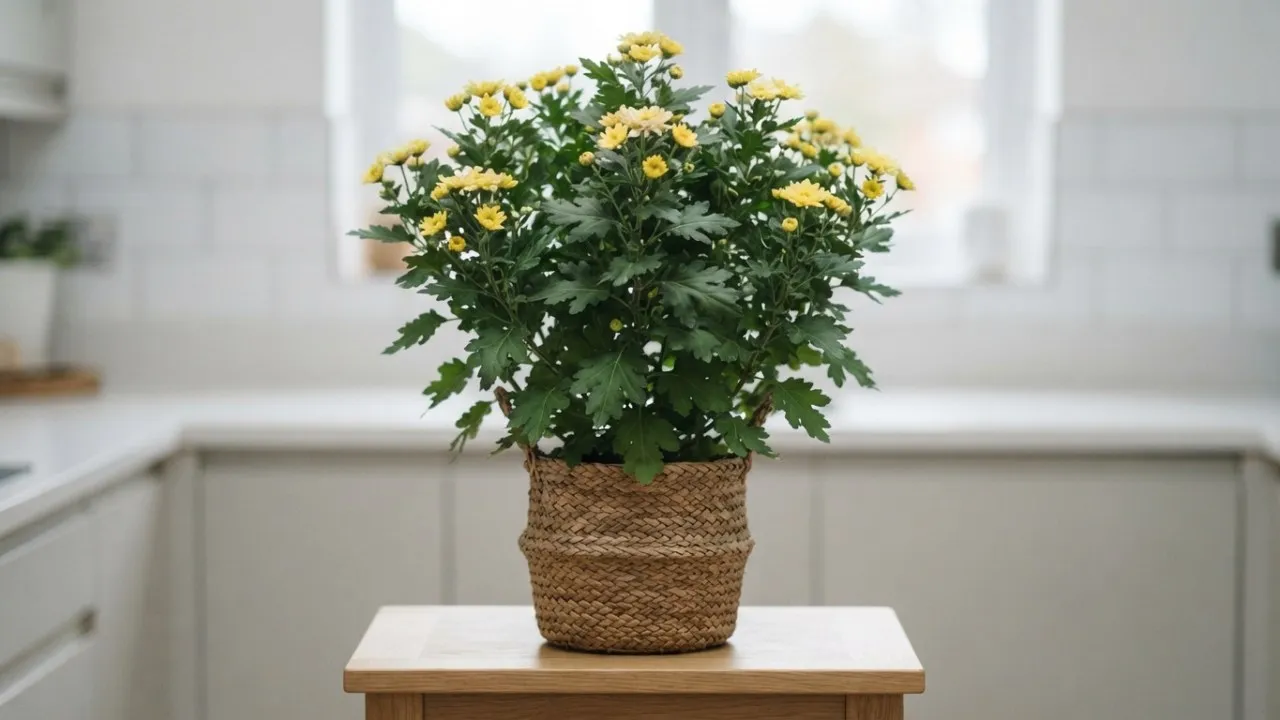 Every 3 days
Chrysanthemum
Chrysanthemum morifolium
