
Tropical · Musaceae
Banana Plant
Musa paradisiaca
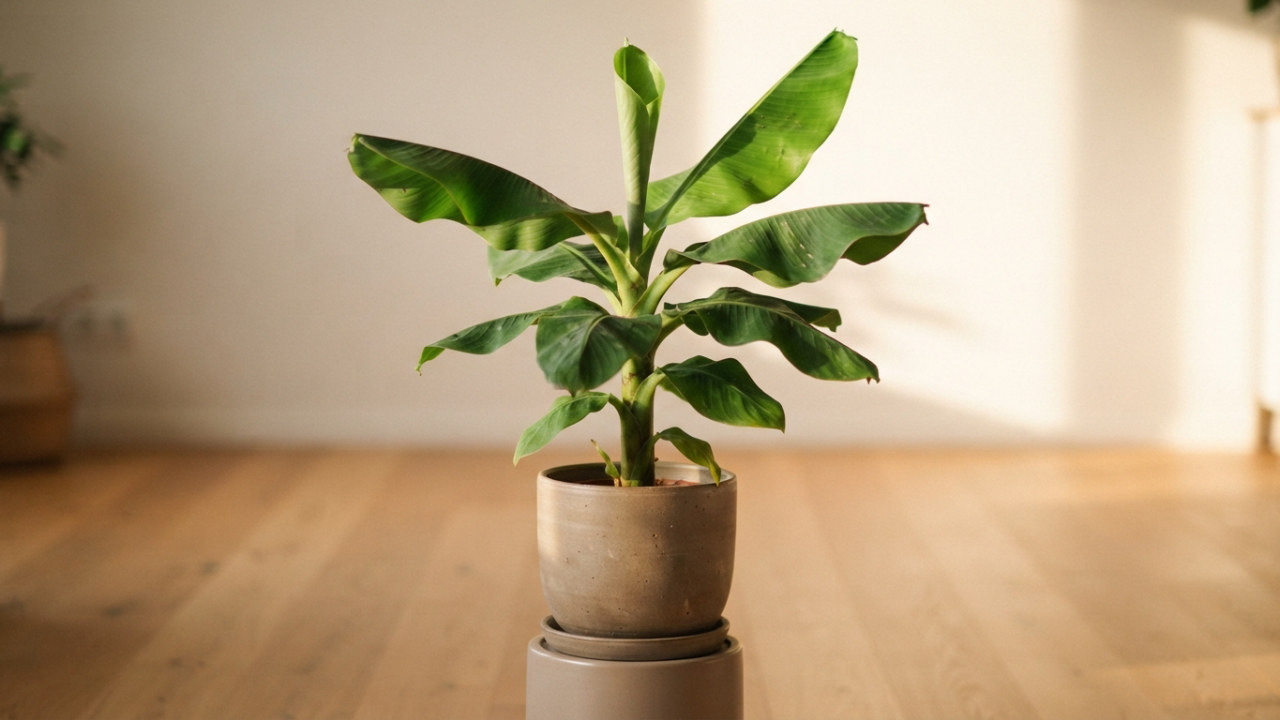
A striking tropical giant herb renowned for its huge, glossy paddle leaves and its tree-like pseudostem.
- Every 3 daysWatering
- Full sunLight
- 60–85 %Humidity
- 18–30 °CTemperature


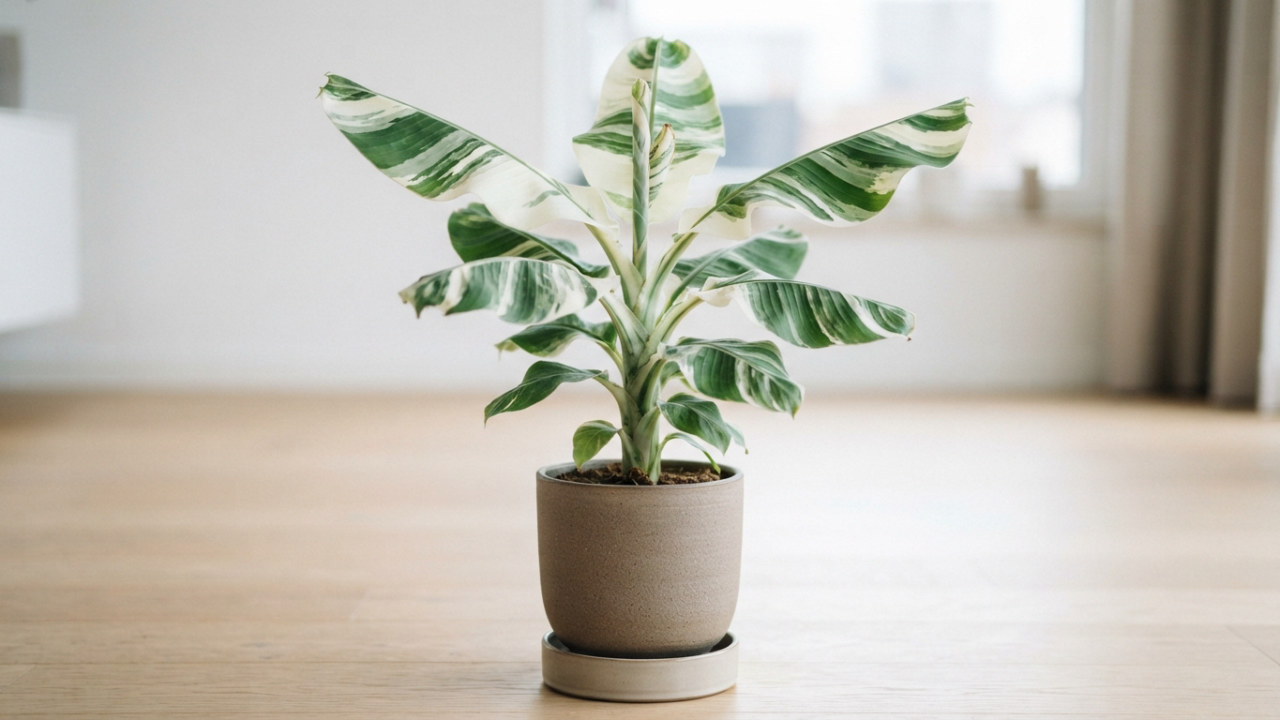
Its varieties 1
How to care for your Banana Plant
Everything you need to keep your Banana Plant healthy: watering, light, humidity, feeding, repotting and pruning.
Musa × paradisiaca is a hybrid perennial herb derived from crosses between Musa acuminata and Musa balbisiana. Originating in tropical Southeast Asia, it produces an architectural pseudostem that can achieve notable proportions in a short time. The dramatic foliage features wide, fragile blades that tear naturally in high winds to reduce wind resistance. Indoors or in a temperate patio setting, it demands copious sunlight, high atmospheric humidity, and steady warmth. It also requires substantial volumes of water and heavy feeding throughout the warm season to fuel its vigorous expansion. It is not frost hardy: grown in a pot outdoors in summer, bring it inside before nights fall below about 10 °C, and keep it bright and warm in winter.

How to recognise Banana Plant
Recognised by very large paddle-shaped, bright green leaves up to about 2 m long, rising on a stout pseudostem formed by tightly clasping leaf sheaths, often with suckers at the base. Ensete ventricosum, a look-alike, has a swollen base and does not form suckers.

Watering your Banana Plant
Every 3 days
Drench thoroughly until water drains from the base, then allow the top several centimetres of potting mix to dry before watering again. Water less often in the cool months.
How to know it needs water
- Top 2 to 3 centimetres of substrate feel dry to the touch.
- The heavy container feels noticeably lighter when lifted.
- Younger leaves lose slight turgidity and tilt subtly downward.

How much light a Banana Plant needs
Full sun
Requires very bright light with several hours of direct sunshine, ideally in the morning, to sustain rapid growth.
- Direct sun tolerated
- 5 to 9 h a day
- Orientations that suit it
- South, South-east, South-west, West

Humidity and misting
60–85 %
Thrives in humid conditions between 60 and 85 %. Dry indoor air leads to crispy margins and dull foliar patches. Misting the leaves about every 2 days gives brief relief in dry air, but it cannot substitute for a humidifier or a pebble tray in indoor environments.

Feeding and fertiliser
Every 14 days
Feed every two weeks from April to September with a fertiliser rich in potassium and nitrogen, and not in winter.
- Recommended feed
- Balanced liquid fertiliser, or one rich in potassium · 3-1-6

Repotting your Banana Plant
Every 12 months
Select a heavy, stable container 5 to 8 centimetres wider than the root ball, using rich, loamy potting soil mixed with perlite for rapid drainage.
- When
- Spring, from March to May
- Potting mix
- All-purpose potting mix
- Mix in
- perlite, coco fibre, pine bark, coarse sand
The tell-tale signs
- Thick white roots emerge heavily through bottom drainage holes.
- Potting mix dries out in less than two days after deep watering.
- Offsets or suckers crowd out the primary pseudostem in the pot.

Pruning your Banana Plant
Throughout spring and summer as older leaves decline. Cut lower, yellowing leaves close to the pseudostem using a clean, sterilised knife, taking care not to puncture the main trunk.

Through the year
Watering is not set once and for all: it follows the light and the growth. Allow 5 days between waterings in the depth of winter, against 2 in the growing season.
- 5 J
- 5 F
- 4 M
- 3 A
- 2 M
- 2 J
- 2 J
- 2 A
- 2 S
- 3 O
- 4 N
- 5 D
Active growth · Days between waterings

Good to know
- Bananas are technically giant herbs rather than trees, with pseudostems made of compressed leaf bases.
- The fruit is botanically a berry, and the cultivated forms are usually seedless.
- Individual stems are monocarpic and die after producing fruit, leaving underground rhizomes that produce replacement suckers.

Frequently asked questions about the Banana Plant
How do you care for a Banana Plant?
Water it every 3 days. Give it full sun. Ideal humidity: 60–85 %. Ideal temperature: 18–30 °C. Drench thoroughly until water drains from the base, then allow the top several centimetres of potting mix to dry before watering again. Water less often in the cool months.
How often should you water a Banana Plant?
Every 3 days Drench thoroughly until water drains from the base, then allow the top several centimetres of potting mix to dry before watering again. Water less often in the cool months. How to know it needs water : Top 2 to 3 centimetres of substrate feel dry to the touch. ; The heavy container feels noticeably lighter when lifted. ; Younger leaves lose slight turgidity and tilt subtly downward..
How much light does a Banana Plant need?
Full sun Requires very bright light with several hours of direct sunshine, ideally in the morning, to sustain rapid growth. 5 to 9 h a day
Is the Banana Plant toxic to cats and dogs?
No, the Banana Plant is not listed as toxic to cats and dogs. That is still no reason to let your pets chew on it.
Why are my Banana Plant leaves turning yellow?
Yellowing most often comes from too much water: the mix stays wet and the roots suffocate. Check that the pot drains, empty the saucer, and let the mix dry before watering again. Too little light or a cold draught cause the same symptom.
When should you repot a Banana Plant?
Repot every 12 months, ideally in spring, from march to may. Select a heavy, stable container 5 to 8 centimetres wider than the root ball, using rich, loamy potting soil mixed with perlite for rapid drainage.

At a glance
- Family
- Musaceae
- Category
- Tropical
- Placement
- Indoor and outdoor
- Mature height
- 2.4 m
- Growth
- Fast
- Temperature
- 18–30 °C
- Pot materials
- plastic, ceramic
- Growth
- Reaches maturity in 3 years
These figures are for an average plant. In the app they are recalculated for yours, based on your room, its orientation and the season.
And for your plant, in your home?
In the app this plant becomes yours: a watering schedule tuned to your home, health tracking from photos, and reminders at the right moment.
In the same spirit
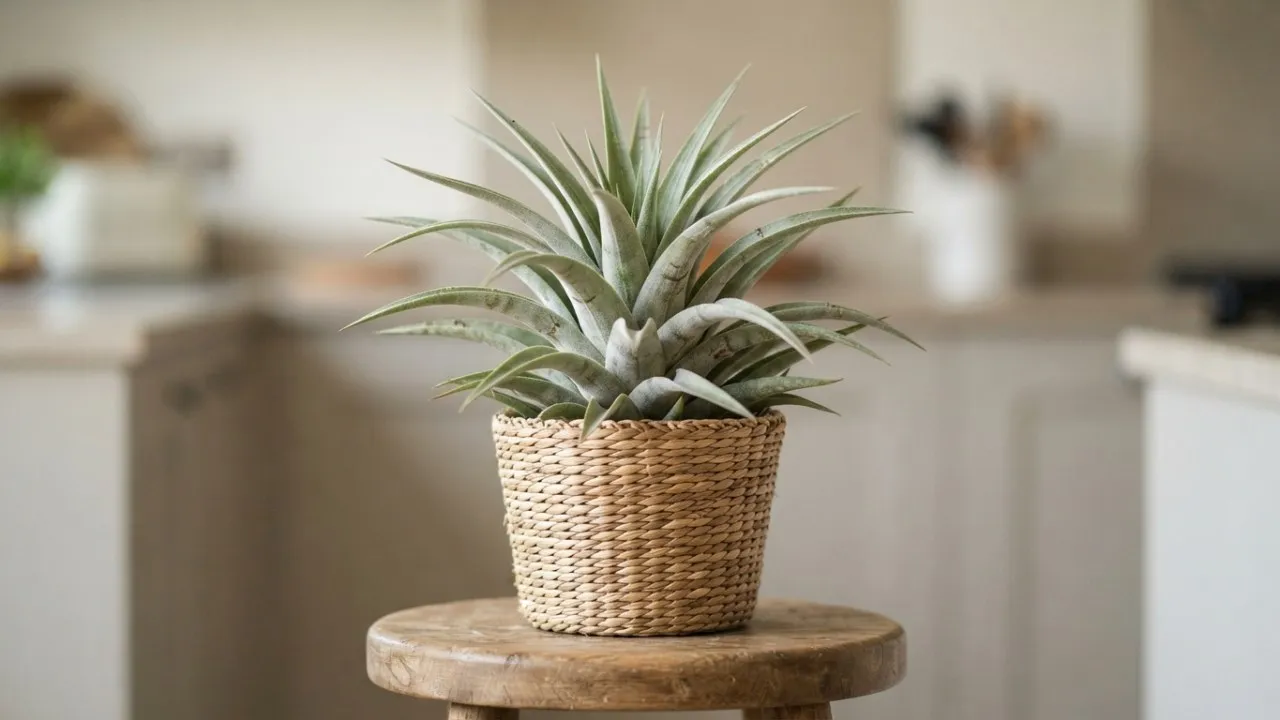 Every 7 days


Air Plant
Tillandsia ionantha

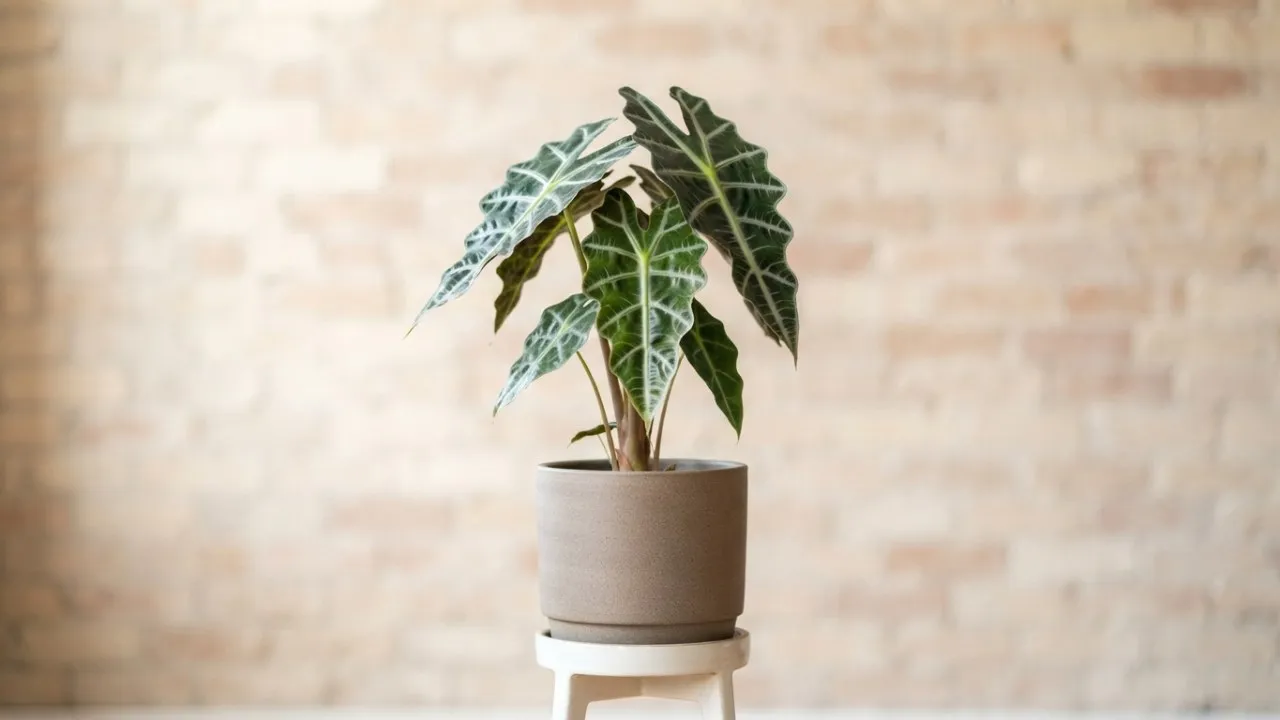 Every 6 days
Alocasia amazonica
Alocasia amazonica
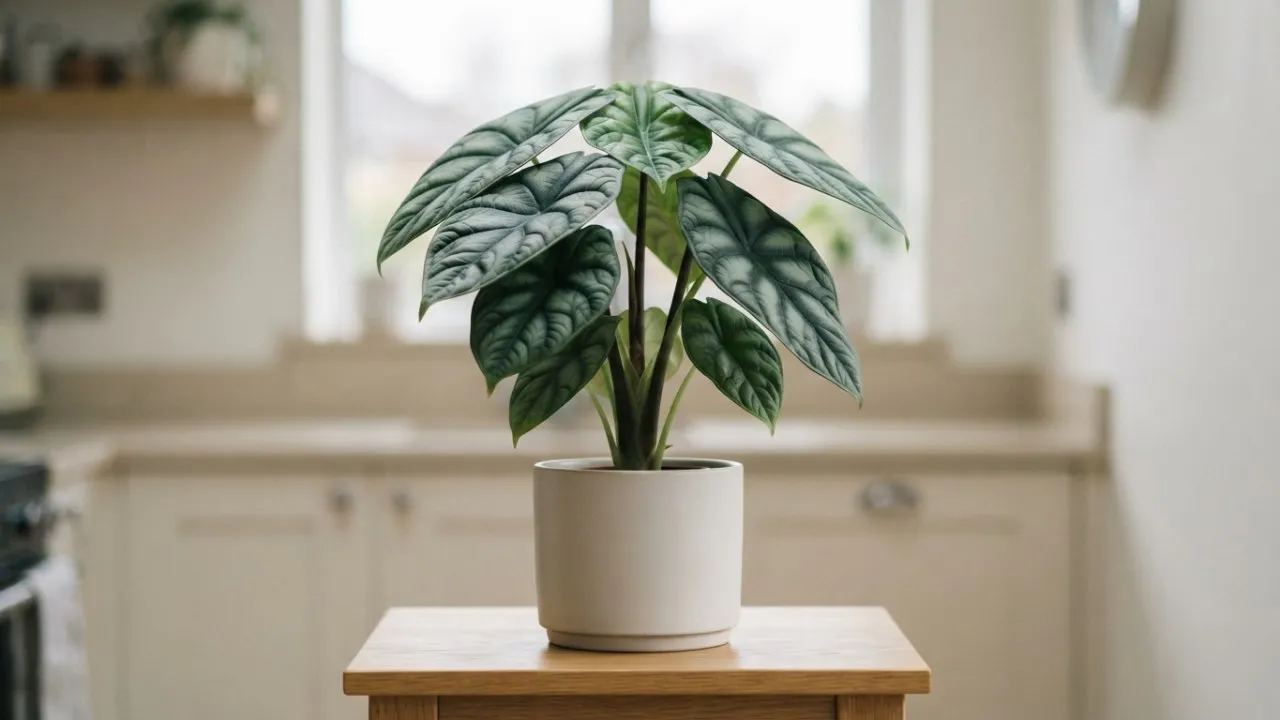 Every 7 days
Alocasia baginda
Alocasia baginda
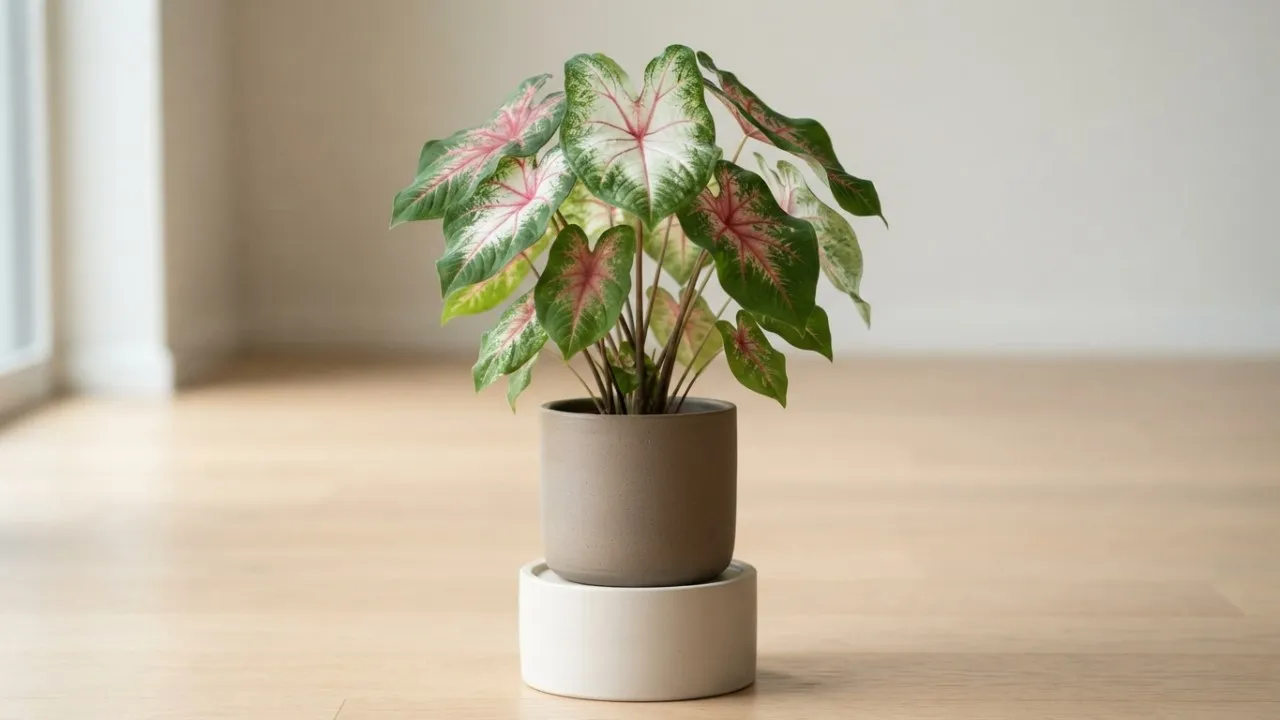 Every 4 days
Angel Wings
Caladium bicolor
