
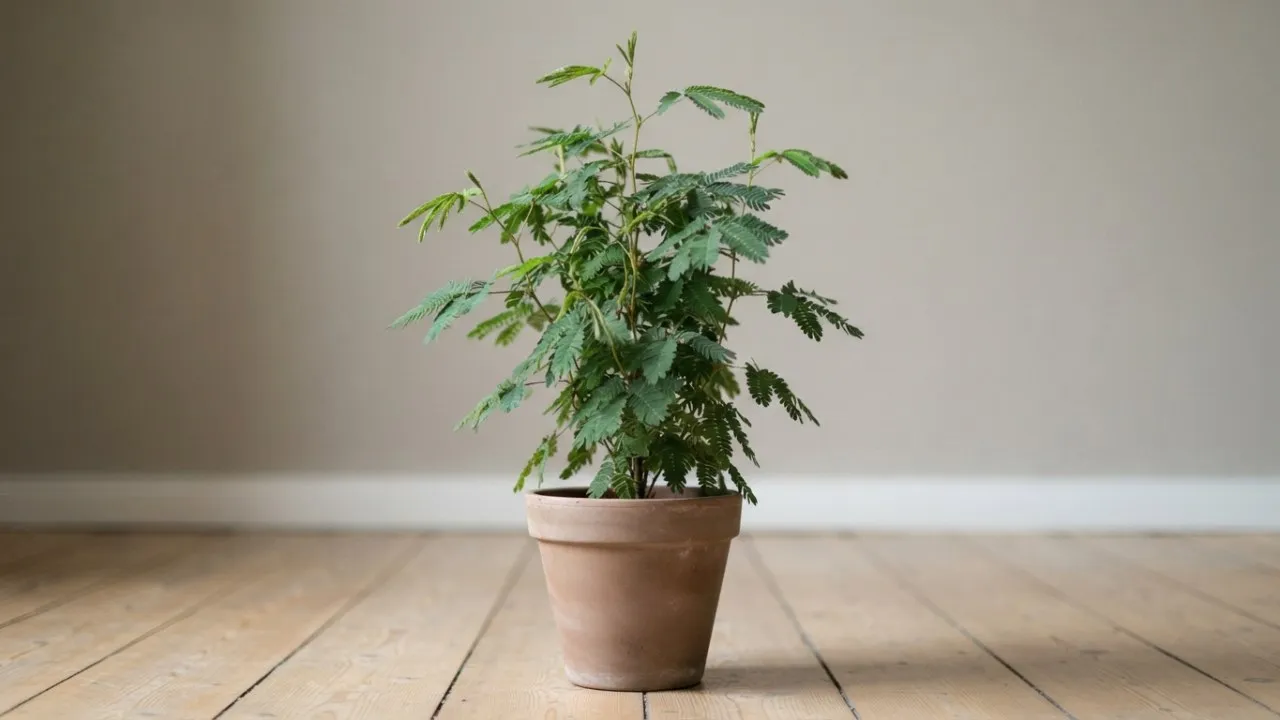
Sensitive Plant
Mimosa pudica
A fascinating plant whose leaves fold instantly upon touch, providing a unique interactive spectacle in the plant kingdom.
The essentials at a glance
-
Watering
Every 3 days
-
Light
Full sun
-
Humidity
60–80 %
-
Temperature
18–28 °C


How to care for your Sensitive Plant
Everything you need to keep your Sensitive Plant healthy: watering, light, humidity, feeding, repotting and pruning.
Mimosa pudica is a tropical plant native to South America, famous worldwide for its extraordinary ability to fold its compound leaves within seconds when touched. This defense mechanism, called thigmonasty, is triggered by pressure changes in the plant's specialized cells. Its small bipinnate leaves, similar to ferns, and its pink pompom flowers also make it a decorative plant. In temperate climates, it is grown as an annual or biennial houseplant.

Watering your Sensitive Plant
Every 3 days
Keep the substrate regularly moist without excess. Use lukewarm, lime-free water. Sensitive plant is susceptible to drought, which causes leaf yellowing and drop.
How to know it needs water
- Substrate beginning to dry at the surface
- Leaves remaining folded longer than usual
- Leaflets yellowing at the base of the plant

How much light a Sensitive Plant needs
Full sun
Bright light with a few hours of direct sun per day. Indoors, place near a south- or east-facing window. Insufficient light produces a lanky, spindly habit.
- Direct sun tolerated
- 2 to 4 h a day
- Orientations that suit it
- East, South-east, South, South-west

Humidity and misting
60–80 %
60–80% Mist frequently to maintain high ambient humidity. Note: water droplets on the leaves can trigger foliar closure, which is natural but energy-consuming for the plant.

Feeding and fertiliser
Every 14 days
Fertilize every 2 weeks from March to September. Sensitive plant grows quickly and appreciates regular nutrition during its growing period.
- Recommended feed
- Balanced liquid fertilizer diluted to half dose. · 5-10-5

Repotting your Sensitive Plant
Every 12 months
Use light, rich, well-draining compost. Handle with care as the plant responds to touch and can become stressed. Sensitive plant is often grown as an annual and resown each spring.
- When
- Spring (April–May)
- Potting mix
- All-purpose potting mix
- Mix in
- perlite, coco fibre
The tell-tale signs
- Roots emerging from the pot
- Plant has become too large for its container
- Substrate drying very quickly

Pruning your Sensitive Plant
When the plant becomes too sprawling or leggy. Pinch shoot tips regularly. Pinch stem tips to encourage branching. Cut overly long stems above a node. Handle gently as the plant folds at the slightest touch.

Through the year
Watering is not set once and for all: it follows the light and the growth. Allow 5 days between waterings in the depth of winter, against 2 in the growing season.
- 5 J
- 4 F
- 3 M
- 2 A
- 2 M
- 2 J
- 2 J
- 2 A
- 2 S
- 3 O
- 4 N
- 5 D
Active growth · Days between waterings

Good to know
- The sensitive plant folds its leaves within seconds at the slightest touch through a hydraulic mechanism: cells in the pulvini lose water in response to the stimulus.
- At night, the sensitive plant naturally folds its leaves in a phenomenon called nyctinasty, as if it were falling asleep.

Frequently asked questions about the Sensitive Plant
How do you care for a Sensitive Plant?
Water it every 3 days. Give it full sun. Ideal humidity: 60–80 %. Ideal temperature: 18–28 °C. Keep the substrate regularly moist without excess. Use lukewarm, lime-free water. Sensitive plant is susceptible to drought, which causes leaf yellowing and drop.
How often should you water a Sensitive Plant?
Every 3 days Keep the substrate regularly moist without excess. Use lukewarm, lime-free water. Sensitive plant is susceptible to drought, which causes leaf yellowing and drop. How to know it needs water : Substrate beginning to dry at the surface ; Leaves remaining folded longer than usual ; Leaflets yellowing at the base of the plant.
How much light does a Sensitive Plant need?
Full sun Bright light with a few hours of direct sun per day. Indoors, place near a south- or east-facing window. Insufficient light produces a lanky, spindly habit. 2 to 4 h a day
Is the Sensitive Plant toxic to cats and dogs?
No, the Sensitive Plant is not listed as toxic to cats and dogs. That is still no reason to let your pets chew on it.
Why are my Sensitive Plant leaves turning yellow?
Yellowing most often comes from too much water: the mix stays wet and the roots suffocate. Check that the pot drains, empty the saucer, and let the mix dry before watering again. Too little light or a cold draught cause the same symptom.
When should you repot a Sensitive Plant?
Repot every 12 months, ideally in spring (april–may). Use light, rich, well-draining compost. Handle with care as the plant responds to touch and can become stressed. Sensitive plant is often grown as an annual and resown each spring.

At a glance
- Family
- Fabaceae
- Category
- Tropical
- Placement
- Indoor
- Mature height
- 60 cm
- Growth
- Fast
- Temperature
- 18–28 °C
- Pot materials
- terracotta, ceramic, plastic
- Growth
- Reaches maturity in 1 years
These figures are for an average plant. In the app they are recalculated for yours, based on your room, its orientation and the season.
And for your plant, in your home?
In the app this plant becomes yours: a watering schedule tuned to your home, health tracking from photos, and reminders at the right moment.
In the same spirit
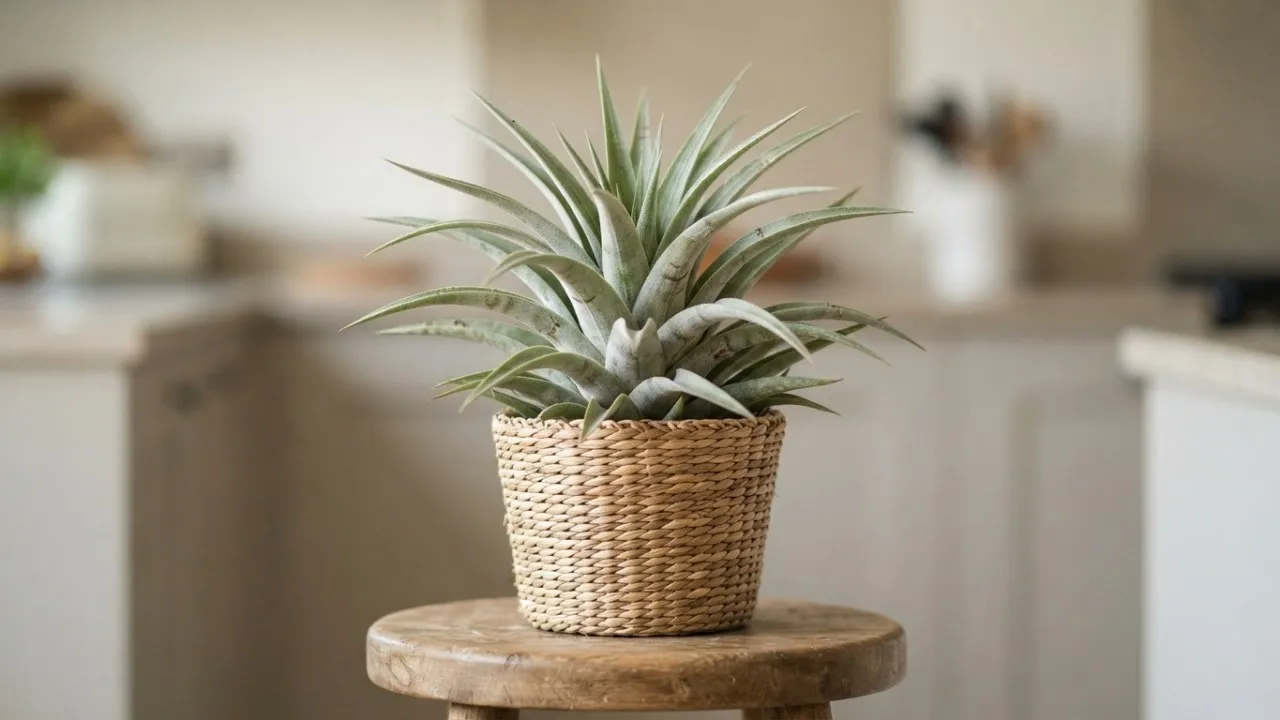 Every 4 days
 Air Plant
Tillandsia ionantha

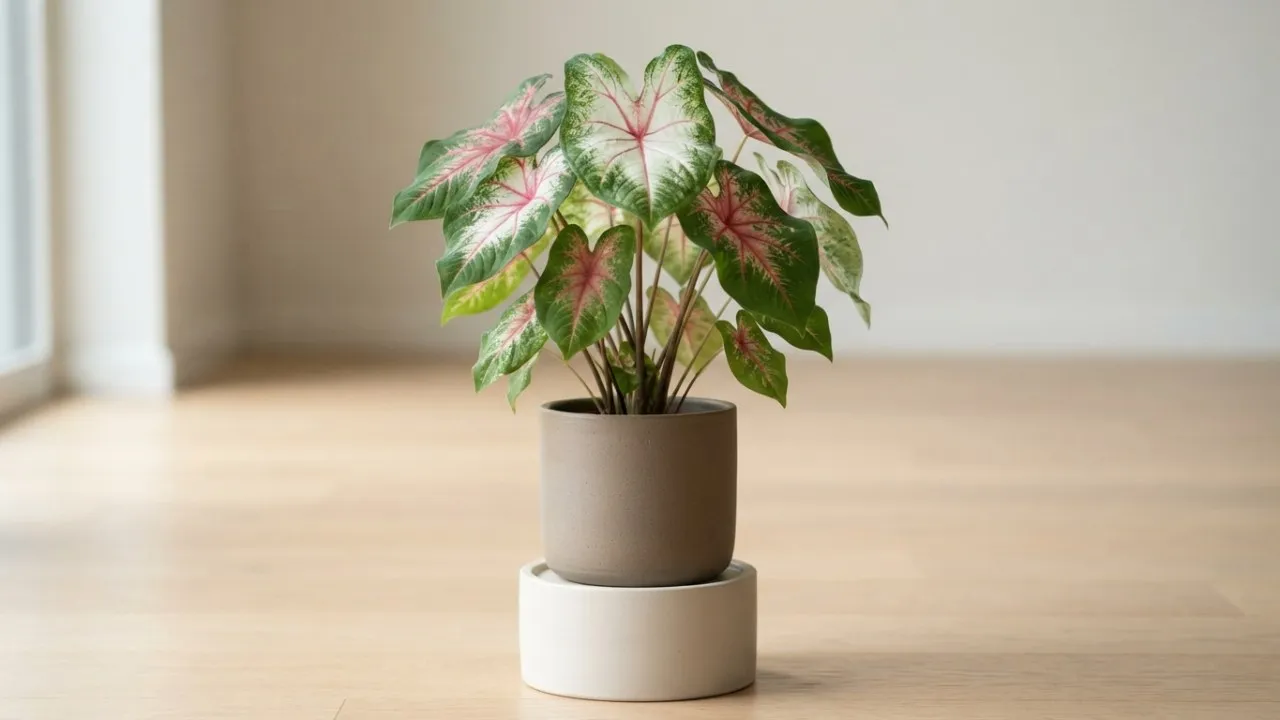 Every 3 days
 Angel Wings
Caladium bicolor
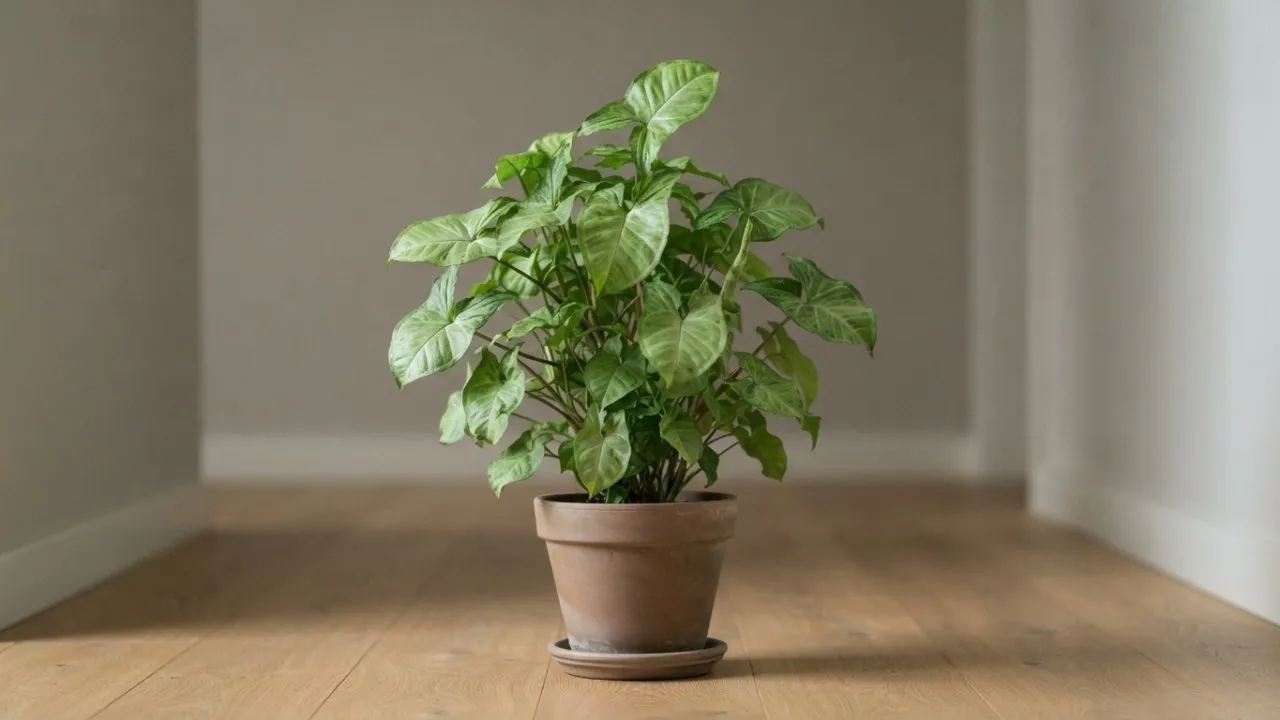 Every 7 days
 Arrowhead Plant
Syngonium podophyllum
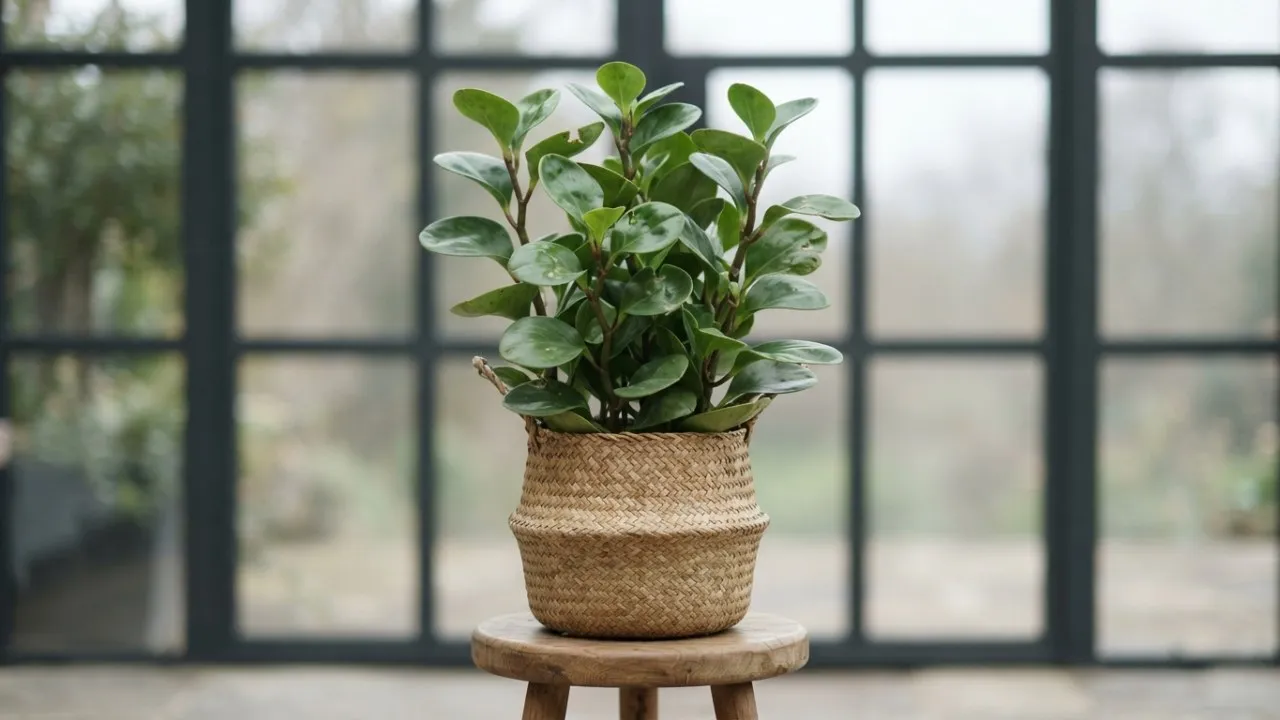 Every 10 days
 Baby Rubber Plant
Peperomia obtusifolia