
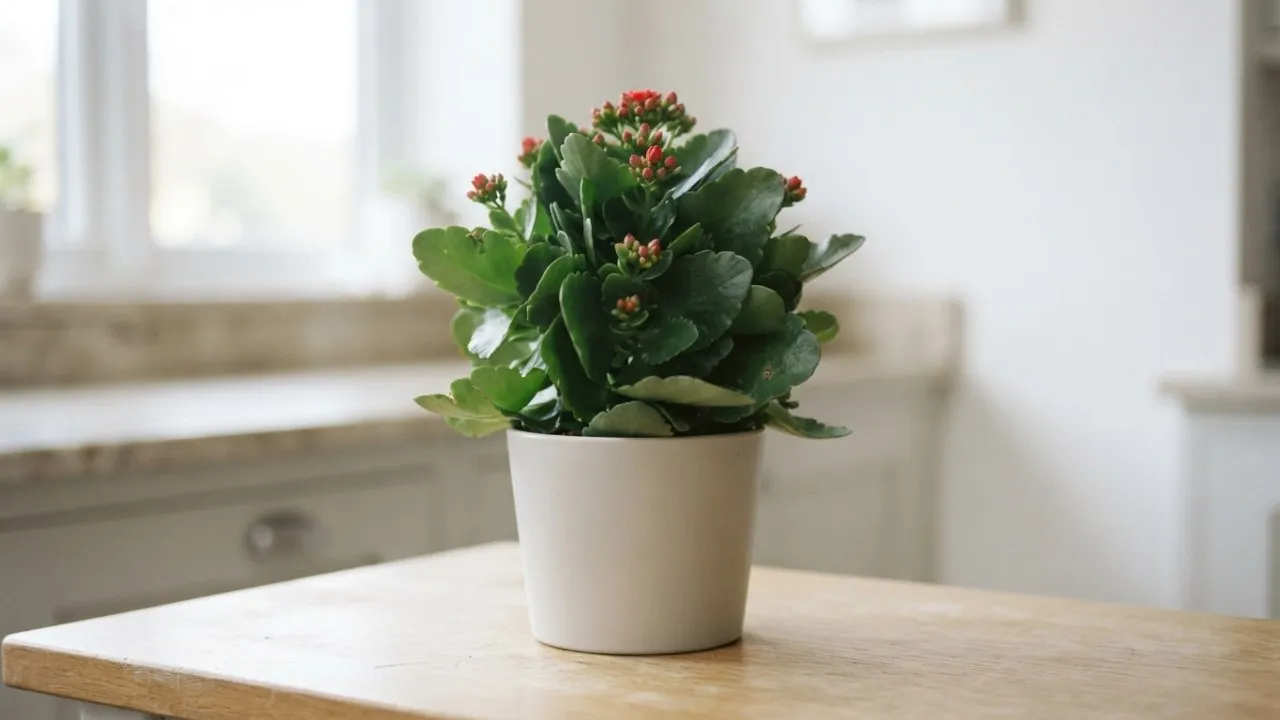
Flaming Katy
Kalanchoe blossfeldiana
A floriferous succulent from Madagascar with clusters of small vivid flowers available in red, pink, yellow, orange, or white.
The essentials at a glance
-
Watering
Every 10 days
-
Light
Bright indirect light
-
Humidity
30–50 %
-
Temperature
12–27 °C


How to care for your Flaming Katy
Everything you need to keep your Flaming Katy healthy: watering, light, humidity, feeding, repotting and pruning.
Kalanchoe blossfeldiana is a compact succulent native to Madagascar, highly popular for its magnificent clusters of small, brightly colored flowers. Its fleshy, dark green, slightly toothed leaves form a cushion of greenery topped with flower bouquets that last several weeks. It is one of the few succulents truly valued for its spectacular and long-lasting bloom. With proper photoperiod treatment, it can be made to rebloom each year.

Watering your Flaming Katy
Every 10 days
Water at the base avoiding wetting the foliage. Allow the substrate to dry between waterings. Reduce in winter and during the floral induction period.
How to know it needs water
- Substrate dry in the top 2–3 cm
- Leaves beginning to soften slightly
- Pot feels light

How much light a Flaming Katy needs
Bright indirect light
Bright indirect light. A few hours of direct morning sun are beneficial. To rebloom, requires 14 hours of darkness daily for 6 weeks.
- Direct sun tolerated
- 1 to 4 h a day
- Orientations that suit it
- East, South-east, South, South-west, West, North-west, North

Humidity and misting
30–50 %
Low to moderate (30–50%). No special humidity requirements. Do not mist. Kalanchoe dislikes moisture on its succulent leaves.

Feeding and fertiliser
Every 14 days
Fertilize fortnightly from spring to autumn. Stop during the floral induction period and in winter.
- Recommended feed
- High-potassium liquid fertilizer for flowering plants during bloom. Balanced fertilizer at other times. · 10-15-10

Repotting your Flaming Katy
Every 12 months
Repot into a light, well-draining succulent substrate. Choose a pot barely larger than the previous one. Do not bury the crown. Wait a few days before watering.
- When
- Spring (after flowering)
- Potting mix
- Cactus and succulent mix
- Mix in
- perlite, coarse sand
The tell-tale signs
- Roots emerging from drainage holes
- Plant becoming unstable in its pot
- Slowed growth despite regular fertilization
- Very compacted and degraded substrate

Pruning your Flaming Katy
After flowering, cut spent flower stalks to encourage branching and new blooms. Cut spent flower stems just above the second pair of leaves. Pinch stem tips for a bushier plant. Remove yellowing or damaged leaves.

Through the year
Watering is not set once and for all: it follows the light and the growth. Allow 18 days between waterings in the depth of winter, against 8 in the growing season.
- 15 J
- 12 F
- 9 M
- 8 A
- 8 M
- 8 J
- 8 J
- 9 A
- 10 S
- 12 O
- 15 N
- 18 D
Active growth · Days between waterings

Toxicity
Toxic to cats and dogs. Ingestion may cause vomiting, diarrhea and, in rare cases, cardiac arrhythmias.

Good to know
- Kalanchoe is a short-day plant: it only blooms when it receives less than 10 hours of light per day for about 6 weeks, mimicking the winter conditions of its native Madagascar.
- Robert Blossfeld, a German botanist and plant breeder, introduced this plant to Europe in the 1930s — the scientific name blossfeldiana is a tribute to him.

Frequently asked questions about the Flaming Katy
How do you care for a Flaming Katy?
Water it every 10 days. Give it bright indirect light. Ideal humidity: 30–50 %. Ideal temperature: 12–27 °C. Water at the base avoiding wetting the foliage. Allow the substrate to dry between waterings. Reduce in winter and during the floral induction period.
How often should you water a Flaming Katy?
Every 10 days Water at the base avoiding wetting the foliage. Allow the substrate to dry between waterings. Reduce in winter and during the floral induction period. How to know it needs water : Substrate dry in the top 2–3 cm ; Leaves beginning to soften slightly ; Pot feels light.
How much light does a Flaming Katy need?
Bright indirect light Bright indirect light. A few hours of direct morning sun are beneficial. To rebloom, requires 14 hours of darkness daily for 6 weeks. 1 to 4 h a day
Is the Flaming Katy toxic to cats and dogs?
Yes. Toxic to cats and dogs. Ingestion may cause vomiting, diarrhea and, in rare cases, cardiac arrhythmias. Keep it out of reach of your pets and call a vet if any is swallowed.
Why are my Flaming Katy leaves turning yellow?
Yellowing most often comes from too much water: the mix stays wet and the roots suffocate. Check that the pot drains, empty the saucer, and let the mix dry before watering again. Too little light or a cold draught cause the same symptom.
When should you repot a Flaming Katy?
Repot every 12 months, ideally in spring (after flowering). Repot into a light, well-draining succulent substrate. Choose a pot barely larger than the previous one. Do not bury the crown. Wait a few days before watering.

At a glance
- Family
- Crassulaceae
- Category
- Flowering
- Placement
- Indoor
- Mature height
- 30 cm
- Growth
- Moderate
- Temperature
- 12–27 °C
- Pot materials
- terracotta, ceramic, plastic
- Growth
- Reaches maturity in 2 years
These figures are for an average plant. In the app they are recalculated for yours, based on your room, its orientation and the season.
And for your plant, in your home?
In the app this plant becomes yours: a watering schedule tuned to your home, health tracking from photos, and reminders at the right moment.
In the same spirit
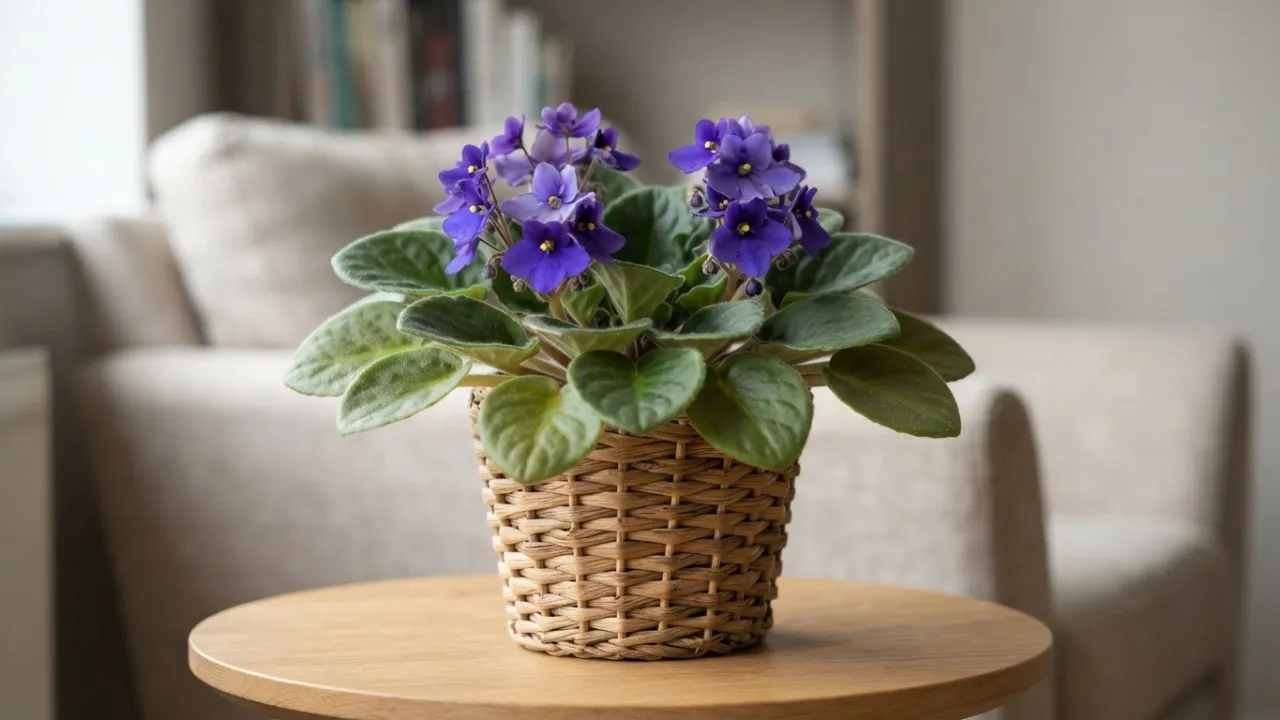 Every 5 days
 African Violet
Saintpaulia ionantha

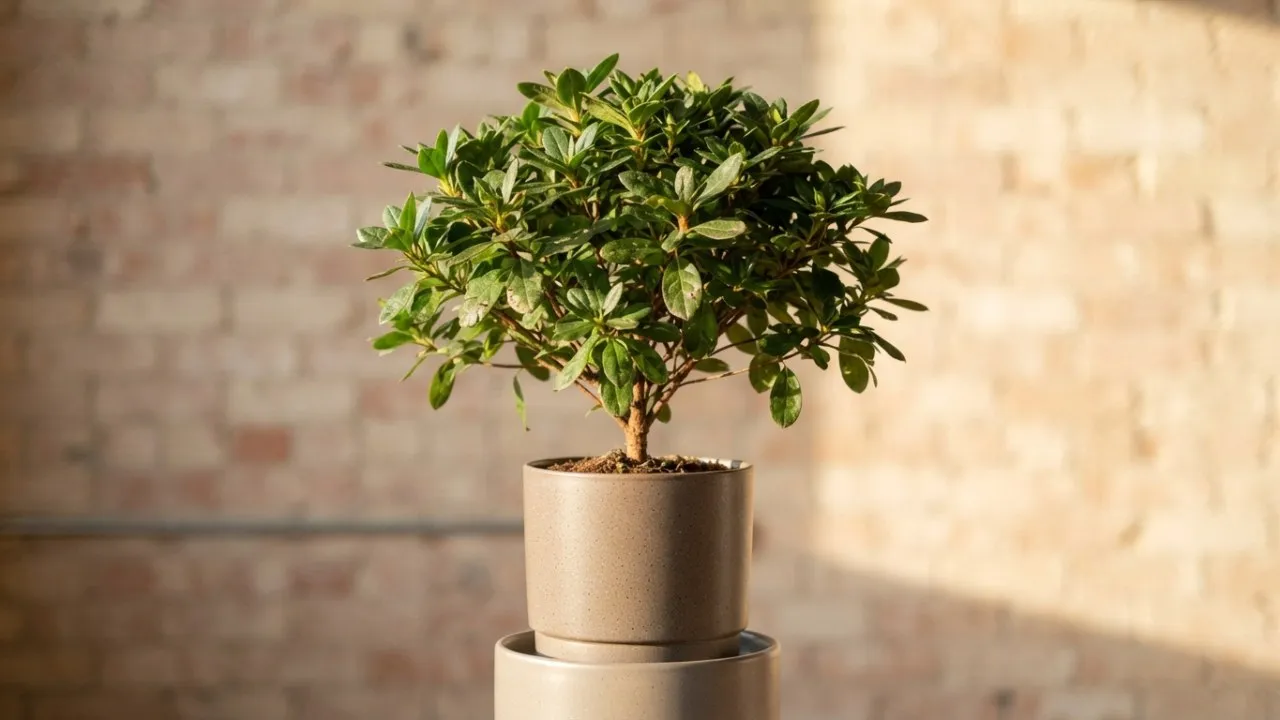 Every 3 days
 Azalea
Rhododendron simsii
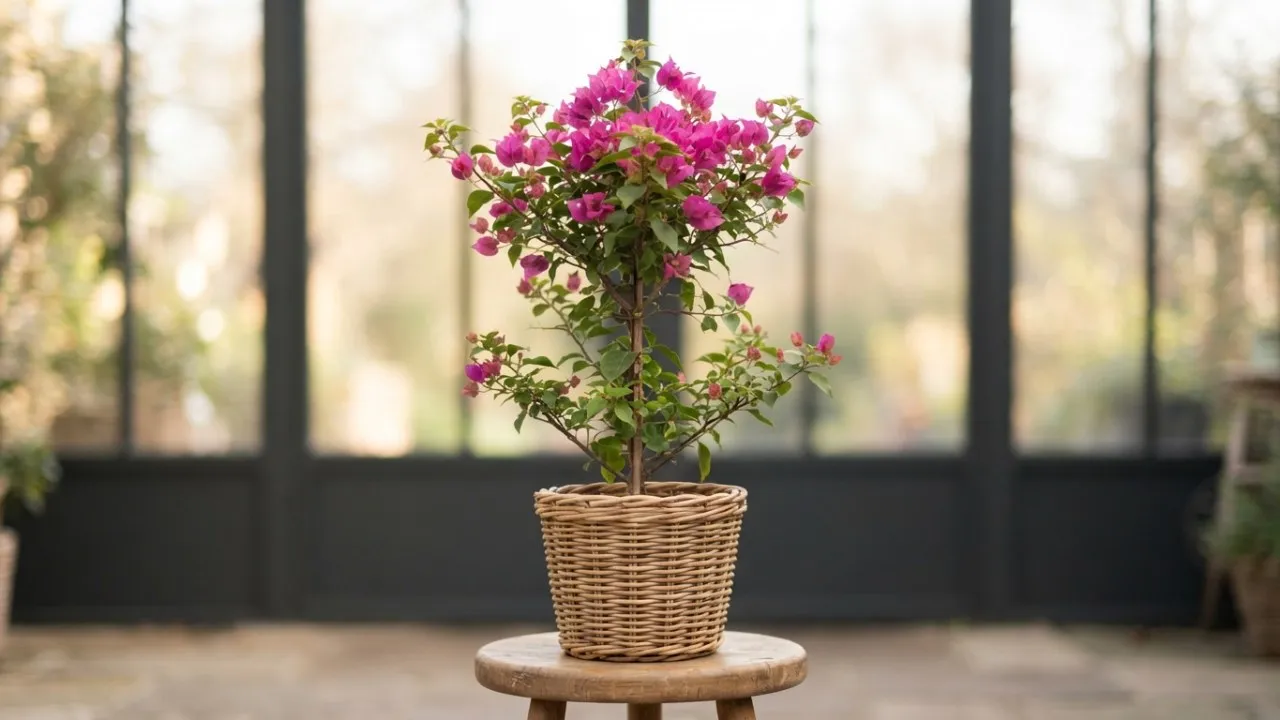 Every 5 days
 Bougainvillea
Bougainvillea glabra
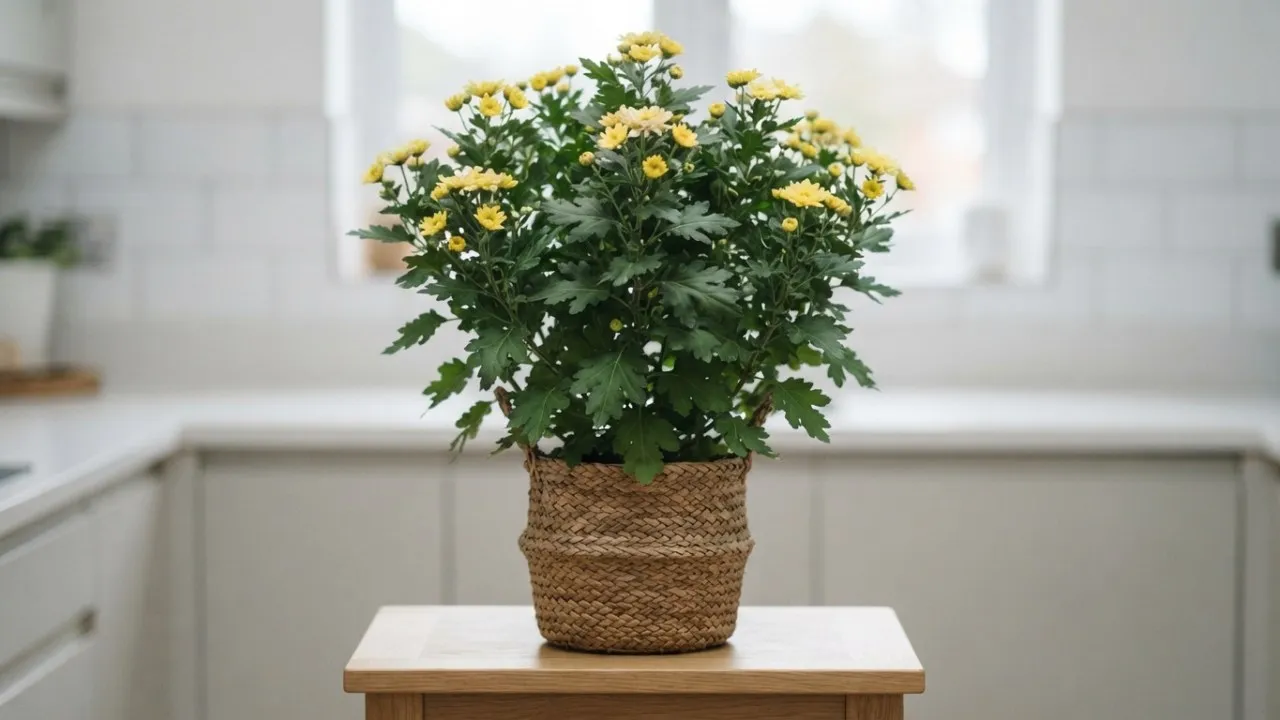 Every 3 days
 Chrysanthemum
Chrysanthemum morifolium