
Tropical · Acanthaceae
Polka Dot Plant
Hypoestes phyllostachya
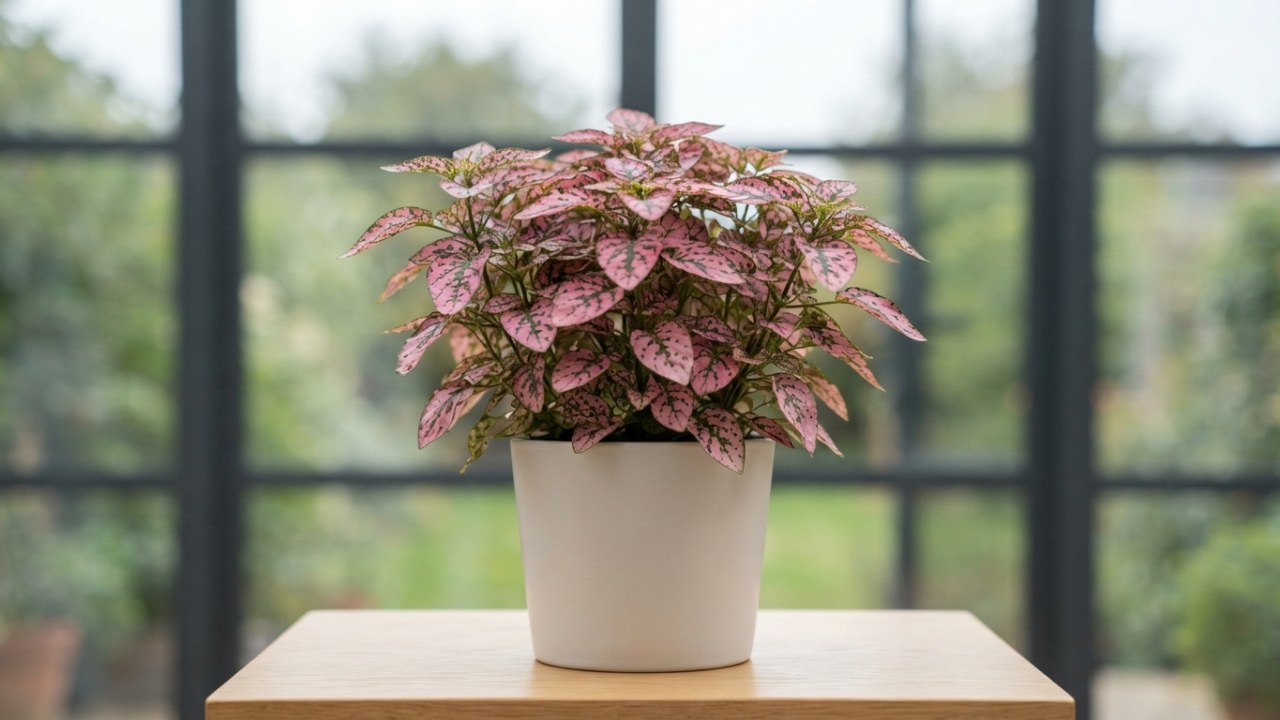
The Polka Dot Plant is a charming tropical plant known for its striking, speckled foliage.
- Every 4 daysWatering
- Bright indirect lightLight
- 50–70 %Humidity
- 18–24 °CTemperature


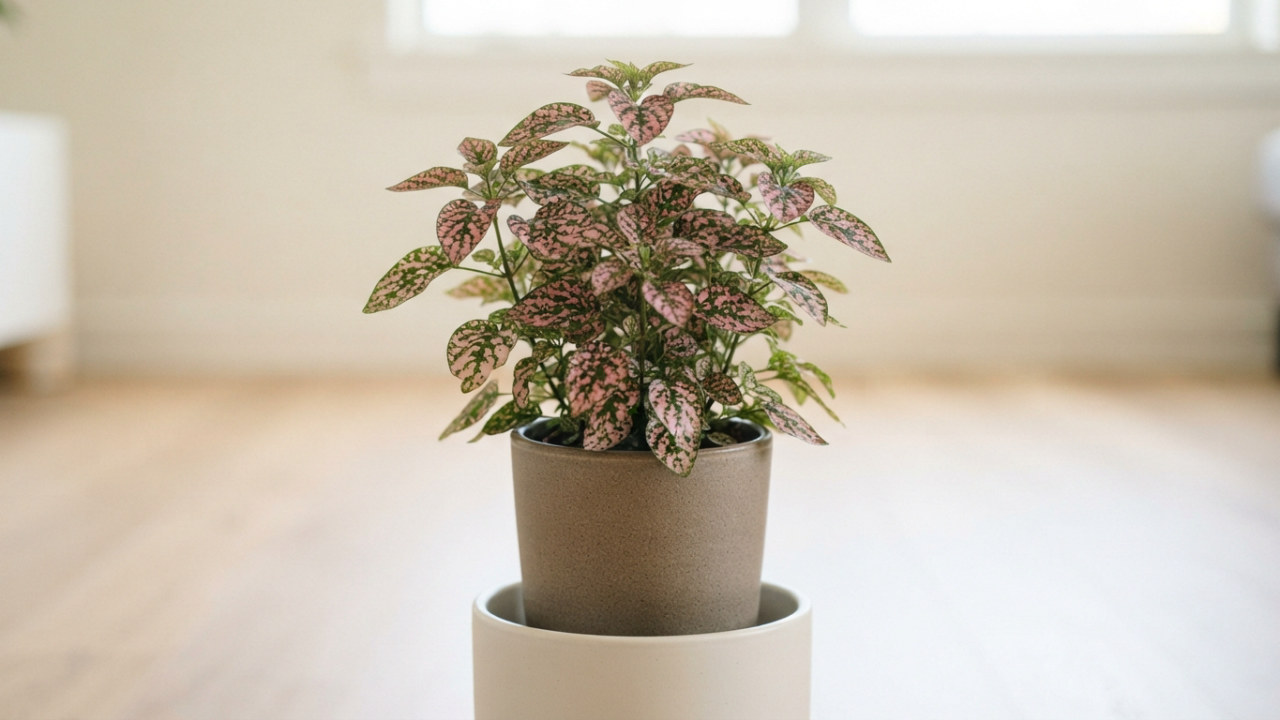
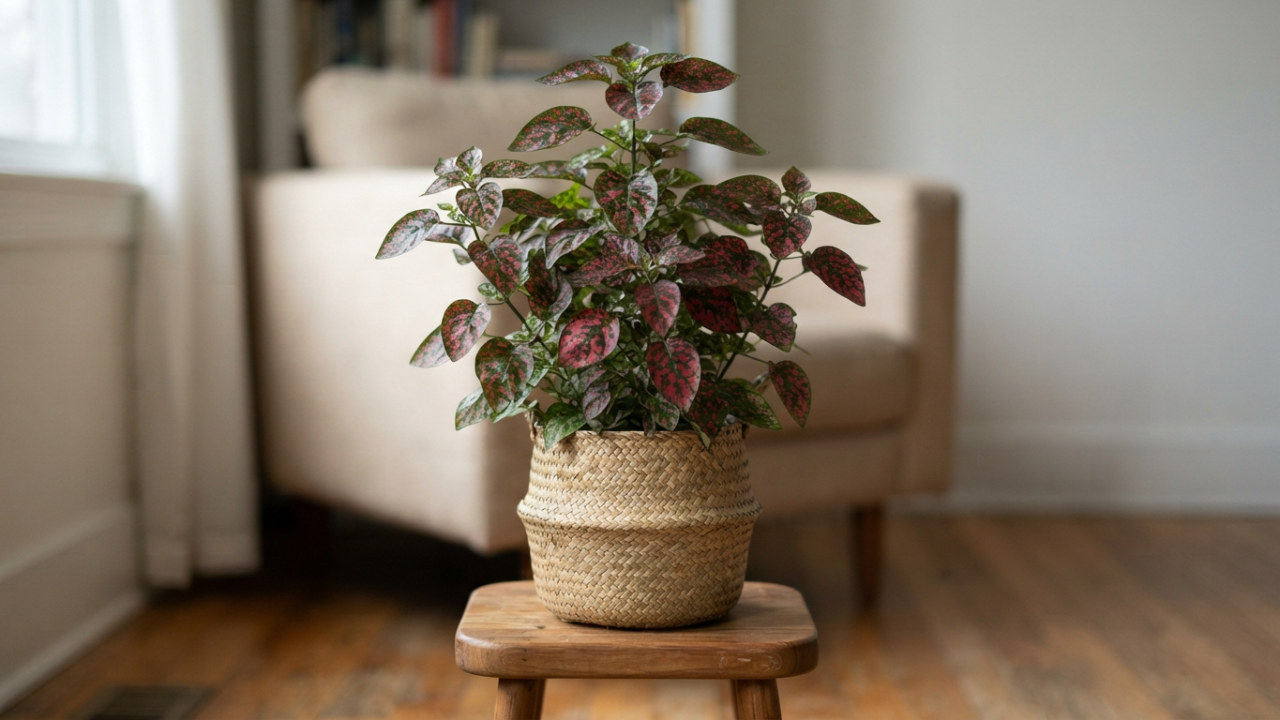
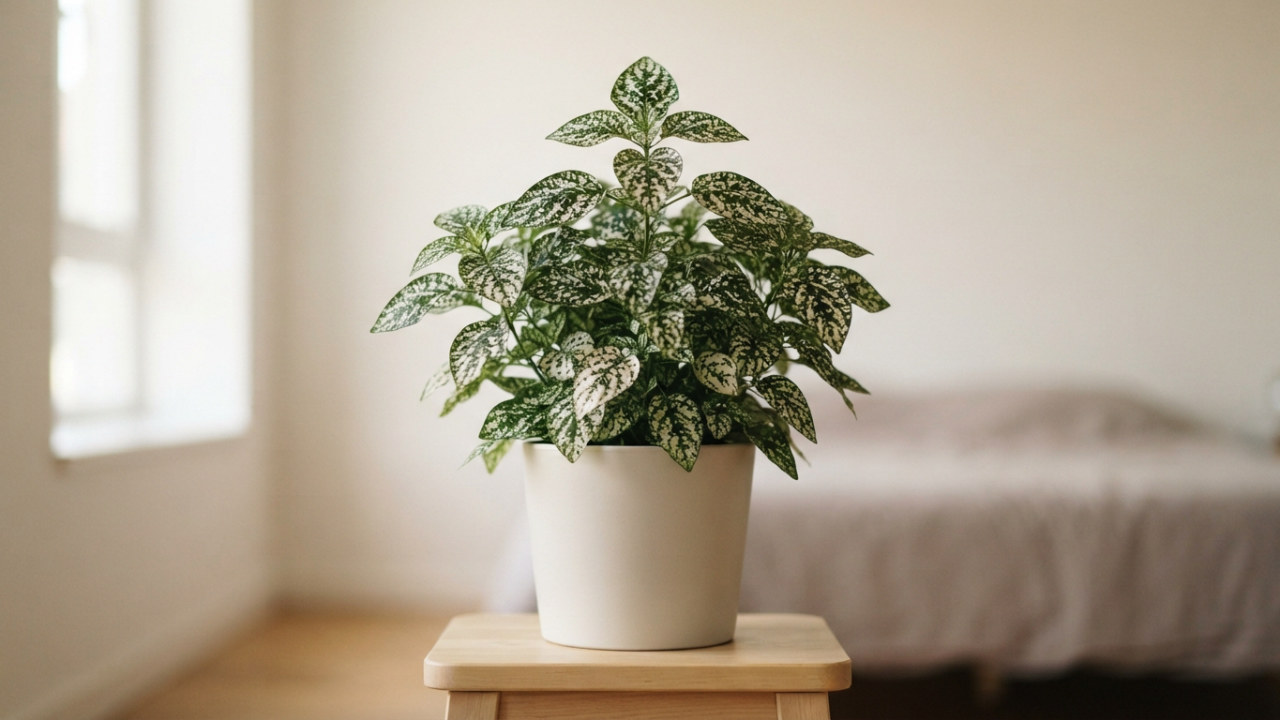
Its varieties 3
How to care for your Polka Dot Plant
Everything you need to keep your Polka Dot Plant healthy: watering, light, humidity, feeding, repotting and pruning.
Hypoestes phyllostachya, commonly known as the Polka Dot Plant, is a popular houseplant celebrated for its distinctive variegated leaves. Native to Madagascar, it features green leaves adorned with splashes of pink, red, or white. It's relatively easy to care for, preferring bright indirect light and high humidity. Regular pruning is key to maintaining its bushy appearance and preventing it from becoming leggy. While often grown as an annual outdoors in temperate climates, it thrives as a perennial houseplant.

How to recognise Polka Dot Plant
A small, soft-stemmed plant with oval, opposite leaves about 3 to 8 cm long, green and freckled with pink, red or white spots, and tiny lilac flowers that are best pinched off. It is often confused with Fittonia, which creeps and has leaves with a net of fine white or pink veins rather than dots, and with coleus, which has toothed, velvety leaves and square stems.

Watering your Polka Dot Plant
Every 4 days
Water thoroughly when the top 2 to 3 cm of soil feel dry to the touch, about every 4 days in the growing season and less often in the cool months. Ensure good drainage and do not let the plant sit in standing water.
How to know it needs water
- Soil dry 2 to 3 cm deep
- Leaves slightly limp
- Pot feels light

How much light a Polka Dot Plant needs
Bright indirect light
Bright indirect light; too little light will cause leggy growth and faded leaf patterns, while too much direct sun can scorch leaves.
- Direct sun tolerated
- 0 to 2 h a day
- Orientations that suit it
- North, North-east, East, North-west

Humidity and misting
50–70 %
Medium to high (50 to 70 %) Mist the foliage about every 4 days, especially in dry rooms, or place the pot on a pebble tray to raise the humidity.

Feeding and fertiliser
Every 28 days
Feed about every 4 weeks from April to September. Do not feed in winter.
- Recommended feed
- Balanced NPK liquid fertilizer · 10-10-10

Repotting your Polka Dot Plant
Every 12 months
Repot every year in spring into a pot 2 to 3 cm larger, using a well-draining general-purpose potting mix.
- When
- Spring
- Potting mix
- All-purpose potting mix
- Mix in
- perlite, coco fibre
The tell-tale signs
- Roots emerging from drainage holes
- Growth has slowed significantly
- Substrate drying out very quickly

Pruning your Polka Dot Plant
Pinch back leggy stems regularly to encourage bushier growth, especially in spring and summer. Use clean scissors or your fingers to pinch off the growing tips just above a leaf node.

Through the year
Watering is not set once and for all: it follows the light and the growth. Allow 7 days between waterings in the depth of winter, against 3 in the growing season.
- 6 J
- 5 F
- 4 M
- 4 A
- 3 M
- 3 J
- 3 J
- 3 A
- 4 S
- 5 O
- 6 N
- 7 D
Active growth · Days between waterings

Good to know
- Its vibrant, spotted leaves give it its common name.
- Native to Madagascar, it thrives in warm, humid conditions.
- Regular pinching is essential to maintain a compact, bushy form.

Frequently asked questions about the Polka Dot Plant
How do you care for a Polka Dot Plant?
Water it every 4 days. Give it bright indirect light. Ideal humidity: 50–70 %. Ideal temperature: 18–24 °C. Water thoroughly when the top 2 to 3 cm of soil feel dry to the touch, about every 4 days in the growing season and less often in the cool months. Ensure good drainage and do not let the plant sit in standing water.
How often should you water a Polka Dot Plant?
Every 4 days Water thoroughly when the top 2 to 3 cm of soil feel dry to the touch, about every 4 days in the growing season and less often in the cool months. Ensure good drainage and do not let the plant sit in standing water. How to know it needs water : Soil dry 2 to 3 cm deep ; Leaves slightly limp ; Pot feels light.
How much light does a Polka Dot Plant need?
Bright indirect light Bright indirect light; too little light will cause leggy growth and faded leaf patterns, while too much direct sun can scorch leaves. 0 to 2 h a day
Is the Polka Dot Plant toxic to cats and dogs?
No, the Polka Dot Plant is not listed as toxic to cats and dogs. That is still no reason to let your pets chew on it.
Why are my Polka Dot Plant leaves turning yellow?
Yellowing most often comes from too much water: the mix stays wet and the roots suffocate. Check that the pot drains, empty the saucer, and let the mix dry before watering again. Too little light or a cold draught cause the same symptom.
When should you repot a Polka Dot Plant?
Repot every 12 months, ideally in spring. Repot every year in spring into a pot 2 to 3 cm larger, using a well-draining general-purpose potting mix.

At a glance
- Family
- Acanthaceae
- Category
- Tropical
- Placement
- Indoor
- Mature height
- 30 cm
- Growth
- Fast
- Temperature
- 18–24 °C
- Pot materials
- ceramic, plastic
- Growth
- Reaches maturity in 1 years
These figures are for an average plant. In the app they are recalculated for yours, based on your room, its orientation and the season.
And for your plant, in your home?
In the app this plant becomes yours: a watering schedule tuned to your home, health tracking from photos, and reminders at the right moment.
In the same spirit
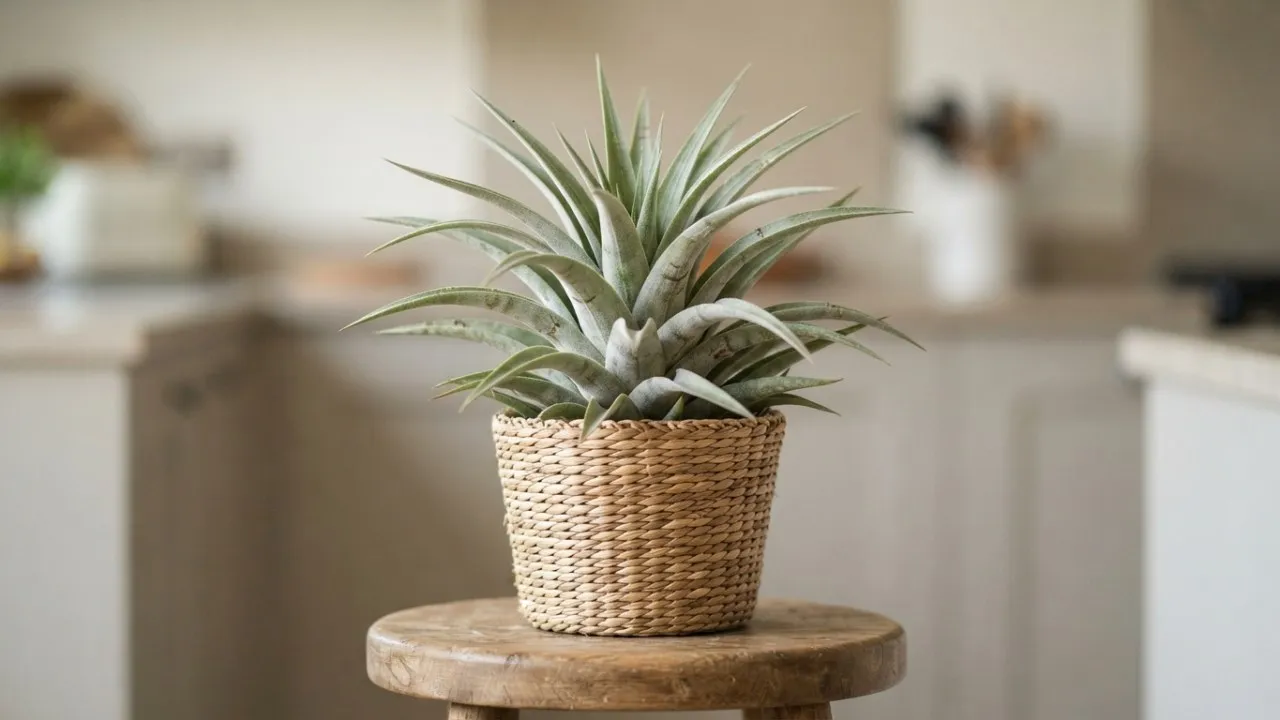 Every 7 days


Air Plant
Tillandsia ionantha

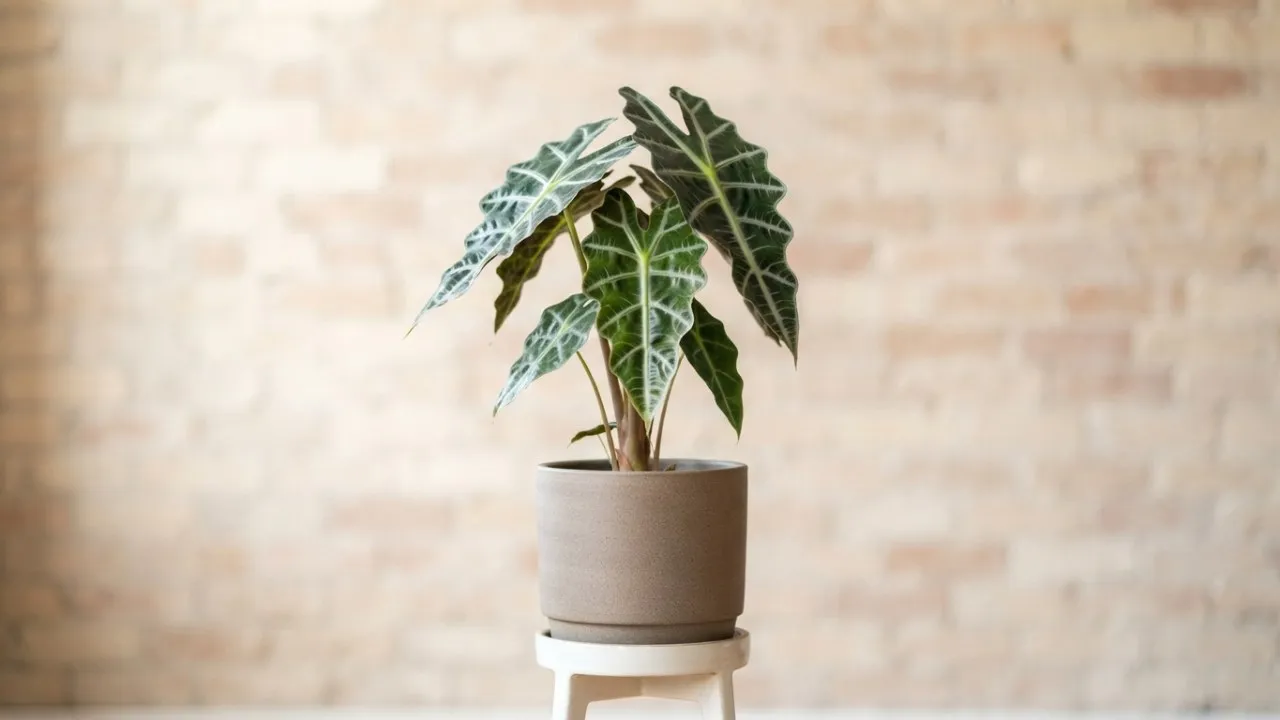 Every 6 days
Alocasia amazonica
Alocasia amazonica
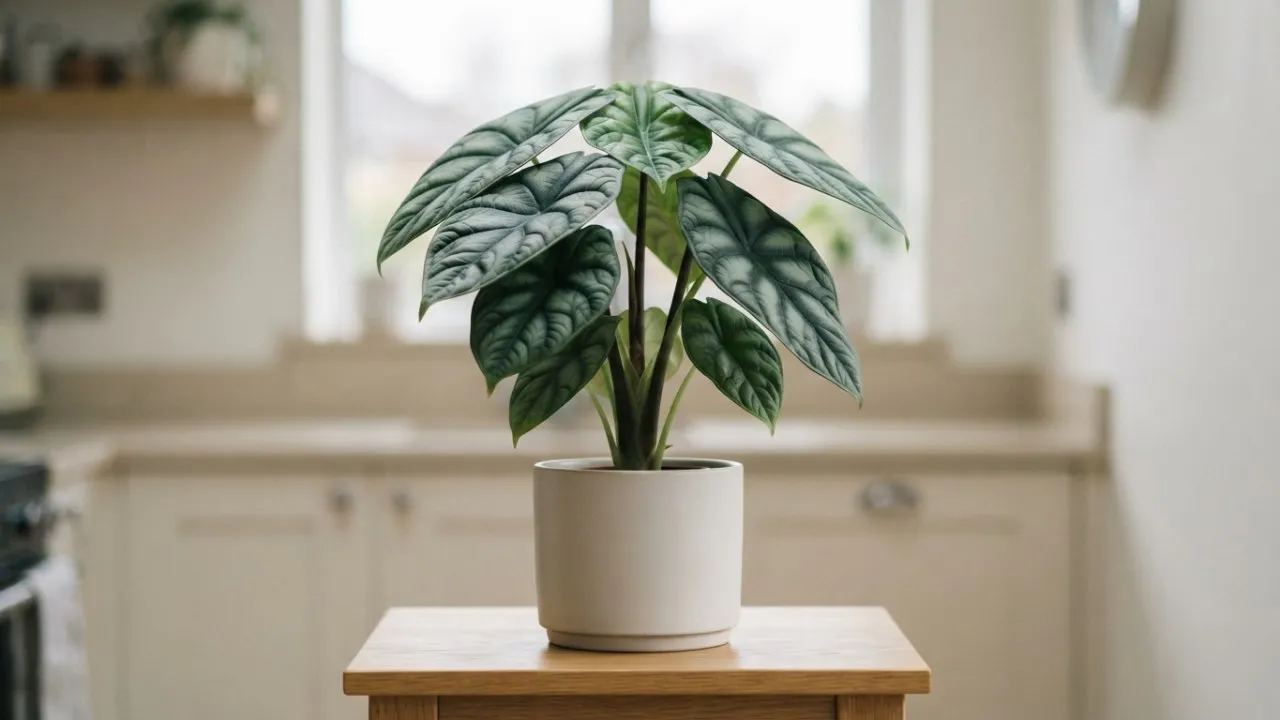 Every 7 days
Alocasia baginda
Alocasia baginda
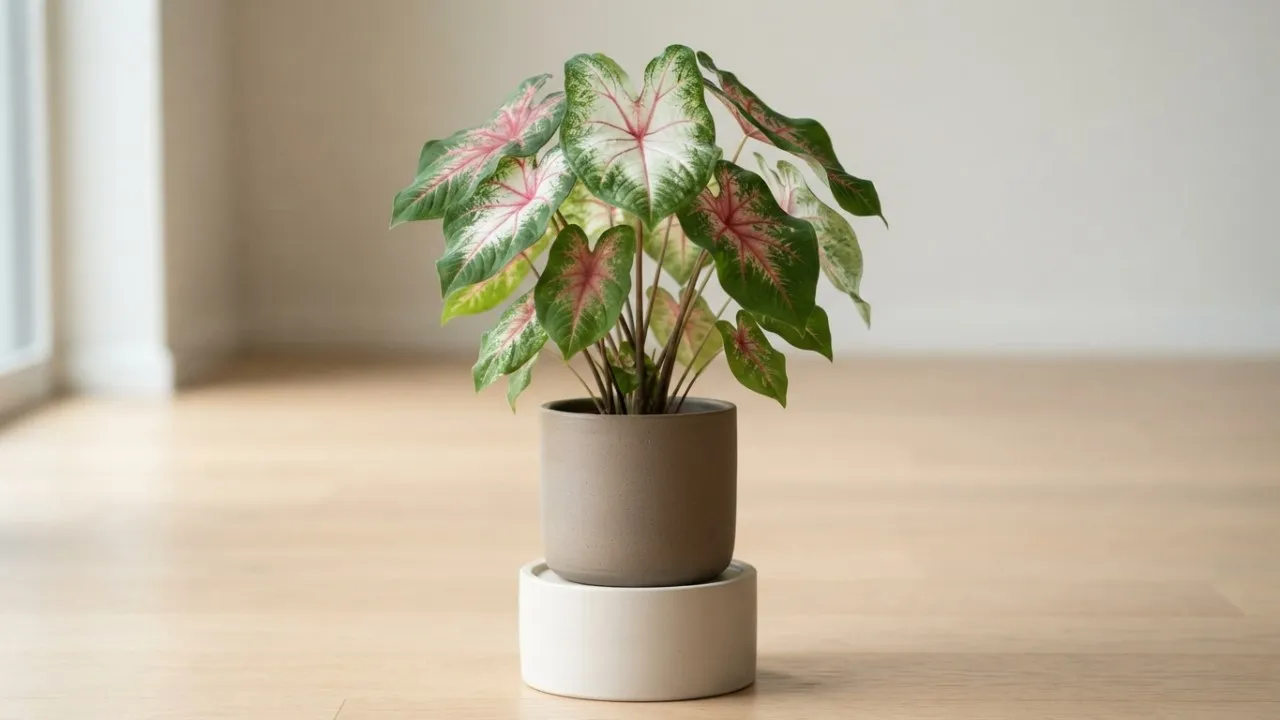 Every 4 days
Angel Wings
Caladium bicolor
