
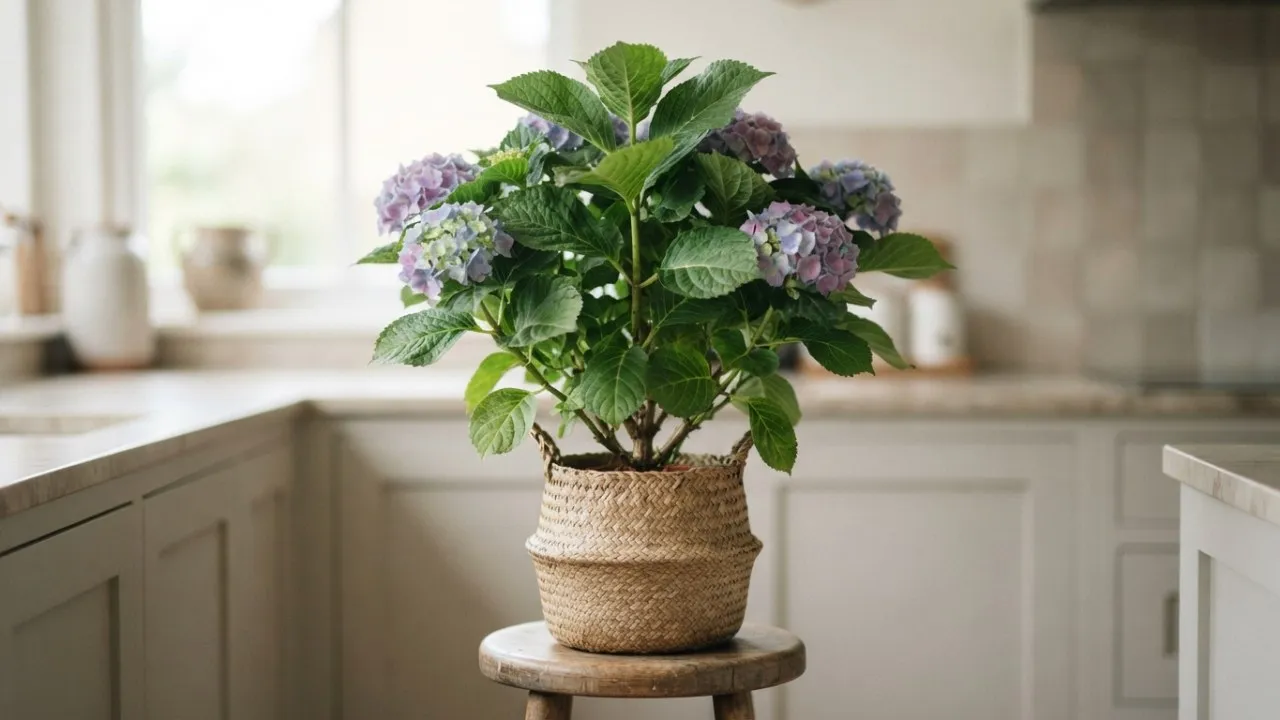
Hydrangea
Hydrangea macrophylla
Hydrangea is a majestic deciduous shrub whose enormous colorful ball-shaped inflorescences brighten shaded gardens throughout summer.
The essentials at a glance
-
Watering
Every 2 days
-
Light
Bright indirect light
-
Humidity
60–80 %
-
Temperature
-10–25 °C


How to care for your Hydrangea
Everything you need to keep your Hydrangea healthy: watering, light, humidity, feeding, repotting and pruning.
Hydrangea macrophylla originates from Japan and was introduced to Europe in the 18th century. Its imposing globular inflorescences can measure up to 25 cm in diameter and display a palette ranging from white to deep blue, through pink and purple. Its fascinating peculiarity is the ability to change color depending on soil pH. It is a shrub that excels in shade and cool soil, ideal for woodland gardens and north-facing facades.

Watering your Hydrangea
Every 2 days
Water copiously and regularly, especially in summer. Hydrangea is extremely thirsty. Apply a mulch at the base to retain moisture.
How to know it needs water
- Leaves and flowers wilted and drooping
- Soil dry at the surface
- Leaf margins browning

How much light a Hydrangea needs
Bright indirect light
Partial shade to dappled light. Direct morning sun is acceptable but avoid the scorching afternoon sun which singes the flowers.
- Direct sun tolerated
- 2 to 4 h a day
- Orientations that suit it
- North, North-east, East, South-east, South, South-west, West, North-west

Humidity and misting
60–80 %
60–80% No misting necessary outdoors. If temporarily kept in a pot indoors, maintain good ambient humidity.

Feeding and fertiliser
Every 30 days
Fertilize in spring at bud break. Soil pH determines colour: acidic soil = blue flowers, alkaline soil = pink flowers. Add crushed slate or aluminium sulphate to increase blueness.
- Recommended feed
- Acidic-soil plant fertilizer in spring. Aluminium sulphate to obtain blue flowers on alkaline soil. · 10-5-10

Repotting your Hydrangea
Every 24 months
Ericaceous compost blended with standard compost. An acidic soil (pH 4.5–5.5) is essential. In the ground, amend with ericaceous compost and acid compost.
- When
- Autumn or early spring
- Potting mix
- Ericaceous compost
- Mix in
- pine bark, coco fibre
The tell-tale signs
- Roots emerging from drainage holes
- Plant drying out very quickly
- Reduced flowering

Pruning your Hydrangea
In late winter (February–March), before buds break. Cut dried flower heads back to the first pair of well-formed buds. Remove dead wood and the oldest stems at the base to renew the shrub (one third of stems each year).

Through the year
Watering is not set once and for all: it follows the light and the growth. Allow 4 days between waterings in the depth of winter, against 1 in the growing season.
- 4 J
- 3 F
- 2 M
- 2 A
- 1 M
- 1 J
- 1 J
- 2 A
- 2 S
- 2 O
- 3 N
- 4 D
Active growth · Days between waterings

Toxicity
All parts are toxic to animals and humans. Contains cyanogenic glycosides that can cause nausea, vomiting, and diarrhoea.

Good to know
- Hydrangea can change its flower color depending on soil acidity: it turns blue in acidic soil and pink in alkaline soil due to aluminium absorption.
- Its Latin name Hydrangea means 'water vessel' in Greek, referring to the shape of its seed capsules and its legendary thirst.

Frequently asked questions about the Hydrangea
How do you care for a Hydrangea?
Water it every 2 days. Give it bright indirect light. Ideal humidity: 60–80 %. Ideal temperature: -10–25 °C. Water copiously and regularly, especially in summer. Hydrangea is extremely thirsty. Apply a mulch at the base to retain moisture.
How often should you water a Hydrangea?
Every 2 days Water copiously and regularly, especially in summer. Hydrangea is extremely thirsty. Apply a mulch at the base to retain moisture. How to know it needs water : Leaves and flowers wilted and drooping ; Soil dry at the surface ; Leaf margins browning.
How much light does a Hydrangea need?
Bright indirect light Partial shade to dappled light. Direct morning sun is acceptable but avoid the scorching afternoon sun which singes the flowers. 2 to 4 h a day
Is the Hydrangea toxic to cats and dogs?
Yes. All parts are toxic to animals and humans. Contains cyanogenic glycosides that can cause nausea, vomiting, and diarrhoea. Keep it out of reach of your pets and call a vet if any is swallowed.
Why are my Hydrangea leaves turning yellow?
Yellowing most often comes from too much water: the mix stays wet and the roots suffocate. Check that the pot drains, empty the saucer, and let the mix dry before watering again. Too little light or a cold draught cause the same symptom.
When should you repot a Hydrangea?
Repot every 24 months, ideally in autumn or early spring. Ericaceous compost blended with standard compost. An acidic soil (pH 4.5–5.5) is essential. In the ground, amend with ericaceous compost and acid compost.

At a glance
- Family
- Hydrangeaceae
- Category
- Flowering
- Placement
- Outdoor
- Mature height
- 1.5 m
- Growth
- Moderate
- Temperature
- -10–25 °C
- Pot materials
- terracotta, ceramic, plastic
- Growth
- Reaches maturity in 5 years
These figures are for an average plant. In the app they are recalculated for yours, based on your room, its orientation and the season.
And for your plant, in your home?
In the app this plant becomes yours: a watering schedule tuned to your home, health tracking from photos, and reminders at the right moment.
In the same spirit
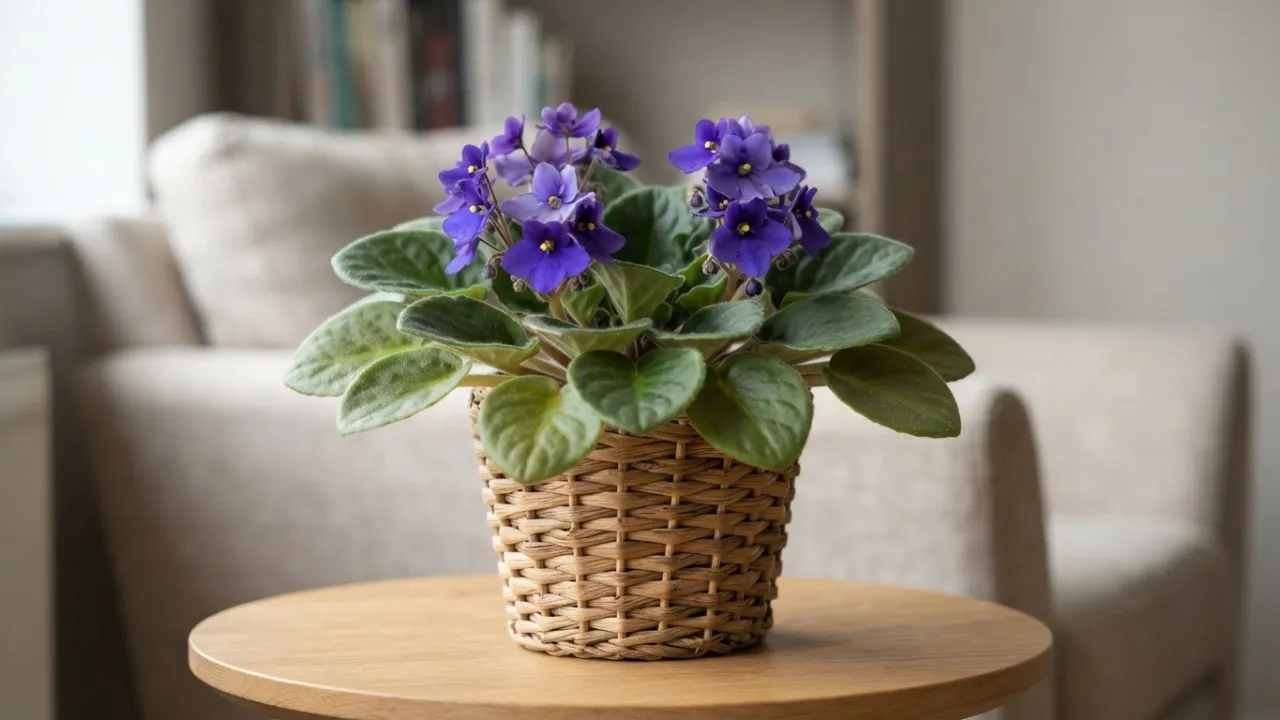 Every 5 days
 African Violet
Saintpaulia ionantha

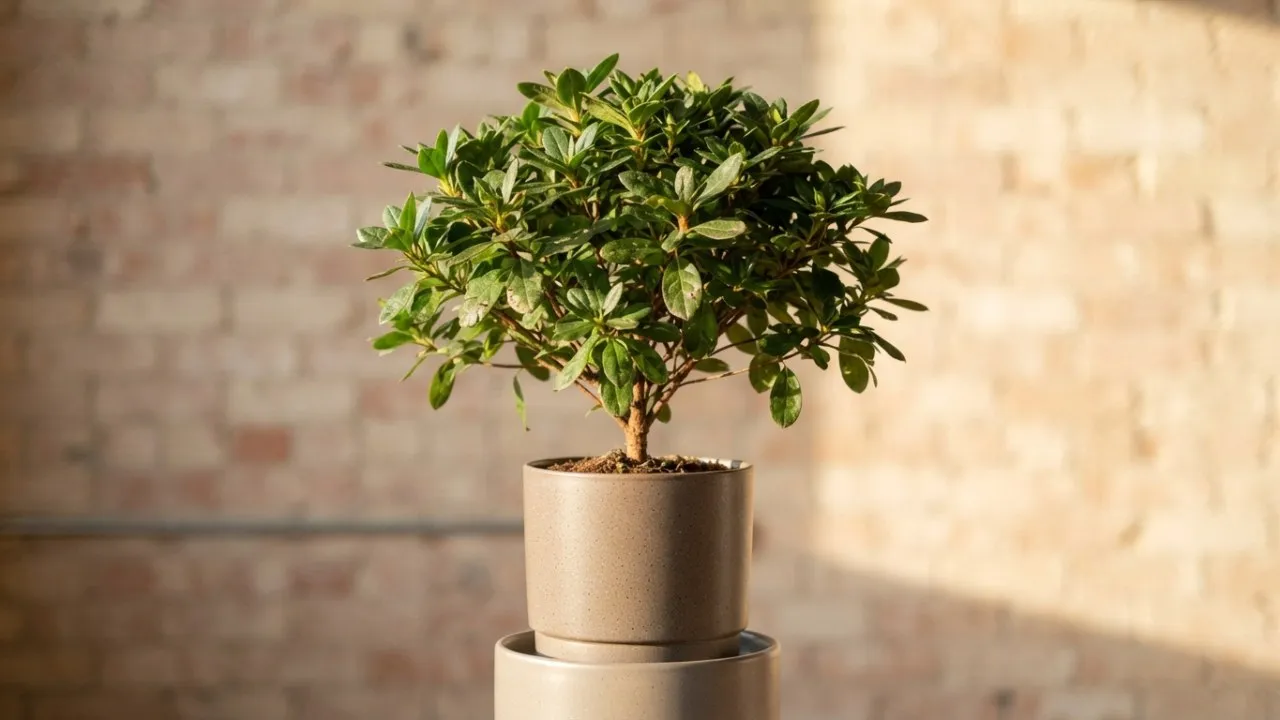 Every 3 days
 Azalea
Rhododendron simsii
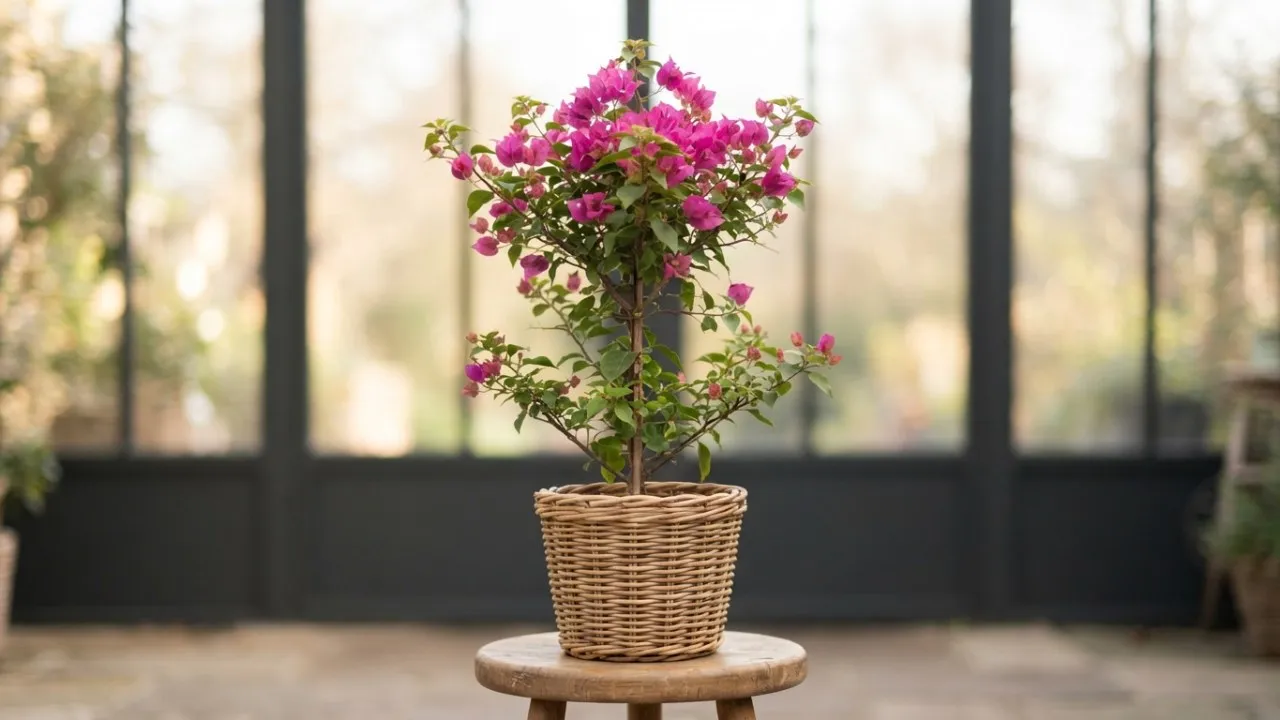 Every 5 days
 Bougainvillea
Bougainvillea glabra
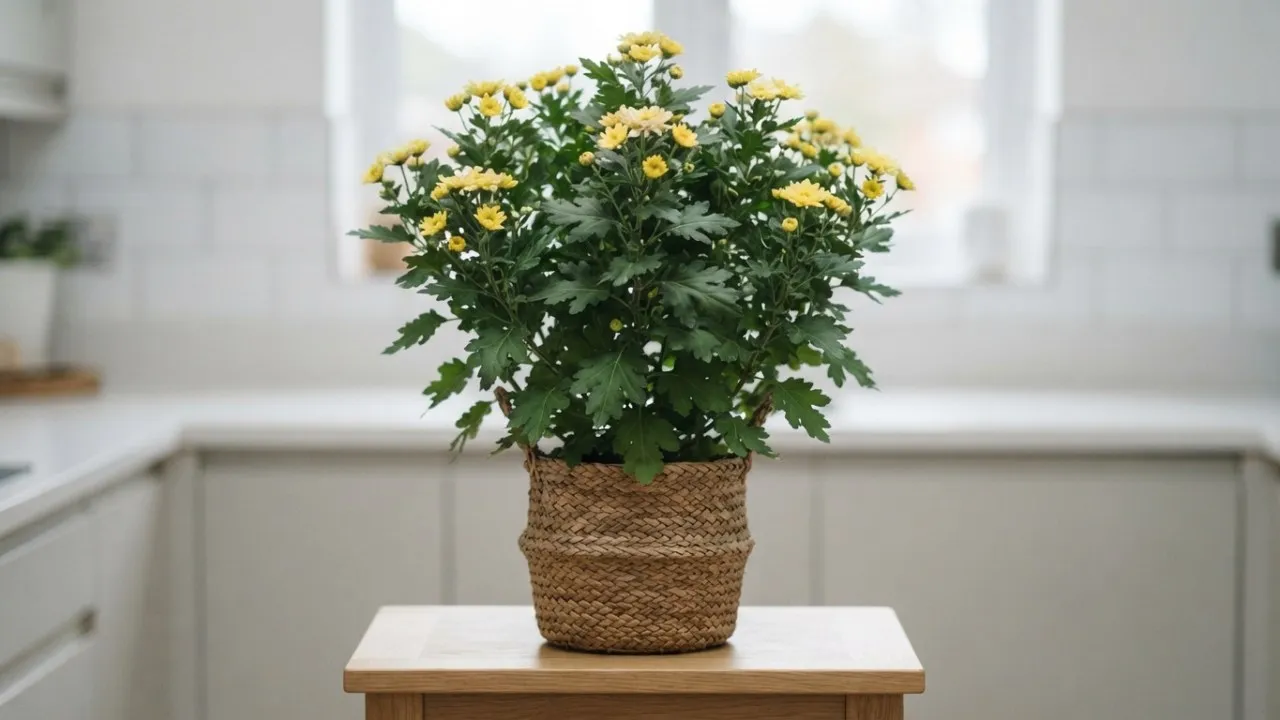 Every 3 days
 Chrysanthemum
Chrysanthemum morifolium