
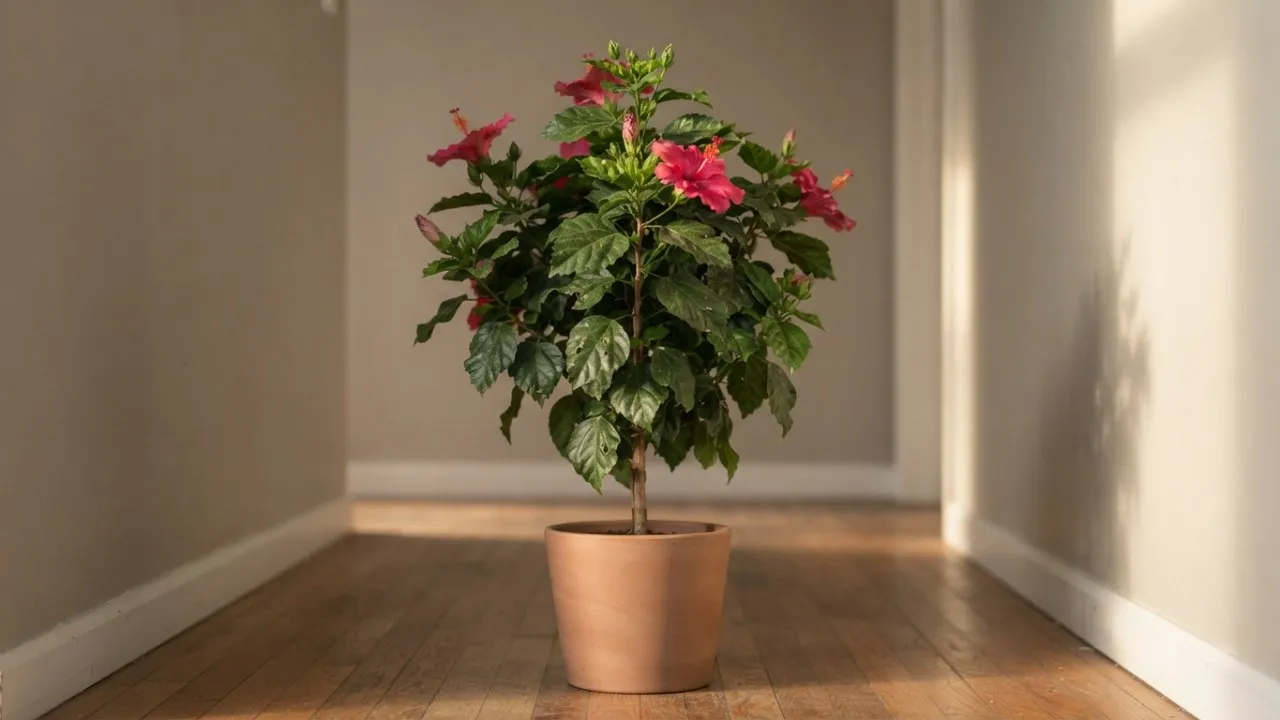
Hibiscus
Hibiscus rosa-sinensis
Hibiscus is a generous tropical shrub that produces spectacular ephemeral flowers in vibrant colors throughout summer.
The essentials at a glance
-
Watering
Every 3 days
-
Light
Full sun
-
Humidity
50–70 %
-
Temperature
15–32 °C


How to care for your Hibiscus
Everything you need to keep your Hibiscus healthy: watering, light, humidity, feeding, repotting and pruning.
Hibiscus rosa-sinensis, or Chinese Rose, is a shrub native to tropical Asia that has become iconic in Mediterranean and tropical gardens worldwide. Its large funnel-shaped flowers, available in an endless palette of colors, open in the morning and fade by evening, replaced by new ones the next day. In summer, it can be placed on a sunny balcony or terrace, which it greatly appreciates. It is a vigorous plant that responds beautifully to regular fertilization and annual pruning.

Watering your Hibiscus
Every 3 days
Water thoroughly during the growing season to keep the substrate moist. Reduce in winter. Never leave the pot standing in a saucer of stagnant water.
How to know it needs water
- Topsoil dry 2–3 cm down
- Leaves beginning to droop
- Flower buds dropping prematurely

How much light a Hibiscus needs
Full sun
Full sun to bright light. At least 6 hours of direct sunlight daily for prolific flowering.
- Direct sun tolerated
- 6 to 10 h a day
- Orientations that suit it
- South, South-east, South-west, East, West

Humidity and misting
50–70 %
50–70% Mist regularly, especially indoors in heated rooms. Hibiscus appreciates ambient humidity but tolerates drier conditions than many tropicals.

Feeding and fertiliser
Every 7 days
Fertilize weekly during active growth (April–September). Reduce to once a month in autumn. Stop in winter.
- Recommended feed
- Liquid fertilizer high in potassium (NPK 10-10-20) to promote flowering. A hibiscus-specific formula is ideal. · 10-5-15

Repotting your Hibiscus
Every 12 months
Use rich, well-draining compost. Add compost and perlite. Move up one pot size at each repotting. Root-prune lightly if necessary.
- When
- Early spring, before new growth resumes
- Potting mix
- All-purpose potting mix
- Mix in
- perlite, coco fibre
The tell-tale signs
- Roots emerging from drainage holes
- Reduced flowering despite good fertilization
- Water running straight through without being absorbed

Pruning your Hibiscus
In late winter or early spring, before growth resumes. Cut back by a third to a half to maintain a compact, bushy habit. Flowers form on new-season wood, so pruning stimulates flowering.

Through the year
Watering is not set once and for all: it follows the light and the growth. Allow 5 days between waterings in the depth of winter, against 2 in the growing season.
- 5 J
- 4 F
- 3 M
- 2 A
- 2 M
- 2 J
- 2 J
- 2 A
- 3 S
- 3 O
- 4 N
- 5 D
Active growth · Days between waterings

Good to know
- Hibiscus is the national flower of Malaysia and appears on the country's banknotes and coins.
- Each Hibiscus flower lasts only one day, but the plant continuously produces new ones throughout the growing season.

Frequently asked questions about the Hibiscus
How do you care for a Hibiscus?
Water it every 3 days. Give it full sun. Ideal humidity: 50–70 %. Ideal temperature: 15–32 °C. Water thoroughly during the growing season to keep the substrate moist. Reduce in winter. Never leave the pot standing in a saucer of stagnant water.
How often should you water a Hibiscus?
Every 3 days Water thoroughly during the growing season to keep the substrate moist. Reduce in winter. Never leave the pot standing in a saucer of stagnant water. How to know it needs water : Topsoil dry 2–3 cm down ; Leaves beginning to droop ; Flower buds dropping prematurely.
How much light does a Hibiscus need?
Full sun Full sun to bright light. At least 6 hours of direct sunlight daily for prolific flowering. 6 to 10 h a day
Is the Hibiscus toxic to cats and dogs?
No, the Hibiscus is not listed as toxic to cats and dogs. That is still no reason to let your pets chew on it.
Why are my Hibiscus leaves turning yellow?
Yellowing most often comes from too much water: the mix stays wet and the roots suffocate. Check that the pot drains, empty the saucer, and let the mix dry before watering again. Too little light or a cold draught cause the same symptom.
When should you repot a Hibiscus?
Repot every 12 months, ideally in early spring, before new growth resumes. Use rich, well-draining compost. Add compost and perlite. Move up one pot size at each repotting. Root-prune lightly if necessary.

At a glance
- Family
- Malvaceae
- Category
- Flowering
- Placement
- Indoor and outdoor
- Mature height
- 2 m
- Growth
- Fast
- Temperature
- 15–32 °C
- Pot materials
- terracotta, ceramic, plastic
- Growth
- Reaches maturity in 5 years
These figures are for an average plant. In the app they are recalculated for yours, based on your room, its orientation and the season.
And for your plant, in your home?
In the app this plant becomes yours: a watering schedule tuned to your home, health tracking from photos, and reminders at the right moment.
In the same spirit
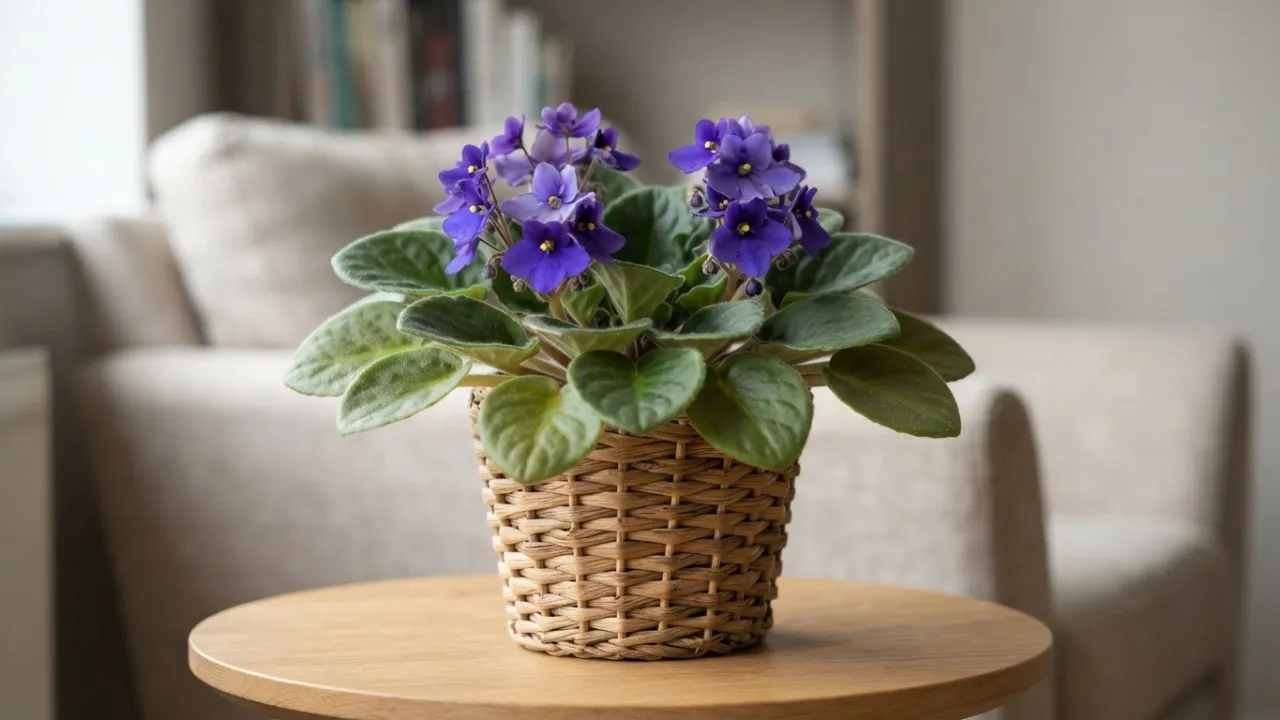 Every 5 days
 African Violet
Saintpaulia ionantha

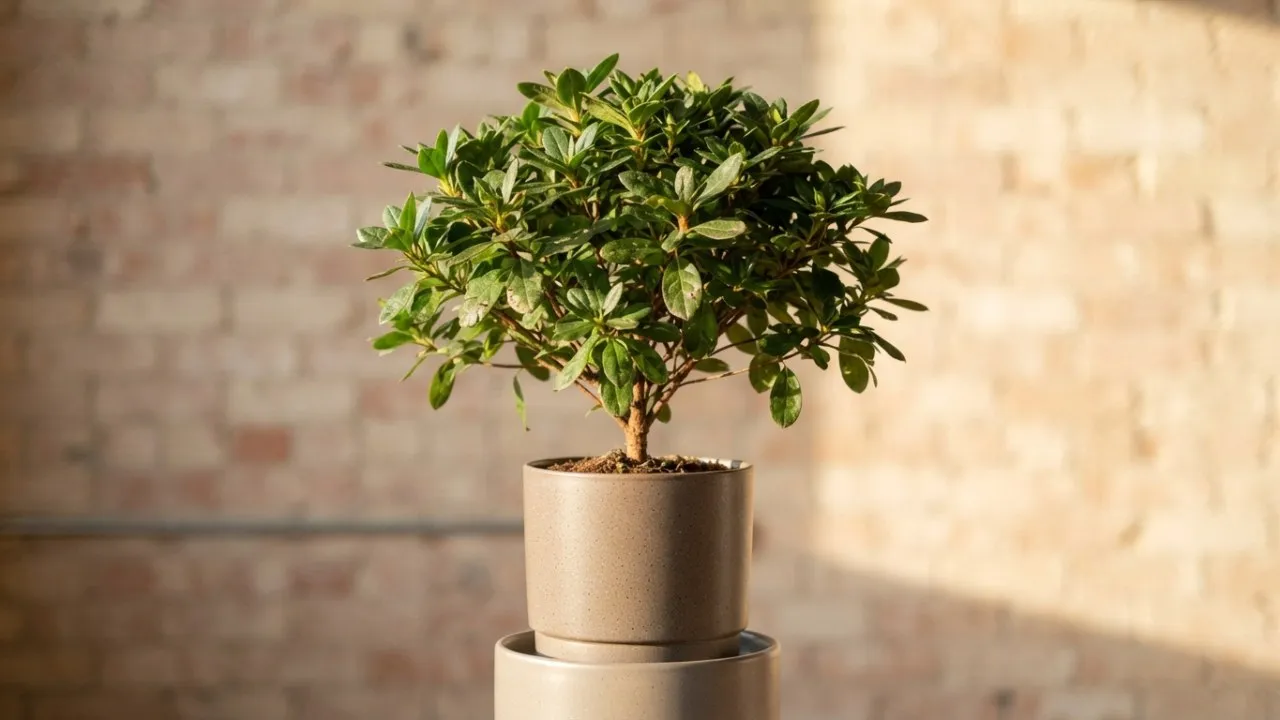 Every 3 days
 Azalea
Rhododendron simsii
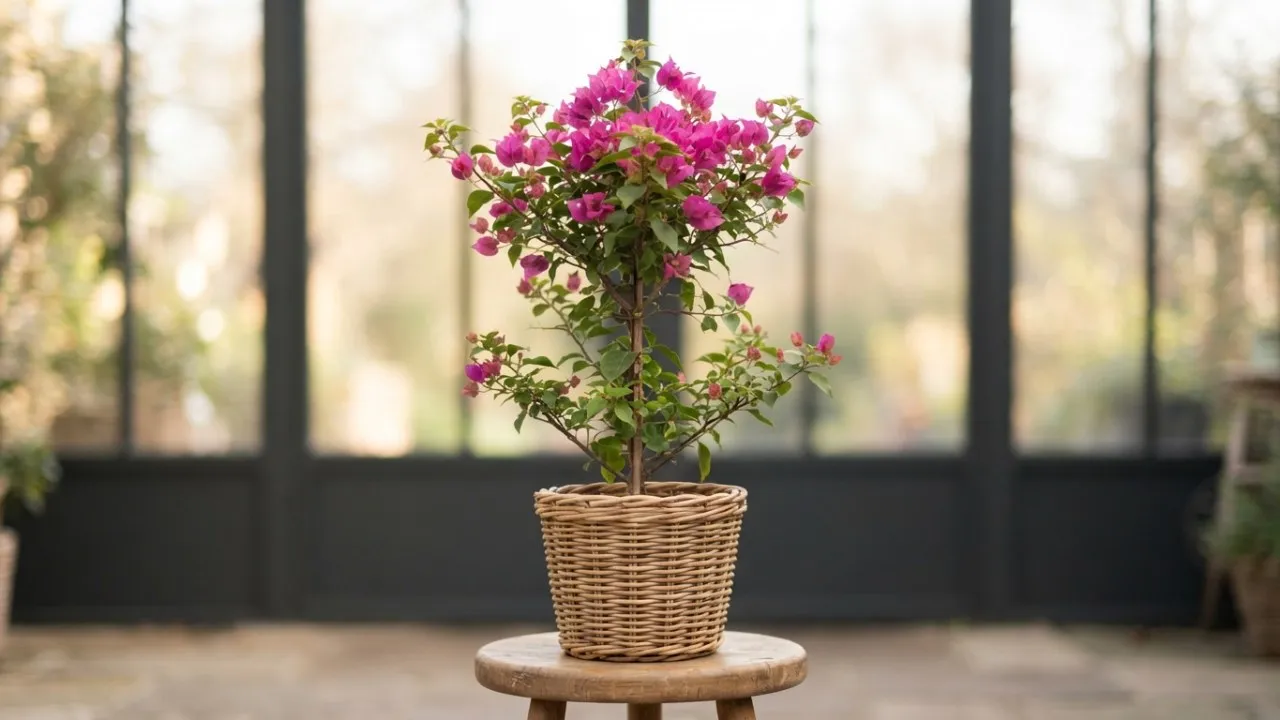 Every 5 days
 Bougainvillea
Bougainvillea glabra
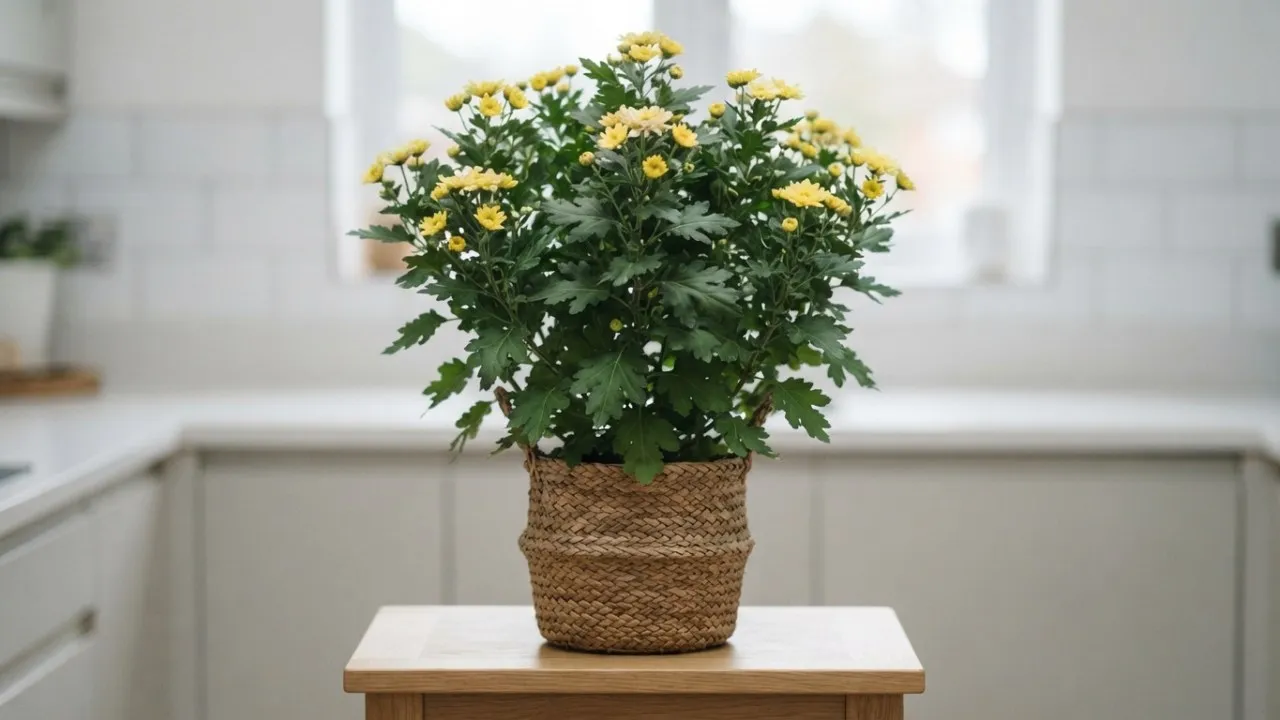 Every 3 days
 Chrysanthemum
Chrysanthemum morifolium