
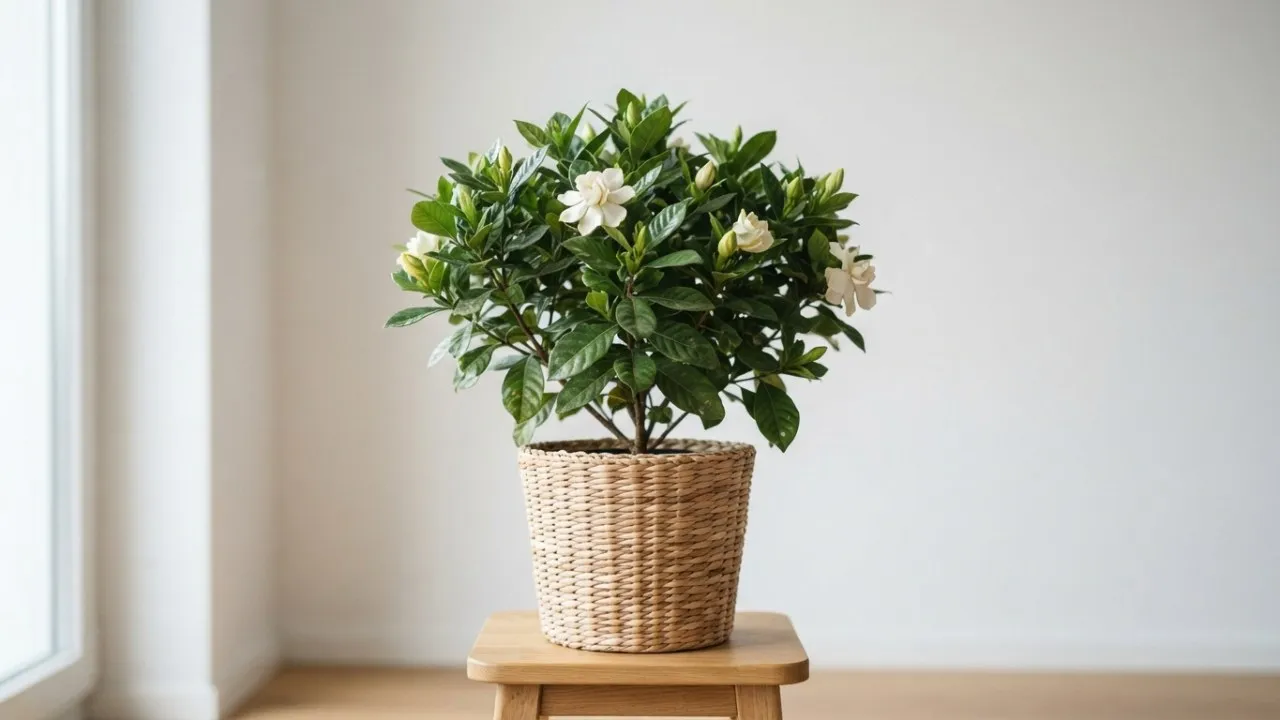
Gardenia
Gardenia jasminoides
Gardenia enchants with its waxy white flowers and intoxicating fragrance, considered one of the most beautiful in the entire plant kingdom.
The essentials at a glance
-
Watering
Every 4 days
-
Light
Bright indirect light
-
Humidity
60–80 %
-
Temperature
16–24 °C


How to care for your Gardenia
Everything you need to keep your Gardenia healthy: watering, light, humidity, feeding, repotting and pruning.
Gardenia jasminoides originates from the subtropical regions of East Asia, mainly China and Japan. Its immaculate white flowers with a waxy texture release a sweet, heady fragrance that fills an entire room. It is a notoriously demanding plant that requires high humidity, acidic soil, and lime-free water to thrive. Despite its reputation as a difficult plant, the efforts are amply rewarded with spectacular and fragrant blooming from spring to summer.

Watering your Gardenia
Every 4 days
Water with lime-free water (rainwater is ideal) to keep the substrate evenly moist. Gardenia is very sensitive to hard water, which causes leaf yellowing.
How to know it needs water
- Surface of the compost begins to dry
- Leaves lose their glossiness
- Flower buds begin to drop (sign of water stress)

How much light a Gardenia needs
Bright indirect light
Bright indirect light. A few hours of direct morning sun are beneficial. Avoid the scorching afternoon sun.
- Direct sun tolerated
- 1 to 3 h a day
- Orientations that suit it
- East, North-east, North, North-west, West, South-east, South

Humidity and misting
60–80 %
60–80% Mist daily with lime-free water. Avoid wetting the flowers, which brown on contact with water. Use a humidity tray.

Feeding and fertiliser
Every 14 days
Fertilize regularly from spring to autumn. Apply chelated iron for chlorosis (leaf yellowing). Stop in winter.
- Recommended feed
- Acidic-soil plant fertilizer (for rhododendrons, azaleas) rich in iron. NPK 30-10-10 in spring. · 2-1-2

Repotting your Gardenia
Every 24 months
Use an ericaceous (acid) compost for lime-hating plants (pH 5–6). Add perlite for drainage. Do not bury the root collar.
- When
- Spring, after the main flush of flowering
- Potting mix
- Ericaceous compost
- Mix in
- pine bark, perlite, sphagnum moss
The tell-tale signs
- Roots emerging from drainage holes
- Plant drying out very quickly between waterings
- Growth slowing despite good fertilization

Pruning your Gardenia
After the main flowering flush, in late summer. Prune lightly to maintain a compact shape. Pinch new shoots to encourage bushy growth. Do not prune after September as flower buds set in autumn.

Through the year
Watering is not set once and for all: it follows the light and the growth. Allow 5 days between waterings in the depth of winter, against 3 in the growing season.
- 5 J
- 4 F
- 4 M
- 3 A
- 3 M
- 3 J
- 3 J
- 3 A
- 4 S
- 4 O
- 4 N
- 5 D
Active growth · Days between waterings

Good to know
- The captivating fragrance of Gardenia is one of the most used in luxury perfumery and is found in many famous perfumes.
- In China, Gardenia has been cultivated for over a thousand years and its fruits are used as a natural yellow food colouring.

Frequently asked questions about the Gardenia
How do you care for a Gardenia?
Water it every 4 days. Give it bright indirect light. Ideal humidity: 60–80 %. Ideal temperature: 16–24 °C. Water with lime-free water (rainwater is ideal) to keep the substrate evenly moist. Gardenia is very sensitive to hard water, which causes leaf yellowing.
How often should you water a Gardenia?
Every 4 days Water with lime-free water (rainwater is ideal) to keep the substrate evenly moist. Gardenia is very sensitive to hard water, which causes leaf yellowing. How to know it needs water : Surface of the compost begins to dry ; Leaves lose their glossiness ; Flower buds begin to drop (sign of water stress).
How much light does a Gardenia need?
Bright indirect light Bright indirect light. A few hours of direct morning sun are beneficial. Avoid the scorching afternoon sun. 1 to 3 h a day
Is the Gardenia toxic to cats and dogs?
No, the Gardenia is not listed as toxic to cats and dogs. That is still no reason to let your pets chew on it.
Why are my Gardenia leaves turning yellow?
Yellowing most often comes from too much water: the mix stays wet and the roots suffocate. Check that the pot drains, empty the saucer, and let the mix dry before watering again. Too little light or a cold draught cause the same symptom.
When should you repot a Gardenia?
Repot every 24 months, ideally in spring, after the main flush of flowering. Use an ericaceous (acid) compost for lime-hating plants (pH 5–6). Add perlite for drainage. Do not bury the root collar.

At a glance
- Family
- Rubiaceae
- Category
- Flowering
- Placement
- Indoor
- Mature height
- 1.2 m
- Growth
- Moderate
- Temperature
- 16–24 °C
- Pot materials
- terracotta, ceramic, plastic
- Growth
- Reaches maturity in 5 years
These figures are for an average plant. In the app they are recalculated for yours, based on your room, its orientation and the season.
And for your plant, in your home?
In the app this plant becomes yours: a watering schedule tuned to your home, health tracking from photos, and reminders at the right moment.
In the same spirit
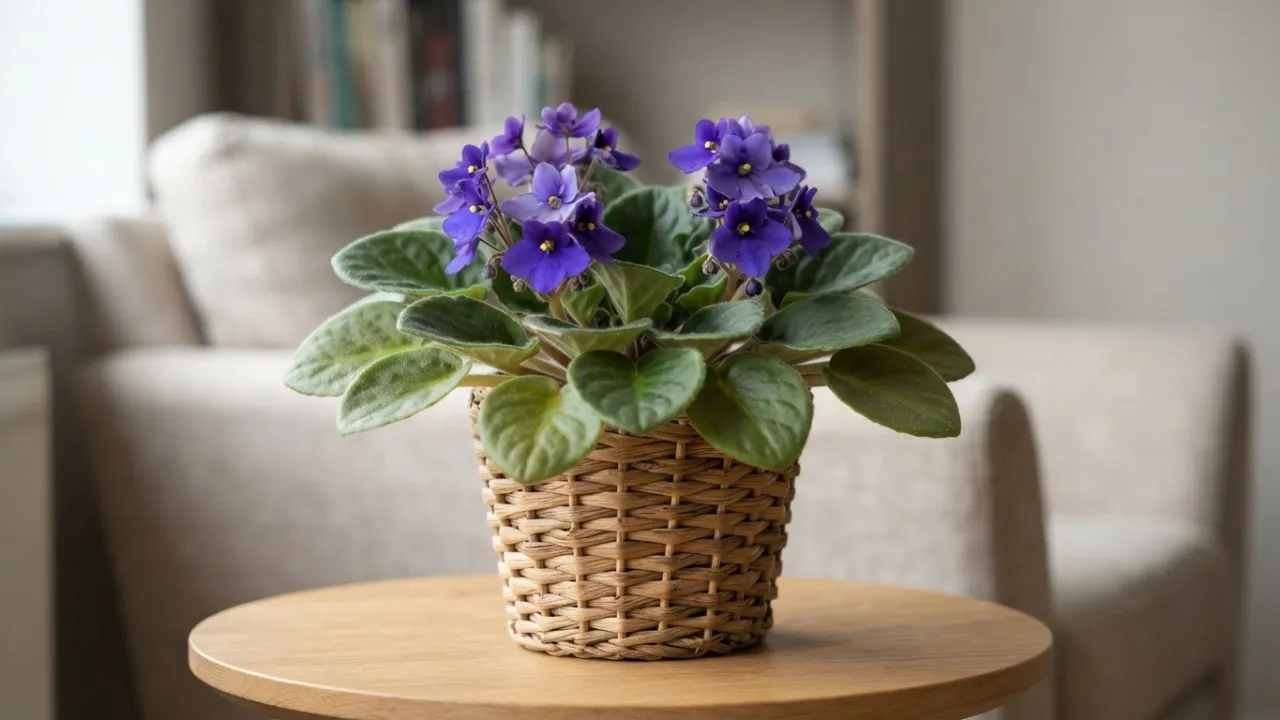 Every 5 days
 African Violet
Saintpaulia ionantha

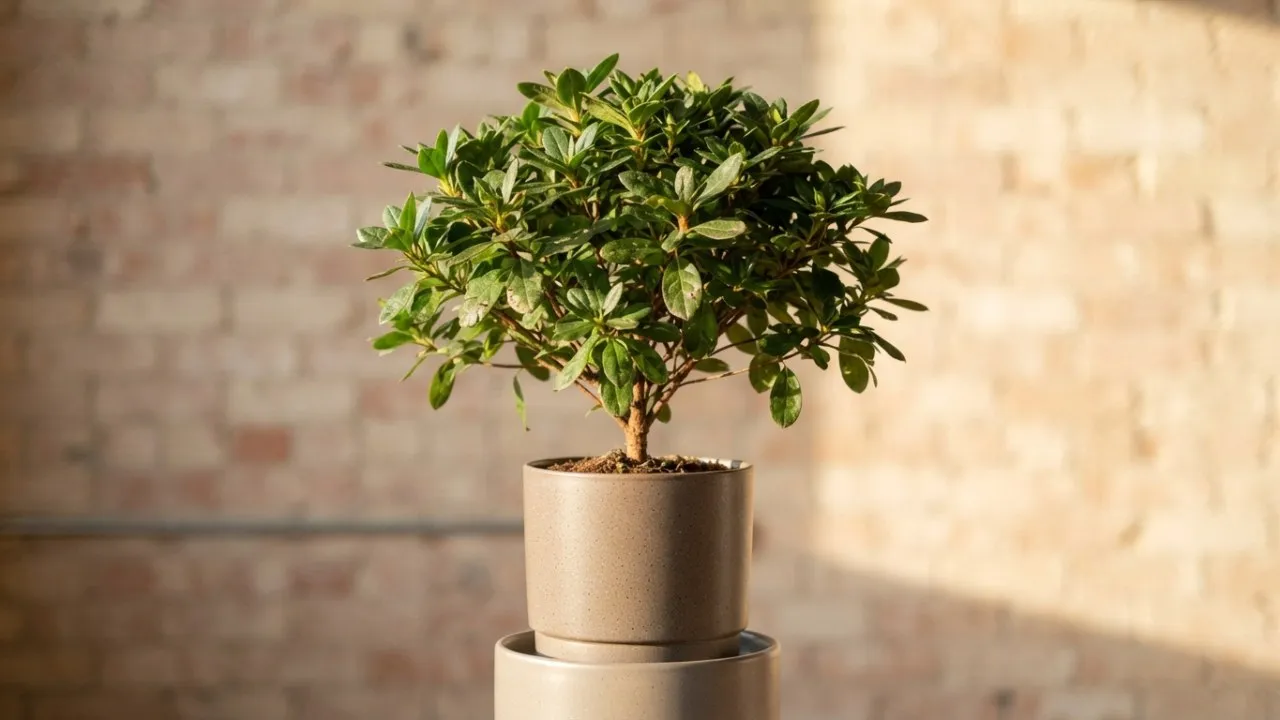 Every 3 days
 Azalea
Rhododendron simsii
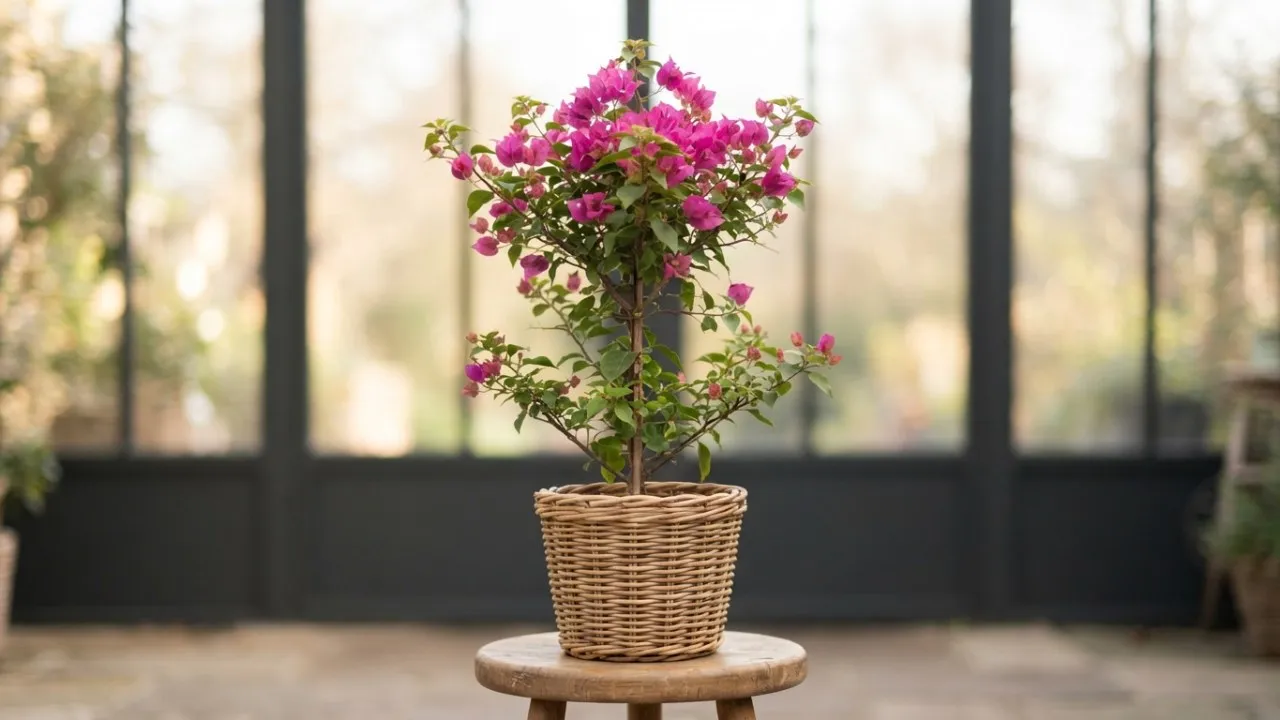 Every 5 days
 Bougainvillea
Bougainvillea glabra
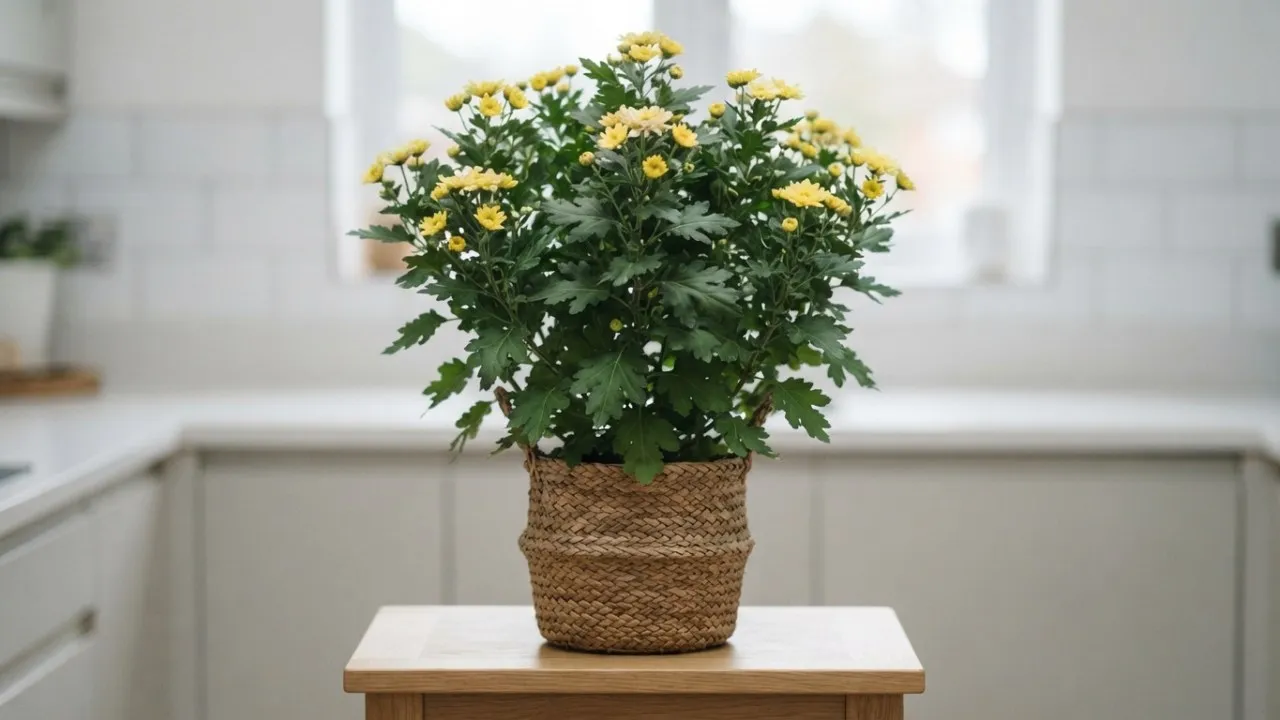 Every 3 days
 Chrysanthemum
Chrysanthemum morifolium