
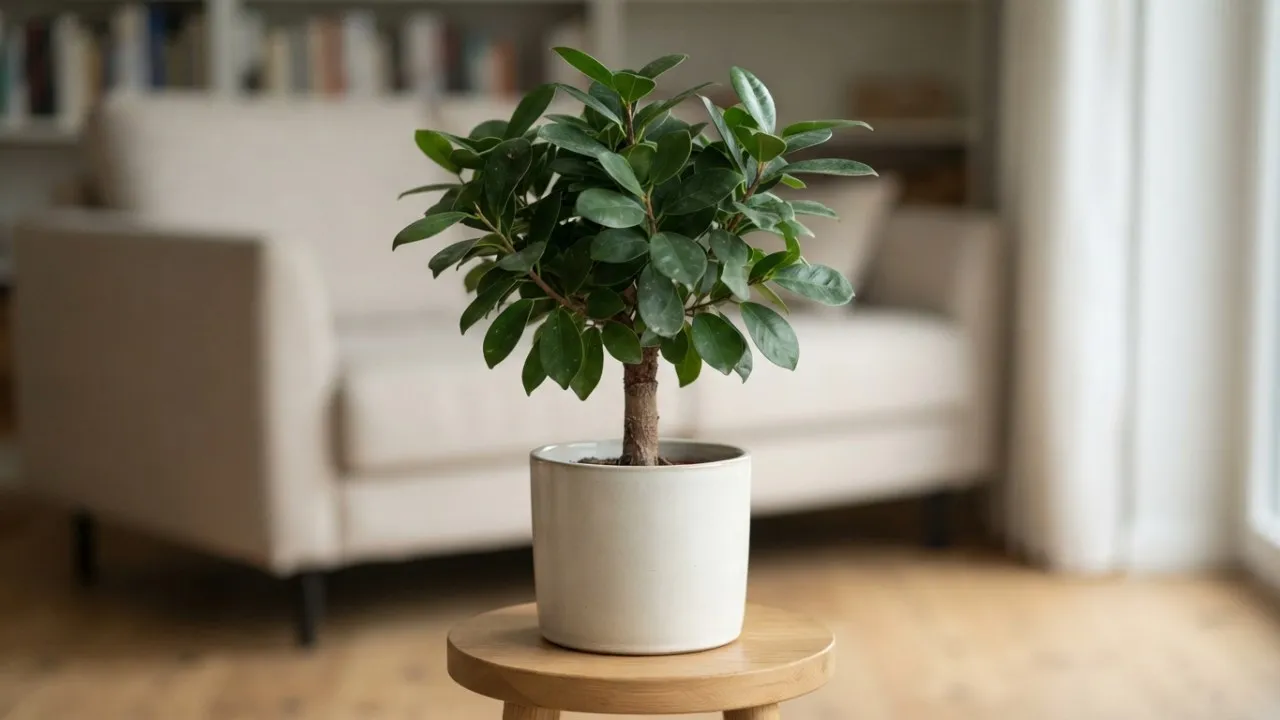
Ginseng Ficus
Ficus microcarpa
An indoor plant with a natural bonsai look featuring characteristic thick aerial roots and dense, glossy foliage.
The essentials at a glance
-
Watering
Every 5 days
-
Light
Bright indirect light
-
Humidity
50–70 %
-
Temperature
15–28 °C


How to care for your Ginseng Ficus
Everything you need to keep your Ginseng Ficus healthy: watering, light, humidity, feeding, repotting and pruning.
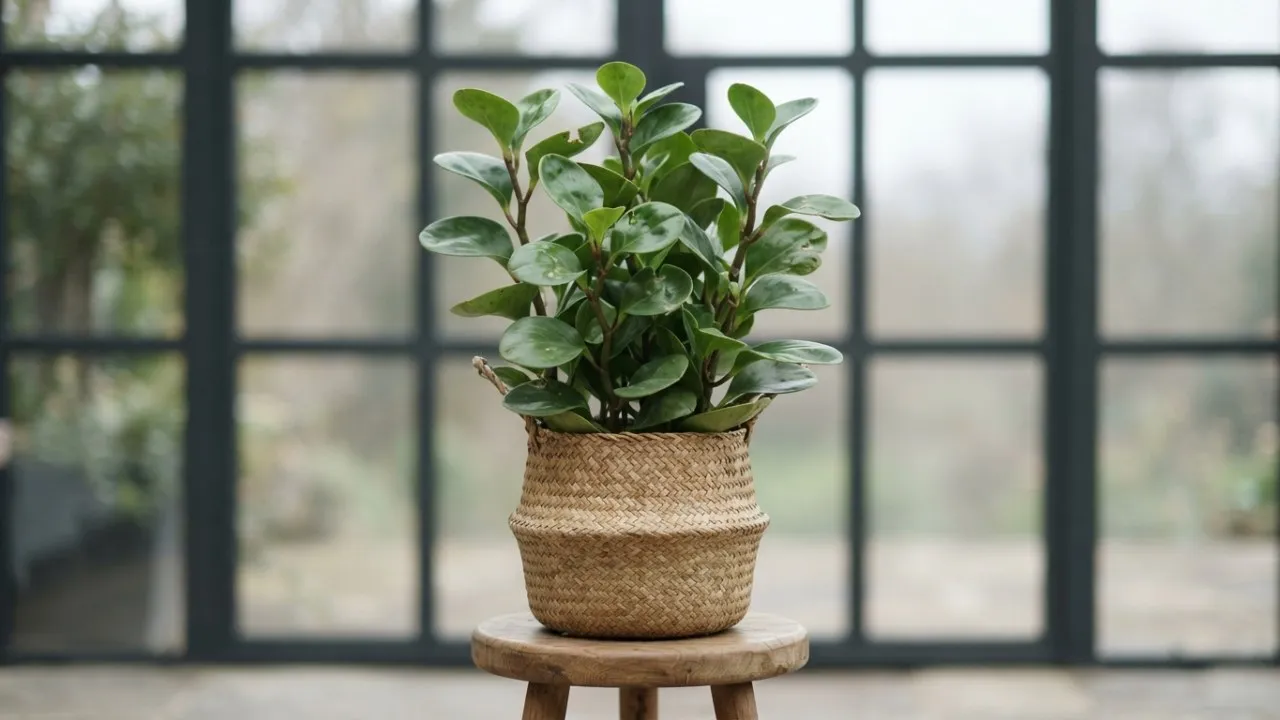
The ginseng ficus is a cultivated form of Ficus microcarpa, selected for its spectacular aerial roots that resemble ginseng roots. Native to tropical Asia, it is grown in nurseries for years to develop its characteristic bulbous trunk before being sold. Its evergreen foliage of small, oval, dark green glossy leaves makes it a highly decorative houseplant. Undemanding, it adapts well to apartment living as long as it receives adequate light and regular humidity.

Watering your Ginseng Ficus
Every 5 days
Water when the substrate is dry in the top few centimetres. Use room-temperature water. The ginseng ficus stores water in its aerial roots but dislikes prolonged drought.
How to know it needs water
- Substrate dry 2–3 cm deep
- Leaves beginning to yellow and drop
- Pot feels light

How much light a Ginseng Ficus needs
Bright indirect light
Bright indirect light. Tolerates moderate light but growth will be slower. Avoid harsh direct sun in summer.
- Direct sun tolerated
- 0 to 2 h a day
- Orientations that suit it
- North, North-east, East, South-east, South, South-west, West, North-west

Humidity and misting
50–70 %
50–70% Mist the foliage regularly with lime-free water. The ginseng ficus appreciates ambient humidity, and its aerial roots benefit particularly from it.

Feeding and fertiliser
Every 14 days
Fertilize every 2 weeks from March to October. Reduce to once a month in winter. Regular fertilization helps maintain dense foliage.
- Recommended feed
- Liquid fertilizer for bonsai or foliage plants, diluted to half dose. · 3-1-2

Repotting your Ginseng Ficus
Every 24 months
Use a draining bonsai substrate or a blend of compost, sand, and perlite. Lightly root-prune at repotting. Do not choose a pot that is too large — maintaining harmonious proportions is key.
- When
- Spring (April–May)
- Potting mix
- Bonsai mix
- Mix in
- perlite, pine bark, clay pebbles
The tell-tale signs
- Roots colonising the substrate surface
- Water no longer penetrating the soil
- Growth very sluggish

Pruning your Ginseng Ficus
Throughout the growing season to maintain shape. Structural pruning in early spring. Cut new shoots back to 2–3 leaves once they have produced 6–8. Use clean, sharp scissors. The white latex that oozes is normal and will stop on its own.

Through the year
Watering is not set once and for all: it follows the light and the growth. Allow 7 days between waterings in the depth of winter, against 4 in the growing season.
- 7 J
- 6 F
- 5 M
- 5 A
- 4 M
- 4 J
- 4 J
- 5 A
- 5 S
- 6 O
- 6 N
- 7 D
Active growth · Days between waterings

Toxicity
The milky latex is irritating and can be toxic to cats and dogs if ingested. May cause skin irritation in sensitive individuals.

Good to know
- The impressive aerial roots of the ginseng ficus are actually underground roots that were exposed during the plant's shaping process at the nursery.
- Ficus microcarpa can become an immense 25-metre tree in tropical regions, even colonizing building facades with its roots.

Frequently asked questions about the Ginseng Ficus
How do you care for a Ginseng Ficus?
Water it every 5 days. Give it bright indirect light. Ideal humidity: 50–70 %. Ideal temperature: 15–28 °C. Water when the substrate is dry in the top few centimetres. Use room-temperature water. The ginseng ficus stores water in its aerial roots but dislikes prolonged drought.
How often should you water a Ginseng Ficus?
Every 5 days Water when the substrate is dry in the top few centimetres. Use room-temperature water. The ginseng ficus stores water in its aerial roots but dislikes prolonged drought. How to know it needs water : Substrate dry 2–3 cm deep ; Leaves beginning to yellow and drop ; Pot feels light.
How much light does a Ginseng Ficus need?
Bright indirect light Bright indirect light. Tolerates moderate light but growth will be slower. Avoid harsh direct sun in summer. 0 to 2 h a day
Is the Ginseng Ficus toxic to cats and dogs?
Yes. The milky latex is irritating and can be toxic to cats and dogs if ingested. May cause skin irritation in sensitive individuals. Keep it out of reach of your pets and call a vet if any is swallowed.
Why are my Ginseng Ficus leaves turning yellow?
Yellowing most often comes from too much water: the mix stays wet and the roots suffocate. Check that the pot drains, empty the saucer, and let the mix dry before watering again. Too little light or a cold draught cause the same symptom.
When should you repot a Ginseng Ficus?
Repot every 24 months, ideally in spring (april–may). Use a draining bonsai substrate or a blend of compost, sand, and perlite. Lightly root-prune at repotting. Do not choose a pot that is too large — maintaining harmonious proportions is key.

At a glance
- Family
- Moraceae
- Category
- Tropical
- Placement
- Indoor
- Mature height
- 1.5 m
- Growth
- Moderate
- Temperature
- 15–28 °C
- Pot materials
- ceramic, plastic, terracotta
- Growth
- Reaches maturity in 10 years
These figures are for an average plant. In the app they are recalculated for yours, based on your room, its orientation and the season.
And for your plant, in your home?
In the app this plant becomes yours: a watering schedule tuned to your home, health tracking from photos, and reminders at the right moment.
In the same spirit
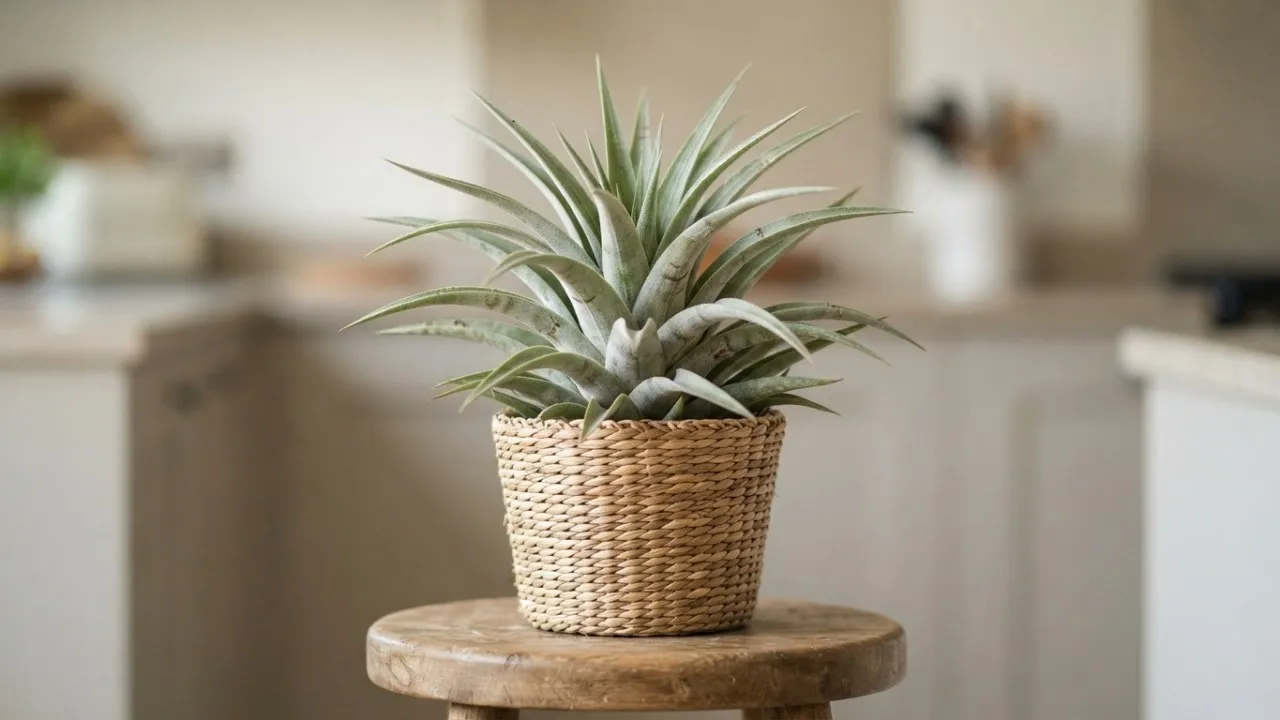 Every 4 days
 Air Plant
Tillandsia ionantha

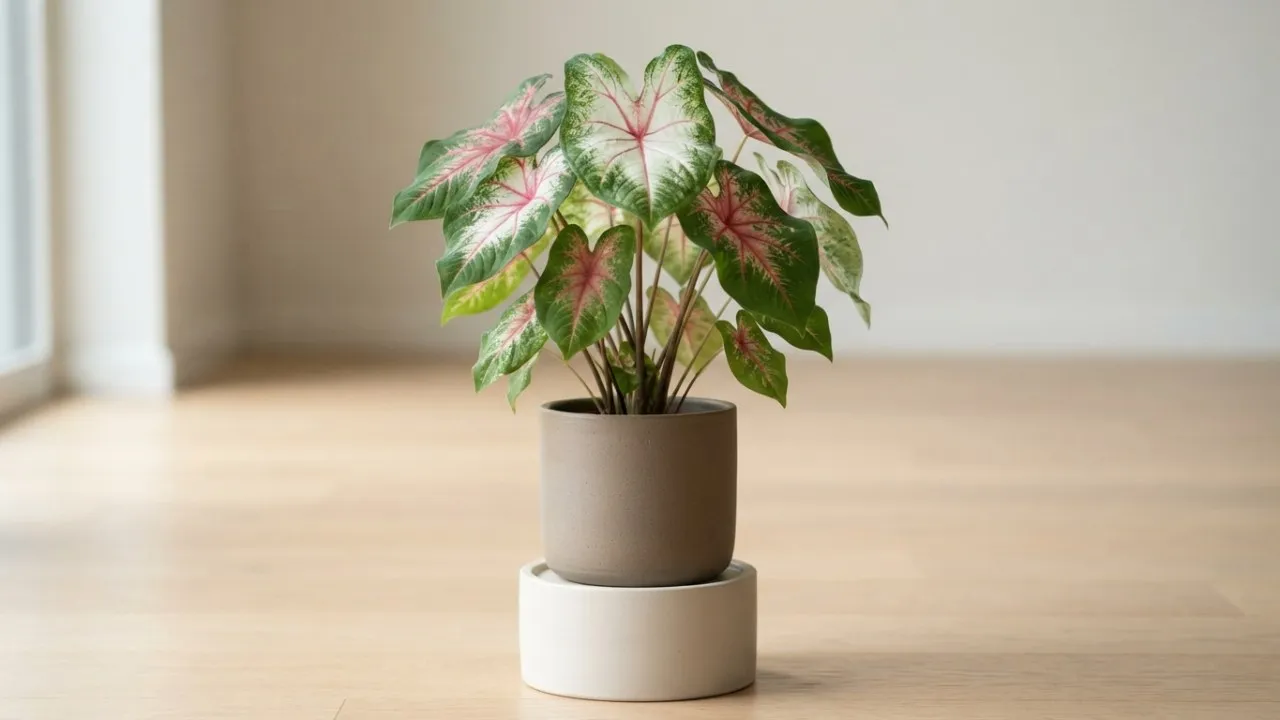 Every 3 days
 Angel Wings
Caladium bicolor
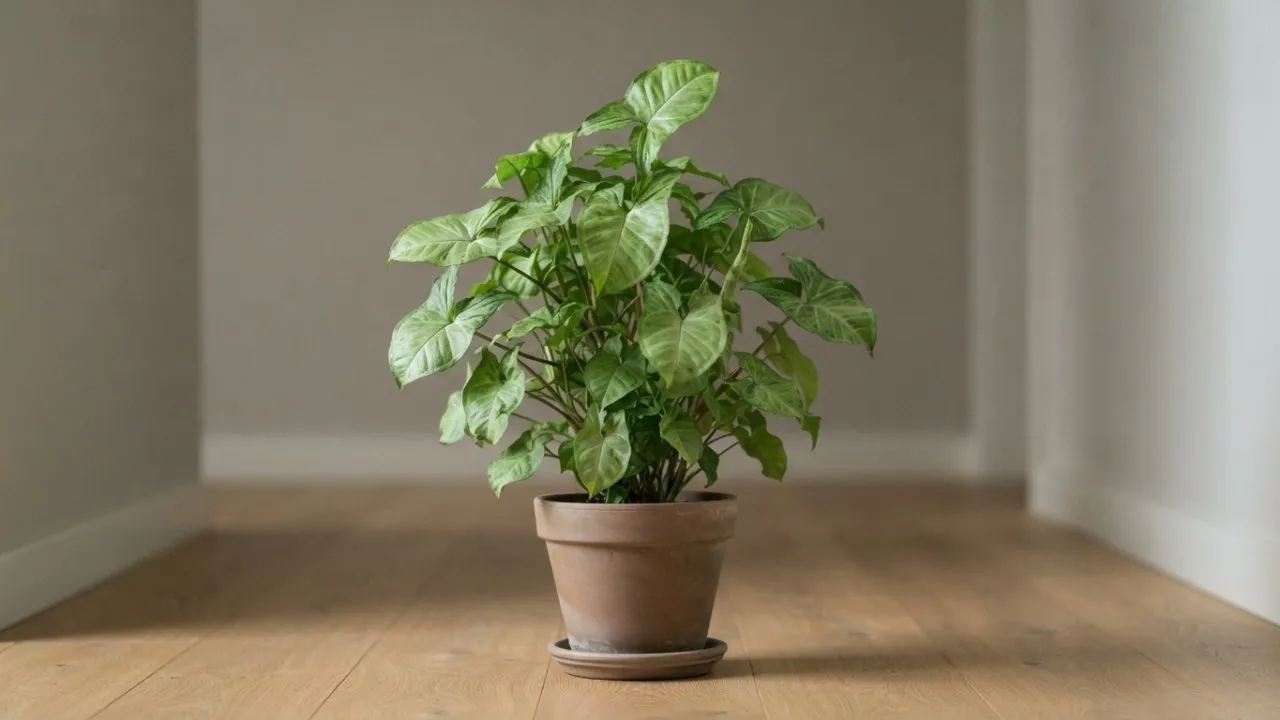 Every 7 days
 Arrowhead Plant
Syngonium podophyllum
 Every 10 days
 Baby Rubber Plant
Peperomia obtusifolia