
Variety Tropical · Moraceae
Rubber Tree 'Tineke'
Ficus elastica 'Tineke' · A variety of Rubber Tree
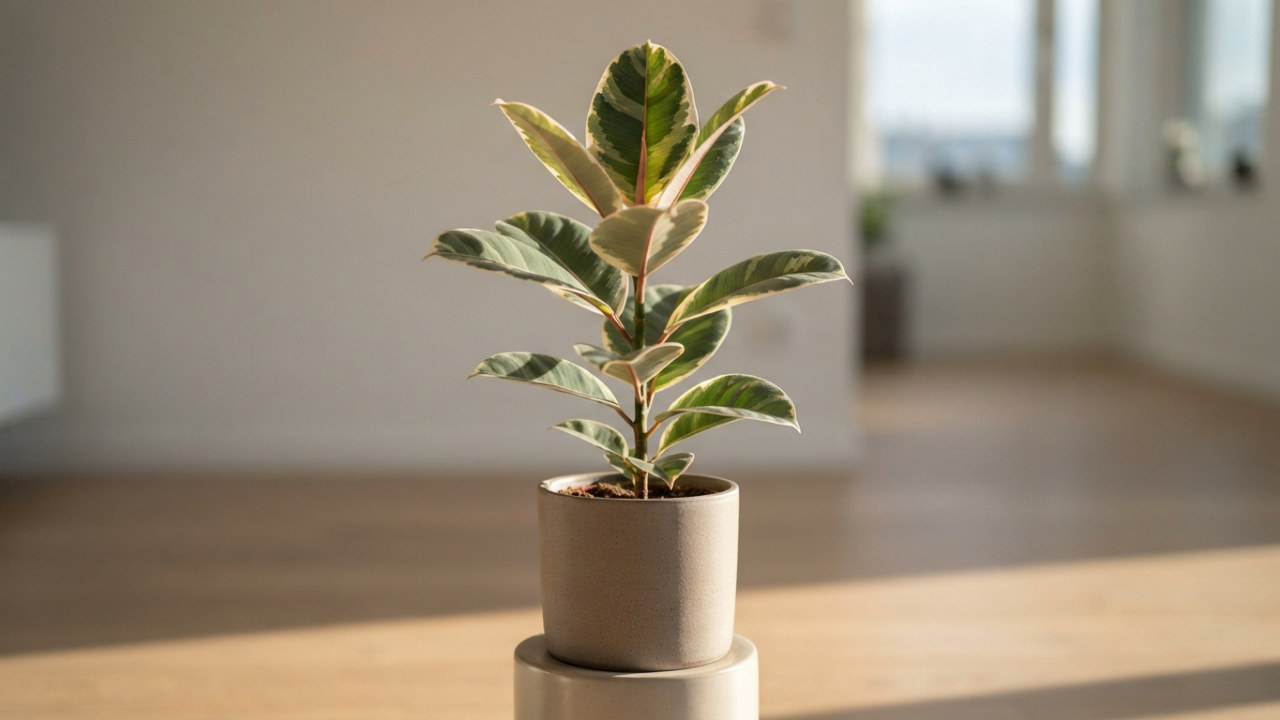
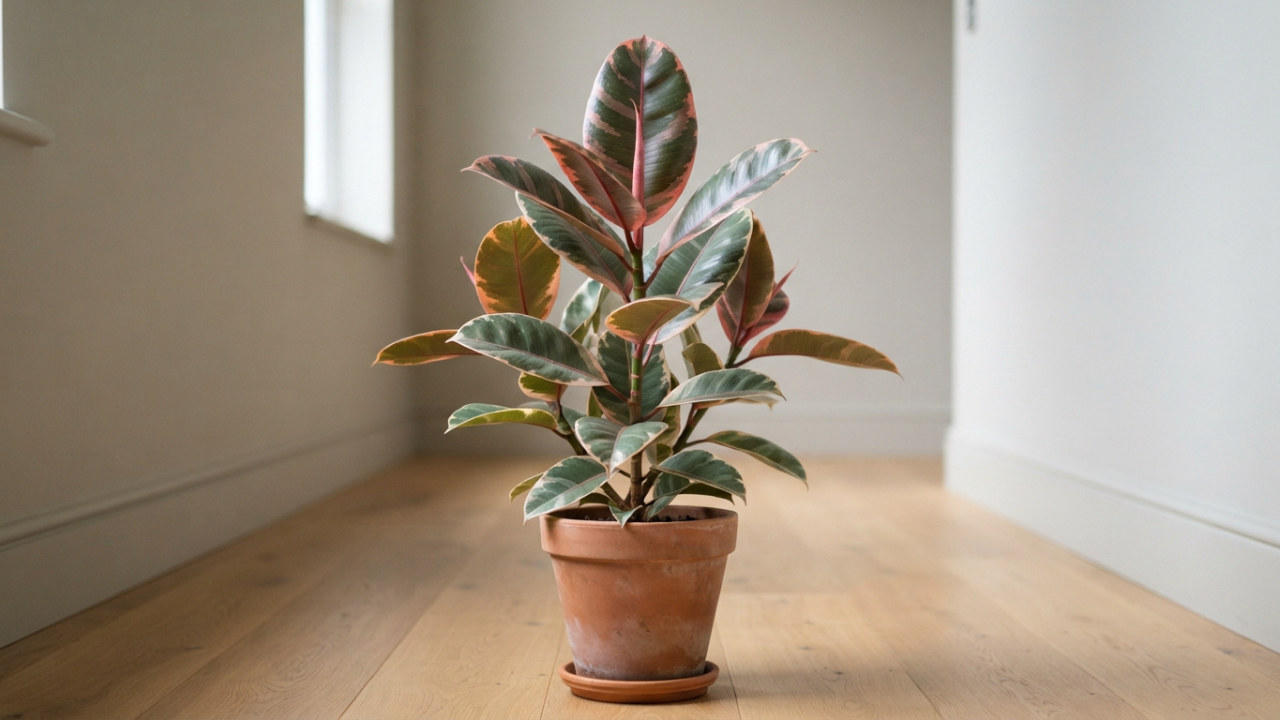
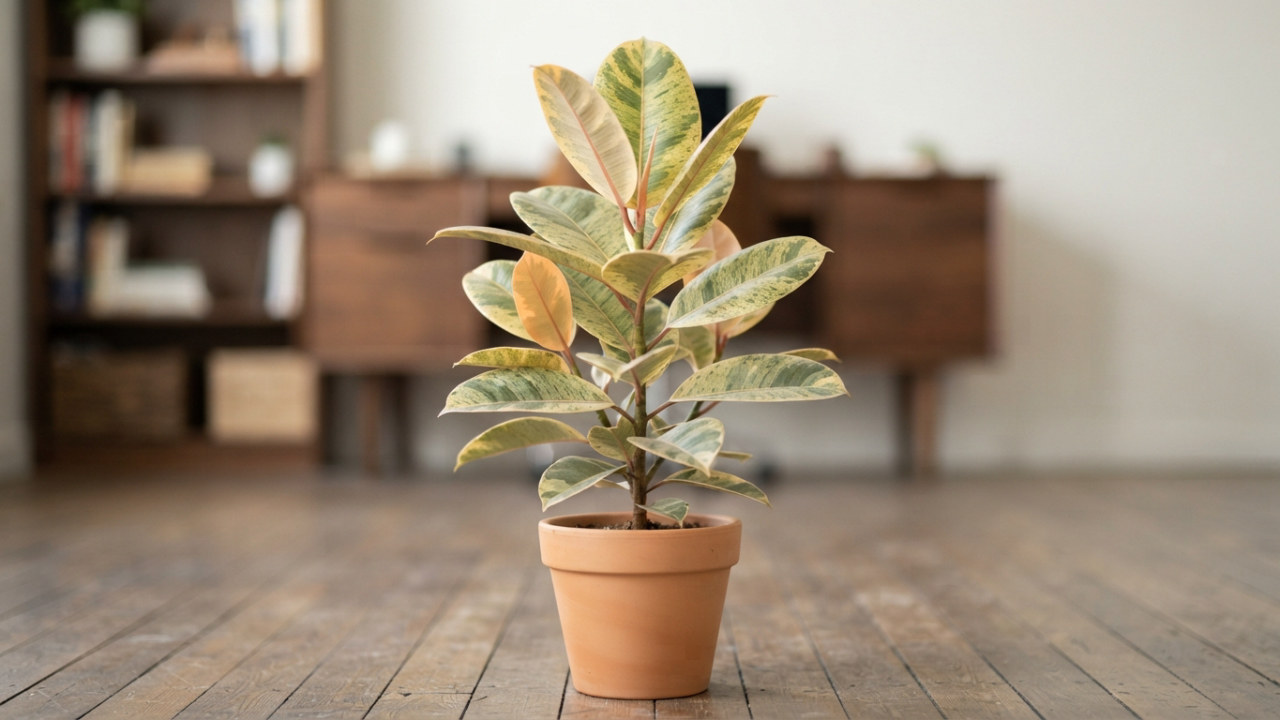
Ficus elastica 'Tineke' is an ornamental variegated cultivar of the classic rubber tree, celebrated for its broad, glossy foliage patterned in shades of emerald, celadon, and soft cream.
- Every 10 daysWatering
- Bright indirect lightLight
- 50–60 %Humidity
- 15–30 °CTemperature


Other varieties 7
How to care for your Rubber Tree 'Tineke'
Everything you need to keep your Rubber Tree 'Tineke' healthy: watering, light, humidity, feeding, repotting and pruning.
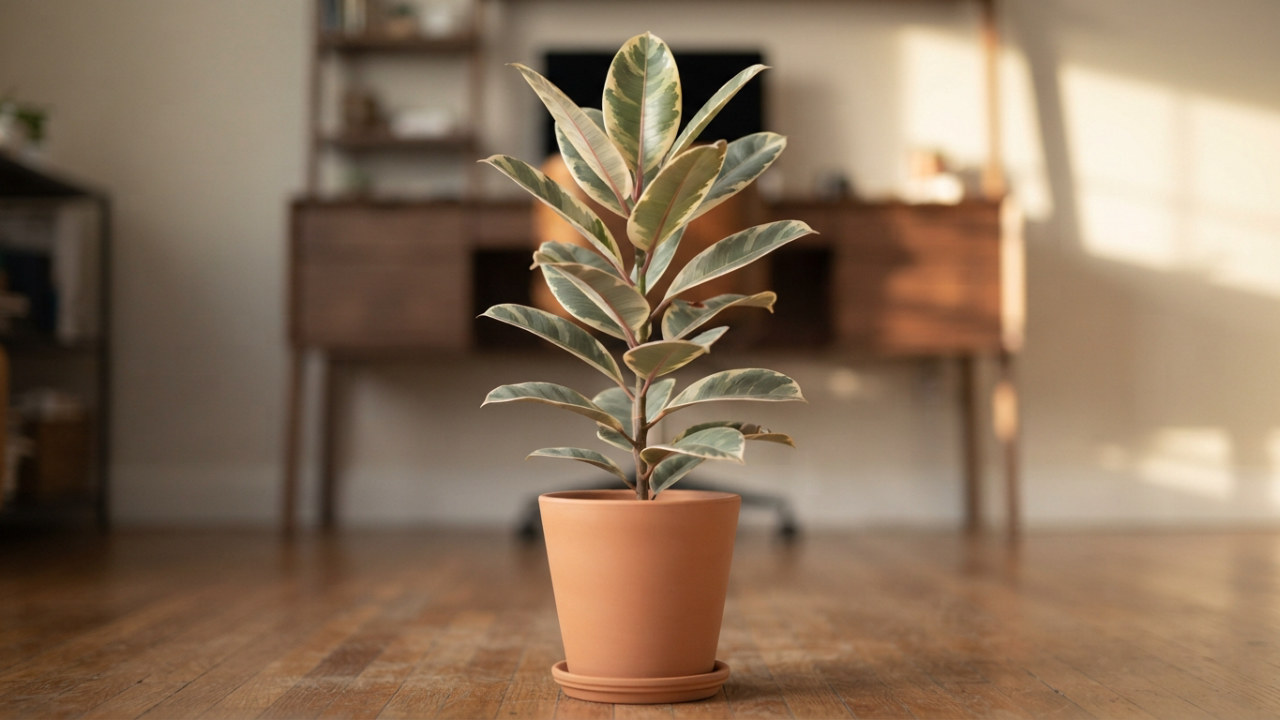
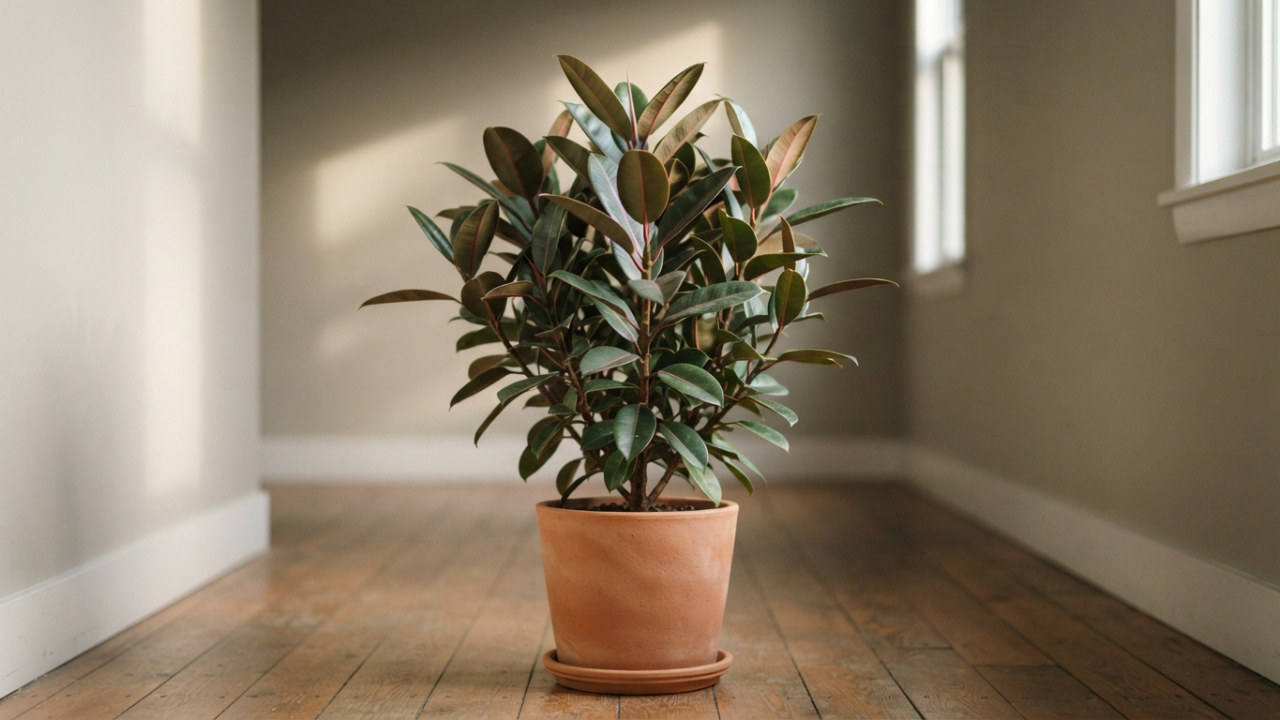
A selected cultivar of the Southeast Asian rubber tree, Ficus elastica 'Tineke' brings high visual drama to indoor spaces with its thick, leathery leaves painted in camouflage-like patches of forest green, slate grey, and pale ivory. The emerging foliage unfurls from pink stipules, imparting temporary blush tones along the midrib before setting into crisp, defined variegation. Because the white margins contain no chlorophyll, 'Tineke' grows at a slightly slower pace and requires more consistent bright light than its all-green parent species to prevent edge necrosis or loss of variegation. Placed in a warm, bright room with steady watering and excellent drainage, it forms a sturdy, sculptural indoor tree.

How to recognise Rubber Tree 'Tineke'
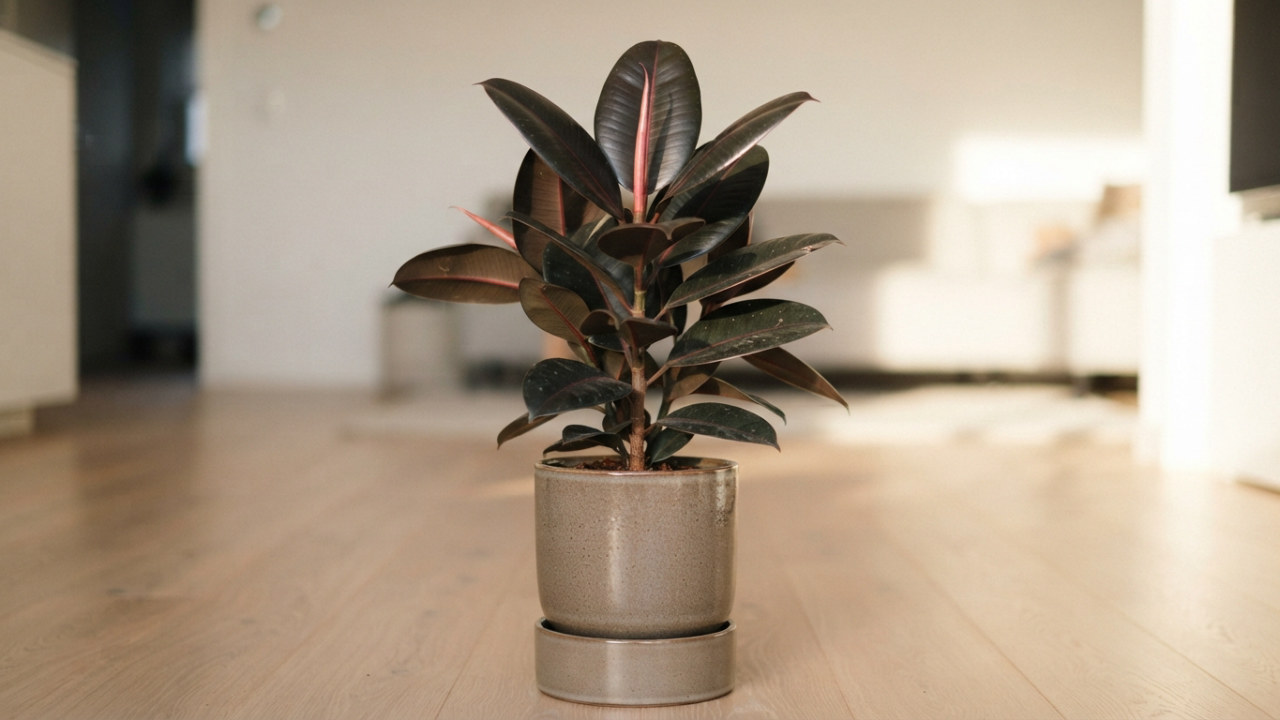
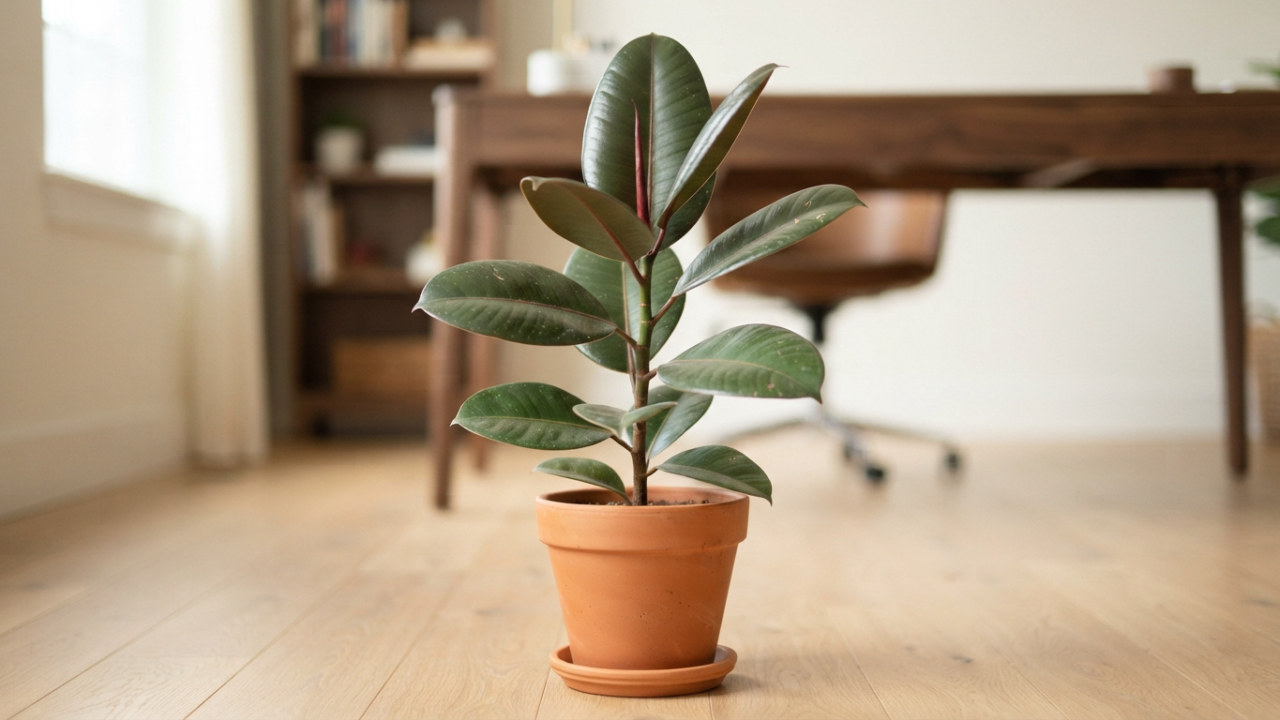
Ficus elastica 'Tineke' is distinguished from the solid green species and dark cultivars like 'Burgundy' by its broad leaves marbled with dark green, sage, and creamy white margins. Unlike 'Ruby', whose variegated zones display a strong, persistent red-pink wash, 'Tineke' exhibits pink tones only on emerging leaf sheaths and juvenile midribs, maturing to clean ivory and green.

Watering your Rubber Tree 'Tineke'
Every 10 days
Allow the top third of the substrate to dry out thoroughly between waterings. Saturate the soil evenly until water drains freely from the drainage holes, then discard all standing water from the saucer. Water less often from autumn to winter.
How to know it needs water
- The top 3 to 5 centimeters of substrate feels dry and crumbly to the touch.
- The pot feels noticeably lighter when lifted.
- Lower leaves begin to lose turgor slightly and feel less rigid.

How much light a Rubber Tree 'Tineke' needs
Bright indirect light
Requires ample bright, indirect light to sustain its non-chlorophyllous white tissue and prevent the pattern from fading. A small amount of gentle morning sun is beneficial, but harsh afternoon sun must be avoided as the pale margins scorch easily.
- Direct sun tolerated
- 0 to 1 h a day
- Orientations that suit it
- North, North-east, East, South-east, South, South-west, West, North-west

Humidity and misting
50–60 %
Thrives best at ambient indoor humidity between 50 and 60 %. Lower humidity levels can cause the non-photosynthetic cream edges to turn brown and paper-dry. Misting is not needed. Droplets sitting on the cream leaf margins do not raise humidity for long and can encourage fungal and bacterial leaf spots.

Feeding and fertiliser
Every 28 days
Apply at half strength about once every four weeks from April through September, and not at all in winter. Avoid over-application of nitrogen, which may trigger excessive vegetative growth at the expense of variegated leaf patterns.
- Recommended feed
- Liquid foliage fertilizer with a 3-1-2 NPK ratio. · 3-1-2

Repotting your Rubber Tree 'Tineke'
Every 36 months
Select a container 3 to 5 centimeters wider than the current root system. Gently loosen outer roots, position the plant at its original soil depth, and backfill with an airy, well-draining potting mixture rich in perlite and pine bark.
- When
- Spring, from March to May, as growth restarts.
- Potting mix
- All-purpose potting mix
- Mix in
- perlite, pine bark, coco fibre
The tell-tale signs
- Thick roots emerge noticeably through bottom drainage holes.
- Water runs straight through the pot without wetting compacted soil.
- New foliage emerges noticeably smaller despite adequate seasonal light and feeding.

Pruning your Rubber Tree 'Tineke'
Late spring or early summer to encourage lateral branching during peak growth. Cut cleanly just above an active node using sharp, sterilized shears. Wear protective gloves and eye protection to guard against the irritating latex sap, and dab the cut with a damp cloth until weeping stops.

Through the year
Watering is not set once and for all: it follows the light and the growth. Allow 14 days between waterings in the depth of winter, against 8 in the growing season.
- 13 J
- 12 F
- 10 M
- 9 A
- 8 M
- 8 J
- 8 J
- 9 A
- 10 S
- 11 O
- 13 N
- 14 D
Active growth · Days between waterings

Toxicity
Like all rubber plants, 'Tineke' produces a milky white latex containing proteolytic enzymes (ficin). Contact with sap can cause contact dermatitis and eye irritation, so wear gloves and eye protection when pruning. Ingestion causes oral irritation, drooling, vomiting, and gastrointestinal inflammation in cats, dogs, and humans.

Good to know
- The striking variegation in 'Tineke' is a periclinal chimera, meaning different cell layers in the growing shoot tip have genetically distinct chlorophyll contents.
- Because the cream patches lack functional chloroplasts, the plant relies entirely on its green sectors to feed both the green and white areas of the leaf.
- Emerging leaves are enclosed in a bright pinkish-red stipule that dries up and falls off once the new leaf unfurls.

Frequently asked questions about the Rubber Tree 'Tineke'
How do you care for a Rubber Tree 'Tineke'?
Water it every 10 days. Give it bright indirect light. Ideal humidity: 50–60 %. Ideal temperature: 15–30 °C. Allow the top third of the substrate to dry out thoroughly between waterings. Saturate the soil evenly until water drains freely from the drainage holes, then discard all standing water from the saucer. Water less often from autumn to winter.
How often should you water a Rubber Tree 'Tineke'?
Every 10 days Allow the top third of the substrate to dry out thoroughly between waterings. Saturate the soil evenly until water drains freely from the drainage holes, then discard all standing water from the saucer. Water less often from autumn to winter. How to know it needs water : The top 3 to 5 centimeters of substrate feels dry and crumbly to the touch. ; The pot feels noticeably lighter when lifted. ; Lower leaves begin to lose turgor slightly and feel less rigid..
How much light does a Rubber Tree 'Tineke' need?
Bright indirect light Requires ample bright, indirect light to sustain its non-chlorophyllous white tissue and prevent the pattern from fading. A small amount of gentle morning sun is beneficial, but harsh afternoon sun must be avoided as the pale margins scorch easily. 0 to 1 h a day
Is the Rubber Tree 'Tineke' toxic to cats and dogs?
Yes. Like all rubber plants, 'Tineke' produces a milky white latex containing proteolytic enzymes (ficin). Contact with sap can cause contact dermatitis and eye irritation, so wear gloves and eye protection when pruning. Ingestion causes oral irritation, drooling, vomiting, and gastrointestinal inflammation in cats, dogs, and humans. Keep it out of reach of your pets and call a vet if any is swallowed.
Why are my Rubber Tree 'Tineke' leaves turning yellow?
Yellowing most often comes from too much water: the mix stays wet and the roots suffocate. Check that the pot drains, empty the saucer, and let the mix dry before watering again. Too little light or a cold draught cause the same symptom.
When should you repot a Rubber Tree 'Tineke'?
Repot every 36 months, ideally in spring, from march to may, as growth restarts.. Select a container 3 to 5 centimeters wider than the current root system. Gently loosen outer roots, position the plant at its original soil depth, and backfill with an airy, well-draining potting mixture rich in perlite and pine bark.

At a glance
- Family
- Moraceae
- Category
- Tropical
- Placement
- Indoor
- Mature height
- 2 m
- Growth
- Moderate
- Temperature
- 15–30 °C
- Pot materials
- terracotta, ceramic, plastic
- Growth
- Reaches maturity in 10 years
These figures are for an average plant. In the app they are recalculated for yours, based on your room, its orientation and the season.
And for your plant, in your home?
In the app this plant becomes yours: a watering schedule tuned to your home, health tracking from photos, and reminders at the right moment.
In the same spirit
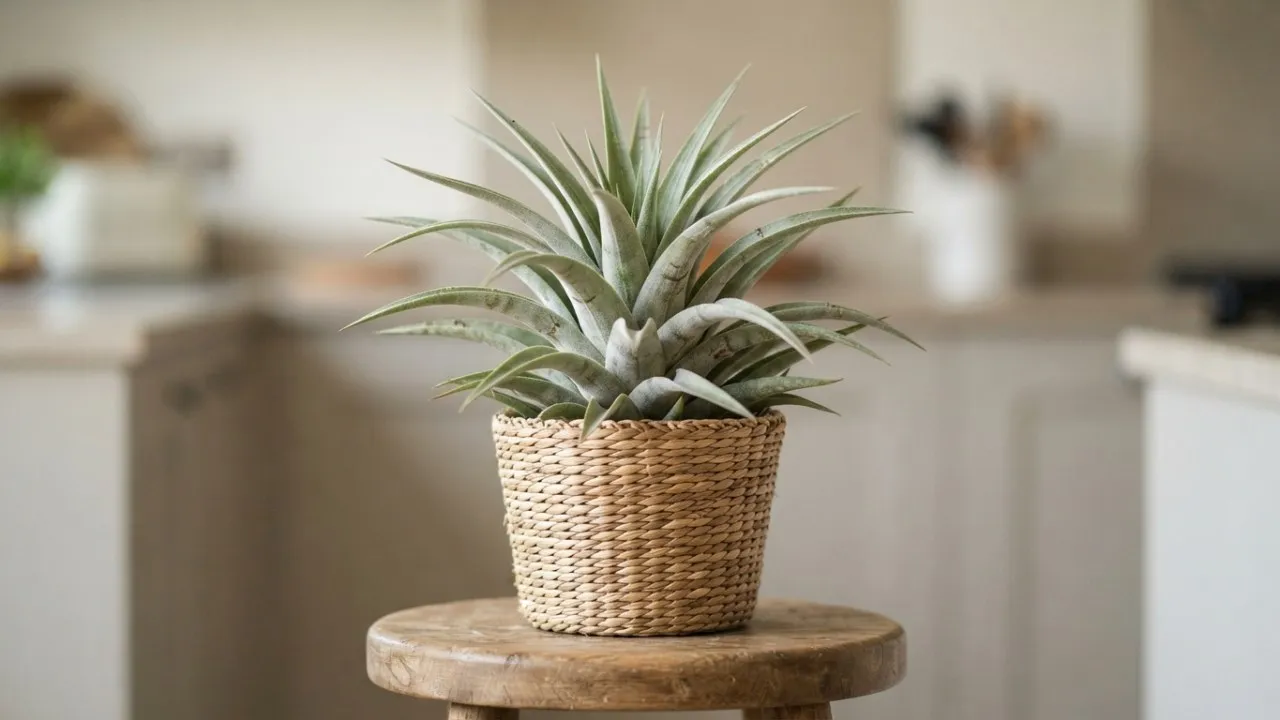 Every 7 days


Air Plant
Tillandsia ionantha

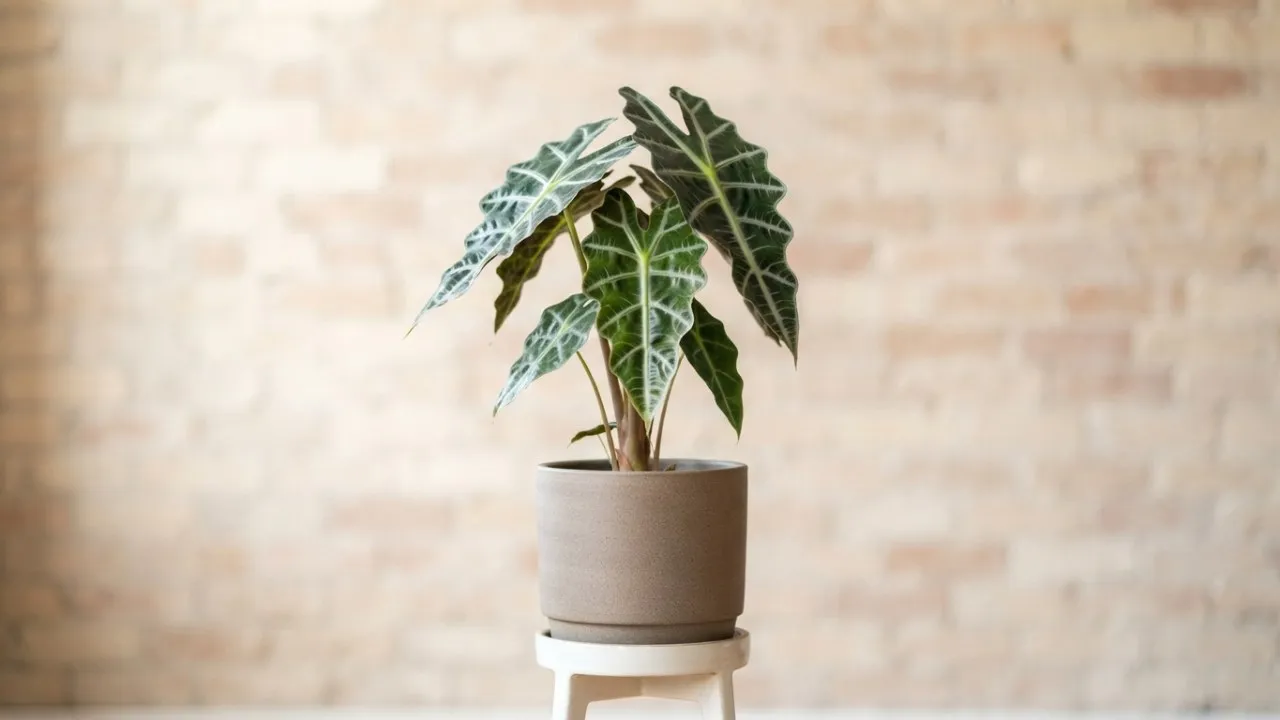 Every 6 days
Alocasia amazonica
Alocasia amazonica
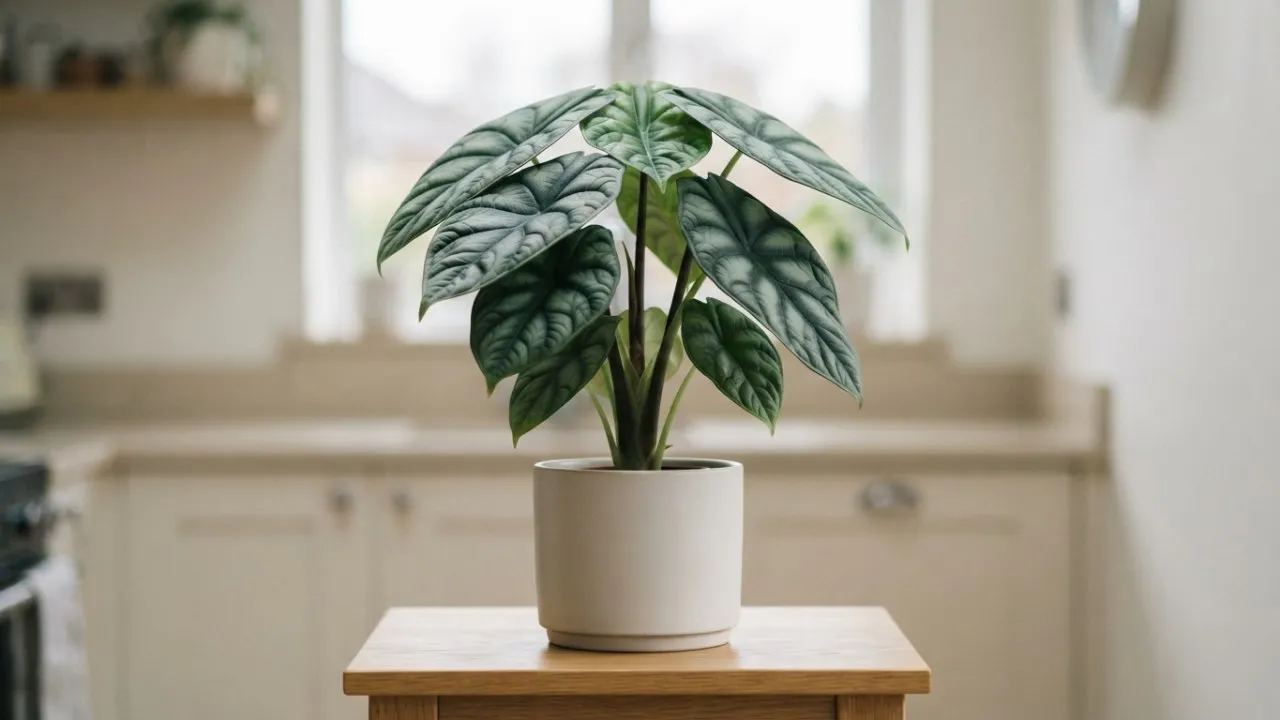 Every 7 days
Alocasia baginda
Alocasia baginda
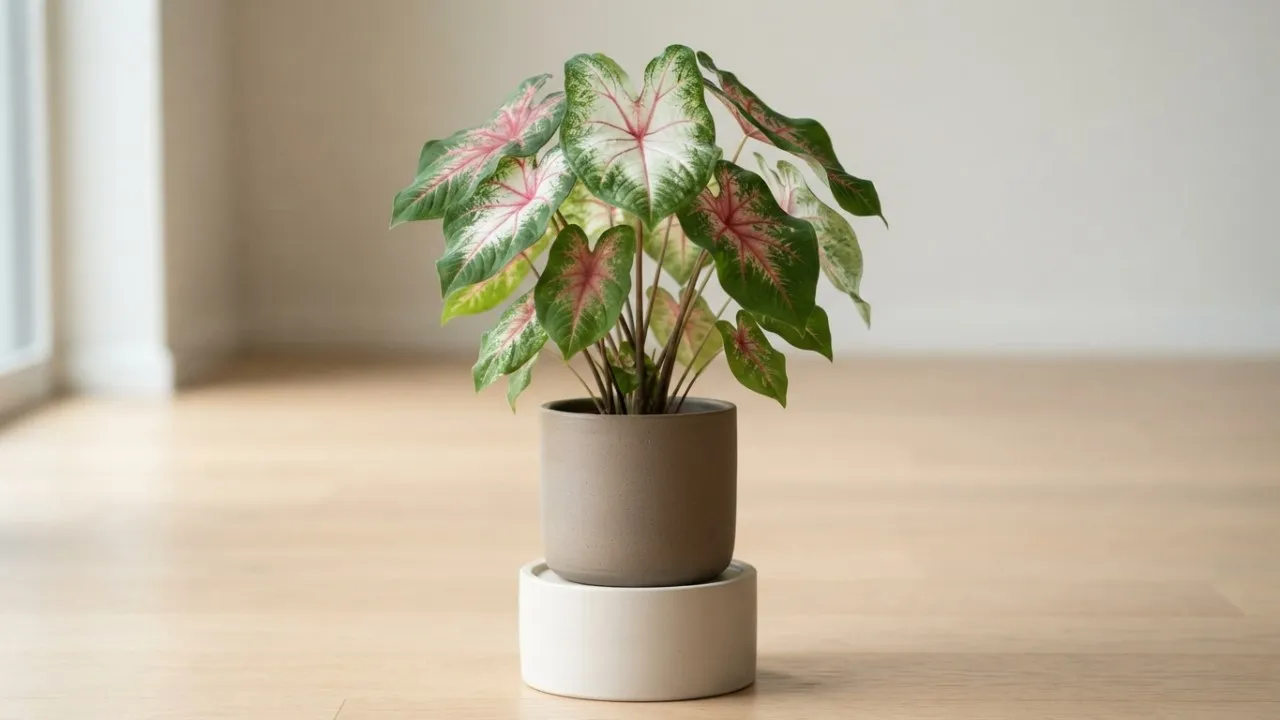 Every 4 days
Angel Wings
Caladium bicolor
