
Tropical · Moraceae
Ficus
Ficus altissima
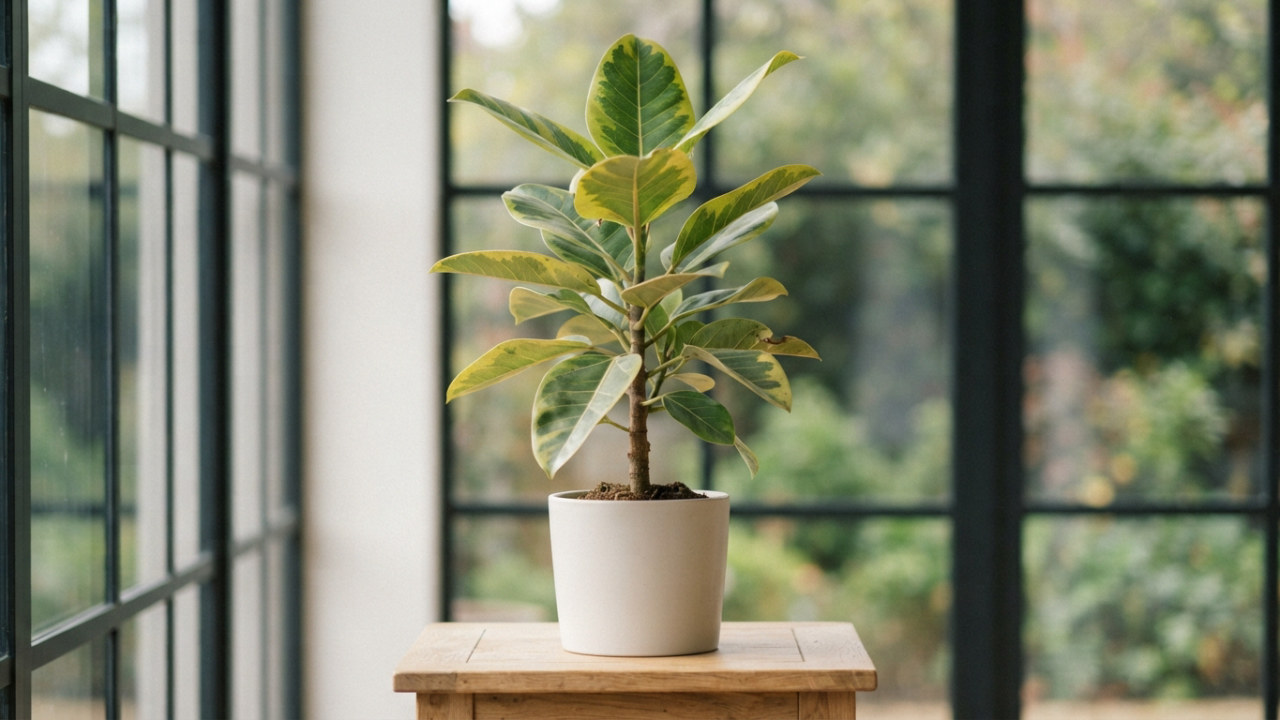
The Ficus altissima is a striking evergreen tree with large, glossy green leaves and a pale central vein.
- Every 10 daysWatering
- Bright indirect lightLight
- 50–70 %Humidity
- 18–29 °CTemperature


Its varieties 1
How to care for your Ficus
Everything you need to keep your Ficus healthy: watering, light, humidity, feeding, repotting and pruning.
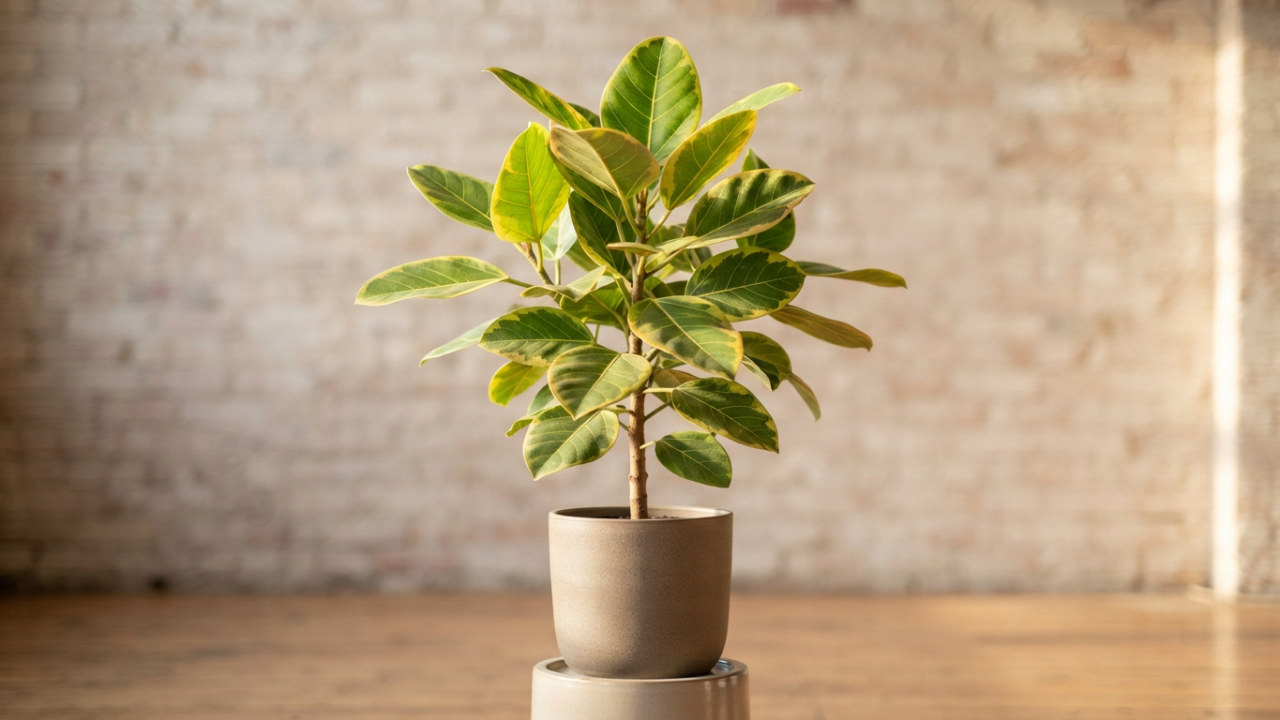
Ficus altissima, commonly known as the Lofty Fig or Council Tree, is a beautiful and relatively easy-to-care-for houseplant. Native to tropical and subtropical Asia, it features thick, leathery, oval-shaped leaves with a glossy green color and a pale midrib. When young, it has an upright growth habit, making it an excellent statement plant. With proper care, it can grow quite tall indoors, adding a touch of the tropics to any space. It appreciates consistent moisture during its growing season and bright, indirect light. Its milky sap is irritating, so handle it with care.

How to recognise Ficus
A large tree with broad oval leaves about 10 to 20 cm long, leathery and glossy dark green, with a pale midrib, a short pointed tip and milky sap. Variegated forms have cream and grey-green patches. Ficus elastica has longer, thicker, more rubbery oblong leaves, while Ficus benjamina has much smaller, thinner leaves with a long drip tip.

Watering your Ficus
Every 10 days
Water thoroughly until water drains from the bottom. Allow the top 2 to 3 cm of soil to dry out before watering again, about every 7 days from March to October and about every 14 days in the cooler months.
How to know it needs water
- Soil dry 2 to 3 cm deep
- Leaves slightly droopy
- Pot feels light

How much light a Ficus needs
Bright indirect light
Bright indirect light; can tolerate some direct morning sun but protect from harsh afternoon sun.
- Direct sun tolerated
- 0 to 2 h a day
- Orientations that suit it
- North, North-east, East, South-east, South, South-west, West, North-west

Humidity and misting
50–70 %
Medium to high (50 to 70 %) Mist the foliage about every 2 days, especially in dry environments, or use a humidifier to maintain adequate humidity.

Feeding and fertiliser
Every 30 days
Feed about every 4 weeks from April to September. No feeding from October to March.
- Recommended feed
- Balanced liquid fertilizer for houseplants · 5-10-5

Repotting your Ficus
Every 24 months
Repot every 2 years in March or April into a container 2 to 5 cm larger. Use a well-draining potting mix with added perlite or bark for aeration.
- When
- Spring
- Potting mix
- All-purpose potting mix
- Mix in
- perlite, pine bark, coco fibre
The tell-tale signs
- Roots emerging from drainage holes
- Growth has slowed significantly
- Soil dries out very quickly after watering

Pruning your Ficus
Prune in spring to shape the plant or remove any yellowing or damaged leaves. Can be pruned to control height. Use clean, sharp shears to make cuts just above a node or branching point. Wear gloves and eye protection to avoid irritation from the milky sap.

Through the year
Watering is not set once and for all: it follows the light and the growth. Allow 18 days between waterings in the depth of winter, against 8 in the growing season.
- 15 J
- 12 F
- 10 M
- 8 A
- 8 M
- 8 J
- 8 J
- 8 A
- 10 S
- 12 O
- 15 N
- 18 D
Active growth · Days between waterings

Toxicity
Toxic to cats and dogs (oral irritation, vomiting, and diarrhea due to insoluble calcium oxalates and furanocoumarins) and to humans if eaten. The milky sap irritates skin and eyes, so wear gloves and eye protection when pruning, wash your hands afterwards, and keep it out of reach of pets and children.

Good to know
- Also known as the 'Lofty Fig' or 'Council Tree' due to its potential to grow very tall.
- In the wild it often starts life as an epiphyte high in another tree, then sends roots down to the ground.
- Native to tropical Asia, where it can grow into a massive tree.

Frequently asked questions about the Ficus
How do you care for a Ficus?
Water it every 10 days. Give it bright indirect light. Ideal humidity: 50–70 %. Ideal temperature: 18–29 °C. Water thoroughly until water drains from the bottom. Allow the top 2 to 3 cm of soil to dry out before watering again, about every 7 days from March to October and about every 14 days in the cooler months.
How often should you water a Ficus?
Every 10 days Water thoroughly until water drains from the bottom. Allow the top 2 to 3 cm of soil to dry out before watering again, about every 7 days from March to October and about every 14 days in the cooler months. How to know it needs water : Soil dry 2 to 3 cm deep ; Leaves slightly droopy ; Pot feels light.
How much light does a Ficus need?
Bright indirect light Bright indirect light; can tolerate some direct morning sun but protect from harsh afternoon sun. 0 to 2 h a day
Is the Ficus toxic to cats and dogs?
Yes. Toxic to cats and dogs (oral irritation, vomiting, and diarrhea due to insoluble calcium oxalates and furanocoumarins) and to humans if eaten. The milky sap irritates skin and eyes, so wear gloves and eye protection when pruning, wash your hands afterwards, and keep it out of reach of pets and children. Keep it out of reach of your pets and call a vet if any is swallowed.
Why are my Ficus leaves turning yellow?
Yellowing most often comes from too much water: the mix stays wet and the roots suffocate. Check that the pot drains, empty the saucer, and let the mix dry before watering again. Too little light or a cold draught cause the same symptom.
When should you repot a Ficus?
Repot every 24 months, ideally in spring. Repot every 2 years in March or April into a container 2 to 5 cm larger. Use a well-draining potting mix with added perlite or bark for aeration.

At a glance
- Family
- Moraceae
- Category
- Tropical
- Placement
- Indoor
- Mature height
- 2.5 m
- Growth
- Moderate
- Temperature
- 18–29 °C
- Pot materials
- ceramic, plastic, terracotta
- Growth
- Reaches maturity in 10 years
These figures are for an average plant. In the app they are recalculated for yours, based on your room, its orientation and the season.
And for your plant, in your home?
In the app this plant becomes yours: a watering schedule tuned to your home, health tracking from photos, and reminders at the right moment.
In the same spirit
 Every 7 days


Air Plant
Tillandsia ionantha

 Every 6 days
Alocasia amazonica
Alocasia amazonica
 Every 7 days
Alocasia baginda
Alocasia baginda
 Every 4 days
Angel Wings
Caladium bicolor
