
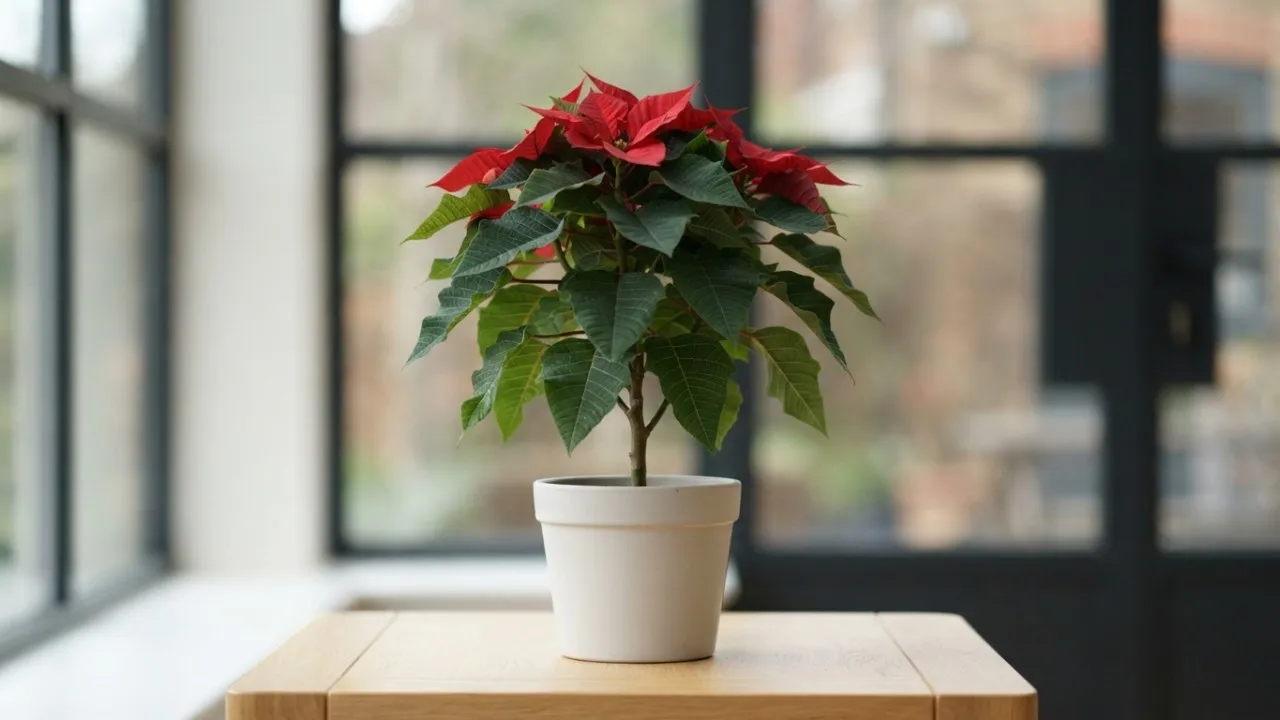
Poinsettia
Euphorbia pulcherrima
The Poinsettia is the iconic holiday plant, with its spectacular scarlet bracts that brighten up winter.
The essentials at a glance
-
Watering
Every 5 days
-
Light
Bright indirect light
-
Humidity
50–60 %
-
Temperature
15–22 °C


How to care for your Poinsettia
Everything you need to keep your Poinsettia healthy: watering, light, humidity, feeding, repotting and pruning.
Euphorbia pulcherrima originates from Mexico where it is a shrub that can reach 4 metres tall. Grown as a houseplant, it has become the symbol of Christmas celebrations thanks to its flamboyant red, pink, or white bracts. What appear to be petals are actually modified leaves surrounding tiny yellow flowers. Although often discarded after the holidays, it can rebloom every year with the proper photoperiod treatment in autumn.

Watering your Poinsettia
Every 5 days
Water moderately with lukewarm water when the topsoil is dry. Drain well and never leave the roots sitting in water. Very sensitive to overwatering.
How to know it needs water
- Compost dry 2–3 cm deep
- Leaves beginning to wilt
- Pot feels light

How much light a Poinsettia needs
Bright indirect light
Bright indirect light during flowering. To rebloom, requires 14 hours of total darkness per day for 8 weeks.
- Direct sun tolerated
- 0 to 2 h a day
- Orientations that suit it
- East, South-east, South, South-west, West, North-west

Humidity and misting
50–60 %
50–60% Mist lightly to maintain adequate humidity. Poinsettia dislikes both very dry and very humid air. Avoid cold draughts.

Feeding and fertiliser
Every 14 days
Do not fertilize during winter flowering. Resume in spring when new shoots appear. Stop in October to allow bract coloration.
- Recommended feed
- Balanced liquid fertilizer (NPK 20-20-20) at half dose during the growing period. · 5-10-5

Repotting your Poinsettia
Every 12 months
Use rich, well-draining compost. Add perlite. Wear gloves as the latex is irritating. Ensure good pot drainage.
- When
- Spring (May–June), after pruning
- Potting mix
- All-purpose potting mix
- Mix in
- perlite, coco fibre
The tell-tale signs
- Roots emerging from the bottom of the pot
- Plant has been pruned and is resprouting in spring
- Substrate exhausted

Pruning your Poinsettia
In April–May, once the plant has shed its coloured bracts. Cut all stems back to 10–15 cm to stimulate new shoots. The plant breaks vigorously from old wood. Wear gloves to avoid contact with the sap.

Through the year
Watering is not set once and for all: it follows the light and the growth. Allow 8 days between waterings in the depth of winter, against 5 in the growing season.
- 8 J
- 8 F
- 6 M
- 5 A
- 5 M
- 5 J
- 5 J
- 5 A
- 5 S
- 6 O
- 8 N
- 8 D
Active growth · Days between waterings

Toxicity
The milky latex is irritating to pets. Can cause vomiting and hypersalivation in cats and dogs. Possible skin irritation in humans.

Good to know
- The coloured parts of a Poinsettia are not flowers but bracts (modified leaves). The real flowers are the small yellow balls in the centre.
- To make a Poinsettia turn red again, it must be placed in complete darkness for 14 hours a day for 8 weeks starting in October.

Frequently asked questions about the Poinsettia
How do you care for a Poinsettia?
Water it every 5 days. Give it bright indirect light. Ideal humidity: 50–60 %. Ideal temperature: 15–22 °C. Water moderately with lukewarm water when the topsoil is dry. Drain well and never leave the roots sitting in water. Very sensitive to overwatering.
How often should you water a Poinsettia?
Every 5 days Water moderately with lukewarm water when the topsoil is dry. Drain well and never leave the roots sitting in water. Very sensitive to overwatering. How to know it needs water : Compost dry 2–3 cm deep ; Leaves beginning to wilt ; Pot feels light.
How much light does a Poinsettia need?
Bright indirect light Bright indirect light during flowering. To rebloom, requires 14 hours of total darkness per day for 8 weeks. 0 to 2 h a day
Is the Poinsettia toxic to cats and dogs?
Yes. The milky latex is irritating to pets. Can cause vomiting and hypersalivation in cats and dogs. Possible skin irritation in humans. Keep it out of reach of your pets and call a vet if any is swallowed.
Why are my Poinsettia leaves turning yellow?
Yellowing most often comes from too much water: the mix stays wet and the roots suffocate. Check that the pot drains, empty the saucer, and let the mix dry before watering again. Too little light or a cold draught cause the same symptom.
When should you repot a Poinsettia?
Repot every 12 months, ideally in spring (may–june), after pruning. Use rich, well-draining compost. Add perlite. Wear gloves as the latex is irritating. Ensure good pot drainage.

At a glance
- Family
- Euphorbiaceae
- Category
- Flowering
- Placement
- Indoor
- Mature height
- 60 cm
- Growth
- Moderate
- Temperature
- 15–22 °C
- Pot materials
- terracotta, ceramic, plastic
- Growth
- Reaches maturity in 2 years
These figures are for an average plant. In the app they are recalculated for yours, based on your room, its orientation and the season.
And for your plant, in your home?
In the app this plant becomes yours: a watering schedule tuned to your home, health tracking from photos, and reminders at the right moment.
In the same spirit
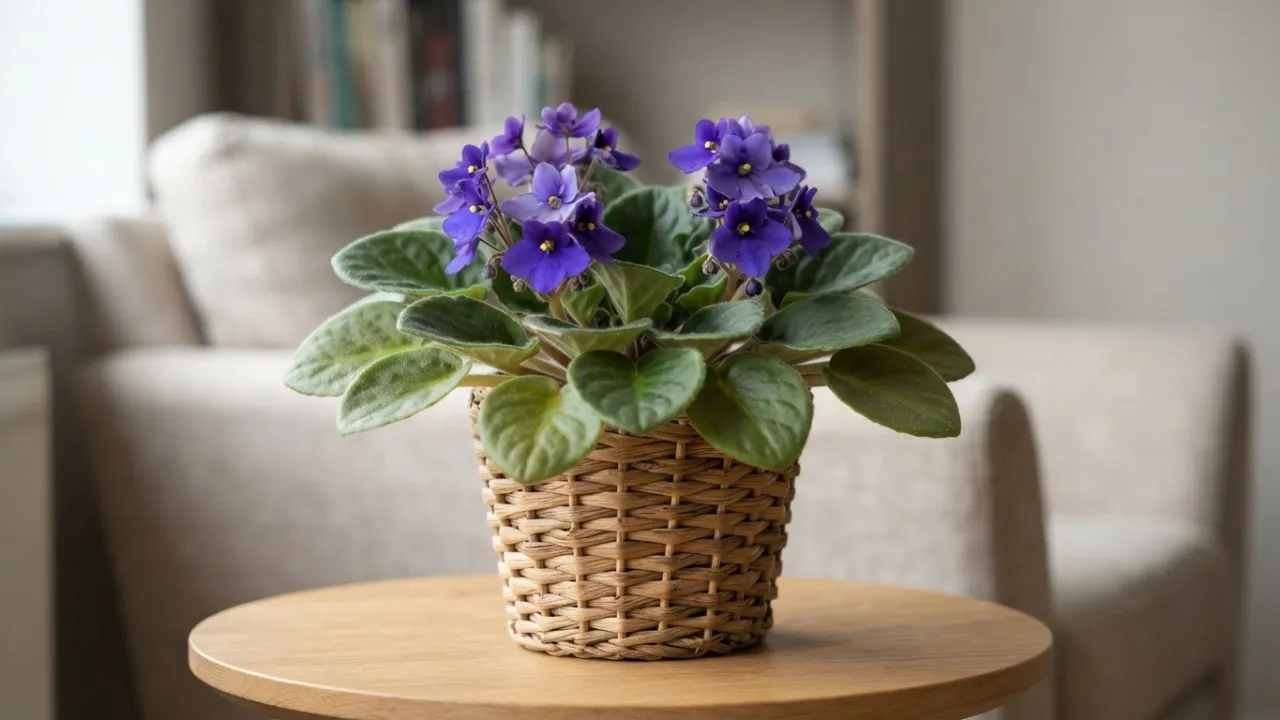 Every 5 days
 African Violet
Saintpaulia ionantha

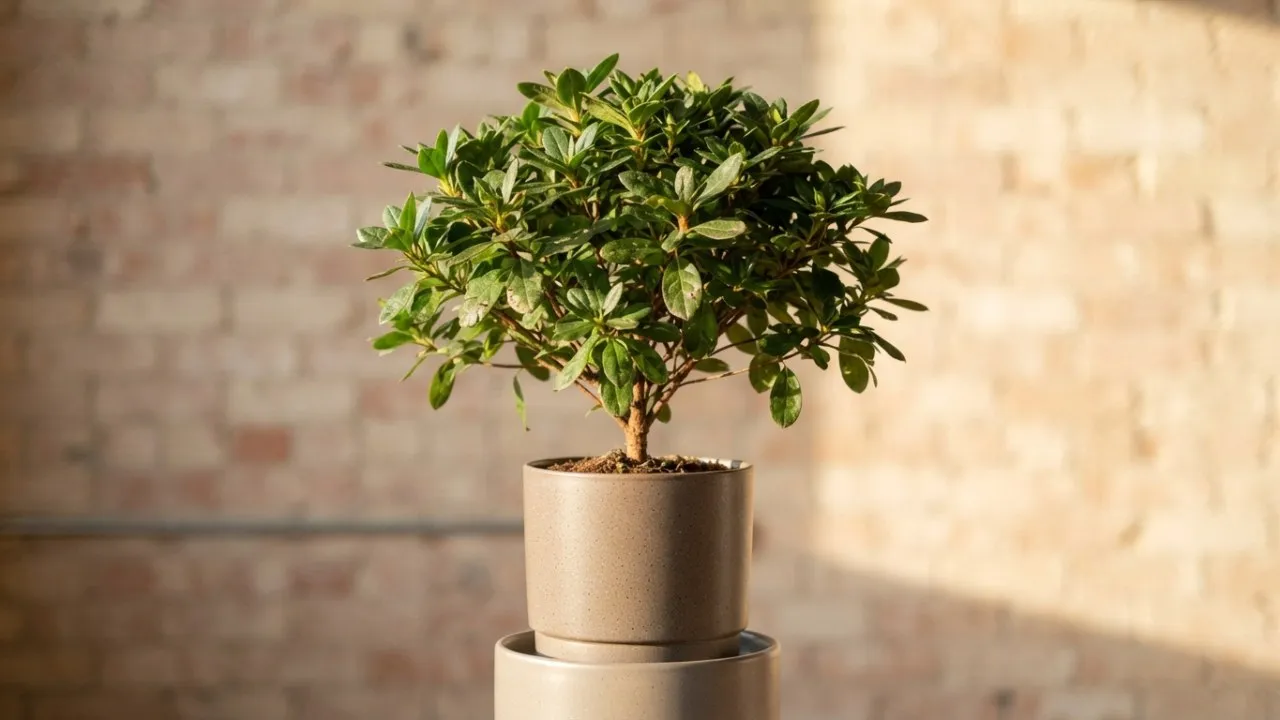 Every 3 days
 Azalea
Rhododendron simsii
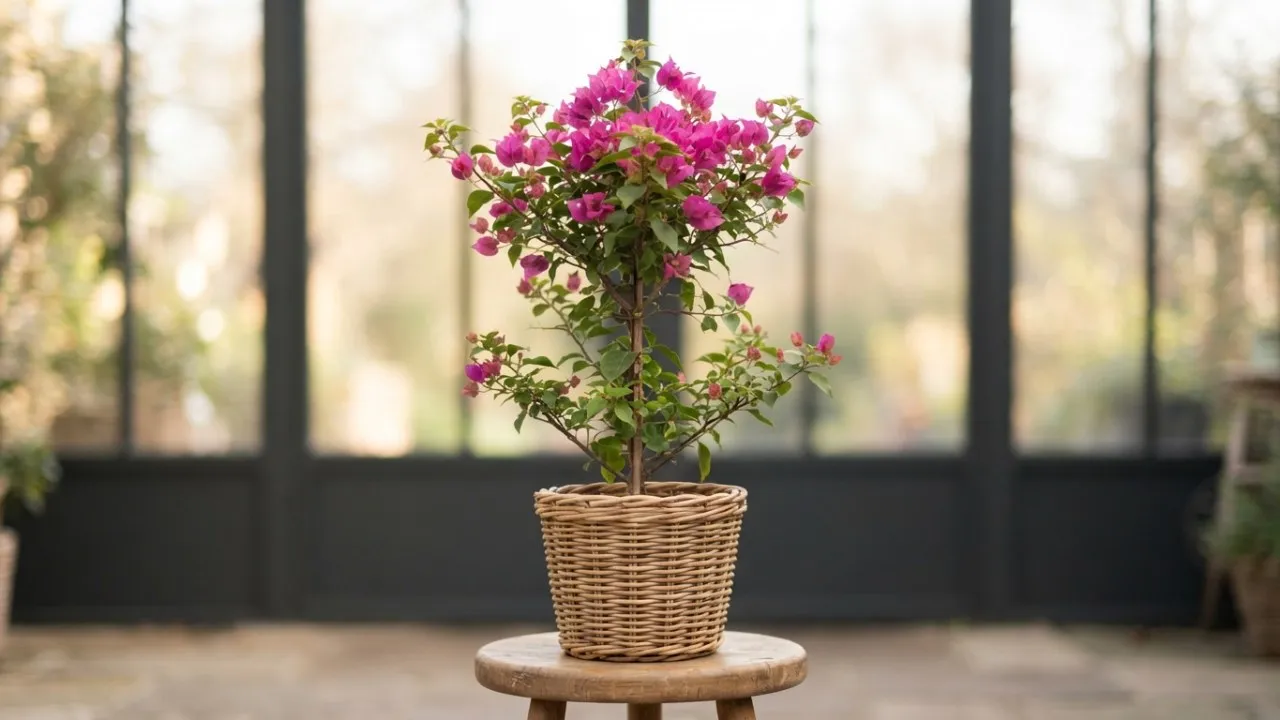 Every 5 days
 Bougainvillea
Bougainvillea glabra
 Every 3 days
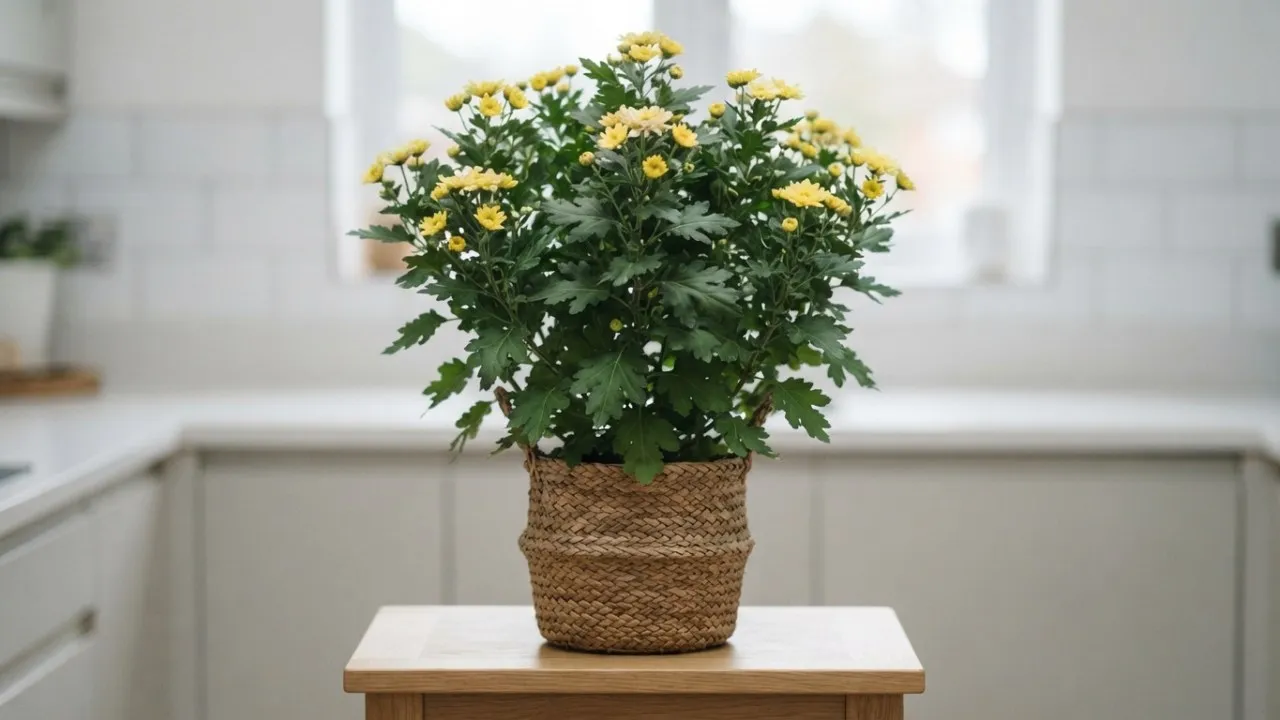
 Chrysanthemum
Chrysanthemum morifolium