
Variety Tropical · Asparagaceae
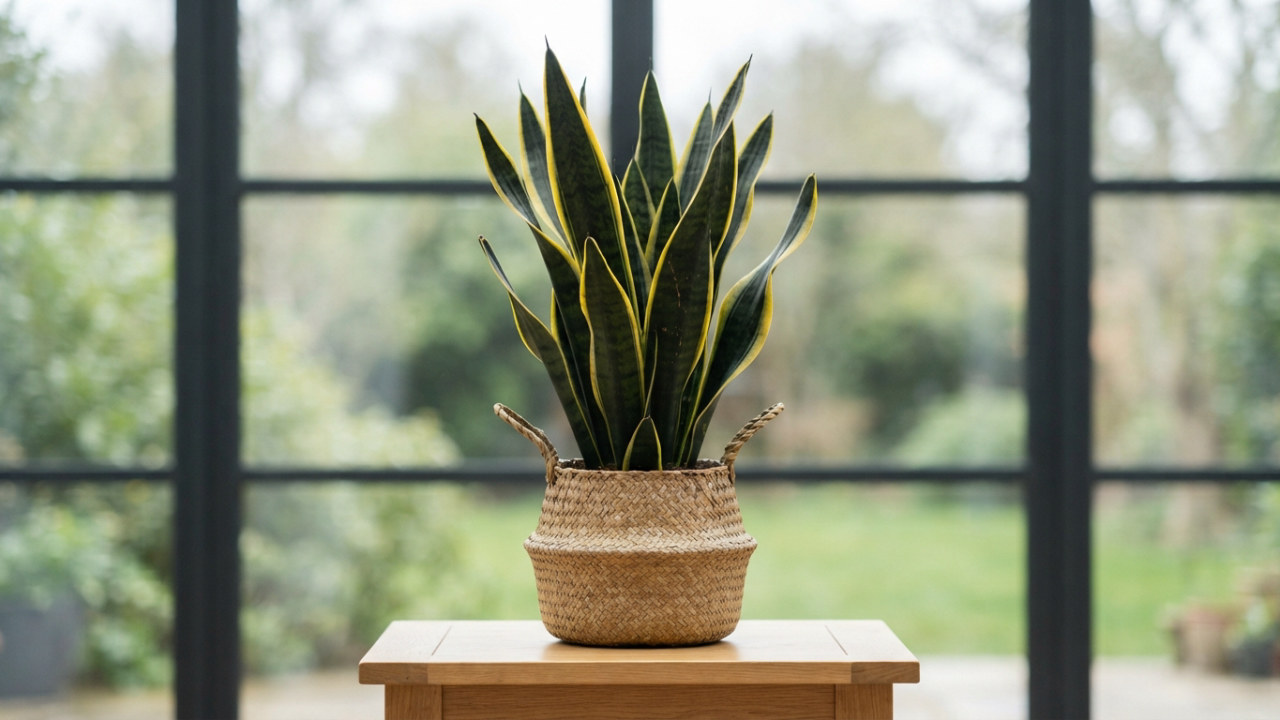
Snake Plant 'Black Gold'
Dracaena trifasciata 'Black Gold' · A variety of Snake Plant
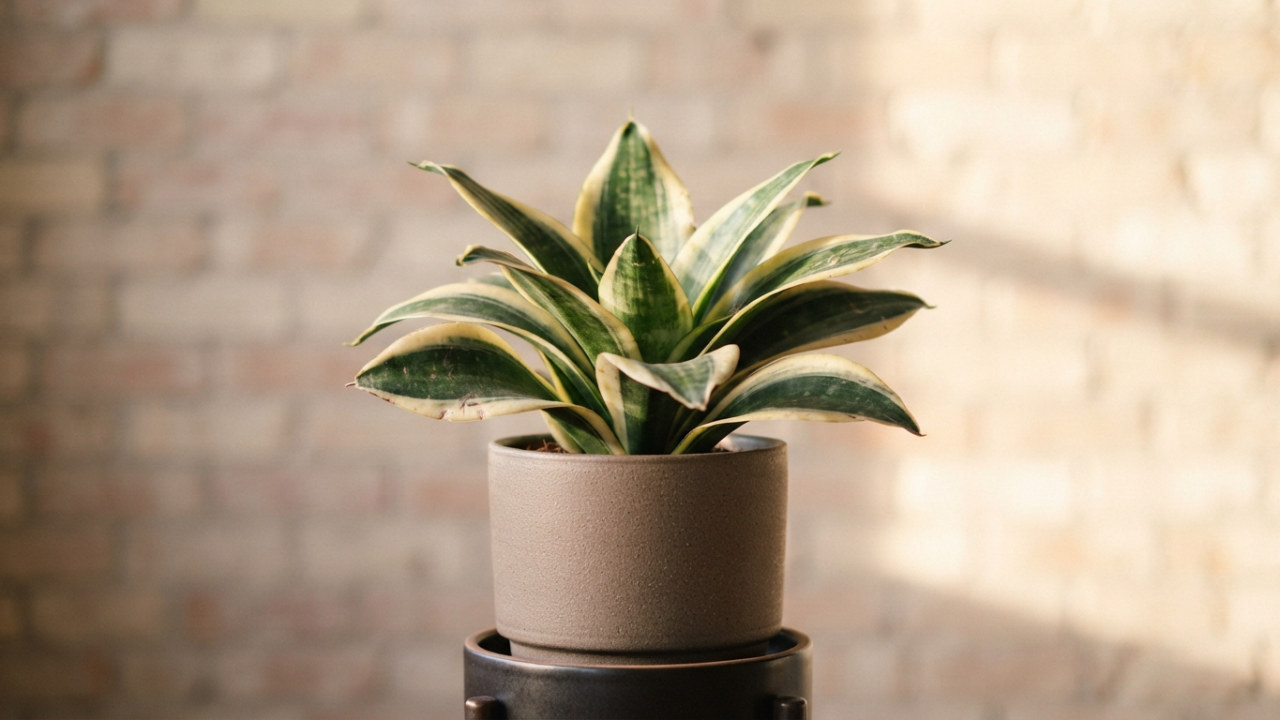
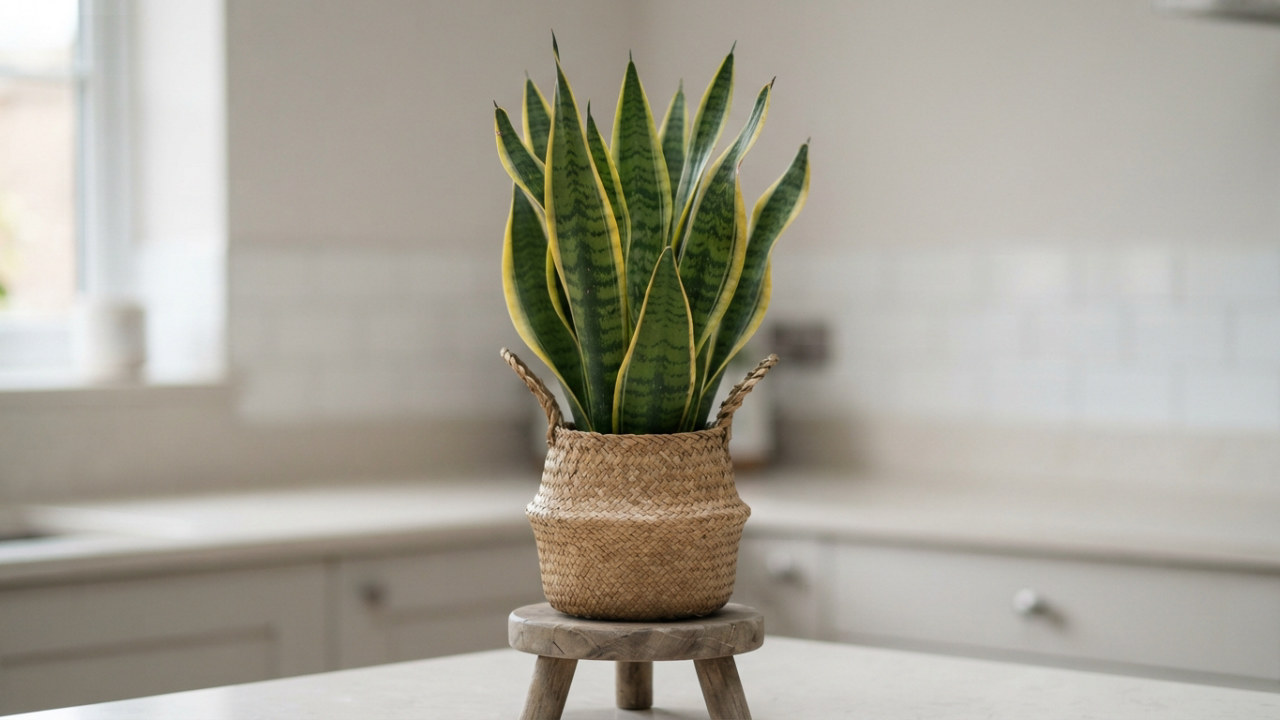
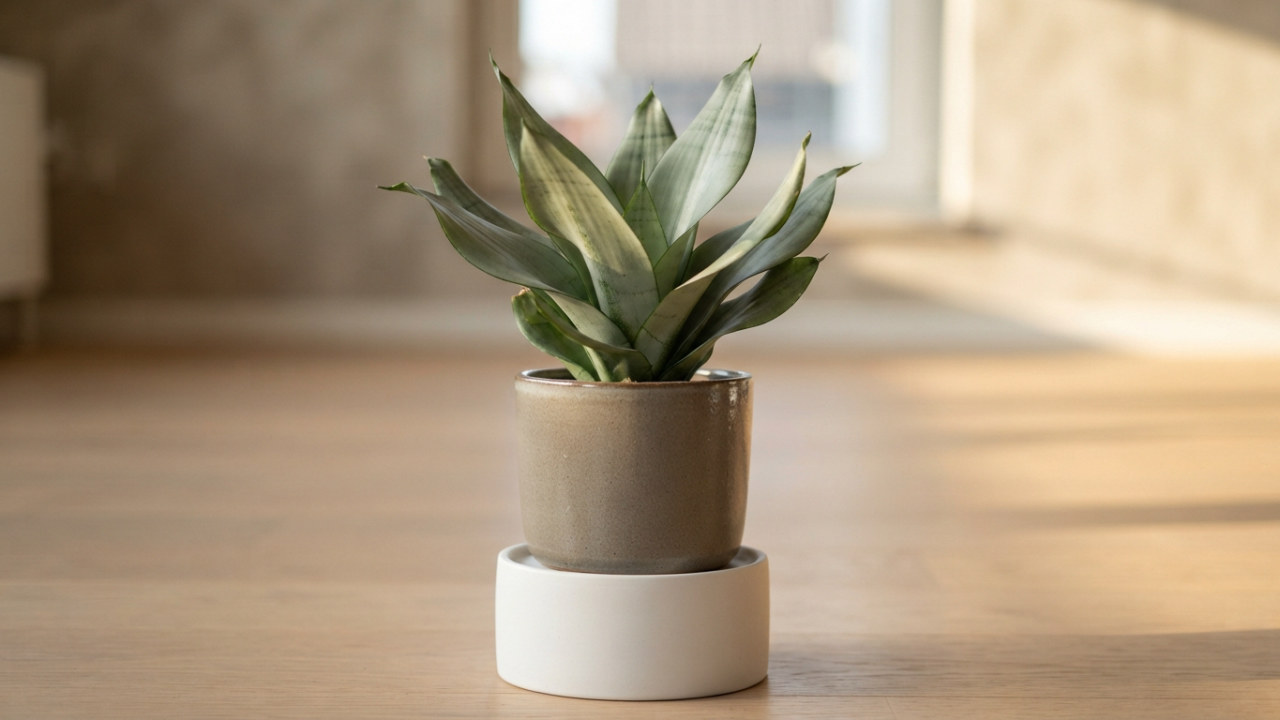
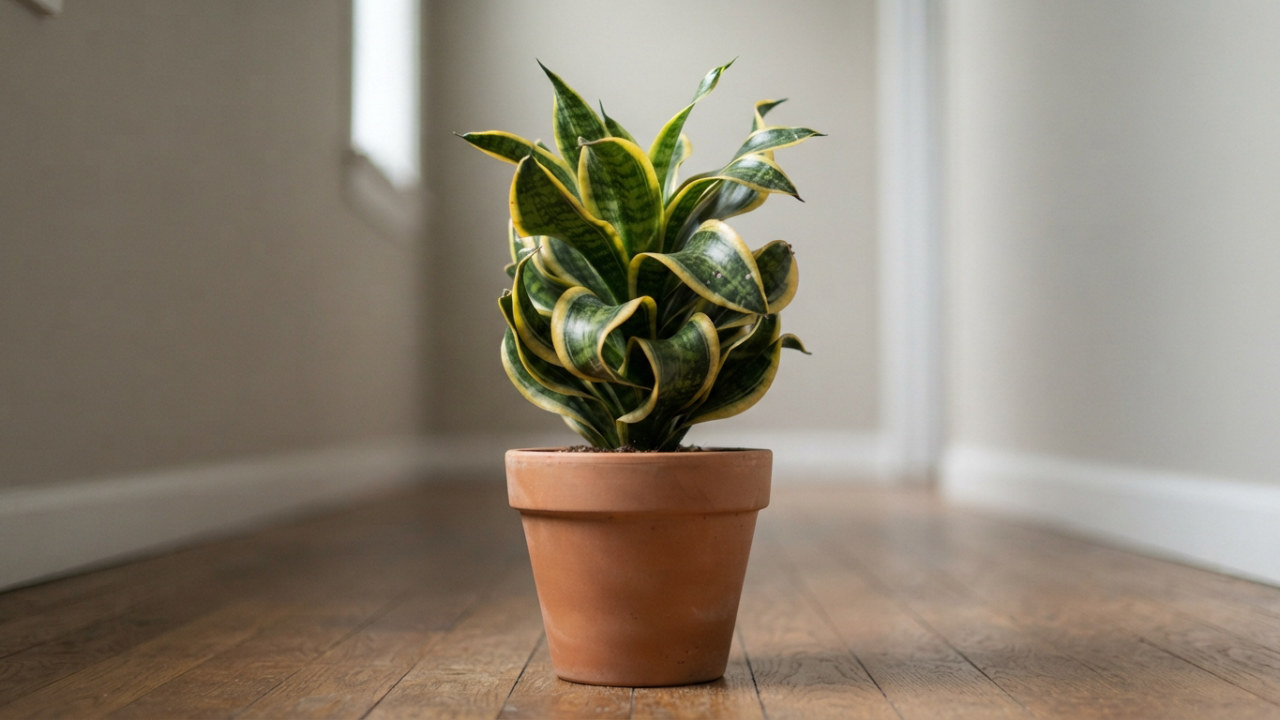
A tall, upright snake plant with near-black blades edged in gold, a contrast that is sharpest in bright light.
- Every 18 daysWatering
- Bright indirect lightLight
- 30–60 %Humidity
- 13–30 °CTemperature


Other varieties 9
How to care for your Snake Plant 'Black Gold'
Everything you need to keep your Snake Plant 'Black Gold' healthy: watering, light, humidity, feeding, repotting and pruning.
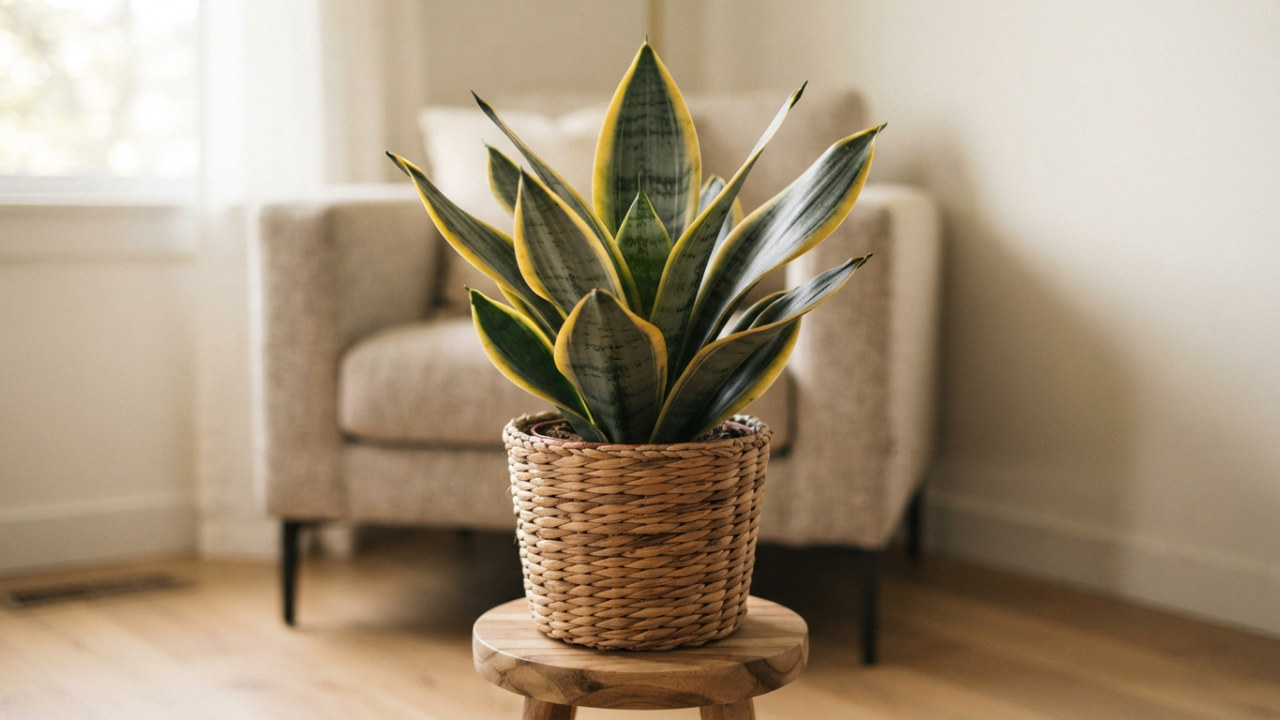
'Black Gold' is a tall, upright cultivar of the snake plant, Dracaena trifasciata, which many growers still sell under its former name, Sansevieria. Its stiff, sword-shaped blades rise straight from a slowly spreading clump, and the plant reaches 60 to 90 centimeters indoors. The very dark green, almost black centers are framed by a bright golden-yellow edge, a contrast that stays vivid in bright light and dulls in dim rooms.

How to recognise Snake Plant 'Black Gold'
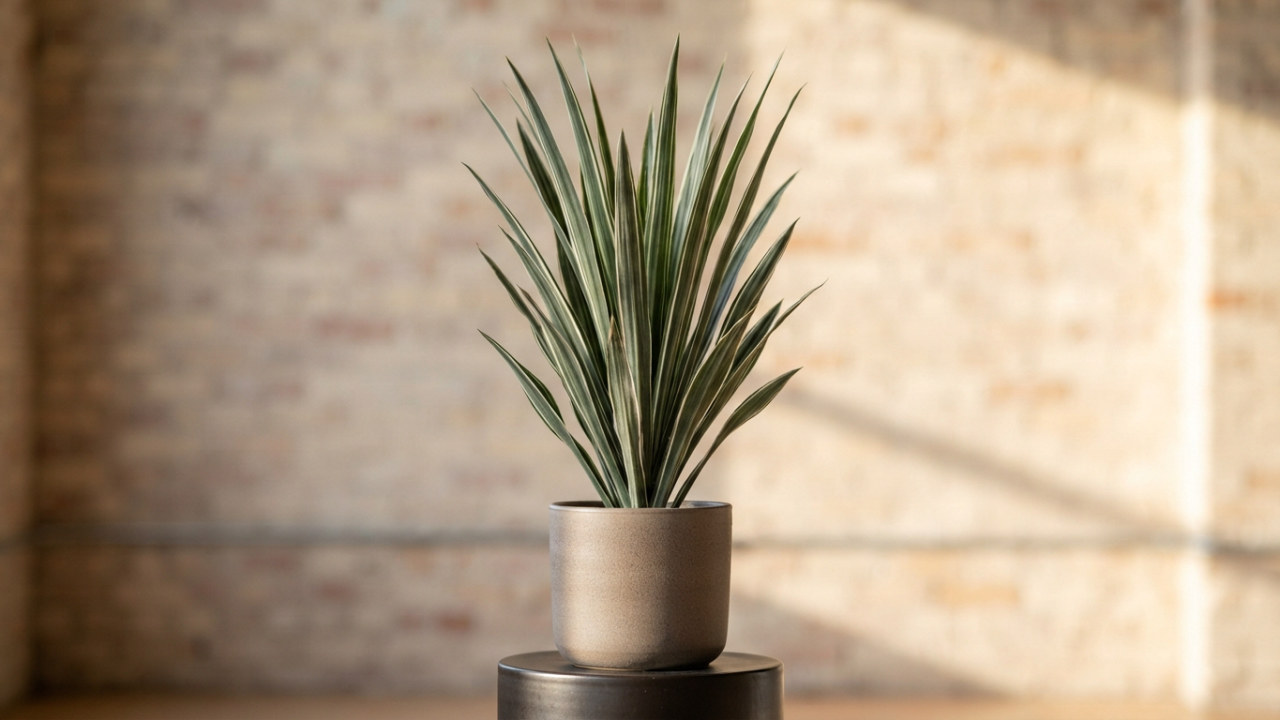
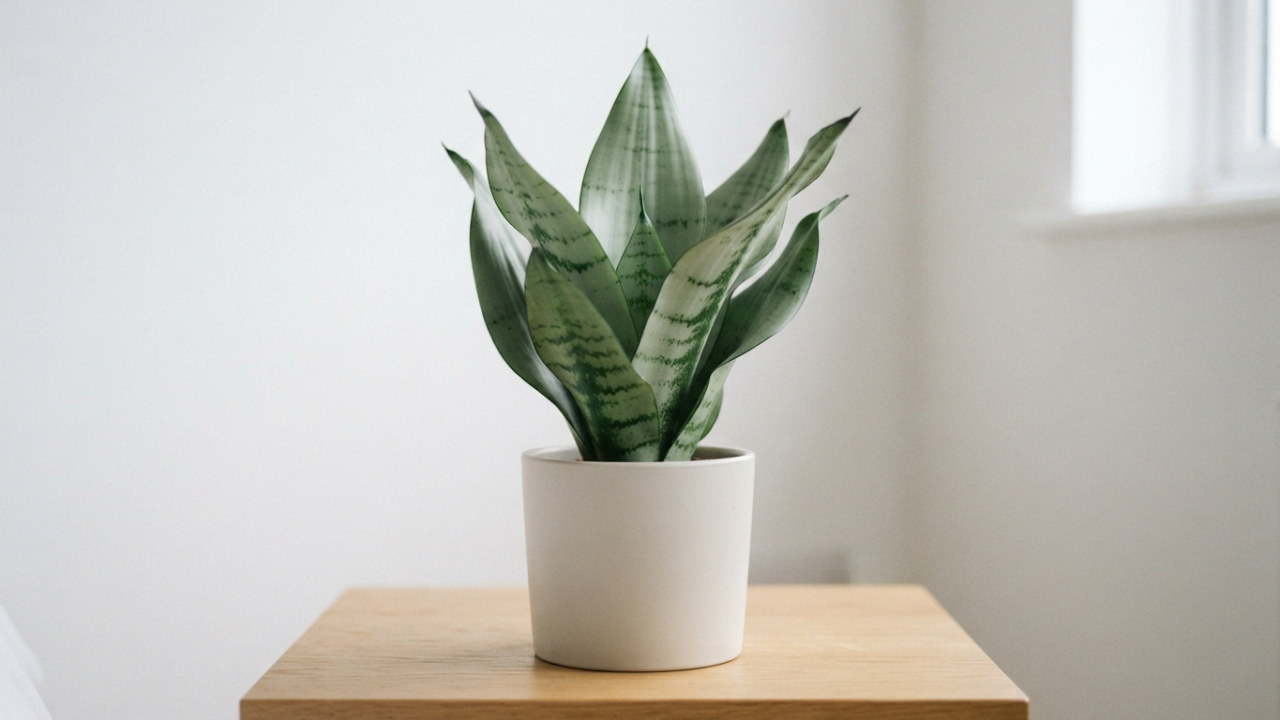
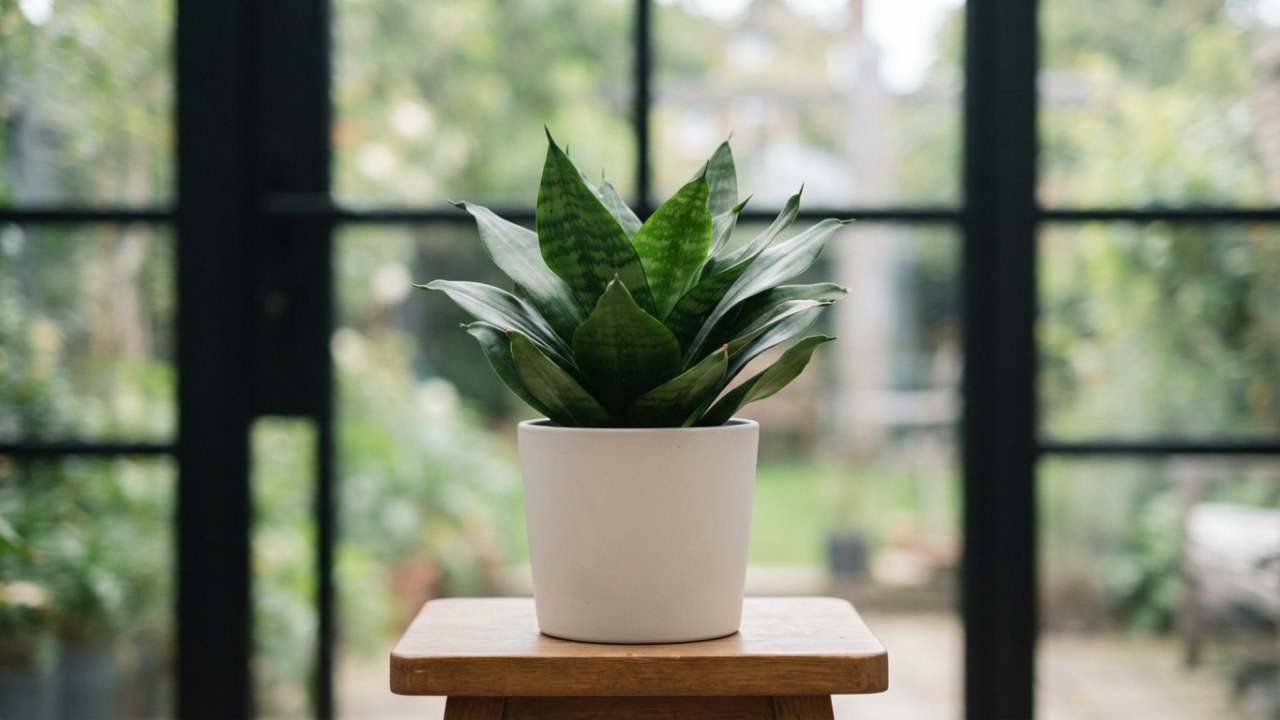
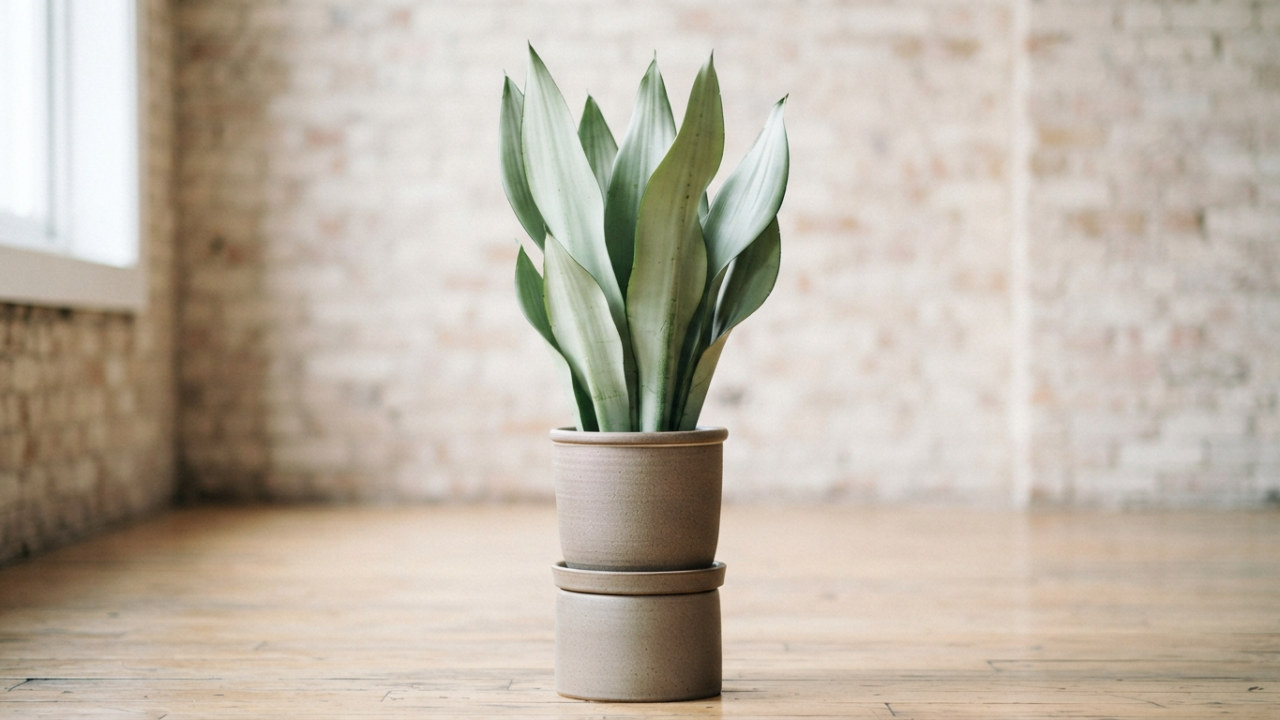
Very dark green, almost black blades with a bright golden-yellow edge, stiff and held upright like swords; 'Laurentii' has a lighter green center. The plant is taller and more erect than the short, rosette-forming 'Hahnii' types, and its dark center and gold edge set it apart from the pale 'Moonshine' and the white-striped 'Bantel's Sensation'.

Watering your Snake Plant 'Black Gold'
Every 18 days
Water only when the mix is dry through the whole pot, then soak it and let the excess drain away: about every 2 to 3 weeks while the plant grows, and about once a month in the cool season.
How to know it needs water
- A finger or skewer pushed into the pot meets no moisture at all
- The blades feel a little less firm and show faint lengthwise creases

How much light a Snake Plant 'Black Gold' needs
Bright indirect light
Bright indirect light keeps the gold edge vivid against the dark center; dimmer spots are tolerated, but the contrast fades, and direct sun should not exceed about two hours a day.
- Direct sun tolerated
- 0 to 2 h a day
- Orientations that suit it
- North, North-east, East, South-east, South, South-west, West, North-west

Humidity and misting
30–60 %
Ordinary room air is fine, anywhere between 30 and 60% humidity. Do not mist: the thick blades need no extra humidity, and water trapped at the base of the clump can start a rot.

Feeding and fertiliser
Every 28 days
Feed about every four weeks from April to September, and not at all from October to March.
- Recommended feed
- Balanced liquid fertilizer, diluted to half the strength on the label. · 2-1-2

Repotting your Snake Plant 'Black Gold'
Every 36 months
Move it to a pot only one size larger, in a gritty cactus mix lightened with perlite and coarse sand; a heavy terracotta or ceramic pot keeps the tall blades from tipping it over.
- When
- Spring, from March to May.
- Potting mix
- Cactus and succulent mix
- Mix in
- perlite, coarse sand
The tell-tale signs
- Thick rhizomes press against the pot wall or push the plant upward
- The pot is packed with roots and water runs straight through it

Pruning your Snake Plant 'Black Gold'
Whenever a blade is damaged, soft or yellowing, at any time of year. Cut the blade off at the base with a clean, sharp knife; shortening it only leaves a dry, brown tip that never regrows.

Through the year
Watering is not set once and for all: it follows the light and the growth. Allow 36 days between waterings in the depth of winter, against 16 in the growing season.
- 32 J
- 29 F
- 25 M
- 18 A
- 16 M
- 16 J
- 16 J
- 16 A
- 18 S
- 22 O
- 27 N
- 36 D
Active growth · Days between waterings

Toxicity
The saponins in the leaves are mildly toxic to cats and dogs, causing drooling, vomiting and diarrhea if chewed.

Good to know
- Like other yellow-edged snake plants, it usually grows plain green from a leaf cutting, so dividing the clump is the way to keep the gold edge
- Snake plants take in carbon dioxide mainly at night, a water-saving habit called CAM photosynthesis

Frequently asked questions about the Snake Plant 'Black Gold'
How do you care for a Snake Plant 'Black Gold'?
Water it every 18 days. Give it bright indirect light. Ideal humidity: 30–60 %. Ideal temperature: 13–30 °C. Water only when the mix is dry through the whole pot, then soak it and let the excess drain away: about every 2 to 3 weeks while the plant grows, and about once a month in the cool season.
How often should you water a Snake Plant 'Black Gold'?
Every 18 days Water only when the mix is dry through the whole pot, then soak it and let the excess drain away: about every 2 to 3 weeks while the plant grows, and about once a month in the cool season. How to know it needs water : A finger or skewer pushed into the pot meets no moisture at all ; The blades feel a little less firm and show faint lengthwise creases.
How much light does a Snake Plant 'Black Gold' need?
Bright indirect light Bright indirect light keeps the gold edge vivid against the dark center; dimmer spots are tolerated, but the contrast fades, and direct sun should not exceed about two hours a day. 0 to 2 h a day
Is the Snake Plant 'Black Gold' toxic to cats and dogs?
Yes. The saponins in the leaves are mildly toxic to cats and dogs, causing drooling, vomiting and diarrhea if chewed. Keep it out of reach of your pets and call a vet if any is swallowed.
Why are my Snake Plant 'Black Gold' leaves turning yellow?
Yellowing most often comes from too much water: the mix stays wet and the roots suffocate. Check that the pot drains, empty the saucer, and let the mix dry before watering again. Too little light or a cold draught cause the same symptom.
When should you repot a Snake Plant 'Black Gold'?
Repot every 36 months, ideally in spring, from march to may.. Move it to a pot only one size larger, in a gritty cactus mix lightened with perlite and coarse sand; a heavy terracotta or ceramic pot keeps the tall blades from tipping it over.

At a glance
- Family
- Asparagaceae
- Category
- Tropical
- Placement
- Indoor
- Mature height
- 90 cm
- Growth
- Slow
- Temperature
- 13–30 °C
- Pot materials
- terracotta, ceramic, plastic
- Growth
- Reaches maturity in 5 years
These figures are for an average plant. In the app they are recalculated for yours, based on your room, its orientation and the season.
And for your plant, in your home?
In the app this plant becomes yours: a watering schedule tuned to your home, health tracking from photos, and reminders at the right moment.
In the same spirit
 Every 7 days


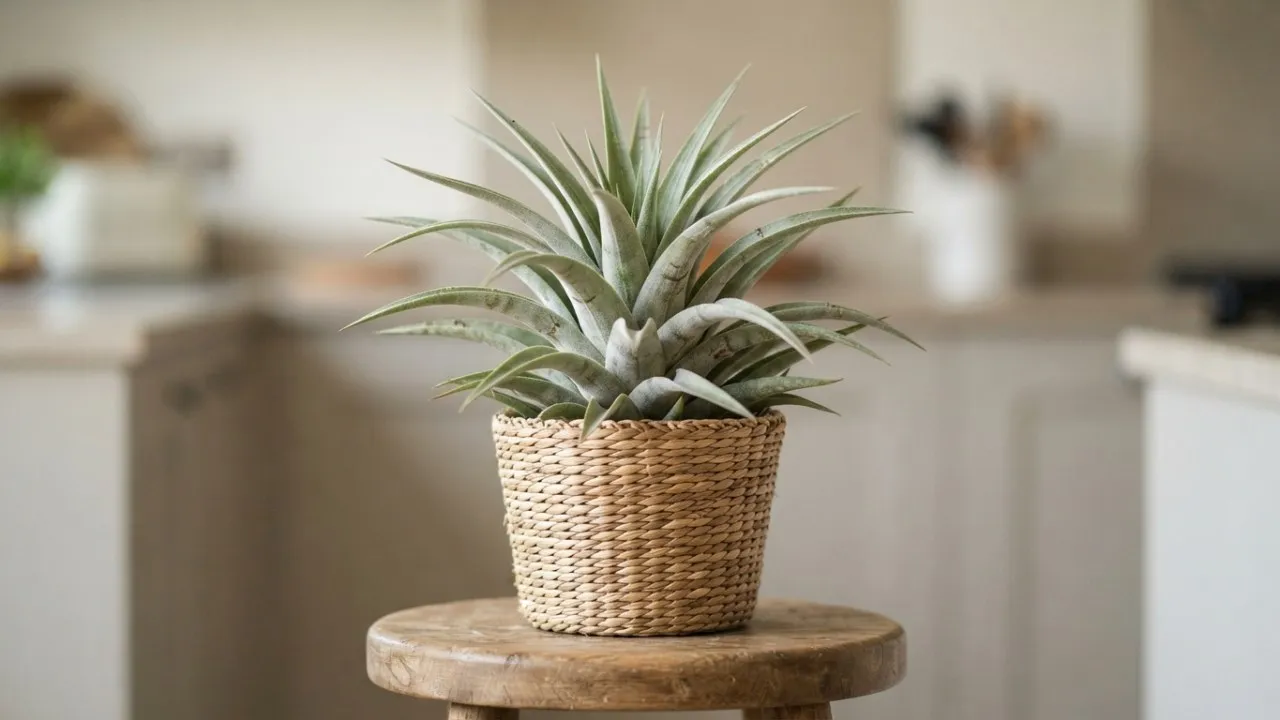
Air Plant
Tillandsia ionantha

 Every 6 days
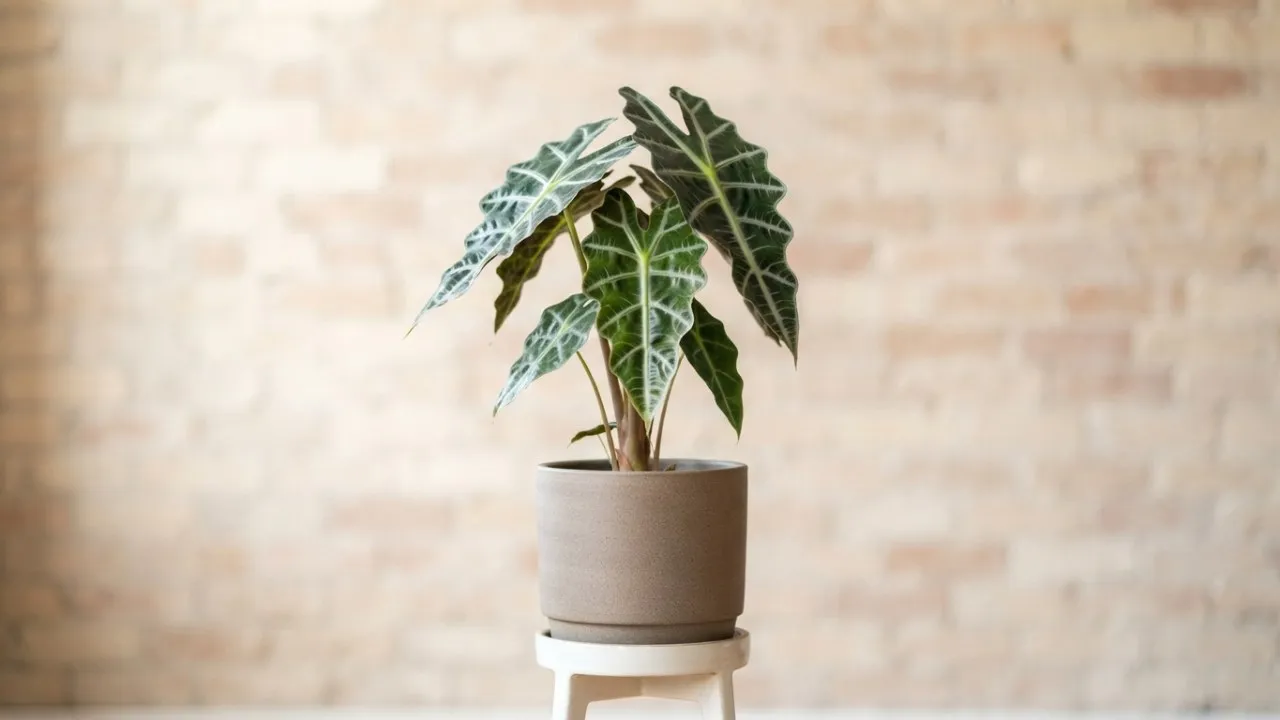
Alocasia amazonica
Alocasia amazonica
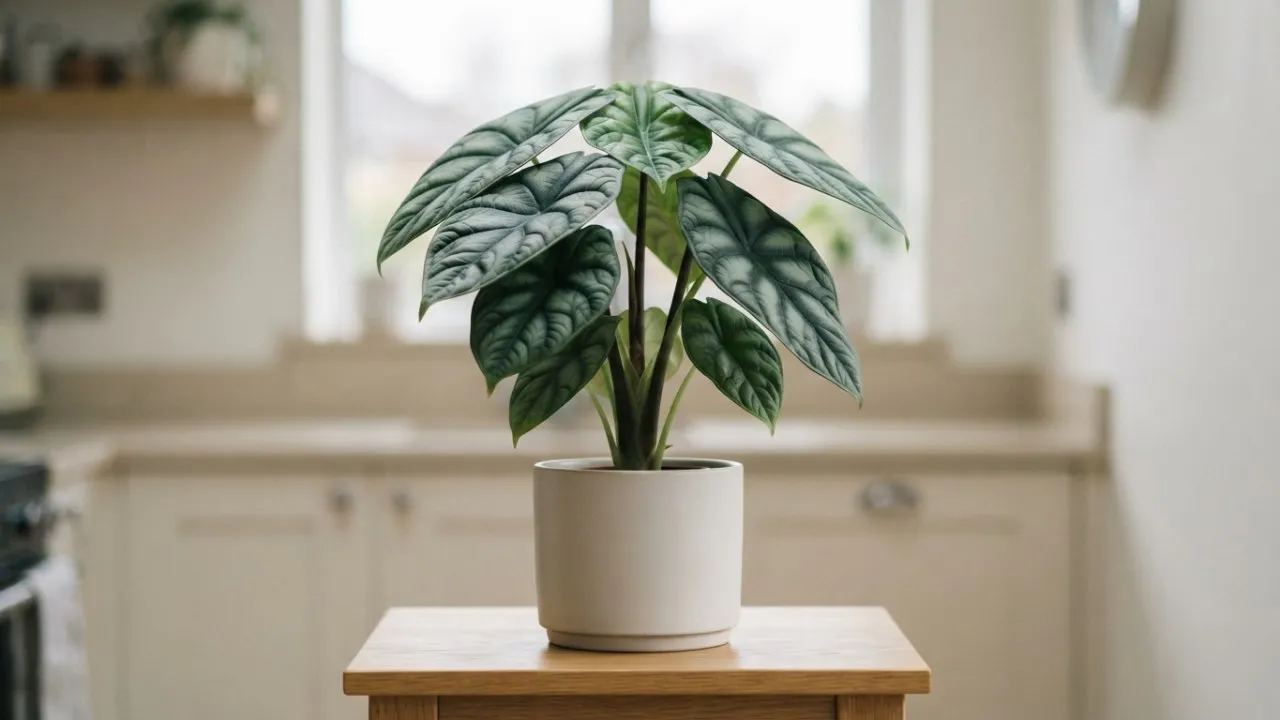 Every 7 days
Alocasia baginda
Alocasia baginda
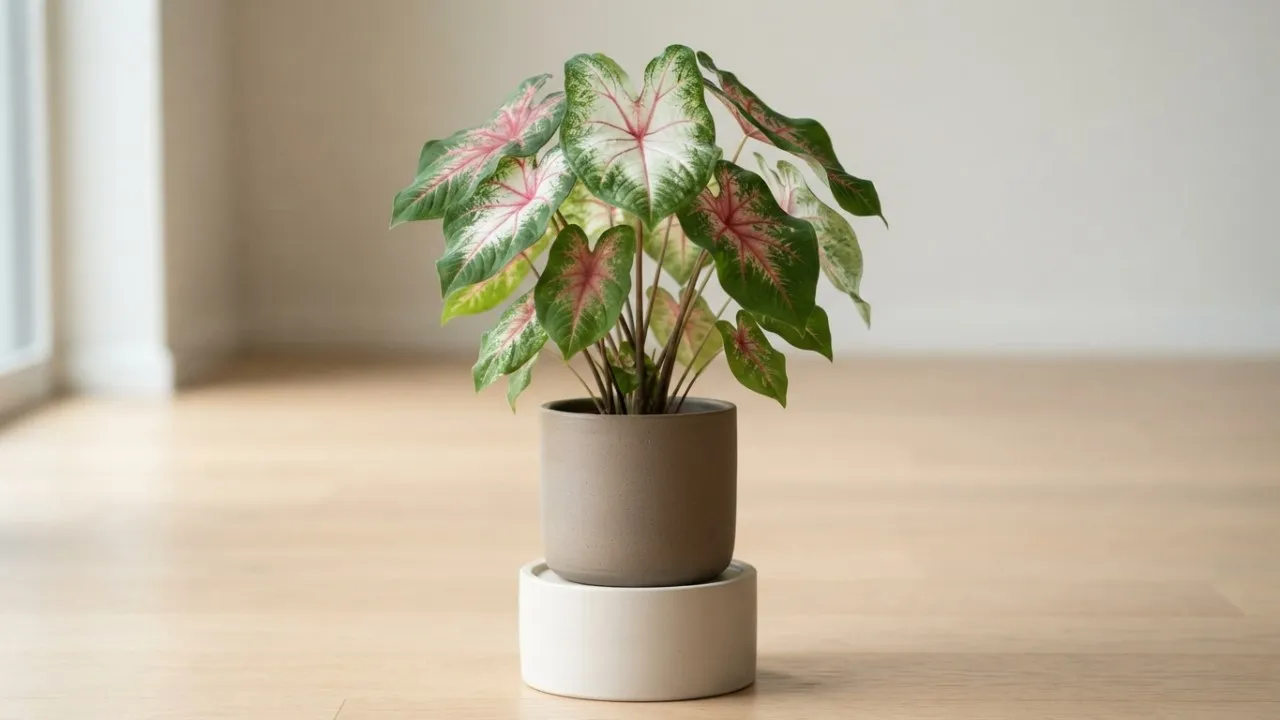 Every 4 days
Angel Wings
Caladium bicolor
