
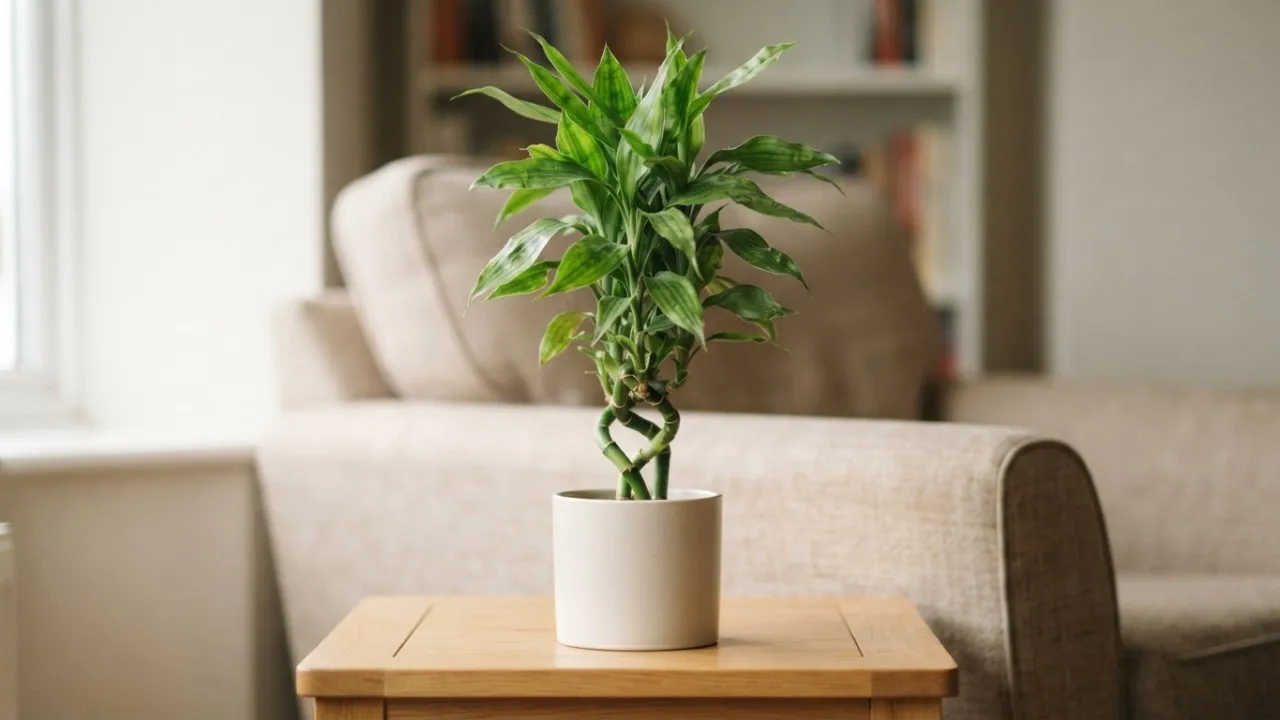
Lucky Bamboo
Dracaena sanderiana
A popular houseplant with twisted green stems, a symbol of luck and prosperity in Asian tradition.
The essentials at a glance
-
Watering
Every 7 days
-
Light
Medium light
-
Humidity
50–70 %
-
Temperature
18–28 °C


How to care for your Lucky Bamboo
Everything you need to keep your Lucky Bamboo healthy: watering, light, humidity, feeding, repotting and pruning.
Lucky bamboo is actually a Dracaena native to West Africa, and not a bamboo despite its striking resemblance. Very popular in interior decoration, its stems can be straight, spiraled, or braided depending on the nursery shaping. It can be grown in either water with pebbles or in potting soil, making it a particularly versatile plant. Its association with luck and feng shui makes it a highly appreciated gift in many Asian cultures.

Watering your Lucky Bamboo
Every 7 days
If grown in water: change the water every 1–2 weeks with filtered or demineralised water. If grown in soil: keep the substrate slightly moist without excess. Avoid chlorinated tap water.
How to know it needs water
- Water in the vase becoming cloudy or greenish
- Water level dropping below the roots
- In soil: substrate dry at the surface

How much light a Lucky Bamboo needs
Medium light
Moderate to bright indirect light. Avoid direct sun which scorches the leaves. Tolerates low-light situations but growth will be limited.
- Direct sun tolerated
- 0 to 1 h a day
- Orientations that suit it
- North, North-east, East, North-west, West, South-east, South-west

Humidity and misting
50–70 %
50–70% Mist the foliage regularly to maintain humidity. Brown tips on leaves often indicate air that is too dry.

Feeding and fertiliser
Every 60 days
Fertilize very sparingly — a drop of fertilizer in the water every 2 months is sufficient. In excess, fertilizer burns the roots, especially in hydroculture. Yellow leaves are often a sign of over-fertilization.
- Recommended feed
- Very dilute liquid fertilizer (1/10th of the normal dose). · 2-2-2

Repotting your Lucky Bamboo
Every 24 months
In water: transfer to a larger vase with pebbles for support. In soil: use light, well-draining compost. Both growing methods work very well.
- When
- Spring (April–May)
- Potting mix
- Grown in water
The tell-tale signs
- Roots too cramped in the container
- Water turning green very quickly despite frequent changes
- Plant leaning or becoming unstable

Pruning your Lucky Bamboo
When stems become too long or leaves yellow at the base. Cut lateral shoots at their base with a clean tool. The main stems should not be pruned. Remove yellow or damaged leaves by hand.

Through the year
Watering is not set once and for all: it follows the light and the growth. Allow 8 days between waterings in the depth of winter, against 6 in the growing season.
- 8 J
- 7 F
- 7 M
- 7 A
- 6 M
- 6 J
- 6 J
- 7 A
- 7 S
- 7 O
- 8 N
- 8 D
Active growth · Days between waterings

Toxicity
Toxic to cats and dogs. Ingestion can cause vomiting, diarrhoea, and hypersalivation in pets.

Good to know
- Despite its name, lucky bamboo is not a bamboo at all but a member of the dracaena family, native to the tropical forests of West Africa.
- In feng shui, the number of stalks has meaning: 2 for love, 3 for happiness, 5 for health, and 8 for prosperity.

Frequently asked questions about the Lucky Bamboo
How do you care for a Lucky Bamboo?
Water it every 7 days. Give it medium light. Ideal humidity: 50–70 %. Ideal temperature: 18–28 °C. If grown in water: change the water every 1–2 weeks with filtered or demineralised water. If grown in soil: keep the substrate slightly moist without excess. Avoid chlorinated tap water.
How often should you water a Lucky Bamboo?
Every 7 days If grown in water: change the water every 1–2 weeks with filtered or demineralised water. If grown in soil: keep the substrate slightly moist without excess. Avoid chlorinated tap water. How to know it needs water : Water in the vase becoming cloudy or greenish ; Water level dropping below the roots ; In soil: substrate dry at the surface.
How much light does a Lucky Bamboo need?
Medium light Moderate to bright indirect light. Avoid direct sun which scorches the leaves. Tolerates low-light situations but growth will be limited. 0 to 1 h a day
Is the Lucky Bamboo toxic to cats and dogs?
Yes. Toxic to cats and dogs. Ingestion can cause vomiting, diarrhoea, and hypersalivation in pets. Keep it out of reach of your pets and call a vet if any is swallowed.
Why are my Lucky Bamboo leaves turning yellow?
Yellowing most often comes from too much water: the mix stays wet and the roots suffocate. Check that the pot drains, empty the saucer, and let the mix dry before watering again. Too little light or a cold draught cause the same symptom.
When should you repot a Lucky Bamboo?
Repot every 24 months, ideally in spring (april–may). In water: transfer to a larger vase with pebbles for support. In soil: use light, well-draining compost. Both growing methods work very well.

At a glance
- Family
- Asparagaceae
- Category
- Tropical
- Placement
- Indoor
- Mature height
- 1 m
- Growth
- Moderate
- Temperature
- 18–28 °C
- Pot materials
- ceramic, plastic, glass
- Growth
- Reaches maturity in 5 years
These figures are for an average plant. In the app they are recalculated for yours, based on your room, its orientation and the season.
And for your plant, in your home?
In the app this plant becomes yours: a watering schedule tuned to your home, health tracking from photos, and reminders at the right moment.
In the same spirit
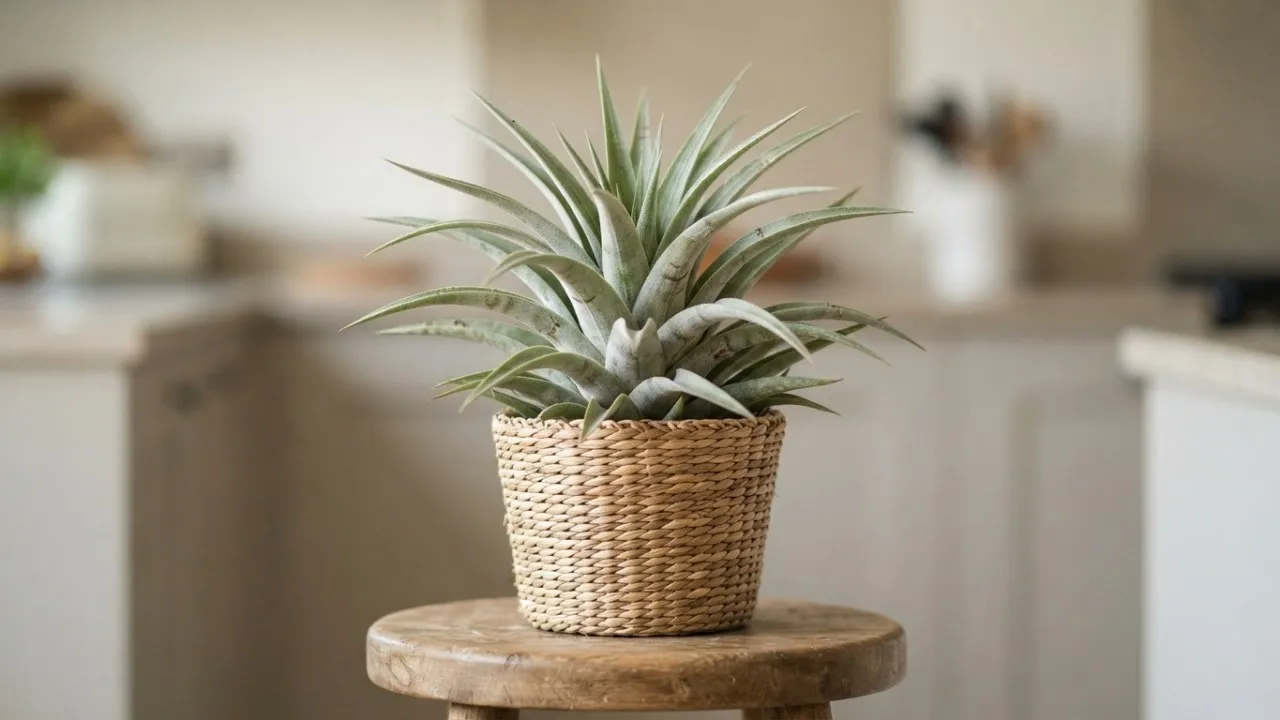 Every 4 days
 Air Plant
Tillandsia ionantha

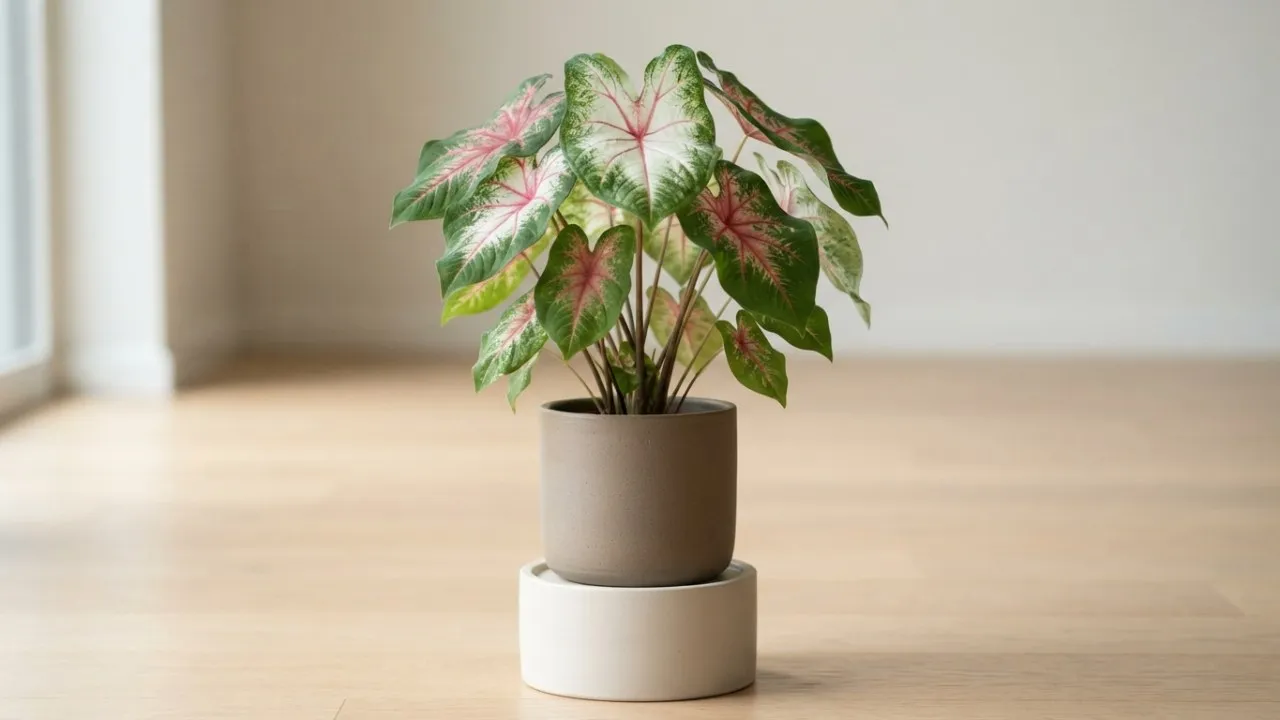 Every 3 days
 Angel Wings
Caladium bicolor
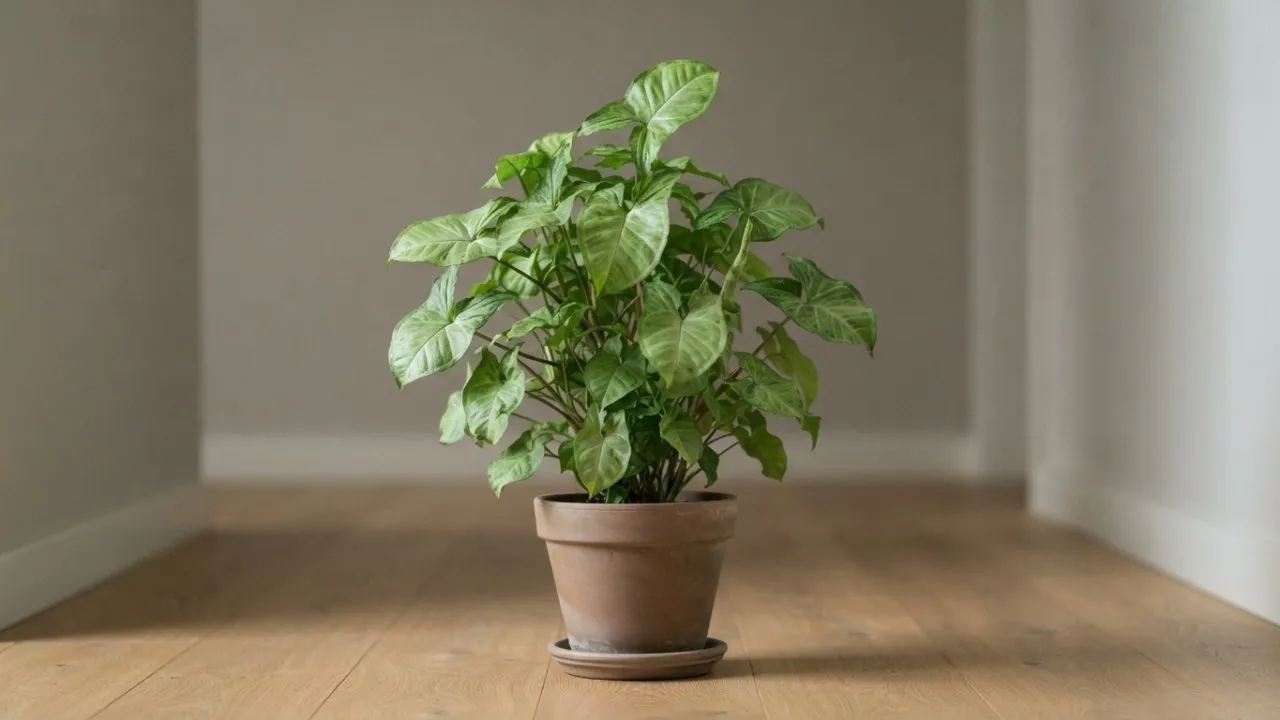 Every 7 days
 Arrowhead Plant
Syngonium podophyllum
 Every 10 days
 Baby Rubber Plant
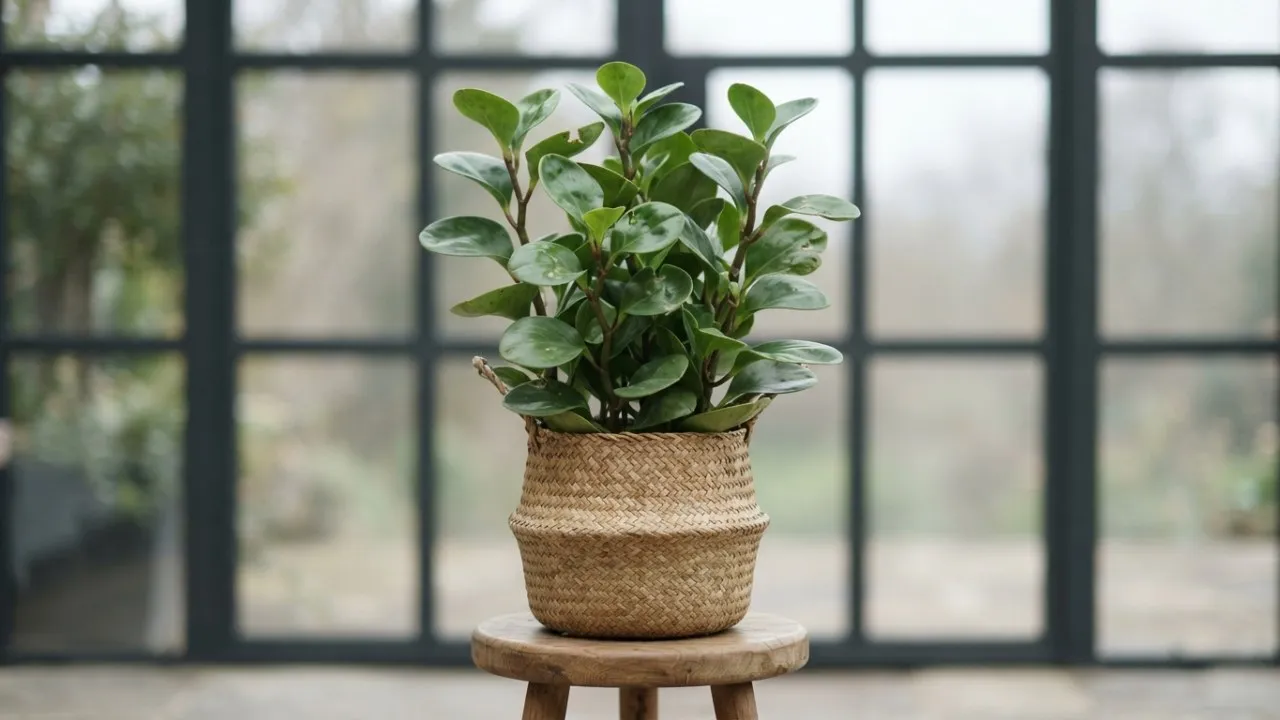
Peperomia obtusifolia