
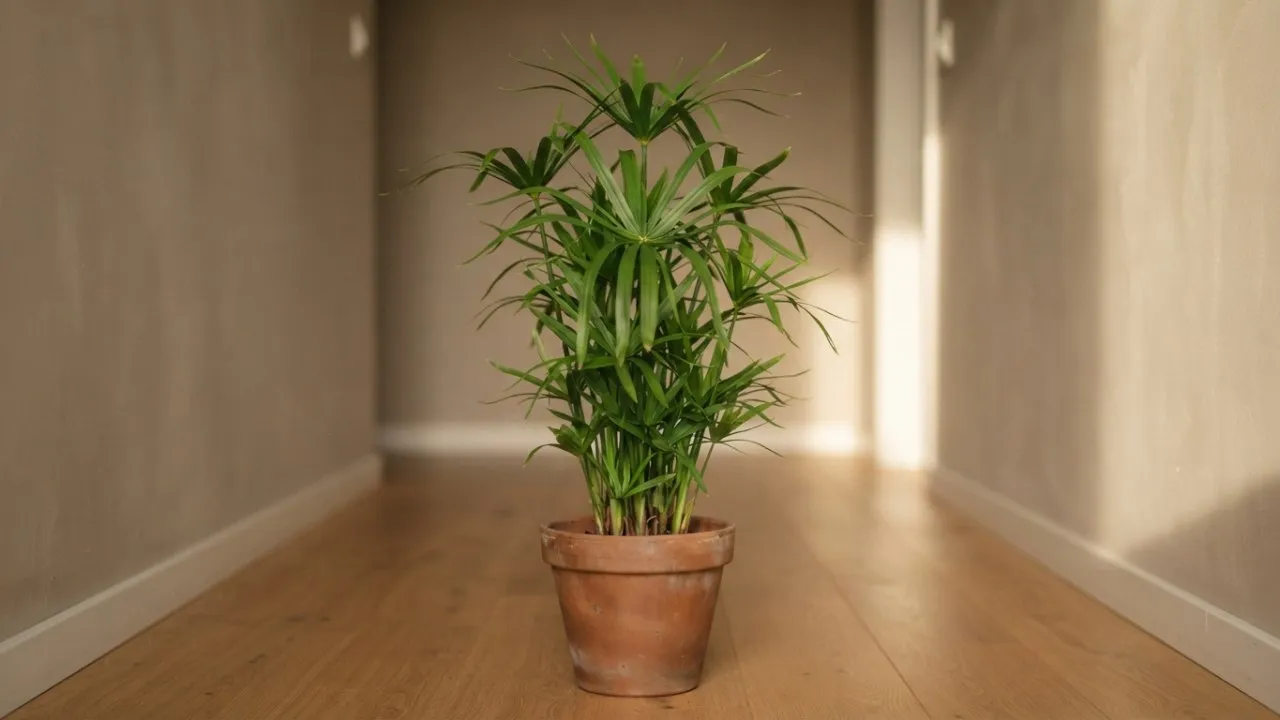
Umbrella Plant
Cyperus alternifolius
An elegant marsh plant with stems topped by radiating umbrellas of fine leaves, requiring constantly wet feet.
The essentials at a glance
-
Watering
Every day
-
Light
Bright indirect light
-
Humidity
60–80 %
-
Temperature
12–28 °C


How to care for your Umbrella Plant
Everything you need to keep your Umbrella Plant healthy: watering, light, humidity, feeding, repotting and pruning.
Cyperus alternifolius is a semi-aquatic perennial native to Madagascar, naturalized in many tropical and subtropical regions. Its long, stiff green stems topped with star-shaped umbrellas of fine bracts resemble miniature parasols, earning it the umbrella plant nickname. It is one of the few houseplants that demands permanently wet feet, making it an ideal choice for gardeners who tend to overwater. Its growth is rapid and vigorous when conditions are met.

Watering your Umbrella Plant
Every day
Umbrella plant is a marsh plant that needs permanently wet feet. Always leave water in the saucer or place the pot in a planter filled with water. Never allow the substrate to dry out.
How to know it needs water
- Water level in the saucer dry
- Stems beginning to yellow and droop
- Leaf tips browning and drying

How much light a Umbrella Plant needs
Bright indirect light
Bright to semi-shade. Tolerates moderate direct sun. Tolerates moderately lit situations but grows more vigorously in bright light.
- Direct sun tolerated
- 1 to 4 h a day
- Orientations that suit it
- North, North-east, East, South-east, South, South-west, West, North-west

Humidity and misting
60–80 %
60–80% Mist the foliage regularly to replicate its natural marshy habitat. Umbrella plant loves humidity in all forms.

Feeding and fertiliser
Every 14 days
Fertilize every 2 weeks from March to October, directly in the watering water. Umbrella plant is a vigorous plant that consumes high nutrients for its rapid growth.
- Recommended feed
- Liquid fertilizer for foliage or aquatic plants. · 3-1-2

Repotting your Umbrella Plant
Every 12 months
Divide the clump and replant in rich compost with added compost. Choose a wide, deep pot. Return immediately to a permanent water bath after repotting.
- When
- Spring (March–April)
- Potting mix
- All-purpose potting mix
- Mix in
- perlite, coco fibre
The tell-tale signs
- Stems very crowded and clump overflowing the pot
- Roots colonising the entire saucer
- Vigour of new stems decreasing

Pruning your Umbrella Plant
Remove yellowed or dry stems as they appear. Rejuvenate the clump in late winter. Cut faded or yellow stems at the base with clean secateurs. In late winter, the entire clump can be cut back to 10 cm from the ground to fully regenerate it.

Through the year
Watering is not set once and for all: it follows the light and the growth. Allow 1 days between waterings in the depth of winter, against 1 in the growing season.
- 1 J
- 1 F
- 1 M
- 1 A
- 1 M
- 1 J
- 1 J
- 1 A
- 1 S
- 1 O
- 1 N
- 1 D
Active growth · Days between waterings

Good to know
- The ancient papyrus (Cyperus papyrus) is a close cousin of this plant and was used by the Egyptians to create the first writing materials, ancestors of paper.
- Indoor papyrus can be propagated in a unique way: by turning a cut umbrella upside down on water, new plantlets will emerge.

Frequently asked questions about the Umbrella Plant
How do you care for a Umbrella Plant?
Water it every day. Give it bright indirect light. Ideal humidity: 60–80 %. Ideal temperature: 12–28 °C. Umbrella plant is a marsh plant that needs permanently wet feet. Always leave water in the saucer or place the pot in a planter filled with water. Never allow the substrate to dry out.
How often should you water a Umbrella Plant?
Every day Umbrella plant is a marsh plant that needs permanently wet feet. Always leave water in the saucer or place the pot in a planter filled with water. Never allow the substrate to dry out. How to know it needs water : Water level in the saucer dry ; Stems beginning to yellow and droop ; Leaf tips browning and drying.
How much light does a Umbrella Plant need?
Bright indirect light Bright to semi-shade. Tolerates moderate direct sun. Tolerates moderately lit situations but grows more vigorously in bright light. 1 to 4 h a day
Is the Umbrella Plant toxic to cats and dogs?
No, the Umbrella Plant is not listed as toxic to cats and dogs. That is still no reason to let your pets chew on it.
Why are my Umbrella Plant leaves turning yellow?
Yellowing most often comes from too much water: the mix stays wet and the roots suffocate. Check that the pot drains, empty the saucer, and let the mix dry before watering again. Too little light or a cold draught cause the same symptom.
When should you repot a Umbrella Plant?
Repot every 12 months, ideally in spring (march–april). Divide the clump and replant in rich compost with added compost. Choose a wide, deep pot. Return immediately to a permanent water bath after repotting.

At a glance
- Family
- Cyperaceae
- Category
- Tropical
- Placement
- Indoor and outdoor
- Mature height
- 1 m
- Growth
- Fast
- Temperature
- 12–28 °C
- Pot materials
- plastic, ceramic
- Growth
- Reaches maturity in 2 years
These figures are for an average plant. In the app they are recalculated for yours, based on your room, its orientation and the season.
And for your plant, in your home?
In the app this plant becomes yours: a watering schedule tuned to your home, health tracking from photos, and reminders at the right moment.
In the same spirit
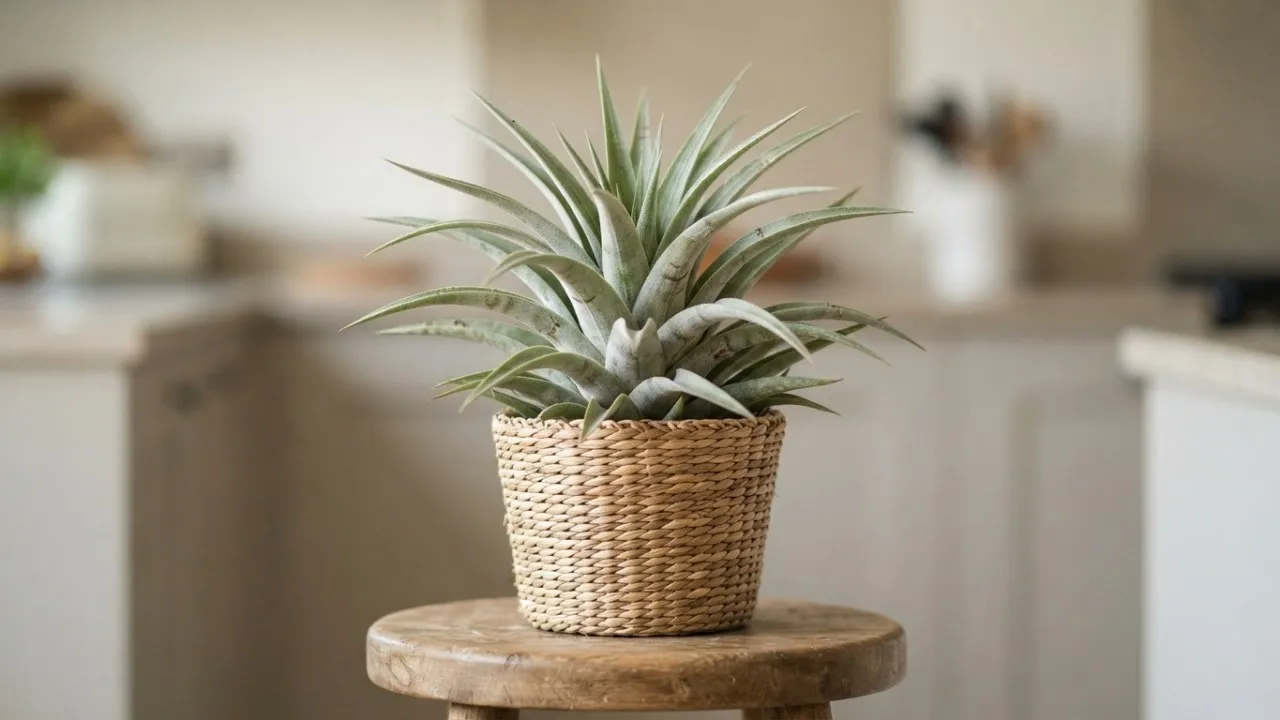 Every 4 days
 Air Plant
Tillandsia ionantha

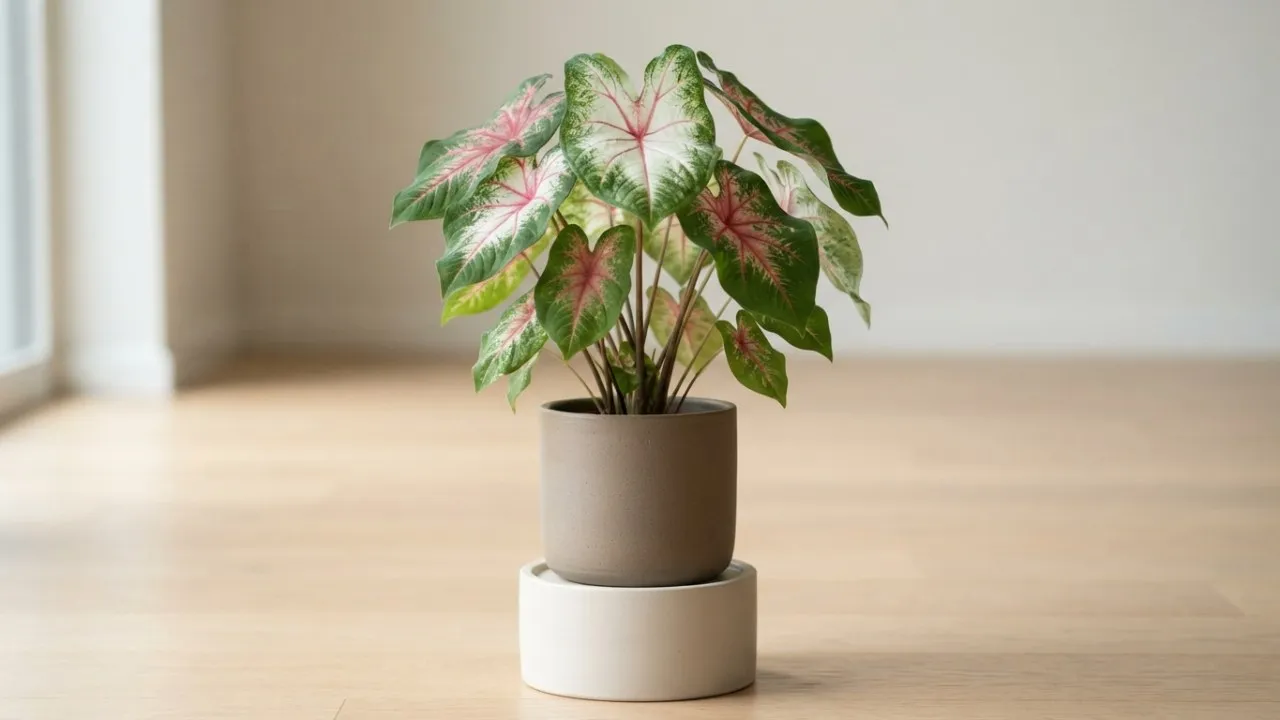 Every 3 days
 Angel Wings
Caladium bicolor
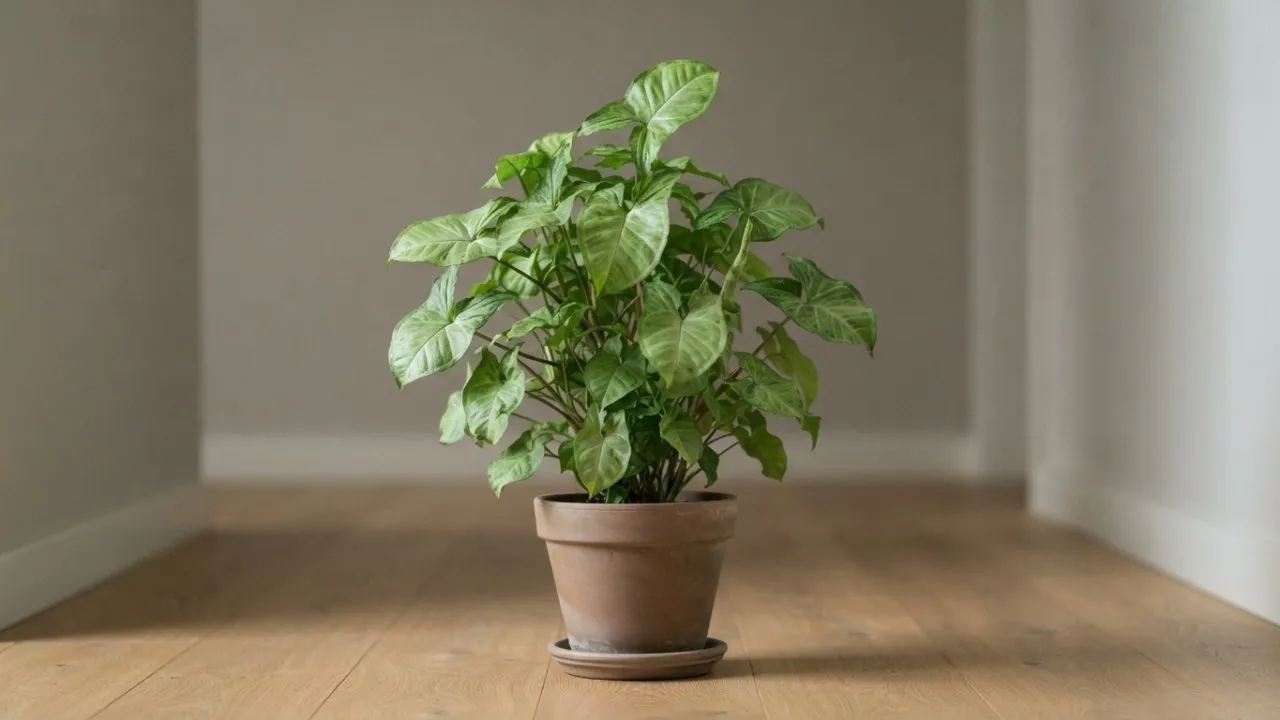 Every 7 days
 Arrowhead Plant
Syngonium podophyllum
 Every 10 days
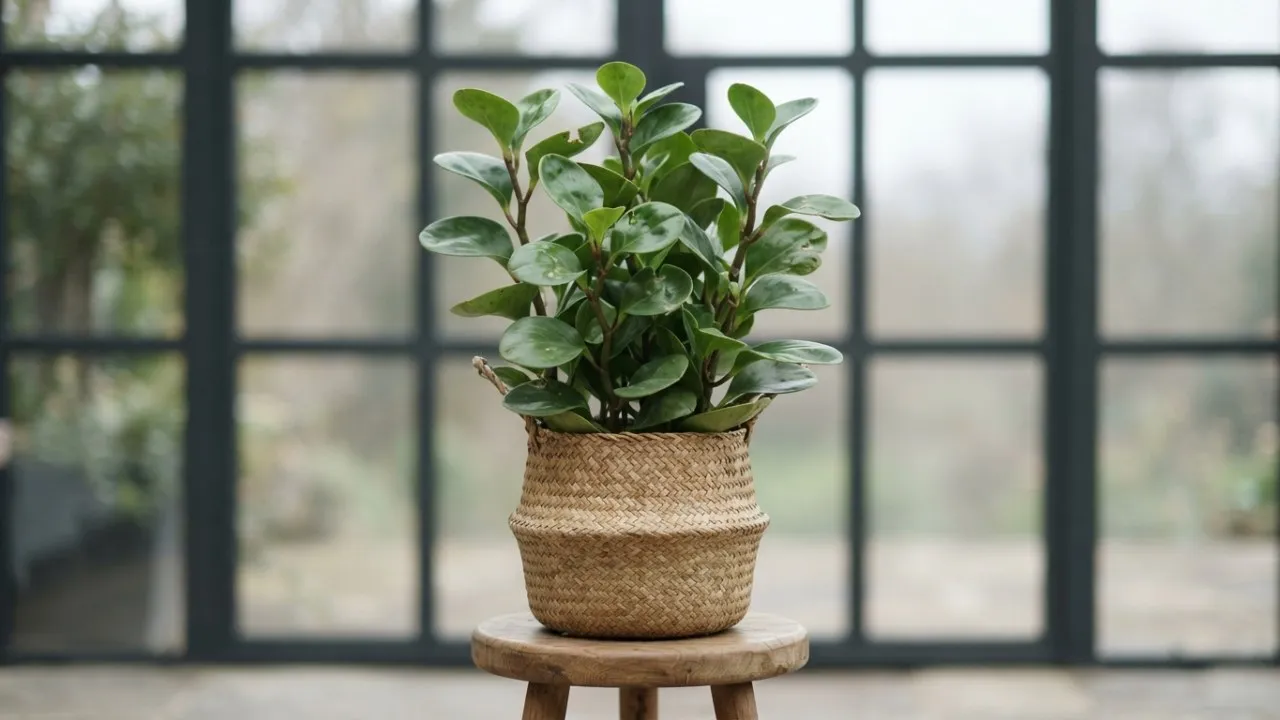
 Baby Rubber Plant
Peperomia obtusifolia