
Tropical · Asparagaceae
Mountain cabbage tree
Cordyline indivisa
A slow cabbage tree on a single trunk, with very broad blue-green leaves, that prefers cool, damp air in a pot.
- Every 6 daysWatering
- Bright indirect lightLight
- 60–80 %Humidity


How to care for your Mountain cabbage tree
Everything you need to keep your Mountain cabbage tree healthy: watering, light, humidity, feeding, repotting and pruning.
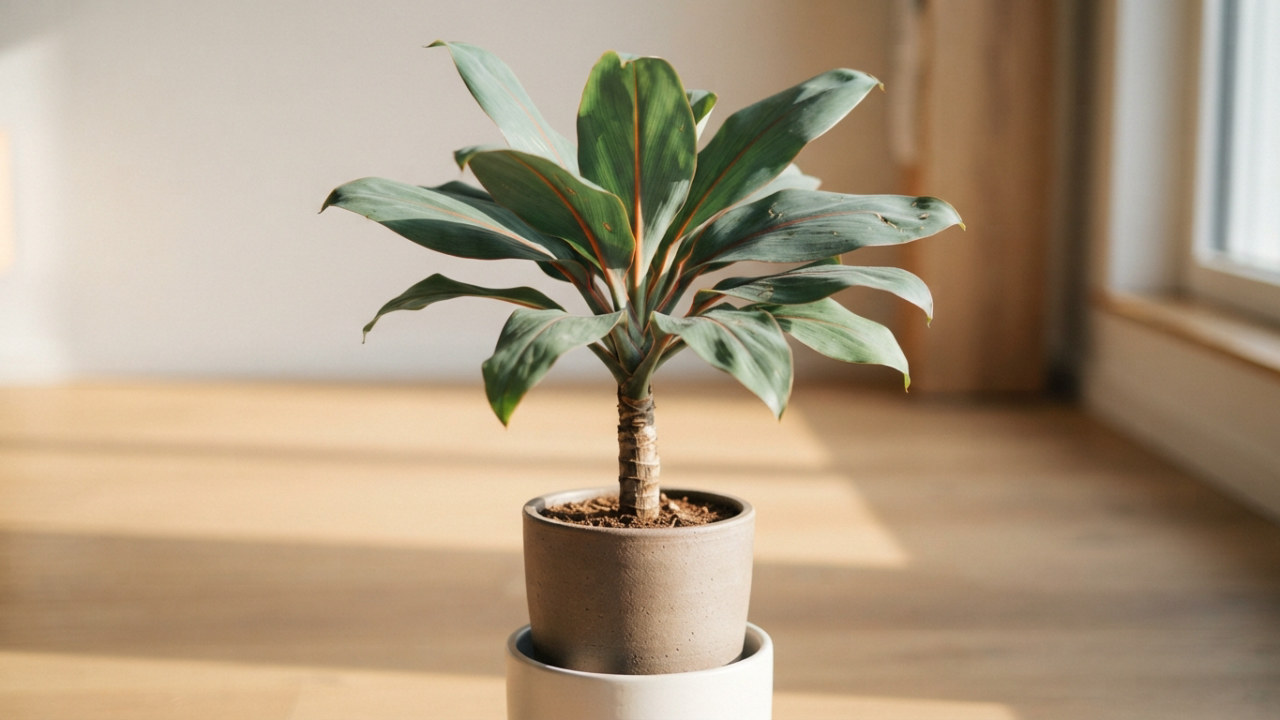
Cordyline indivisa is endemic to New Zealand, where it grows in montane forest and cool, rainy subalpine scrub. It is a slow, usually single-trunked plant whose very broad, leathery, blue-green leaves arch and droop with age, each marked by a thick midrib tinged red, orange or yellow. In a container it stays around a meter and a half tall. It dislikes heat and dry air, and does best in cool, humid conditions.

How to recognise Mountain cabbage tree
Much broader blue-green leaves than Cordyline australis, with a thick red, orange or yellow midrib, carried on a single stout trunk. It is not clumping like Cordyline banksii and lacks the pink, red or purple foliage of Cordyline fruticosa. Dracaena looks alike but has orange roots, while Cordyline roots are white.

Watering your Mountain cabbage tree
Every 6 days
Keep the mix moist but well drained, watering when the top inch or two has dried out.
How to know it needs water
- The top inch or two of the mix is dry
- The broad leaves hang lower than usual and look dull

How much light a Mountain cabbage tree needs
Bright indirect light
Bright light or partial shade, with only gentle sun; intense direct sun is best avoided.
- Direct sun tolerated
- 1 to 4 h a day
- Orientations that suit it
- North, North-east, East, South-east, South, South-west, West, North-west

Humidity and misting
60–80 %
Humid air suits this mountain species, which dislikes hot, dry rooms and drying wind. Misting is not needed; cool air and a damp, sheltered spot matter more.

Feeding and fertiliser
Every 28 days
Feed about once a month in the growing season, as it is a slow grower and needs little.
- Recommended feed
- A balanced liquid fertilizer at half the label strength. · 3-1-2

Repotting your Mountain cabbage tree
Every 36 months
Move it to a pot one size larger with a free-draining, slightly moisture-holding mix, and keep the crown at the same depth.
- When
- Spring, as growth begins again.
- Potting mix
- All-purpose potting mix
- Mix in
- perlite, pine bark, coco fibre
The tell-tale signs
- Roots circle the surface or emerge from the base
- The pot is top-heavy and tips over easily

Pruning your Mountain cabbage tree
In spring, when new growth starts. Remove only dead or damaged leaves at the base and never cut the growing tip.

Through the year
Watering is not set once and for all: it follows the light and the growth. Allow 10 days between waterings in the depth of winter, against 5 in the growing season.
- 9 J
- 7 F
- 5 M
- 5 A
- 5 M
- 5 J
- 5 J
- 5 A
- 5 S
- 6 O
- 8 N
- 10 D
Active growth · Days between waterings

Toxicity
All parts contain saponins that can cause vomiting and diarrhea if cats or dogs eat them; it is not documented as harmful to people.

Good to know
- It is endemic to New Zealand, where it grows in montane forest and subalpine scrub.
- Its leaves can reach about 1 to 1.8 meters in length and 10 to 30 cm in width, much broader than those of Cordyline australis.

Frequently asked questions about the Mountain cabbage tree
How do you care for a Mountain cabbage tree?
Water it every 6 days. Give it bright indirect light. Ideal humidity: 60–80 %. Keep the mix moist but well drained, watering when the top inch or two has dried out.
How often should you water a Mountain cabbage tree?
Every 6 days Keep the mix moist but well drained, watering when the top inch or two has dried out. How to know it needs water : The top inch or two of the mix is dry ; The broad leaves hang lower than usual and look dull.
How much light does a Mountain cabbage tree need?
Bright indirect light Bright light or partial shade, with only gentle sun; intense direct sun is best avoided. 1 to 4 h a day
Is the Mountain cabbage tree toxic to cats and dogs?
Yes. All parts contain saponins that can cause vomiting and diarrhea if cats or dogs eat them; it is not documented as harmful to people. Keep it out of reach of your pets and call a vet if any is swallowed.
Why are my Mountain cabbage tree leaves turning yellow?
Yellowing most often comes from too much water: the mix stays wet and the roots suffocate. Check that the pot drains, empty the saucer, and let the mix dry before watering again. Too little light or a cold draught cause the same symptom.
When should you repot a Mountain cabbage tree?
Repot every 36 months, ideally in spring, as growth begins again.. Move it to a pot one size larger with a free-draining, slightly moisture-holding mix, and keep the crown at the same depth.

At a glance
- Family
- Asparagaceae
- Category
- Tropical
- Placement
- Outdoor
- Mature height
- 1.5 m
- Growth
- Slow
- Pot materials
- terracotta, ceramic, plastic, wood
- Growth
- Reaches maturity in 10 years
These figures are for an average plant. In the app they are recalculated for yours, based on your room, its orientation and the season.
And for your plant, in your home?
In the app this plant becomes yours: a watering schedule tuned to your home, health tracking from photos, and reminders at the right moment.
In the same spirit
 Every 7 days


Air Plant
Tillandsia ionantha

 Every 6 days
Alocasia amazonica
Alocasia amazonica
 Every 7 days
Alocasia baginda
Alocasia baginda
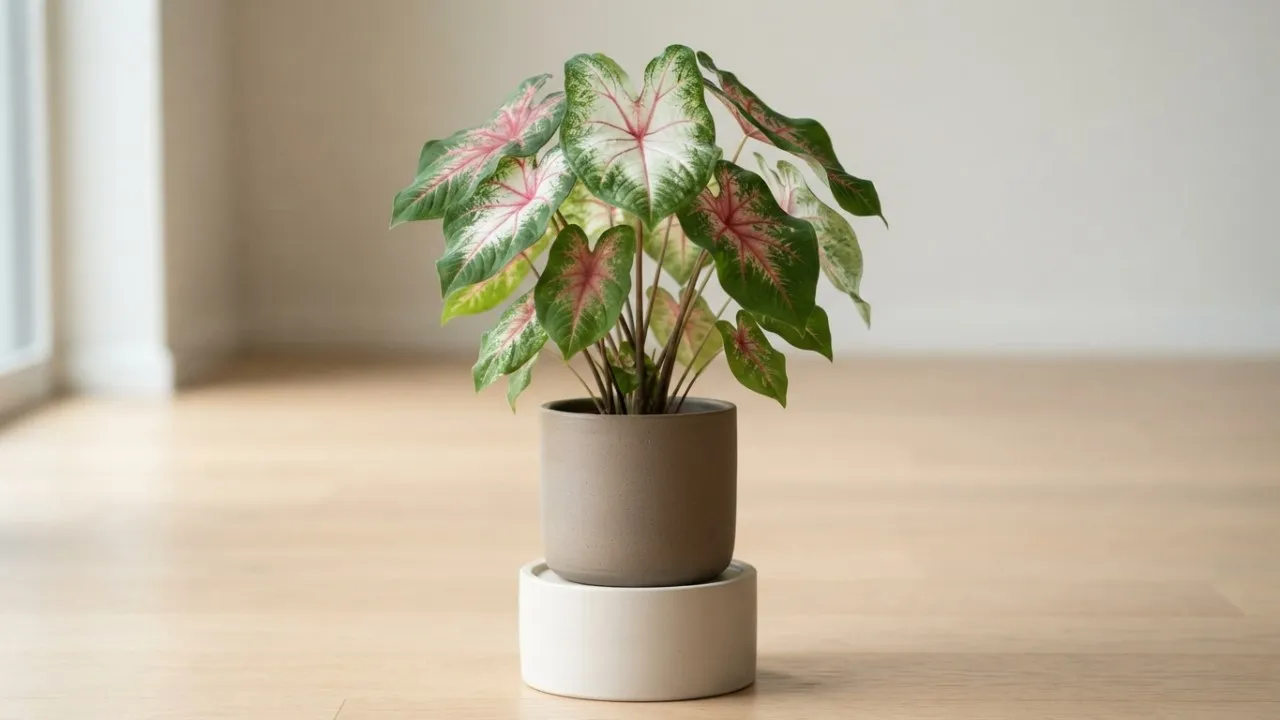 Every 4 days
Angel Wings
Caladium bicolor
