
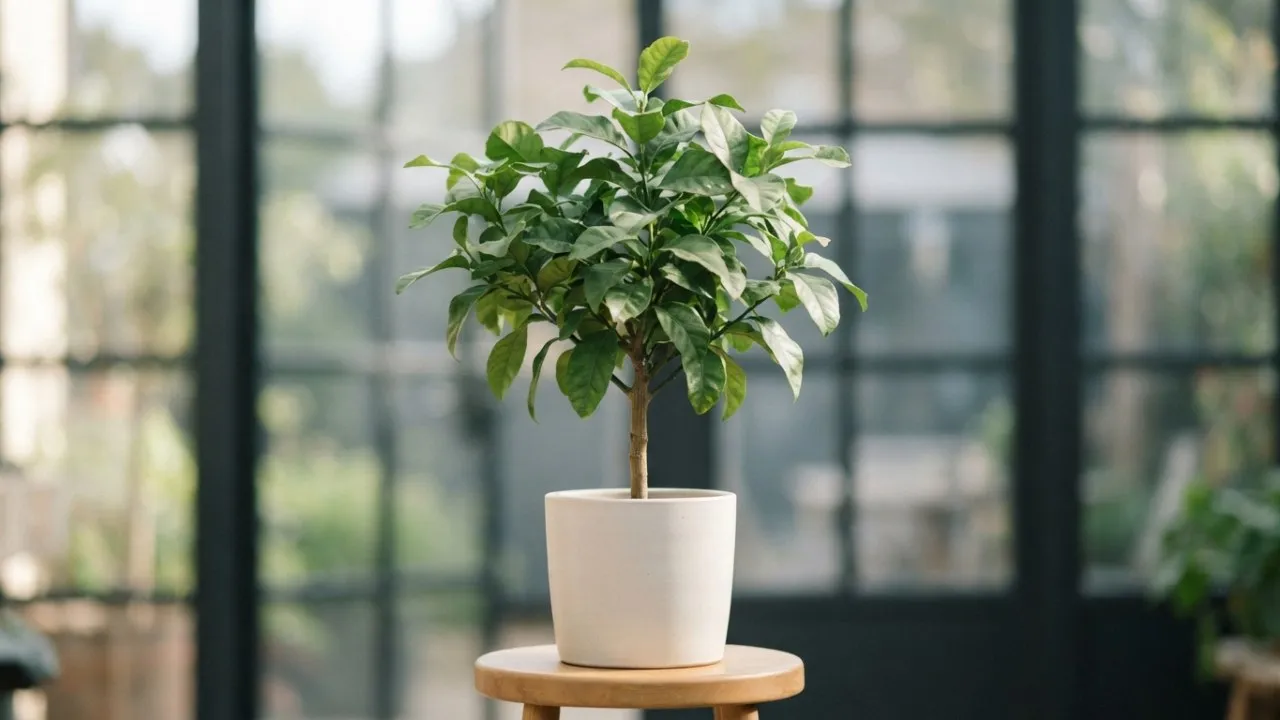
Lemon Tree
Citrus limon
A small Mediterranean fruit tree with evergreen foliage and delightfully fragrant flowers, suitable for container growing in temperate climates.
The essentials at a glance
-
Watering
Every 4 days
-
Light
Full sun
-
Humidity
50–70 %
-
Temperature
10–30 °C


How to care for your Lemon Tree
Everything you need to keep your Lemon Tree healthy: watering, light, humidity, feeding, repotting and pruning.
The lemon tree is a small fruit tree native to Southeast Asia, cultivated throughout the Mediterranean basin for centuries. Its oval dark green glossy leaves, white flowers with an intoxicating fragrance, and bright yellow fruits make it as ornamental as it is productive. In containers, it requires particular attention: abundant light, regular watering, sustained fertilization, and bright, cool overwintering (5–12°C) in regions with cold winters.

Watering your Lemon Tree
Every 4 days
Water regularly to keep the substrate moist but well-draining. Lemon trees are thirsty, especially during flowering and fruiting. Use lime-free water where possible.
How to know it needs water
- Substrate dry in the top 2–3 cm
- Leaves curling inward
- Young fruits dropping prematurely

How much light a Lemon Tree needs
Full sun
Full sun essential, minimum 6–8 hours of direct light per day. Indoors in winter, supplement with horticultural lighting if necessary.
- Direct sun tolerated
- 6 to 10 h a day
- Orientations that suit it
- South, South-east, South-west, East, West

Humidity and misting
50–70 %
50–70% Mist the foliage regularly, especially indoors in winter. Lemon trees require ambient humidity to prevent leaf drop.

Feeding and fertiliser
Every 14 days
Fertilize every 2 weeks from March to October. Lemon trees are heavy feeders. Use a citrus-specific fertilizer to prevent iron chlorosis (leaf yellowing).
- Recommended feed
- Specialist citrus fertilizer rich in iron, magnesium, and trace elements. · 3-1-2

Repotting your Lemon Tree
Every 24 months
Use a specialist citrus substrate or a blend of compost, coarse sand, and well-decomposed compost. Drainage at the base of the pot is essential. Increase pot diameter by only 2–3 cm at each repotting.
- When
- Spring (March–April)
- Potting mix
- Citrus potting mix
- Mix in
- perlite, pine bark, coarse sand
The tell-tale signs
- Roots emerging from drainage holes
- Substrate drying very quickly
- Poor growth despite regular fertilization

Pruning your Lemon Tree
In late winter (February–March) before new growth resumes. Remove water shoots as soon as they appear. Prune misaligned branches and open up the canopy interior. Remove vigorous, vertical non-fruiting water shoots. Pinch new shoot tips to encourage branching.

Through the year
Watering is not set once and for all: it follows the light and the growth. Allow 6 days between waterings in the depth of winter, against 3 in the growing season.
- 6 J
- 5 F
- 4 M
- 4 A
- 3 M
- 3 J
- 3 J
- 4 A
- 4 S
- 4 O
- 5 N
- 6 D
Active growth · Days between waterings

Good to know
- A lemon tree can flower and fruit year-round under optimal conditions, simultaneously bearing flowers and fruits at different stages of maturity.
- A single mature lemon tree can produce between 200 and 600 lemons per year depending on the variety and growing conditions.

Frequently asked questions about the Lemon Tree
How do you care for a Lemon Tree?
Water it every 4 days. Give it full sun. Ideal humidity: 50–70 %. Ideal temperature: 10–30 °C. Water regularly to keep the substrate moist but well-draining. Lemon trees are thirsty, especially during flowering and fruiting. Use lime-free water where possible.
How often should you water a Lemon Tree?
Every 4 days Water regularly to keep the substrate moist but well-draining. Lemon trees are thirsty, especially during flowering and fruiting. Use lime-free water where possible. How to know it needs water : Substrate dry in the top 2–3 cm ; Leaves curling inward ; Young fruits dropping prematurely.
How much light does a Lemon Tree need?
Full sun Full sun essential, minimum 6–8 hours of direct light per day. Indoors in winter, supplement with horticultural lighting if necessary. 6 to 10 h a day
Is the Lemon Tree toxic to cats and dogs?
No, the Lemon Tree is not listed as toxic to cats and dogs. That is still no reason to let your pets chew on it.
Why are my Lemon Tree leaves turning yellow?
Yellowing most often comes from too much water: the mix stays wet and the roots suffocate. Check that the pot drains, empty the saucer, and let the mix dry before watering again. Too little light or a cold draught cause the same symptom.
When should you repot a Lemon Tree?
Repot every 24 months, ideally in spring (march–april). Use a specialist citrus substrate or a blend of compost, coarse sand, and well-decomposed compost. Drainage at the base of the pot is essential. Increase pot diameter by only 2–3 cm at each repotting.

At a glance
- Family
- Rutaceae
- Category
- Tropical
- Placement
- Indoor and outdoor
- Mature height
- 2 m
- Growth
- Moderate
- Temperature
- 10–30 °C
- Pot materials
- terracotta, ceramic, plastic
- Growth
- Reaches maturity in 5 years
These figures are for an average plant. In the app they are recalculated for yours, based on your room, its orientation and the season.
And for your plant, in your home?
In the app this plant becomes yours: a watering schedule tuned to your home, health tracking from photos, and reminders at the right moment.
In the same spirit
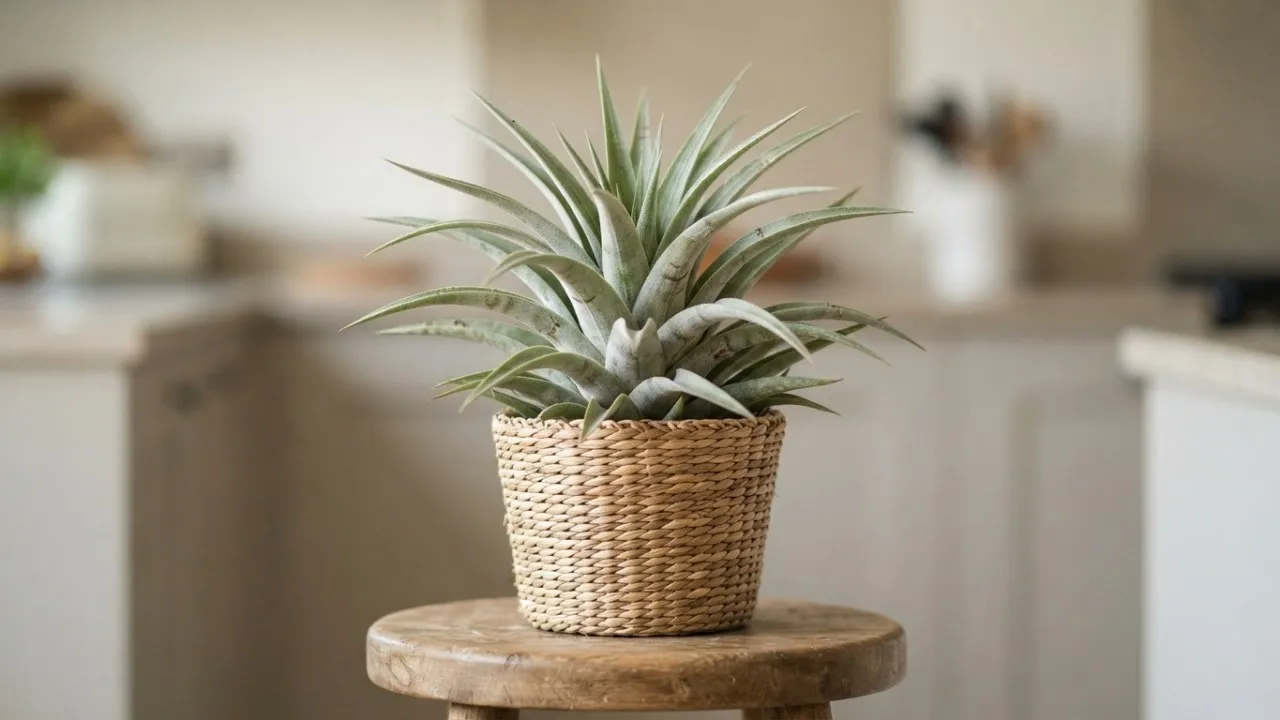 Every 4 days
 Air Plant
Tillandsia ionantha

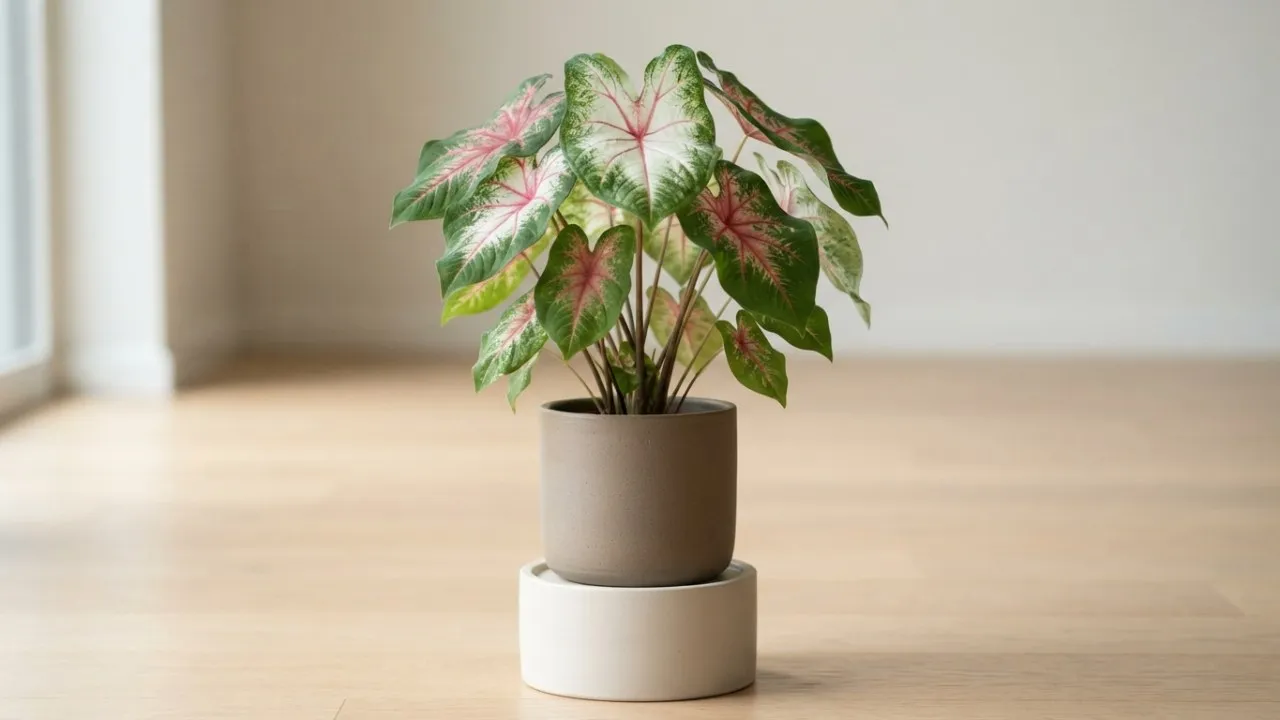 Every 3 days
 Angel Wings
Caladium bicolor
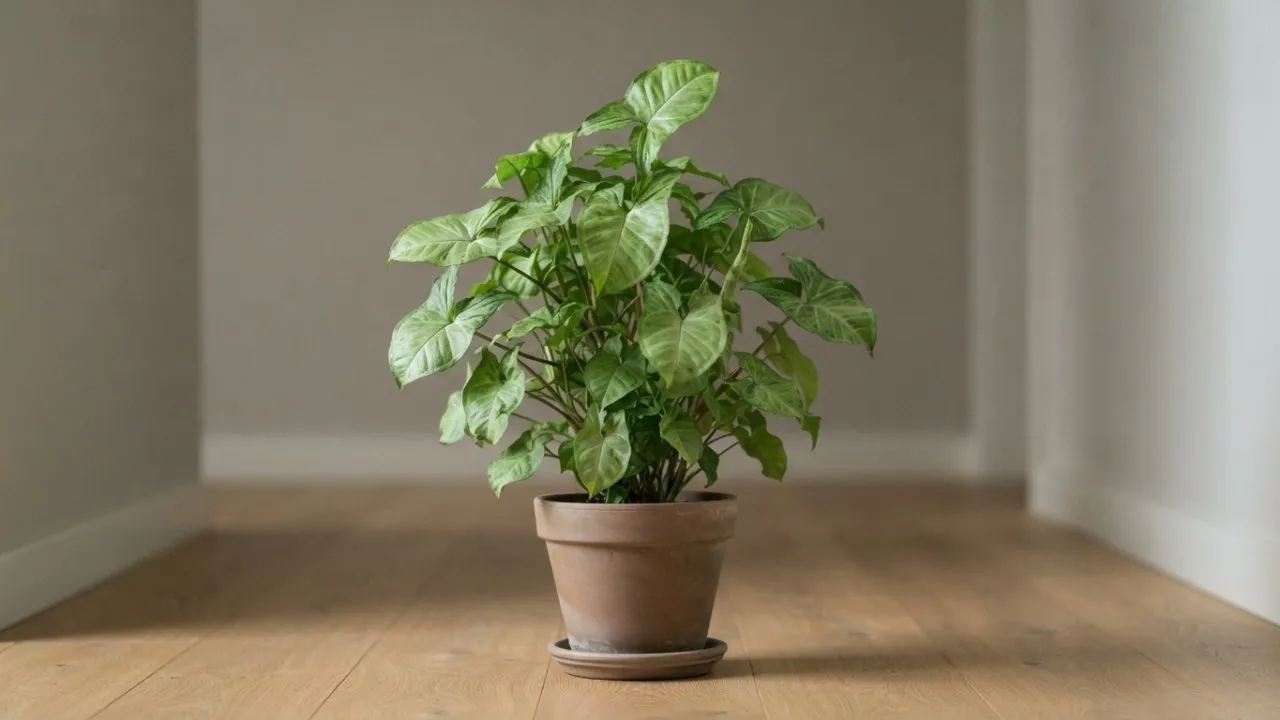 Every 7 days
 Arrowhead Plant
Syngonium podophyllum
 Every 10 days
 Baby Rubber Plant
Peperomia obtusifolia