
Flowering · Solanaceae
Chili Pepper
Capsicum annuum
The Chili Pepper is a vibrant plant known for its edible, often spicy fruits. It is a popular choice for home growers due to its ornamental appeal and culinary uses.
- Every 3 daysWatering
- Full sunLight
- 50–70 %Humidity
- 18–29 °CTemperature


How to care for your Chili Pepper
Everything you need to keep your Chili Pepper healthy: watering, light, humidity, feeding, repotting and pruning.
Capsicum annuum, native to the Americas, is a highly diverse species that includes many common peppers, from sweet bell peppers to fiery jalapeños and cayenne. These plants are typically grown as annuals in temperate climates but can be perennial in tropical regions. They are not frost hardy: below about 10 °C growth stops, and frost kills them. In a pot, bring the plant indoors to a bright, frost-free spot before autumn nights turn cold if you want to keep it over winter. They require ample sunlight and consistent watering to produce a good harvest of their colorful, vitamin-rich fruits. With proper care, chili pepper plants can be a rewarding addition to a sunny windowsill or garden.

How to recognise Chili Pepper
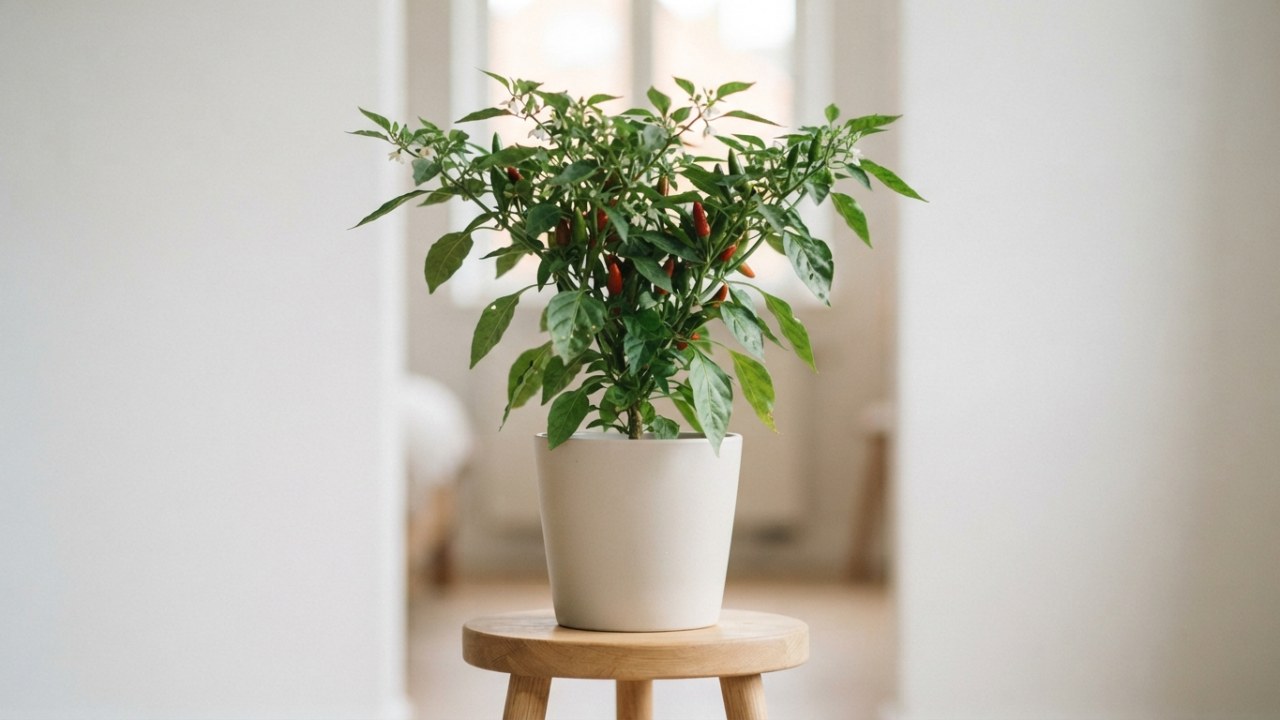
A bushy plant 40 to 90 cm tall with smooth, glossy, pointed oval leaves, and small white star-shaped flowers, one at each node. The fruits stand up or hang and turn from green to red, yellow or orange. Capsicum frutescens and Capsicum chinense bear greenish-white flowers in groups of two or more at each node, and tomato plants have hairy, lobed leaves.

Watering your Chili Pepper
Every 3 days
Water thoroughly when the top 2 to 3 cm of soil feels dry to the touch, about every 3 days in the growing season (April to September) and less often, about every 7 days, outside it. Ensure good drainage to prevent root rot.
How to know it needs water
- Soil dry 2 to 3 cm deep
- Leaves slightly wilting
- Pot feels light

How much light a Chili Pepper needs
Full sun
Full sun; requires at least 6 to 8 hours of direct sunlight daily to produce fruit. Can tolerate some afternoon shade in very hot climates.
- Direct sun tolerated
- 6 to 10 h a day
- Orientations that suit it
- South, South-east, South-west, East, West

Humidity and misting
50–70 %
Medium (50 to 70%) Misting is not needed for chili peppers, as they prefer good air circulation. High humidity can sometimes encourage fungal issues.

Feeding and fertiliser
Every 14 days
Apply every two weeks from May to September, during the active growing season. Do not fertilize the rest of the year.
- Recommended feed
- Balanced NPK liquid fertilizer, switching to a higher phosphorus and potassium formula during flowering and fruiting. · 5-10-10

Repotting your Chili Pepper
Every 12 months
Repot annually in spring, from March to May, into a container 2 to 5 cm larger, using a well-draining, fertile potting mix. Handle roots gently.
- When
- Spring
- Potting mix
- All-purpose potting mix
- Mix in
- perlite, coco fibre
The tell-tale signs
- Roots emerging from drainage holes
- Plant becoming top-heavy
- Growth significantly slowed

Pruning your Chili Pepper
Prune to shape the plant and encourage bushier growth in late spring or early summer. Remove dead or diseased branches at any time. Use clean, sharp shears to cut stems just above a leaf node or branching point. Pinch back growing tips to promote branching.

Through the year
Watering is not set once and for all: it follows the light and the growth. Allow 5 days between waterings in the depth of winter, against 2 in the growing season.
- 5 J
- 4 F
- 2 M
- 2 A
- 2 M
- 2 J
- 2 J
- 2 A
- 2 S
- 3 O
- 4 N
- 5 D
Active growth · Days between waterings

Toxicity
Toxic to pets (the plant is flagged for cats and dogs): capsaicin can cause severe irritation to eyes, skin, and digestive tracts if ingested or handled, and the foliage of this nightshade can upset the stomach. It is not typically lethal, but it can cause significant discomfort. The fruits are edible for humans, but wear gloves when handling hot pods and keep your hands away from your eyes.

Good to know
- Capsaicin creates the spicy heat felt when eating the pods.
- Peppers are botanically classified as berry fruits.
- Plants produce capsaicin mainly to deter mammals; birds do not feel it and spread the seeds.

Frequently asked questions about the Chili Pepper
How do you care for a Chili Pepper?
Water it every 3 days. Give it full sun. Ideal humidity: 50–70 %. Ideal temperature: 18–29 °C. Water thoroughly when the top 2 to 3 cm of soil feels dry to the touch, about every 3 days in the growing season (April to September) and less often, about every 7 days, outside it. Ensure good drainage to prevent root rot.
How often should you water a Chili Pepper?
Every 3 days Water thoroughly when the top 2 to 3 cm of soil feels dry to the touch, about every 3 days in the growing season (April to September) and less often, about every 7 days, outside it. Ensure good drainage to prevent root rot. How to know it needs water : Soil dry 2 to 3 cm deep ; Leaves slightly wilting ; Pot feels light.
How much light does a Chili Pepper need?
Full sun Full sun; requires at least 6 to 8 hours of direct sunlight daily to produce fruit. Can tolerate some afternoon shade in very hot climates. 6 to 10 h a day
Is the Chili Pepper toxic to cats and dogs?
Yes. Toxic to pets (the plant is flagged for cats and dogs): capsaicin can cause severe irritation to eyes, skin, and digestive tracts if ingested or handled, and the foliage of this nightshade can upset the stomach. It is not typically lethal, but it can cause significant discomfort. The fruits are edible for humans, but wear gloves when handling hot pods and keep your hands away from your eyes. Keep it out of reach of your pets and call a vet if any is swallowed.
Why are my Chili Pepper leaves turning yellow?
Yellowing most often comes from too much water: the mix stays wet and the roots suffocate. Check that the pot drains, empty the saucer, and let the mix dry before watering again. Too little light or a cold draught cause the same symptom.
When should you repot a Chili Pepper?
Repot every 12 months, ideally in spring. Repot annually in spring, from March to May, into a container 2 to 5 cm larger, using a well-draining, fertile potting mix. Handle roots gently.

At a glance
- Family
- Solanaceae
- Category
- Flowering
- Placement
- Indoor and outdoor
- Mature height
- 60 cm
- Growth
- Fast
- Temperature
- 18–29 °C
- Pot materials
- terracotta, ceramic, plastic, fabric
- Growth
- Reaches maturity in 1 years
These figures are for an average plant. In the app they are recalculated for yours, based on your room, its orientation and the season.
And for your plant, in your home?
In the app this plant becomes yours: a watering schedule tuned to your home, health tracking from photos, and reminders at the right moment.
In the same spirit
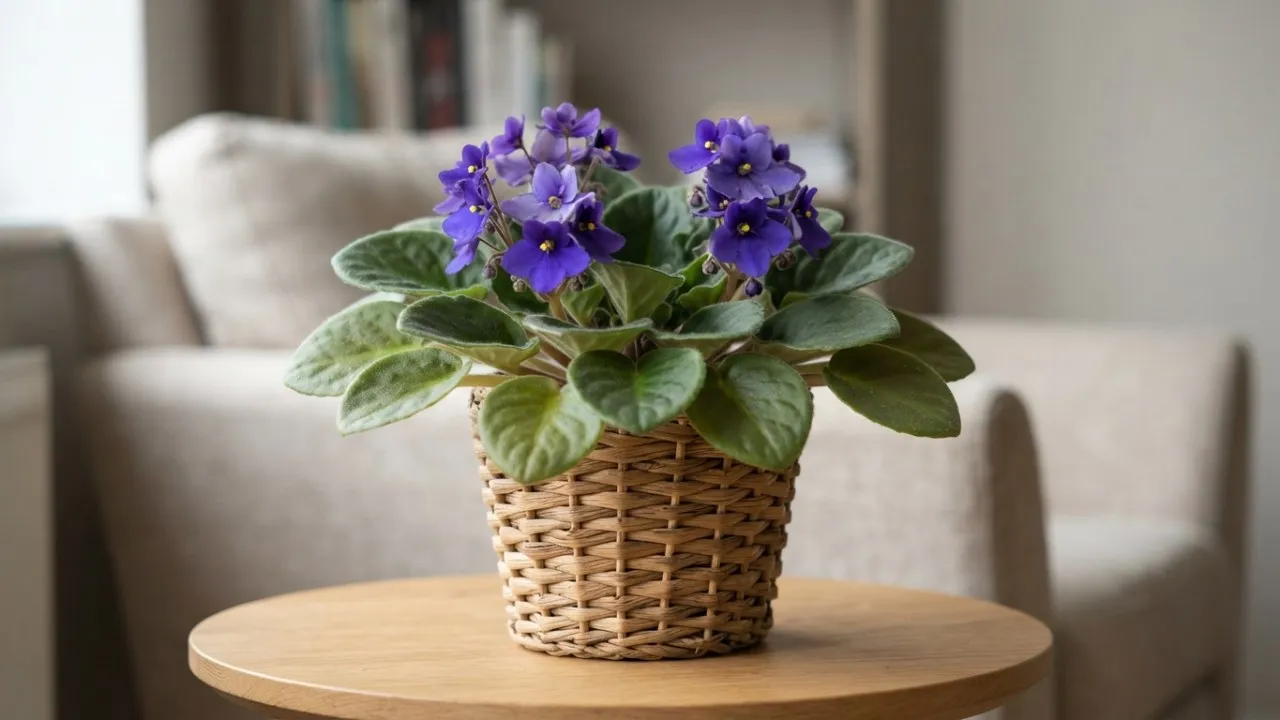 Every 6 days


African Violet
Saintpaulia ionantha

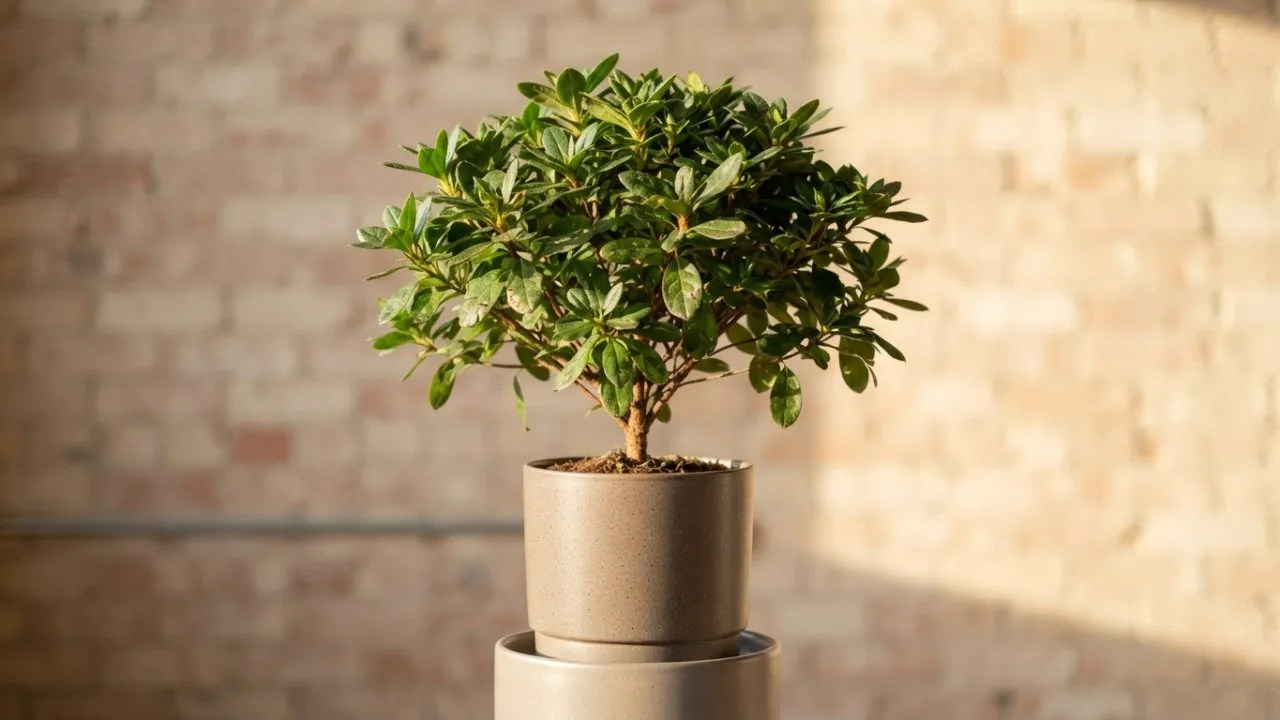 Every 3 days
Azalea
Rhododendron simsii
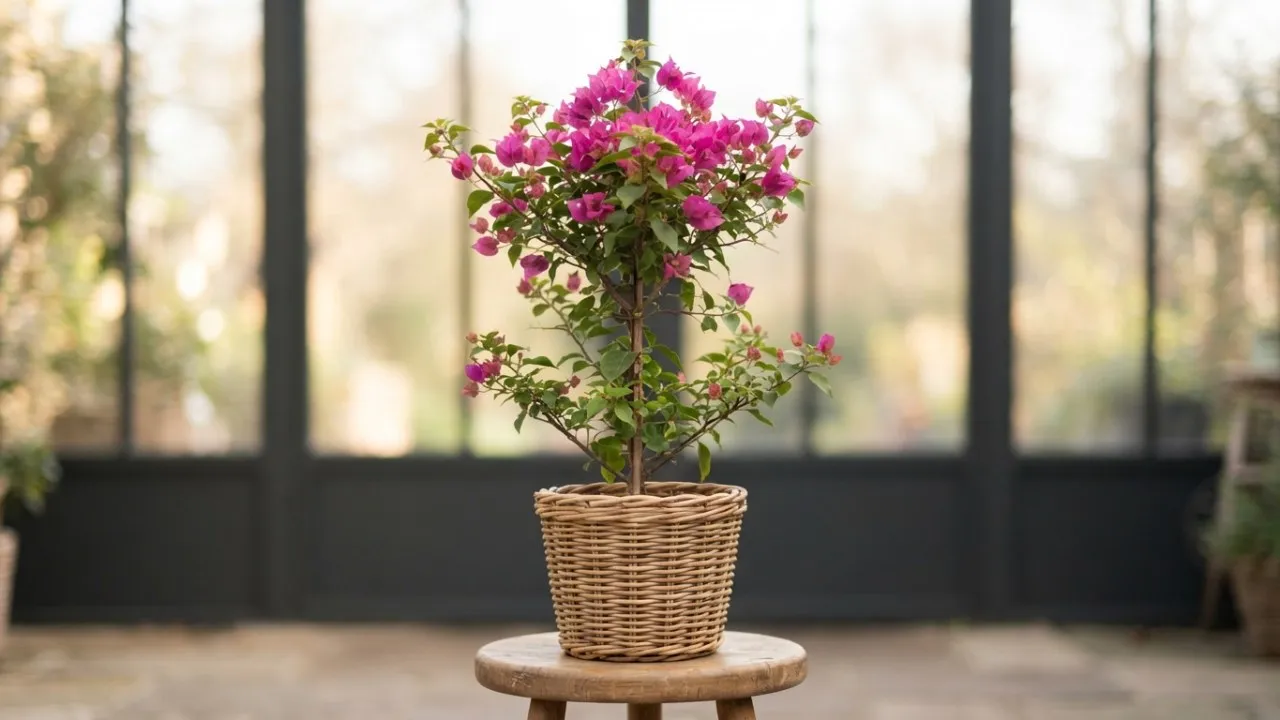 Every 5 days
Bougainvillea
Bougainvillea glabra
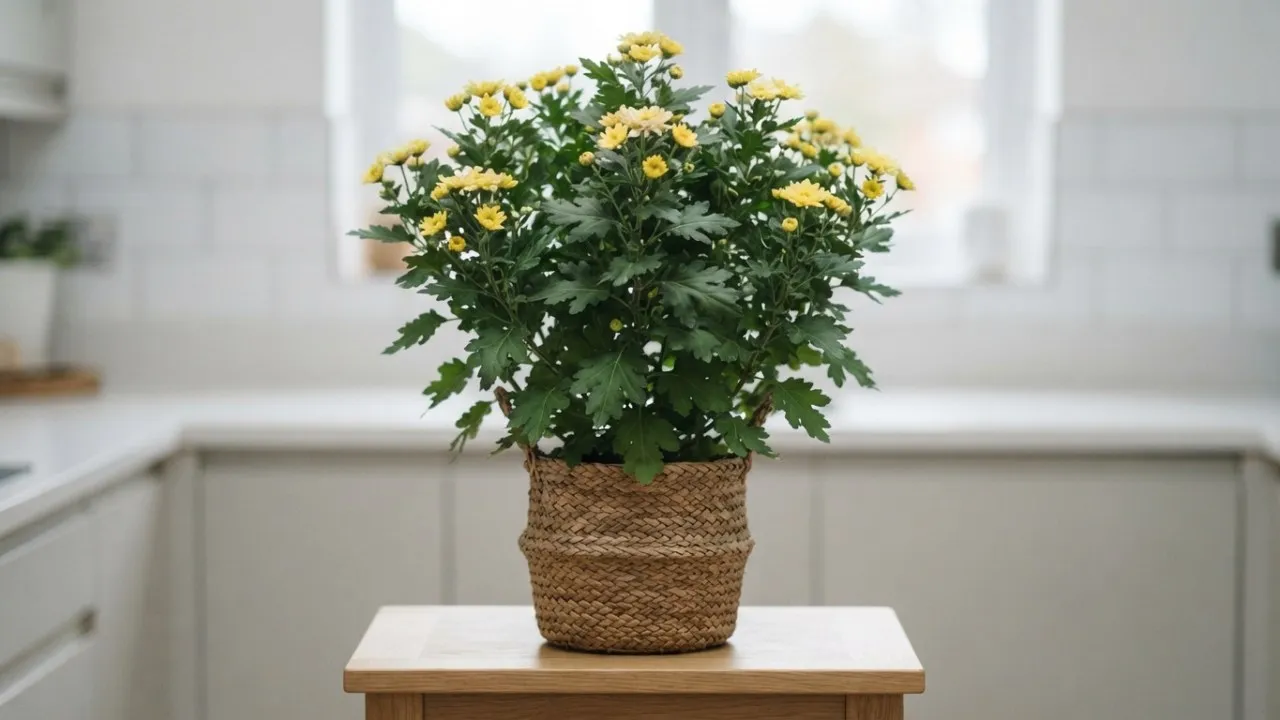 Every 3 days
Chrysanthemum
Chrysanthemum morifolium
