
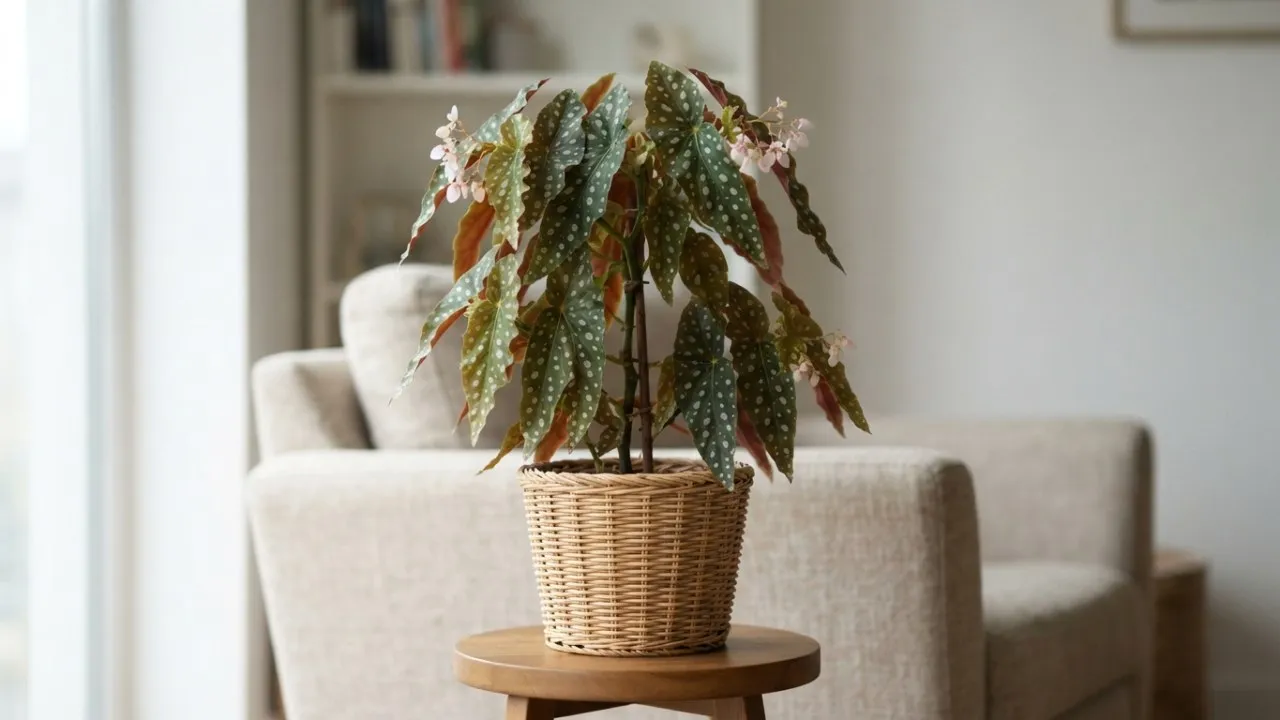
Polka Dot Begonia
Begonia maculata
A spectacular begonia with angel-wing leaves dotted with silver spots on a green background, featuring a striking crimson red underside.
The essentials at a glance
-
Watering
Every 5 days
-
Light
Bright indirect light
-
Humidity
50–70 %
-
Temperature
18–26 °C


How to care for your Polka Dot Begonia
Everything you need to keep your Polka Dot Begonia healthy: watering, light, humidity, feeding, repotting and pruning.
Begonia maculata is native to the tropical forests of southeastern Brazil, where it grows in the understory under bright but shaded conditions. Its elongated angel-wing leaves are scattered with irregular silver polka dots on an olive green background, while their underside displays a spectacular deep red. Under optimal conditions, it produces dangling clusters of white or pink flowers. It is a plant that demands a bit more attention than average but rewards care with exceptional beauty and vigorous growth.

Watering your Polka Dot Begonia
Every 5 days
Water when the top 2 cm of soil is dry. Keep soil lightly moist but never waterlogged. Water at the base to avoid wetting the leaves. Reduce in winter.
How to know it needs water
- Top 2 cm of soil feels dry
- Leaf edges start to brown and crisp
- Lower leaves drop if overwatered

How much light a Polka Dot Begonia needs
Bright indirect light
Bright indirect light. Avoid direct sun which fades the silver spots and scorches leaves. East or north-facing windows are ideal. Good light encourages flowering.
- Direct sun tolerated
- 0 to 1 h a day
- Orientations that suit it
- North, North-east, East

Humidity and misting
50–70 %
50–70% Prefers good humidity but avoid misting leaves directly as water spots can cause fungal issues. Use a humidifier or pebble tray instead for best results.

Feeding and fertiliser
Every 14 days
Feed every two weeks during spring and summer at half strength. A slightly higher phosphorus ratio encourages blooming. Stop fertilizing in winter.
- Recommended feed
- Balanced liquid fertilizer (10-10-10) · 5-10-5

Repotting your Polka Dot Begonia
Every 12 months
Use a light, well-draining mix with perlite and peat. Begonias prefer snug pots. Go up only one small size. Ensure drainage holes are clear.
- When
- Spring
- Potting mix
- All-purpose potting mix
- Mix in
- perlite, coco fibre
The tell-tale signs
- Roots circling the pot bottom
- Plant looks top-heavy and unstable
- Soil dries out within a day or two of watering

Pruning your Polka Dot Begonia
Spring, or when stems become leggy and bare at the base. Cut leggy stems back to a node to encourage branching. Pinch growing tips for a bushier plant. Remove any yellow or damaged leaves. Stem cuttings root in water.

Through the year
Watering is not set once and for all: it follows the light and the growth. Allow 7 days between waterings in the depth of winter, against 4 in the growing season.
- 6 J
- 6 F
- 5 M
- 4 A
- 4 M
- 4 J
- 4 J
- 4 A
- 5 S
- 5 O
- 6 N
- 7 D
Active growth · Days between waterings

Toxicity
Contains soluble calcium oxalates, most concentrated in underground parts. Toxic to cats and dogs, causing oral irritation and vomiting. Mildly irritating for humans.

Good to know
- The underside of Begonia maculata leaves is an intense crimson red, creating a spectacular contrast with the green upper surface dotted with silver spots.
- Begonia maculata was first described in 1820 by Italian botanist Giuseppe Raddi after his expedition to Brazil.

Frequently asked questions about the Polka Dot Begonia
How do you care for a Polka Dot Begonia?
Water it every 5 days. Give it bright indirect light. Ideal humidity: 50–70 %. Ideal temperature: 18–26 °C. Water when the top 2 cm of soil is dry. Keep soil lightly moist but never waterlogged. Water at the base to avoid wetting the leaves. Reduce in winter.
How often should you water a Polka Dot Begonia?
Every 5 days Water when the top 2 cm of soil is dry. Keep soil lightly moist but never waterlogged. Water at the base to avoid wetting the leaves. Reduce in winter. How to know it needs water : Top 2 cm of soil feels dry ; Leaf edges start to brown and crisp ; Lower leaves drop if overwatered.
How much light does a Polka Dot Begonia need?
Bright indirect light Bright indirect light. Avoid direct sun which fades the silver spots and scorches leaves. East or north-facing windows are ideal. Good light encourages flowering. 0 to 1 h a day
Is the Polka Dot Begonia toxic to cats and dogs?
Yes. Contains soluble calcium oxalates, most concentrated in underground parts. Toxic to cats and dogs, causing oral irritation and vomiting. Mildly irritating for humans. Keep it out of reach of your pets and call a vet if any is swallowed.
Why are my Polka Dot Begonia leaves turning yellow?
Yellowing most often comes from too much water: the mix stays wet and the roots suffocate. Check that the pot drains, empty the saucer, and let the mix dry before watering again. Too little light or a cold draught cause the same symptom.
When should you repot a Polka Dot Begonia?
Repot every 12 months, ideally in spring. Use a light, well-draining mix with perlite and peat. Begonias prefer snug pots. Go up only one small size. Ensure drainage holes are clear.

At a glance
- Family
- Begoniaceae
- Category
- Tropical
- Placement
- Indoor
- Mature height
- 90 cm
- Growth
- Moderate
- Temperature
- 18–26 °C
- Pot materials
- terracotta, ceramic, plastic
- Growth
- Reaches maturity in 3 years
These figures are for an average plant. In the app they are recalculated for yours, based on your room, its orientation and the season.
And for your plant, in your home?
In the app this plant becomes yours: a watering schedule tuned to your home, health tracking from photos, and reminders at the right moment.
In the same spirit
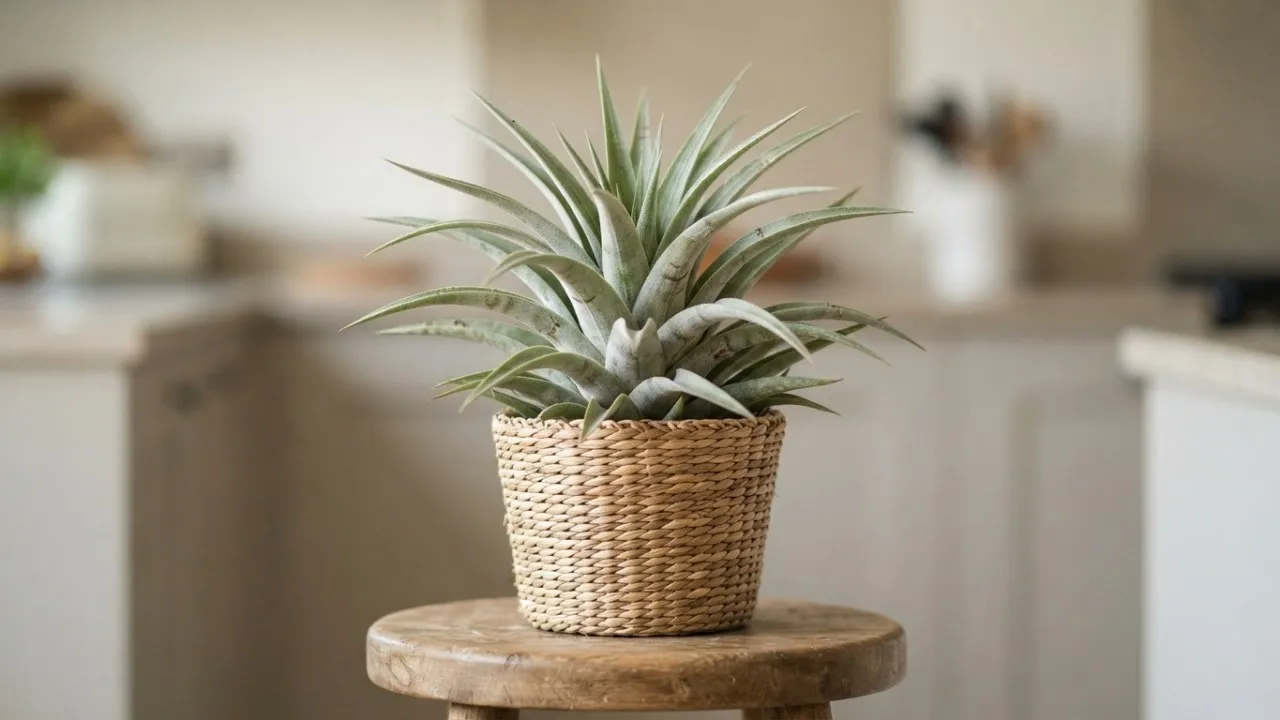 Every 4 days
 Air Plant
Tillandsia ionantha

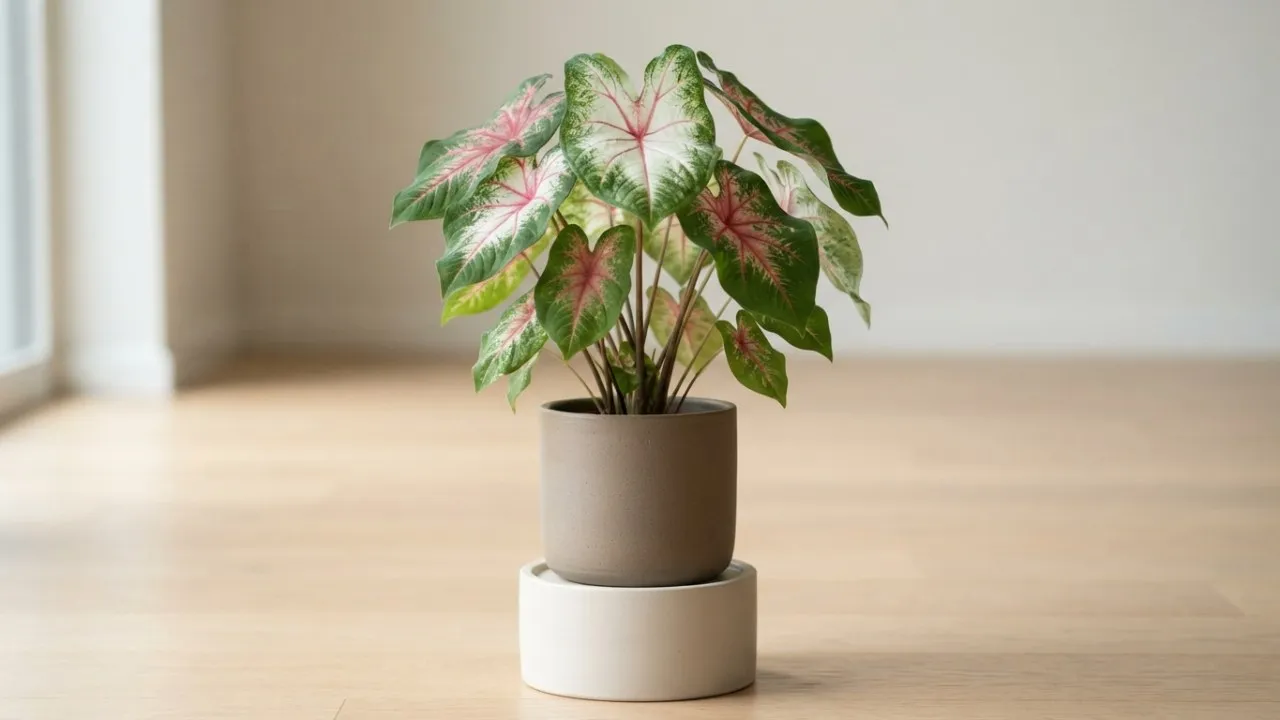 Every 3 days
 Angel Wings
Caladium bicolor
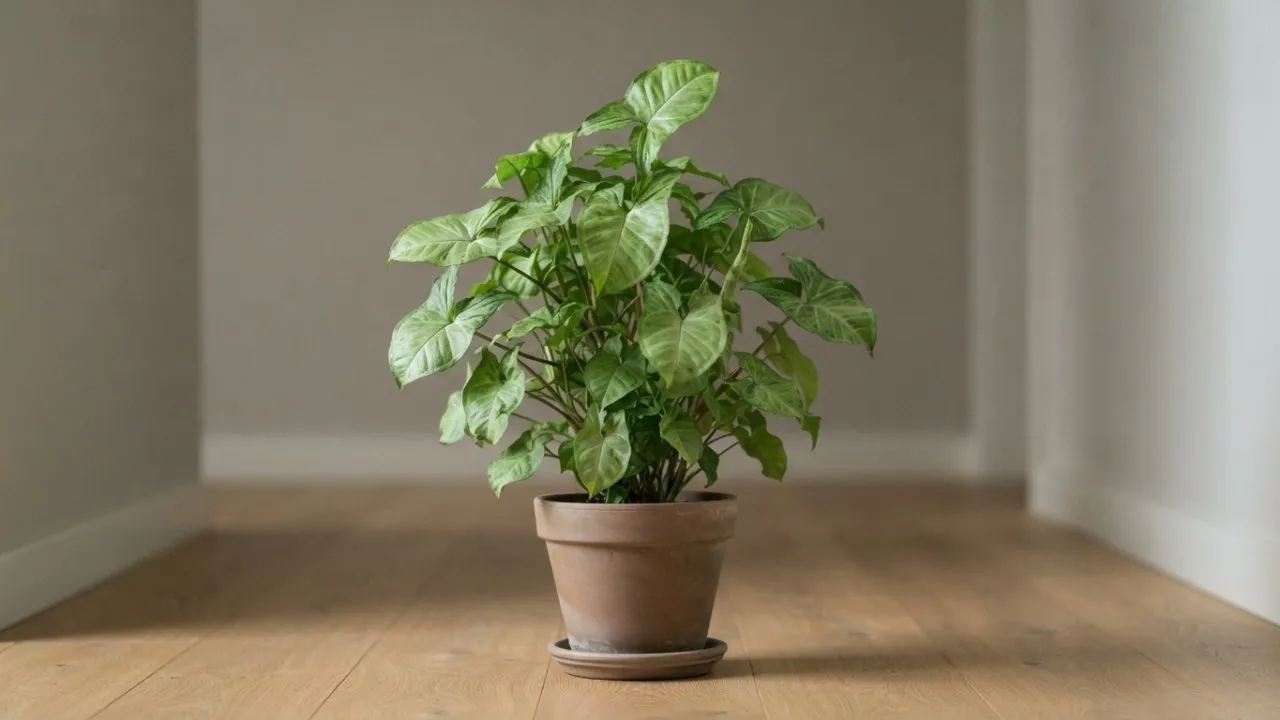 Every 7 days
 Arrowhead Plant
Syngonium podophyllum
 Every 10 days
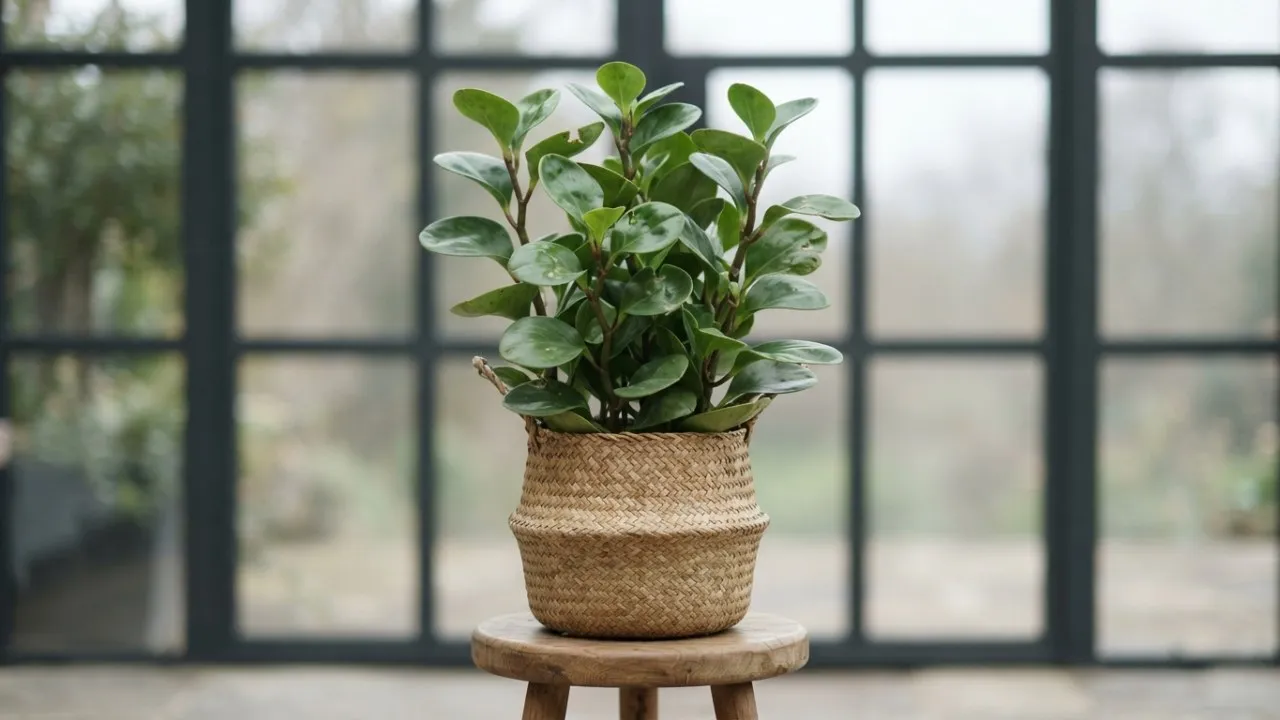
 Baby Rubber Plant
Peperomia obtusifolia