
Flowering · Begoniaceae
Eyelash Begonia
Begonia bowerae
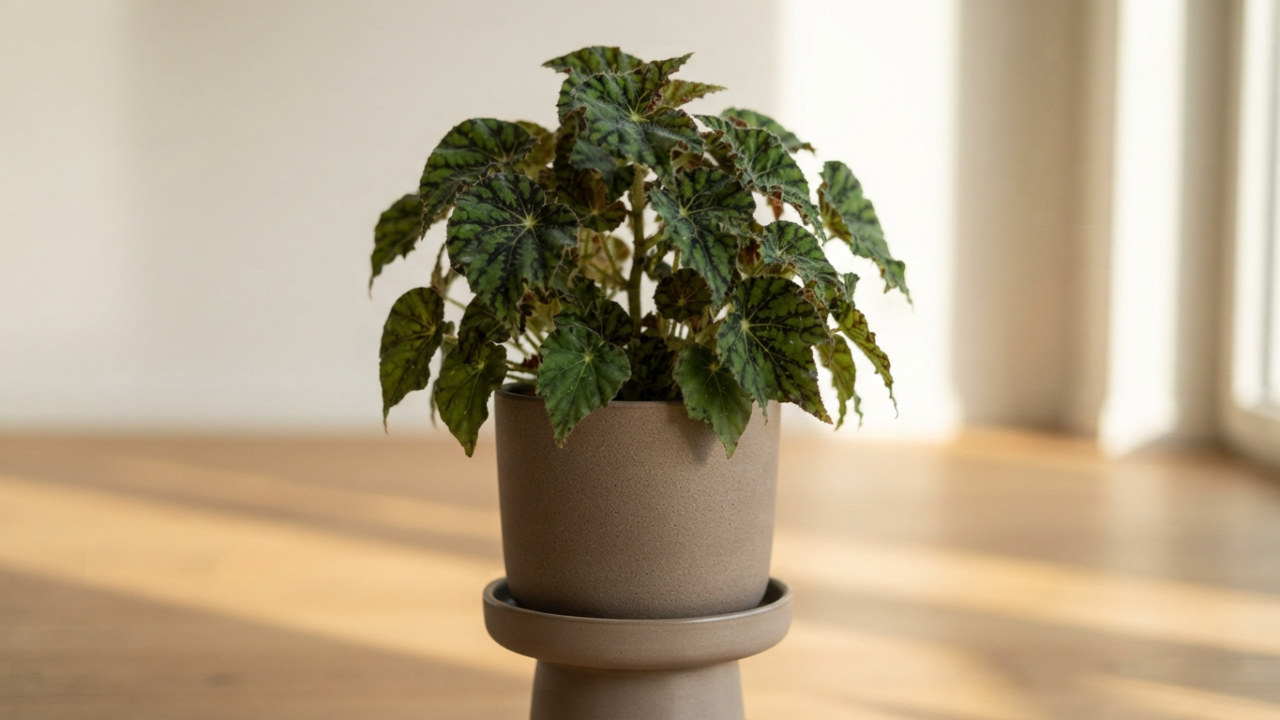
The Eyelash Begonia is a charming, compact rhizomatous begonia known for its patterned foliage with hairy edges and its delicate flowers.
- Every 6 daysWatering
- Bright indirect lightLight
- 60–80 %Humidity
- 18–27 °CTemperature


Its varieties 1
How to care for your Eyelash Begonia
Everything you need to keep your Eyelash Begonia healthy: watering, light, humidity, feeding, repotting and pruning.
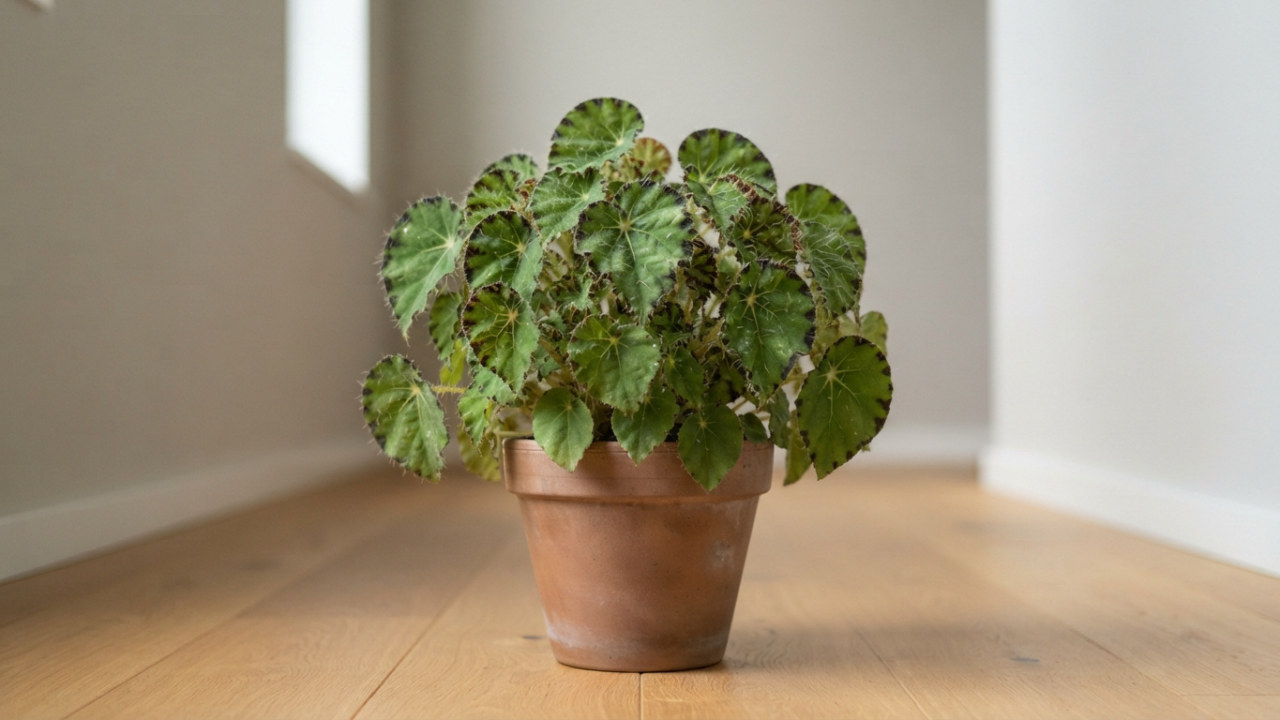
Begonia bowerae, often called Eyelash Begonia, is a rhizomatous begonia species native to the forests of Mexico. It is highly prized for its ornamental leaves, which feature intricate patterns and distinctive hairy margins that give it its common name. This begonia typically grows as a compact plant, making it ideal for terrariums or as a tabletop houseplant. It produces small, delicate pinkish-white flowers, usually in late winter to early spring. It thrives in high humidity and bright, indirect light, making it a rewarding plant for those who can provide its specific care requirements.

How to recognise Eyelash Begonia
A small, low, creeping plant with rounded, slightly asymmetrical leaves of light to olive green, marked with dark brown or black blotches along the veins and edged with fine white hairs like eyelashes. It is often confused with Begonia masoniana (iron cross begonia), whose leaves are larger, puckered and hairy on the surface, or with Begonia rex hybrids, which are bigger with metallic, swirled leaves and no eyelash fringe.

Watering your Eyelash Begonia
Every 6 days
Water thoroughly when the top 2 to 3 cm of soil feel dry to the touch, about every 6 days in the growing season (March to October). From November to February, water less often. Ensure good drainage and do not let the plant sit in standing water.
How to know it needs water
- Soil dry 2 to 3 cm deep
- Leaves slightly dull
- Pot feels lighter

How much light a Eyelash Begonia needs
Bright indirect light
Bright indirect light; avoid direct sun, especially harsh afternoon rays, which can scorch leaves.
- Direct sun tolerated
- 0 to 1 h a day
- Orientations that suit it
- North, North-east, East, North-west

Humidity and misting
60–80 %
High (60 to 80 %) Do not mist: water sitting on the leaves encourages powdery mildew and rot. To raise humidity, use a tray of moist clay pebbles (pot above the water) or a humidifier nearby.

Feeding and fertiliser
Every 21 days
Apply about every 3 weeks from March to September; withhold in winter.
- Recommended feed
- Balanced liquid fertilizer, diluted · 10-10-10

Repotting your Eyelash Begonia
Every 12 months
Repot every year in spring into a slightly larger, shallow pot (2 to 3 cm wider) using a well-draining, peat-based potting mix. Handle roots gently and keep the rhizome at the surface.
- When
- Spring
- Potting mix
- All-purpose potting mix
- Mix in
- perlite, coco fibre
The tell-tale signs
- Roots circling the pot
- Water runs straight through
- Growth has slowed significantly

Pruning your Eyelash Begonia
Remove spent flowers and yellowing or damaged leaves as needed to maintain appearance and encourage new growth. Pinch off or cut cleanly at the base of the stem or petiole with sterilised scissors.

Through the year
Watering is not set once and for all: it follows the light and the growth. Allow 10 days between waterings in the depth of winter, against 5 in the growing season.
- 9 J
- 7 F
- 6 M
- 5 A
- 5 M
- 5 J
- 5 J
- 5 A
- 6 S
- 7 O
- 8 N
- 10 D
Active growth · Days between waterings

Toxicity
Toxic to cats and dogs (oral irritation, vomiting, drooling due to calcium oxalates); also irritating to humans if chewed or swallowed. Keep out of reach of children and pets, and wash hands after handling if you have sensitive skin.

Good to know
- Named for its distinctive hairy leaf margins, resembling eyelashes
- Native to the rainforests of Mexico
- Many cultivars exist with varying leaf patterns and colours

Frequently asked questions about the Eyelash Begonia
How do you care for a Eyelash Begonia?
Water it every 6 days. Give it bright indirect light. Ideal humidity: 60–80 %. Ideal temperature: 18–27 °C. Water thoroughly when the top 2 to 3 cm of soil feel dry to the touch, about every 6 days in the growing season (March to October). From November to February, water less often. Ensure good drainage and do not let the plant sit in standing water.
How often should you water a Eyelash Begonia?
Every 6 days Water thoroughly when the top 2 to 3 cm of soil feel dry to the touch, about every 6 days in the growing season (March to October). From November to February, water less often. Ensure good drainage and do not let the plant sit in standing water. How to know it needs water : Soil dry 2 to 3 cm deep ; Leaves slightly dull ; Pot feels lighter.
How much light does a Eyelash Begonia need?
Bright indirect light Bright indirect light; avoid direct sun, especially harsh afternoon rays, which can scorch leaves. 0 to 1 h a day
Is the Eyelash Begonia toxic to cats and dogs?
Yes. Toxic to cats and dogs (oral irritation, vomiting, drooling due to calcium oxalates); also irritating to humans if chewed or swallowed. Keep out of reach of children and pets, and wash hands after handling if you have sensitive skin. Keep it out of reach of your pets and call a vet if any is swallowed.
Why are my Eyelash Begonia leaves turning yellow?
Yellowing most often comes from too much water: the mix stays wet and the roots suffocate. Check that the pot drains, empty the saucer, and let the mix dry before watering again. Too little light or a cold draught cause the same symptom.
When should you repot a Eyelash Begonia?
Repot every 12 months, ideally in spring. Repot every year in spring into a slightly larger, shallow pot (2 to 3 cm wider) using a well-draining, peat-based potting mix. Handle roots gently and keep the rhizome at the surface.

At a glance
- Family
- Begoniaceae
- Category
- Flowering
- Placement
- Indoor
- Mature height
- 30 cm
- Growth
- Moderate
- Temperature
- 18–27 °C
- Pot materials
- ceramic, plastic
- Growth
- Reaches maturity in 2 years
These figures are for an average plant. In the app they are recalculated for yours, based on your room, its orientation and the season.
And for your plant, in your home?
In the app this plant becomes yours: a watering schedule tuned to your home, health tracking from photos, and reminders at the right moment.
In the same spirit
 Every 6 days


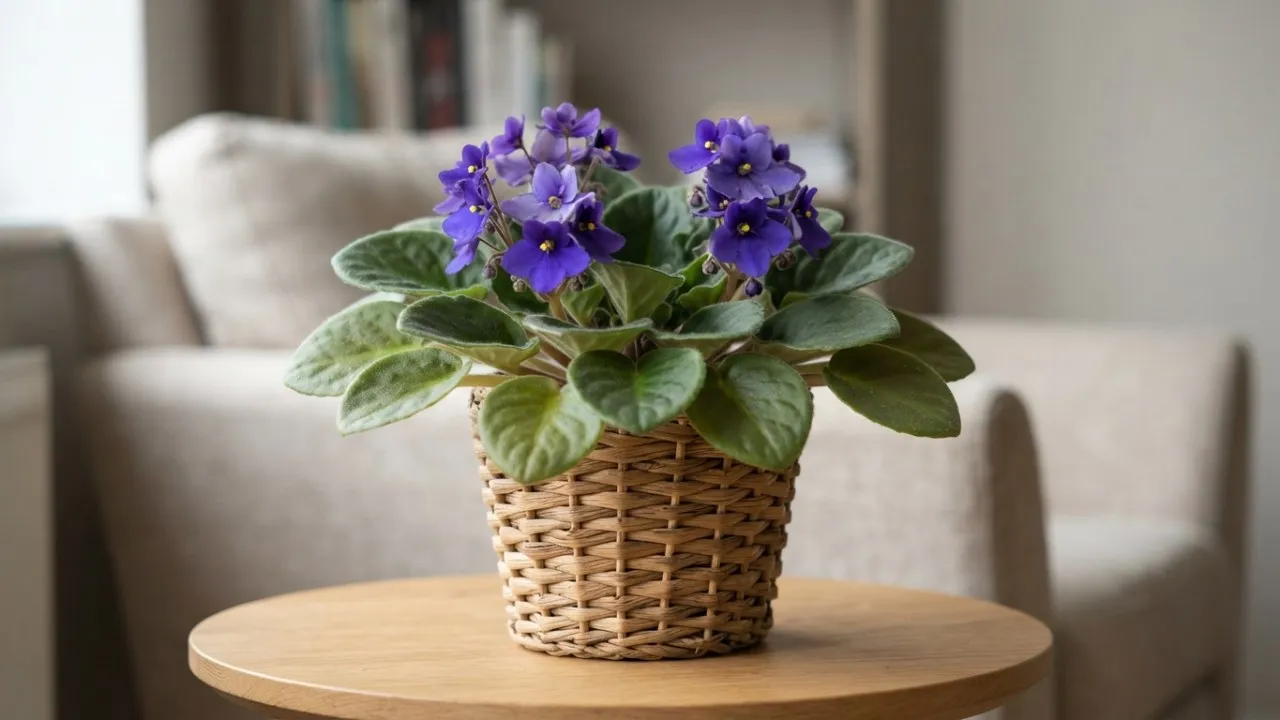
African Violet
Saintpaulia ionantha

 Every 3 days
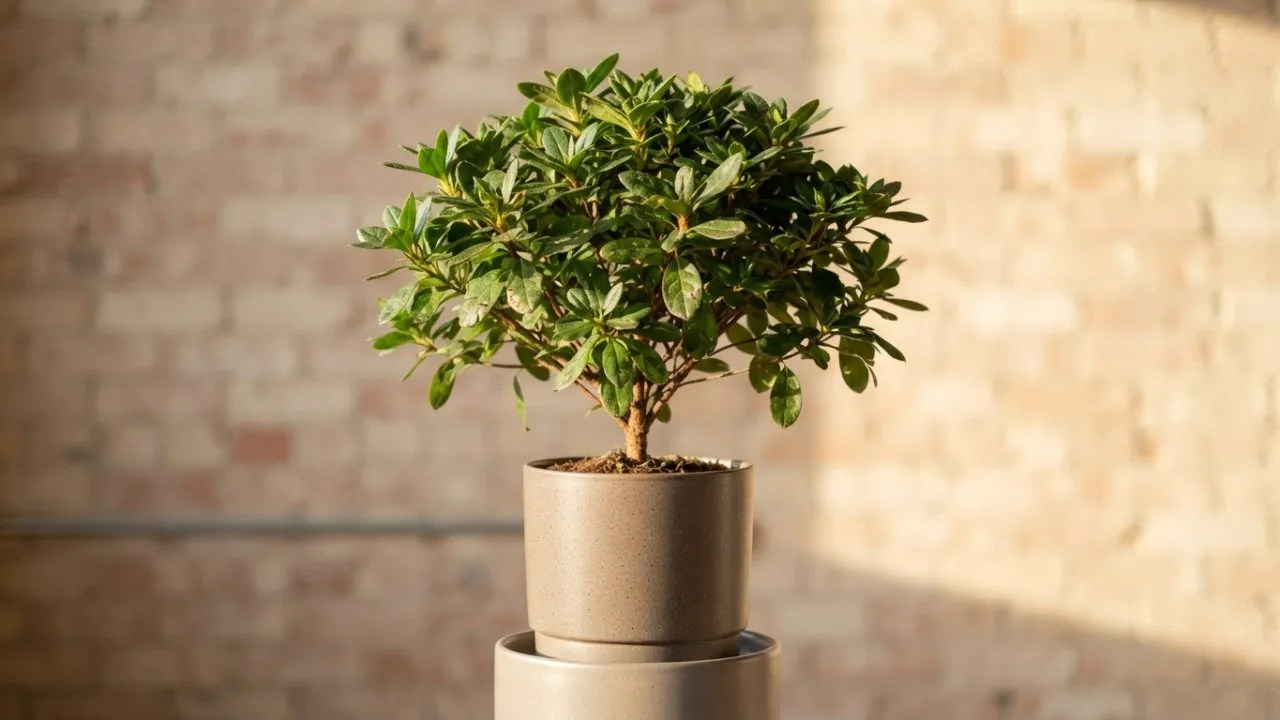
Azalea
Rhododendron simsii
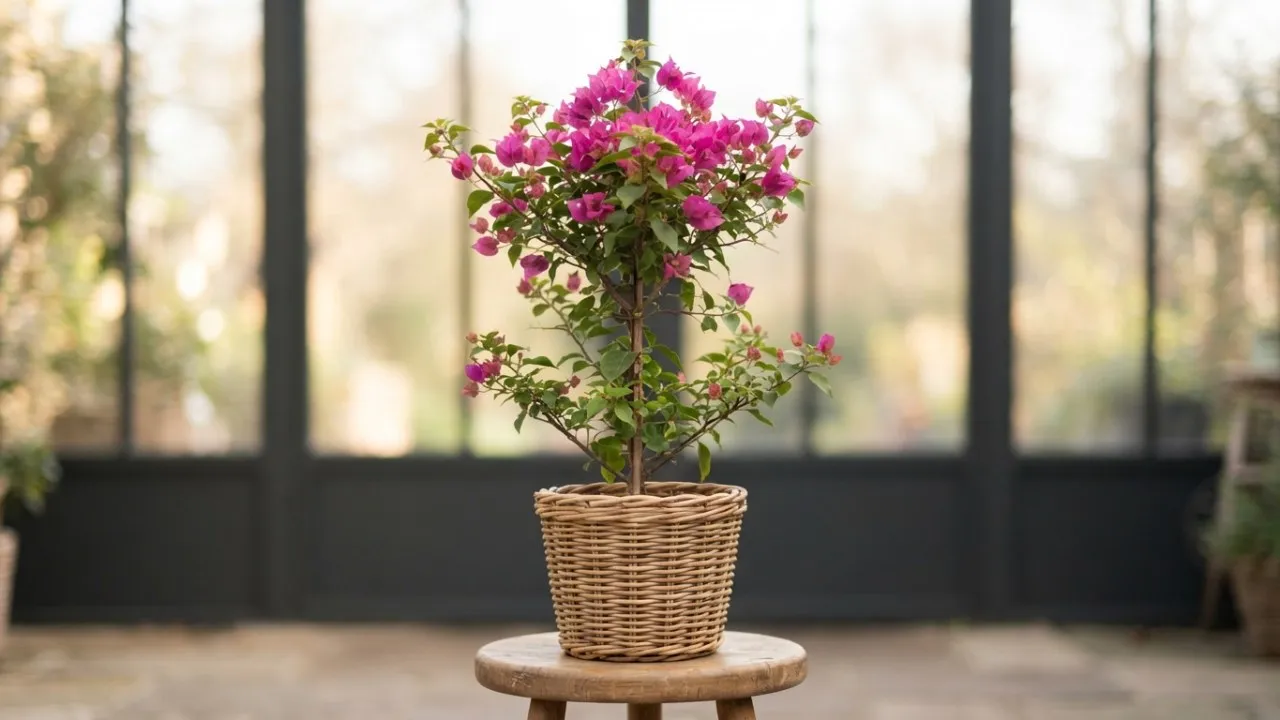 Every 5 days
Bougainvillea
Bougainvillea glabra
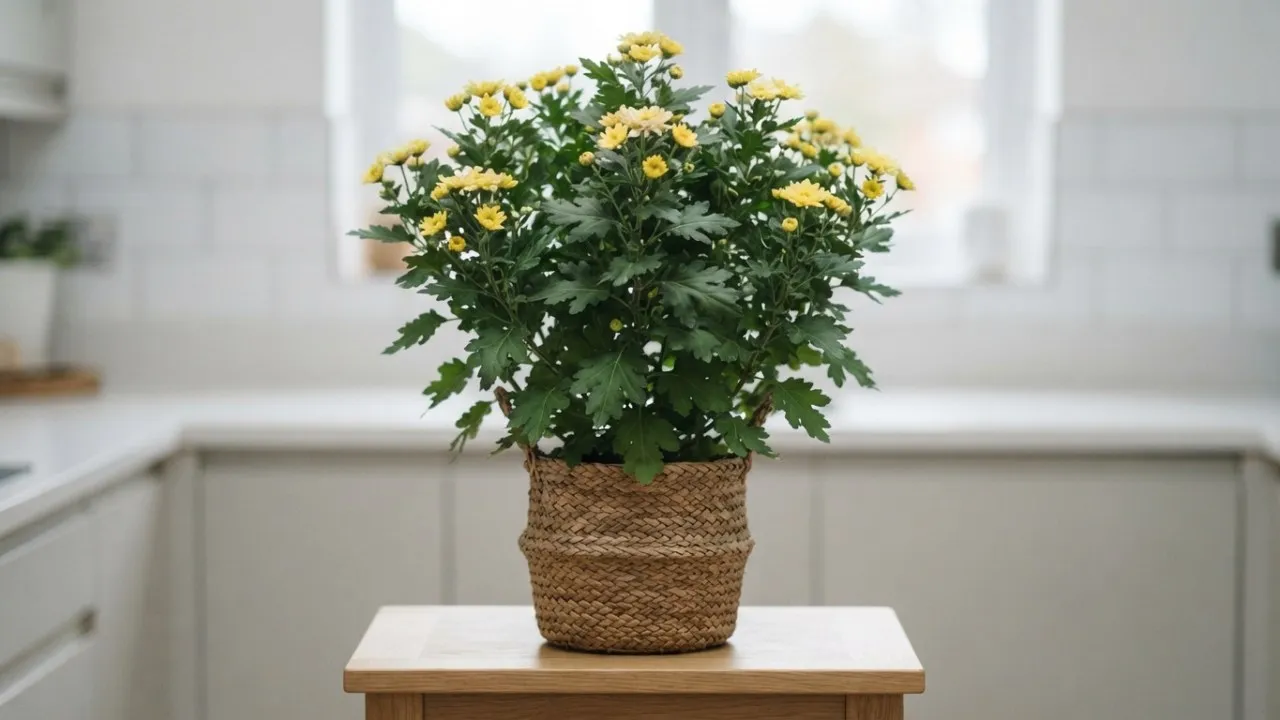 Every 3 days
Chrysanthemum
Chrysanthemum morifolium
