
Variety Flowering · Begoniaceae
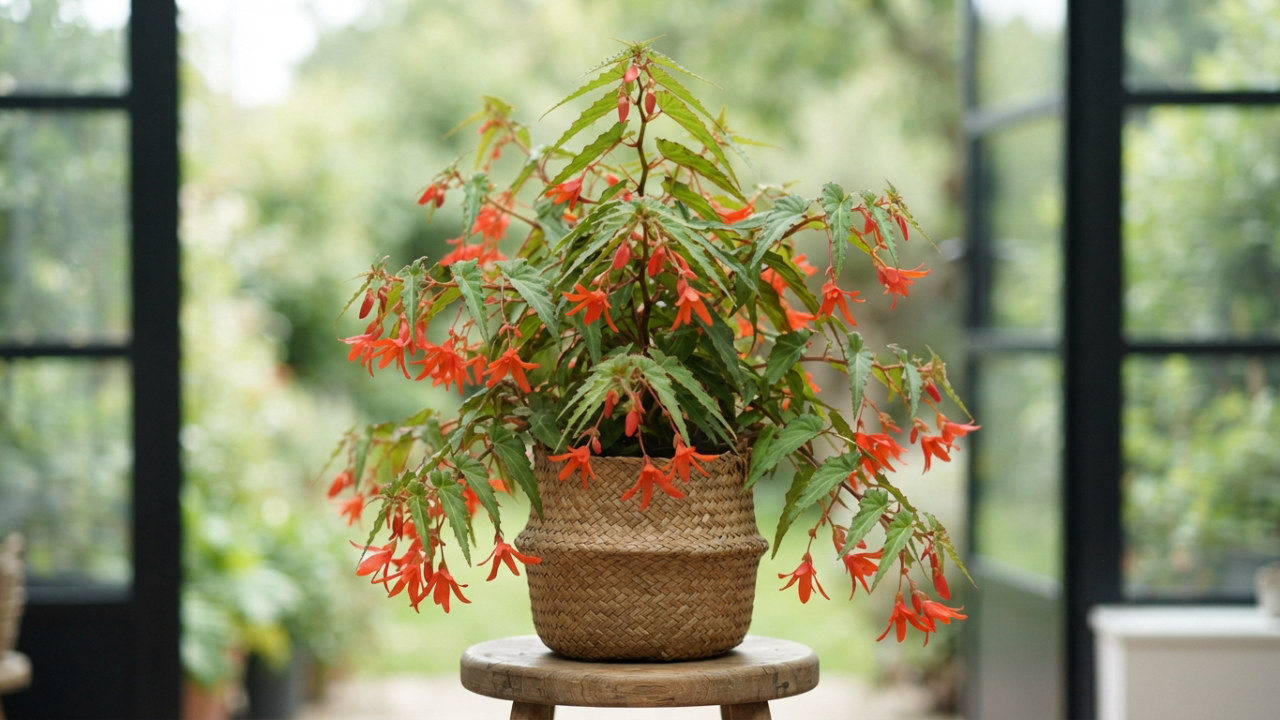
Begonia 'Bonfire'
Begonia boliviensis 'Bonfire' · A variety of Bolivian Begonia
A fast trailing tuberous begonia with narrow green leaves and masses of orange-red, fuchsia-like flowers.
- Every 5 daysWatering
- Bright indirect lightLight
- 50–70 %Humidity
- 18–26 °CTemperature


Other varieties 1
How to care for your Begonia 'Bonfire'
Everything you need to keep your Begonia 'Bonfire' healthy: watering, light, humidity, feeding, repotting and pruning.
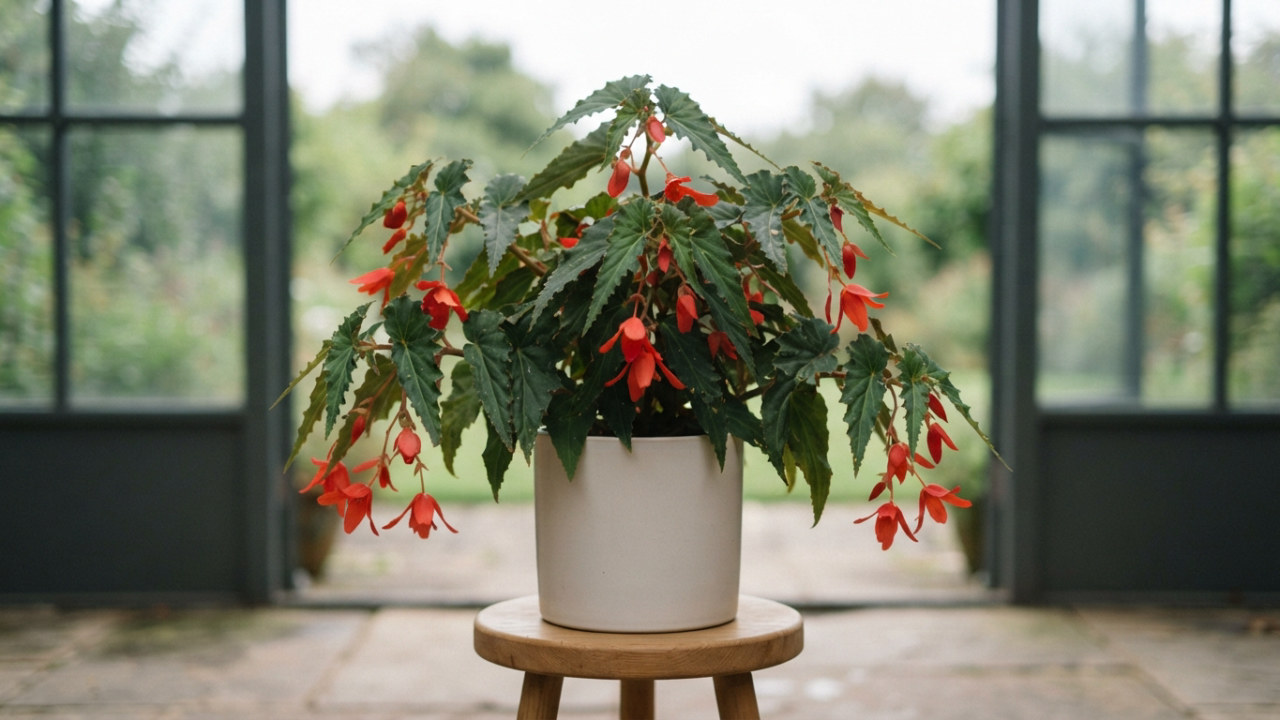
'Bonfire' was selected from seed of Begonia boliviensis collected in Bolivia in 1990 by the New Zealand Ministry of Agriculture and Fisheries, and reached Europe in 2005. It grows quickly into a mound of arching, trailing stems about 45 to 50 cm across, with narrow, toothed green leaves edged in red or pink. Nodding scarlet to orange-red blooms appear from late spring to the first frosts. It suits hanging baskets and pots, and the tubers rest dry over winter.

How to recognise Begonia 'Bonfire'
Narrow, toothed, bright green leaves with red or pink edges on arching, trailing stems, and dangling orange-red flowers shaped like fuchsias. 'Santa Cruz Sunset' has darker green, broader leaves and redder blooms, while upright tuberous begonias have big rosette-like flowers.

Watering your Begonia 'Bonfire'
Every 5 days
Water when the top two to three centimeters of mix have dried and let the excess drain, then stop watering in winter and keep the tubers dry.
How to know it needs water
- The top two to three centimeters of mix feel dry to the finger
- The trailing stems droop slightly and the pot feels light

How much light a Begonia 'Bonfire' needs
Bright indirect light
Bright indirect light with a little gentle morning sun suits it; hot afternoon sun scorches the leaves and shade means few flowers.
- Direct sun tolerated
- 0 to 2 h a day
- Orientations that suit it
- North, North-east, East

Humidity and misting
50–70 %
Moderate, about 50 to 70%, in airy conditions that keep the foliage dry. Do not mist: wet leaves and flowers spot and invite mildew, so water the mix and leave the foliage dry.

Feeding and fertiliser
Every 14 days
Feed about every two weeks from May to September while it flowers, and stop when growth fades in autumn.
- Recommended feed
- A high-potash liquid fertilizer for flowering plants, diluted to half the dose on the label. · 5-10-5

Repotting your Begonia 'Bonfire'
Every 12 months
Set the tuber with its hollow side up, just covered, in fresh, airy potting mix with perlite and coco fiber, in a pot one size larger.
- When
- Early spring, in March and April, when the tubers sprout.
- Potting mix
- All-purpose potting mix
- Mix in
- perlite, coco fibre
The tell-tale signs
- Shoots crowd the pot and the mix dries within a few days in summer
- Tubers push up through the surface of the mix

Pruning your Begonia 'Bonfire'
In spring to shape the young growth, and through summer to remove spent flowers; cut stems back in autumn as they die down. Pinch the tips of young shoots for a fuller plant and snip off faded flowers with clean scissors.

Through the year
Watering is not set once and for all: it follows the light and the growth. Allow 6 days between waterings in the depth of winter, against 1 in the growing season.
- 1 J
- 1 F
- 3 M
- 4 A
- 5 M
- 6 J
- 6 J
- 6 A
- 5 S
- 2 O
- 1 N
- 1 D
Active growth · Days between waterings

Toxicity
Soluble calcium oxalates make all parts toxic to cats, dogs and people if eaten, the tubers being the most harmful, with burning of the mouth and throat and vomiting.

Good to know
- Its seed came from Bolivian plants collected in 1990.
- Its flowers dangle like little fuchsias, which gives the plant its look in hanging baskets.

Frequently asked questions about the Begonia 'Bonfire'
How do you care for a Begonia 'Bonfire'?
Water it every 5 days. Give it bright indirect light. Ideal humidity: 50–70 %. Ideal temperature: 18–26 °C. Water when the top two to three centimeters of mix have dried and let the excess drain, then stop watering in winter and keep the tubers dry.
How often should you water a Begonia 'Bonfire'?
Every 5 days Water when the top two to three centimeters of mix have dried and let the excess drain, then stop watering in winter and keep the tubers dry. How to know it needs water : The top two to three centimeters of mix feel dry to the finger ; The trailing stems droop slightly and the pot feels light.
How much light does a Begonia 'Bonfire' need?
Bright indirect light Bright indirect light with a little gentle morning sun suits it; hot afternoon sun scorches the leaves and shade means few flowers. 0 to 2 h a day
Is the Begonia 'Bonfire' toxic to cats and dogs?
Yes. Soluble calcium oxalates make all parts toxic to cats, dogs and people if eaten, the tubers being the most harmful, with burning of the mouth and throat and vomiting. Keep it out of reach of your pets and call a vet if any is swallowed.
Why are my Begonia 'Bonfire' leaves turning yellow?
Yellowing most often comes from too much water: the mix stays wet and the roots suffocate. Check that the pot drains, empty the saucer, and let the mix dry before watering again. Too little light or a cold draught cause the same symptom.
When should you repot a Begonia 'Bonfire'?
Repot every 12 months, ideally in early spring, in march and april, when the tubers sprout.. Set the tuber with its hollow side up, just covered, in fresh, airy potting mix with perlite and coco fiber, in a pot one size larger.

At a glance
- Family
- Begoniaceae
- Category
- Flowering
- Placement
- Indoor and outdoor
- Mature height
- 45 cm
- Growth
- Fast
- Temperature
- 18–26 °C
- Pot materials
- terracotta, ceramic, plastic
- Growth
- Reaches maturity in 1 years
These figures are for an average plant. In the app they are recalculated for yours, based on your room, its orientation and the season.
And for your plant, in your home?
In the app this plant becomes yours: a watering schedule tuned to your home, health tracking from photos, and reminders at the right moment.
In the same spirit
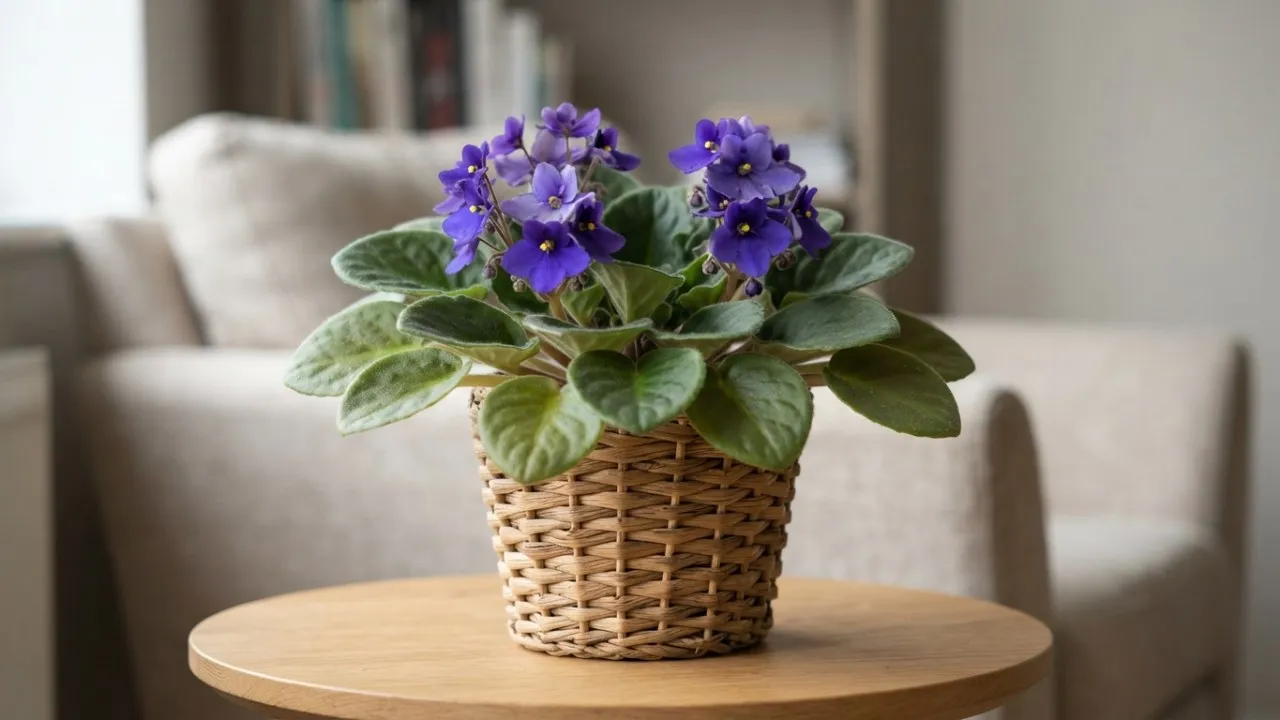 Every 6 days


African Violet
Saintpaulia ionantha

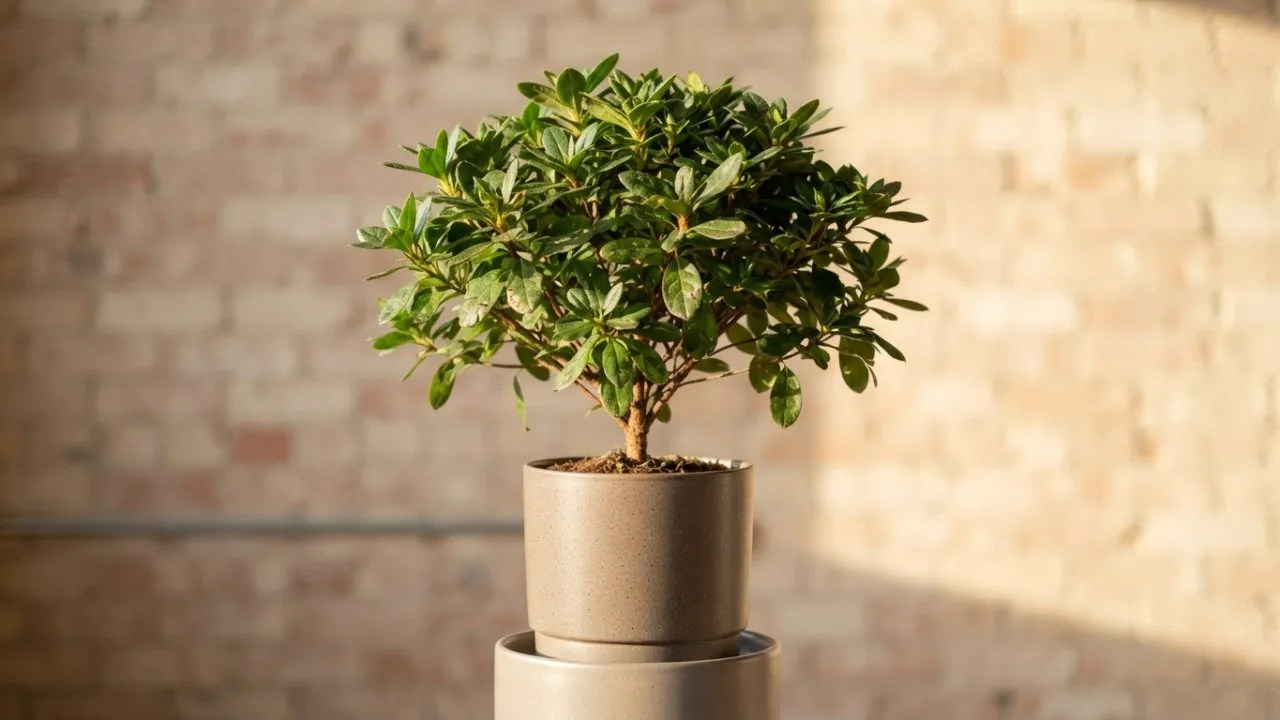 Every 3 days
Azalea
Rhododendron simsii
 Every 5 days
Bougainvillea
Bougainvillea glabra
 Every 3 days
Chrysanthemum
Chrysanthemum morifolium
