
Variety Tropical · Araceae
Anthurium 'Black Queen'
Anthurium andraeanum 'Black Queen' · A variety of Flamingo Flower
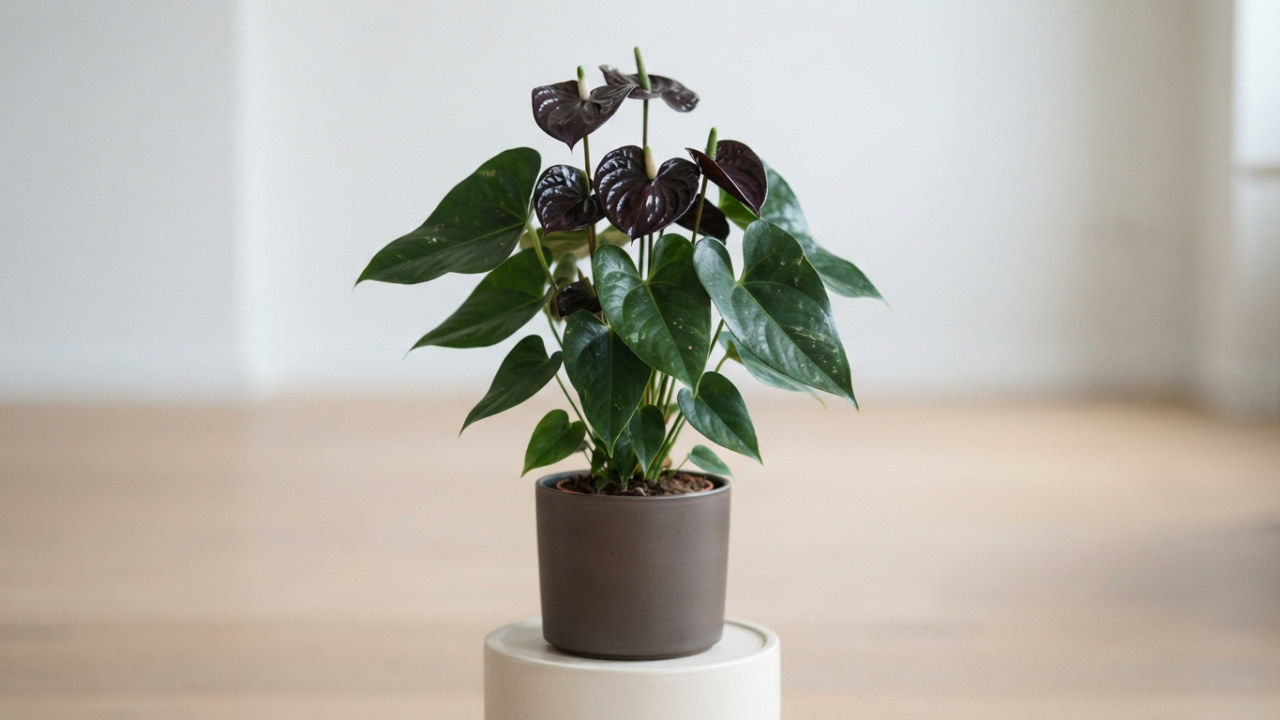
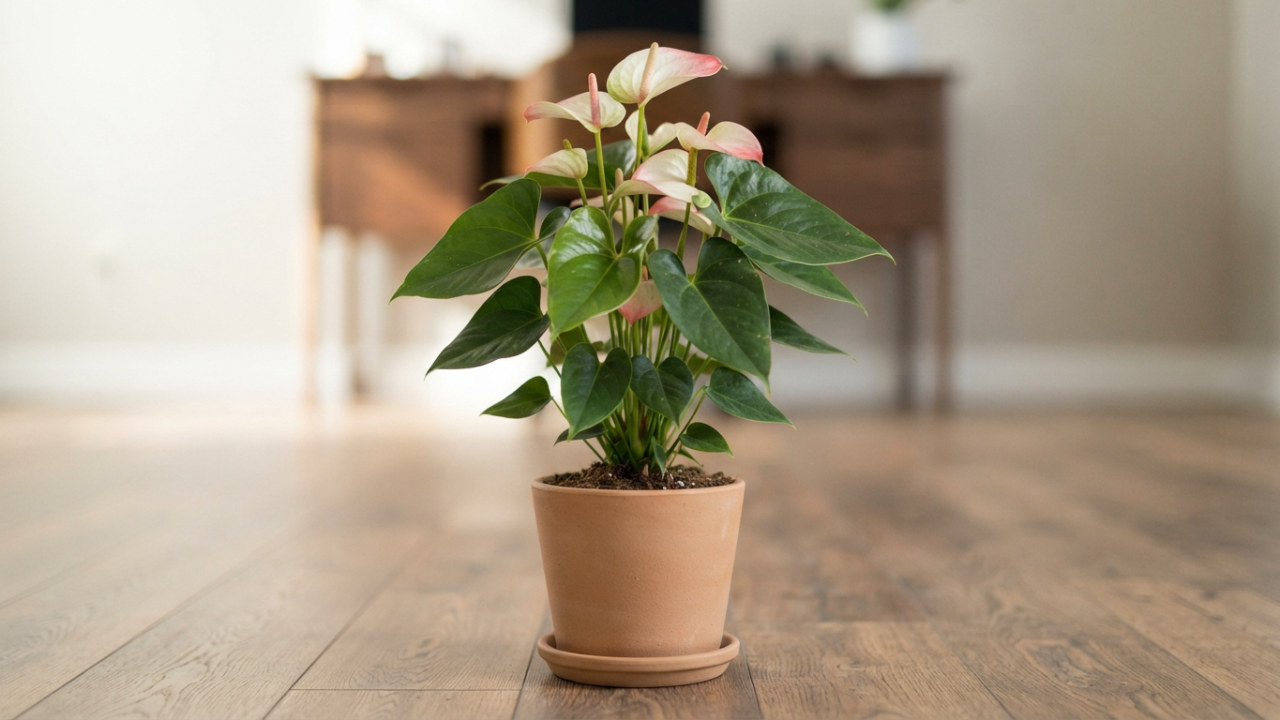
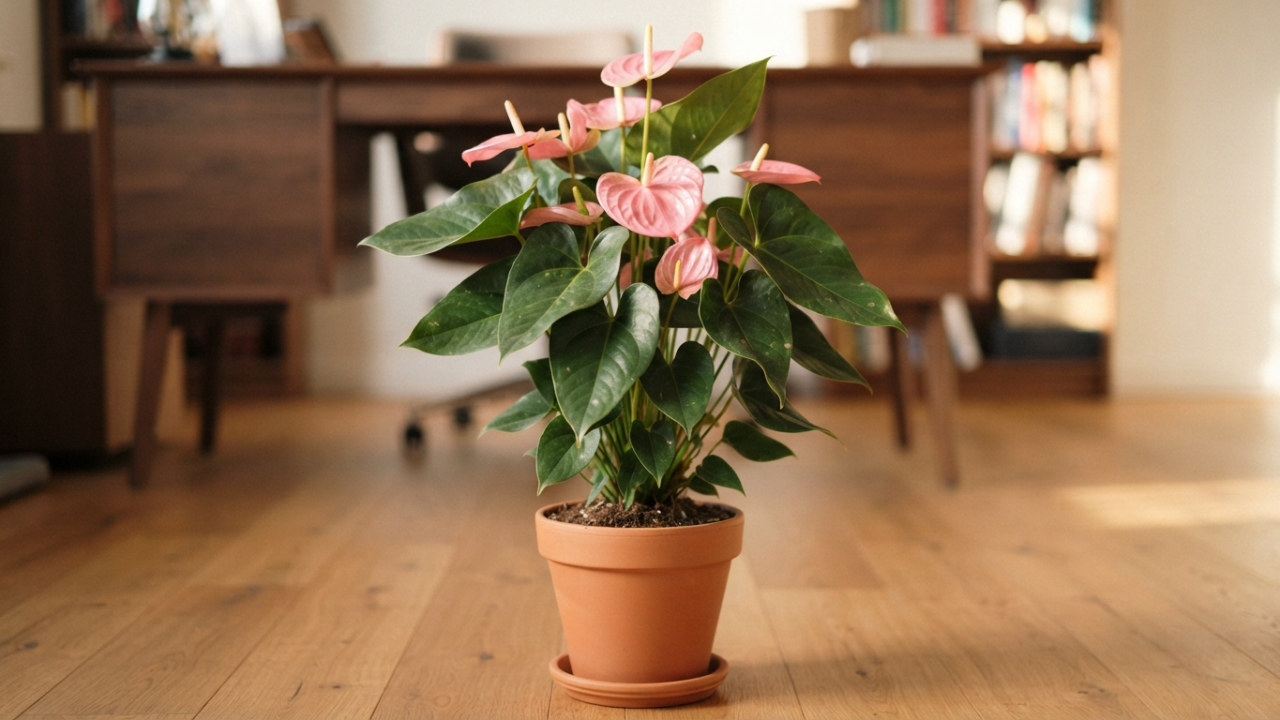
An anthurium with glossy, heart-shaped spathes in a very dark brownish-black to deep burgundy, above forest-green leaves.
- Every 7 daysWatering
- Bright indirect lightLight
- 60–70 %Humidity
- 16–28 °CTemperature


Other varieties 7
How to care for your Anthurium 'Black Queen'
Everything you need to keep your Anthurium 'Black Queen' healthy: watering, light, humidity, feeding, repotting and pruning.
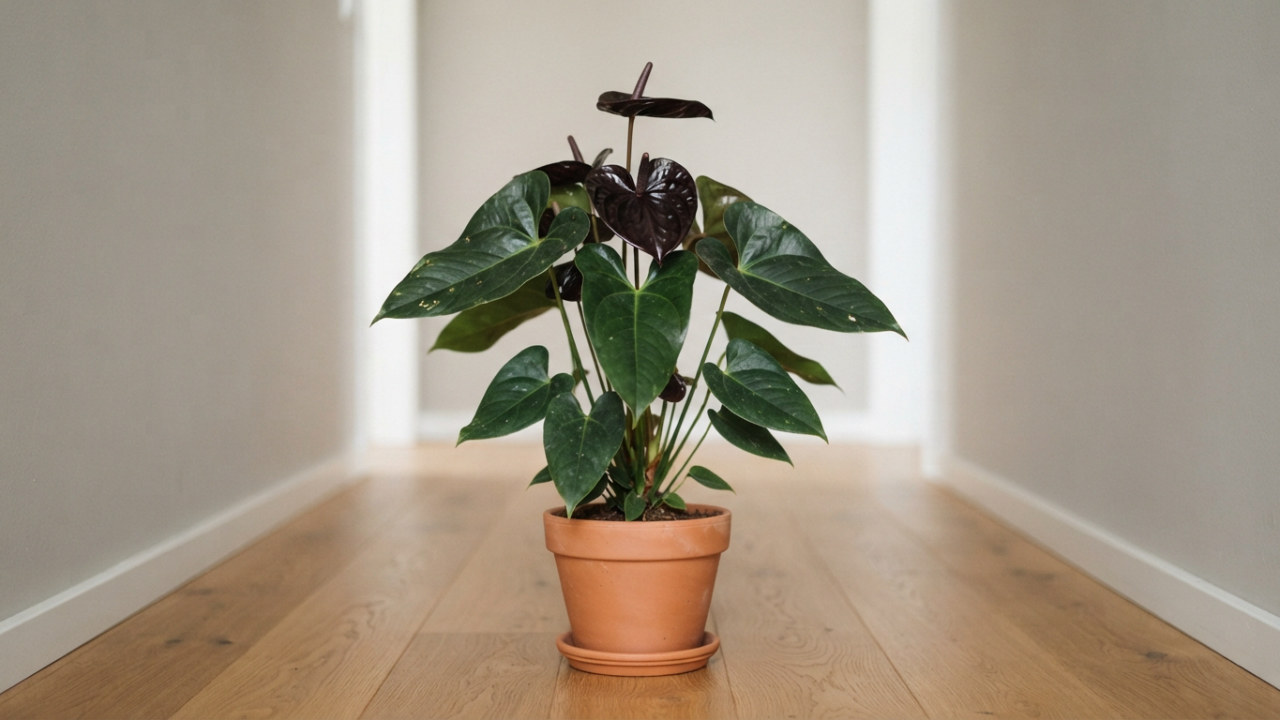
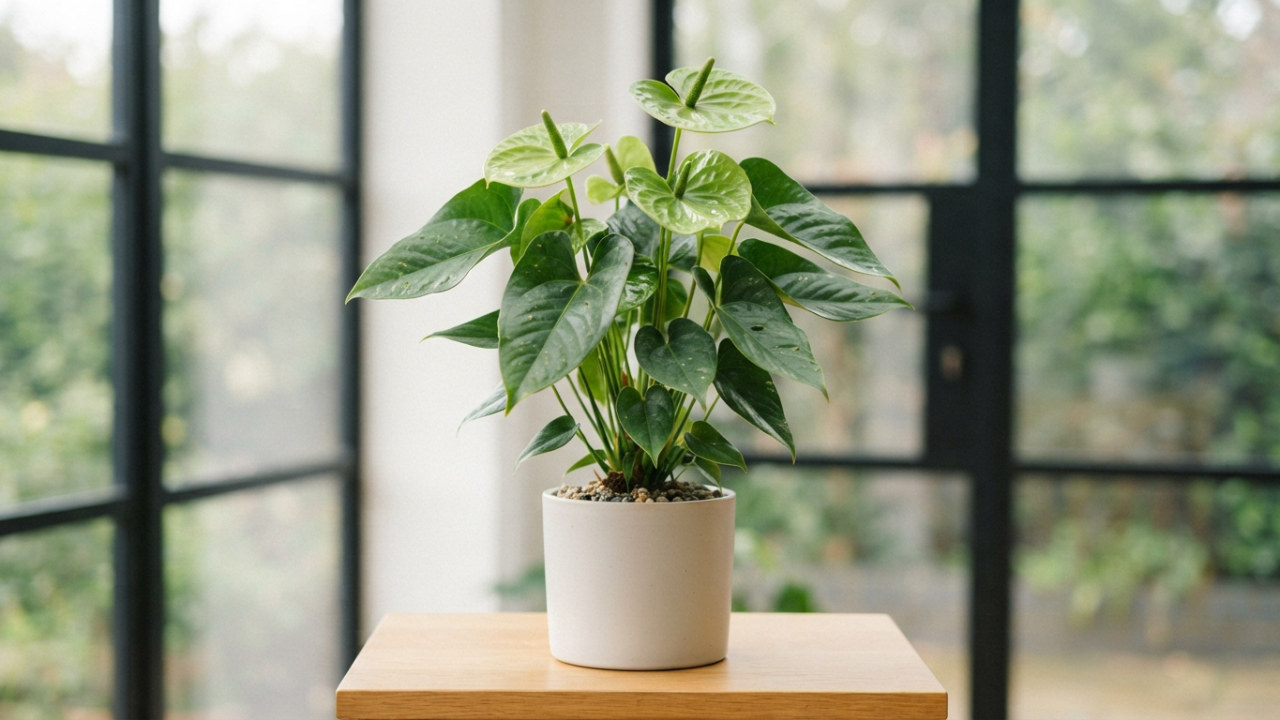
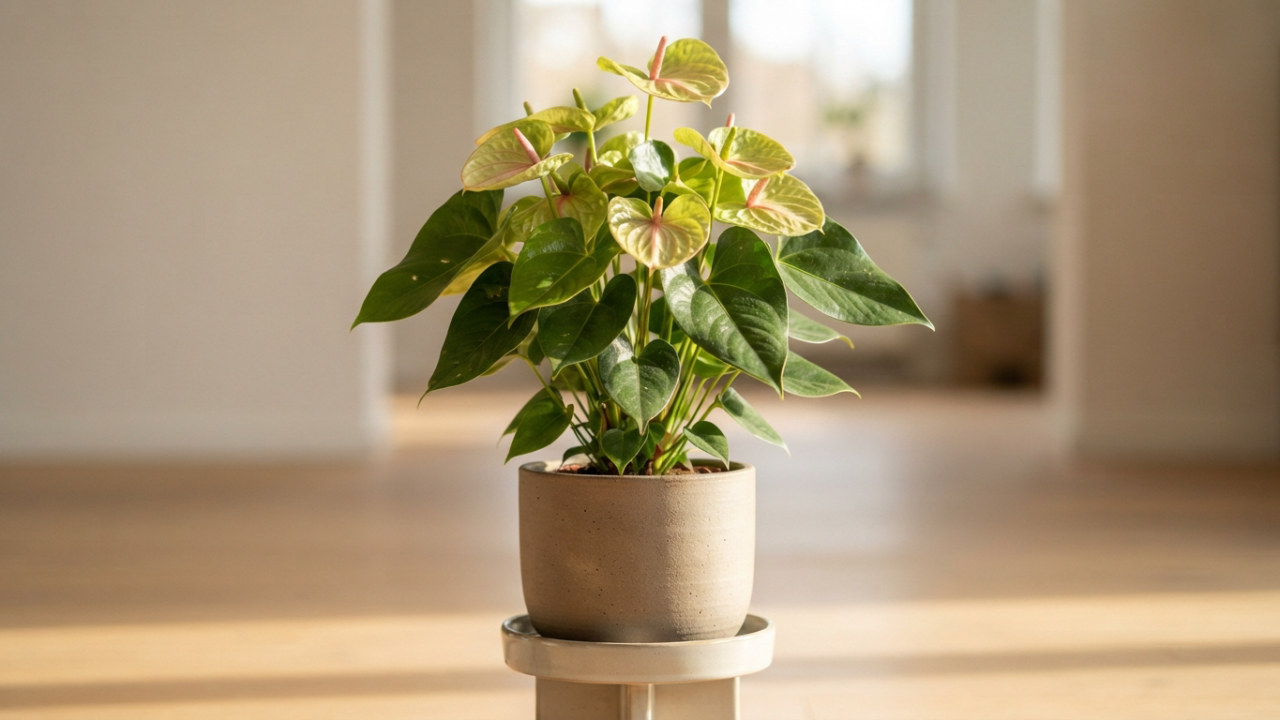
'Black Queen' is an anthurium with long-lasting, glossy, heart-shaped spathes in a very dark brownish-black to deep burgundy, set off by a pale green to cream spadix. Its large, glossy leaves are a deep forest green and make a lush backdrop for the dark spathes. The plant is upright and somewhat spreading, and it grows at a moderate pace indoors.

How to recognise Anthurium 'Black Queen'
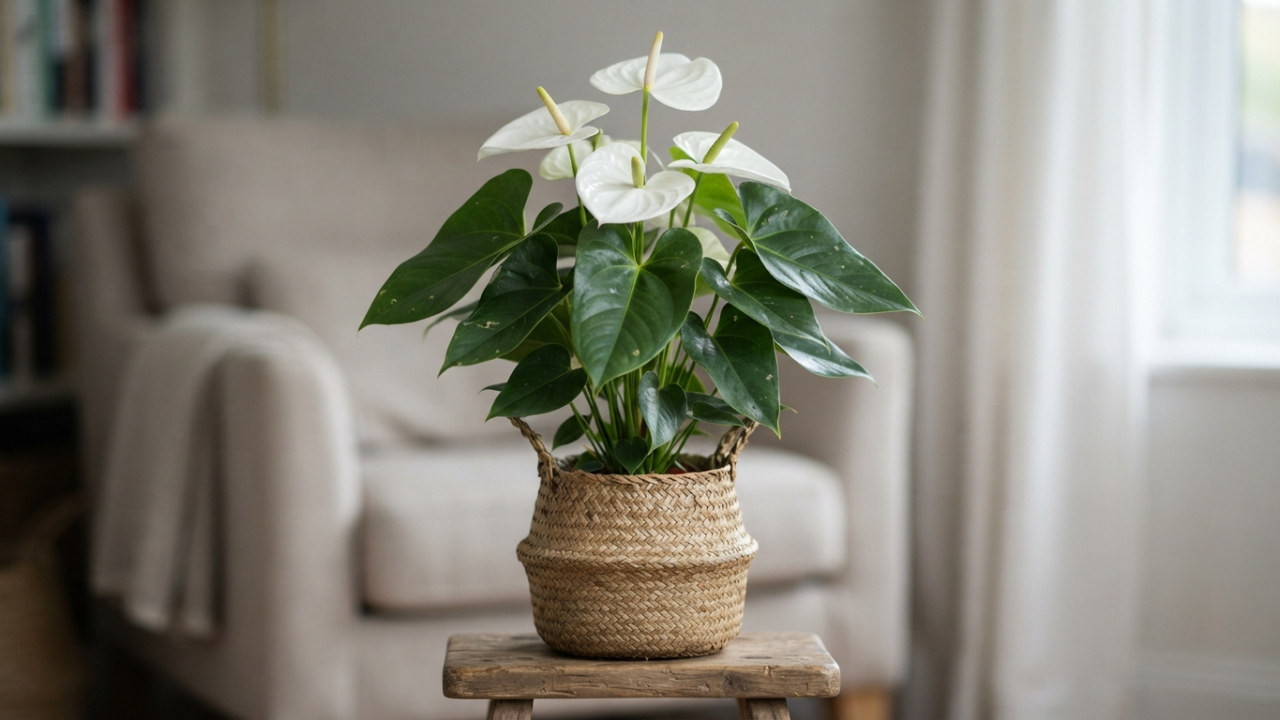
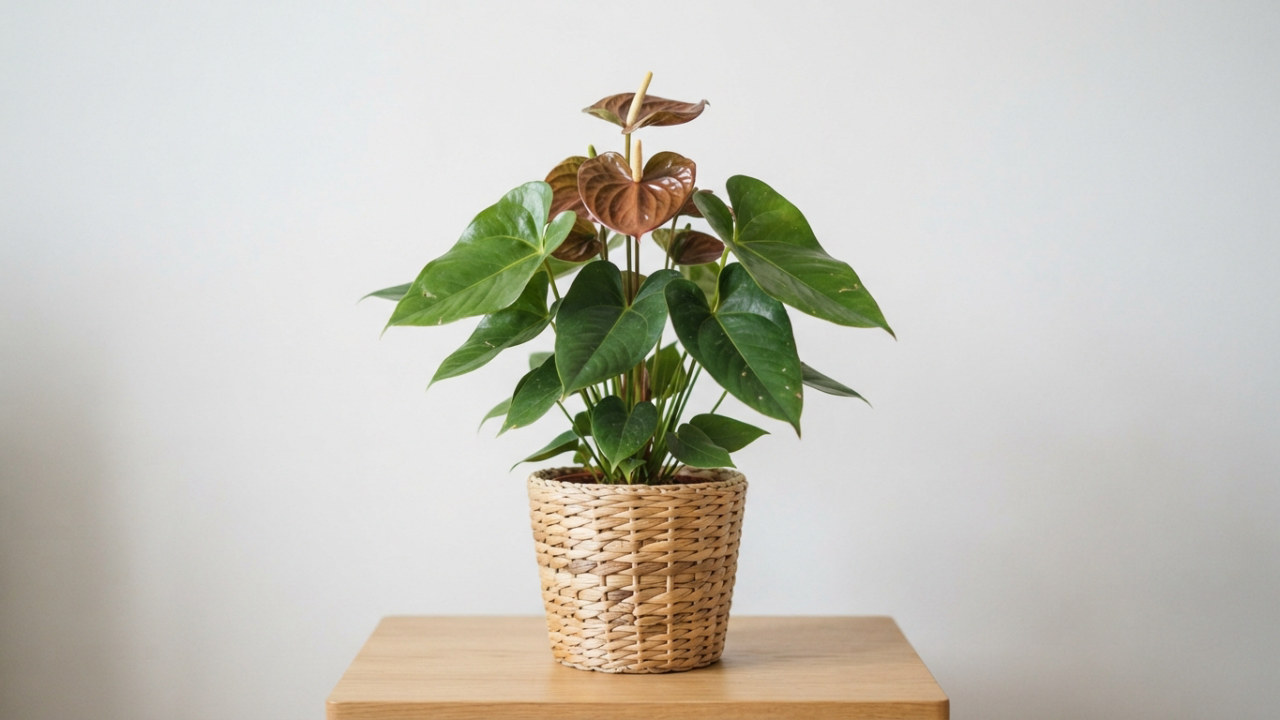
Its glossy spathe is a very dark brownish-black to deep burgundy, set off by a pale green to cream spadix. 'Black Love', the closest lookalike, is described as the newer, darker one, and 'Choco' is a warmer chocolate brown.

Watering your Anthurium 'Black Queen'
Every 7 days
Water when the top half of the mix is dry, slowly, until water runs from the base; use lukewarm, soft water and empty the saucer.
How to know it needs water
- The top half of the pot is dry when you test with a finger
- The pot feels noticeably light

How much light a Anthurium 'Black Queen' needs
Bright indirect light
A bright spot out of direct sun, with at most an hour of gentle morning sun, suits it; stronger sun scorches the large leaves and can mark the spathe.
- Direct sun tolerated
- 0 to 1 h a day
- Orientations that suit it
- North, North-east, East, South-east, North-west

Humidity and misting
60–70 %
Keep humidity between 60 and 70%, with a humidifier if heating dries the air. A light mist of the leaves about every three days is enough; avoid the spathes, which spot if water dries on them.

Feeding and fertiliser
Every 21 days
Give it about every three weeks from April to October, on damp mix, and none in winter.
- Recommended feed
- A phosphorus-rich liquid fertilizer for flowering plants, diluted to half the label dose. · 5-10-5

Repotting your Anthurium 'Black Queen'
Every 24 months
Choose a pot one size larger and fill it with a light mix of potting soil, perlite, pine bark and coco fiber, keeping the crown at its old level.
- When
- Spring, between March and May.
- Potting mix
- All-purpose potting mix
- Mix in
- perlite, pine bark, coco fibre
The tell-tale signs
- Roots wind around the surface or emerge from the drainage holes
- Water drains through almost at once because the pot is full of roots

Pruning your Anthurium 'Black Queen'
When a spathe fades and dries out, and whenever an old leaf turns yellow. Cut the faded stalk or the yellow leaf stalk at the base with clean scissors, without damaging the stem.

Through the year
Watering is not set once and for all: it follows the light and the growth. Allow 8 days between waterings in the depth of winter, against 6 in the growing season.
- 8 J
- 8 F
- 6 M
- 6 A
- 6 M
- 6 J
- 6 J
- 6 A
- 6 S
- 7 O
- 8 N
- 8 D
Active growth · Days between waterings

Toxicity
Calcium oxalate crystals in every part cause oral irritation, swelling and pain if the plant is chewed, in people, cats and dogs; the sap can irritate skin.

Good to know
- It was released in 2007 by a Dutch ornamental plant breeding company, before 'Black Love'.
- The dark part is a spathe, a modified leaf; the true flowers are the tiny dots on the pale spadix.

Frequently asked questions about the Anthurium 'Black Queen'
How do you care for a Anthurium 'Black Queen'?
Water it every 7 days. Give it bright indirect light. Ideal humidity: 60–70 %. Ideal temperature: 16–28 °C. Water when the top half of the mix is dry, slowly, until water runs from the base; use lukewarm, soft water and empty the saucer.
How often should you water a Anthurium 'Black Queen'?
Every 7 days Water when the top half of the mix is dry, slowly, until water runs from the base; use lukewarm, soft water and empty the saucer. How to know it needs water : The top half of the pot is dry when you test with a finger ; The pot feels noticeably light.
How much light does a Anthurium 'Black Queen' need?
Bright indirect light A bright spot out of direct sun, with at most an hour of gentle morning sun, suits it; stronger sun scorches the large leaves and can mark the spathe. 0 to 1 h a day
Is the Anthurium 'Black Queen' toxic to cats and dogs?
Yes. Calcium oxalate crystals in every part cause oral irritation, swelling and pain if the plant is chewed, in people, cats and dogs; the sap can irritate skin. Keep it out of reach of your pets and call a vet if any is swallowed.
Why are my Anthurium 'Black Queen' leaves turning yellow?
Yellowing most often comes from too much water: the mix stays wet and the roots suffocate. Check that the pot drains, empty the saucer, and let the mix dry before watering again. Too little light or a cold draught cause the same symptom.
When should you repot a Anthurium 'Black Queen'?
Repot every 24 months, ideally in spring, between march and may.. Choose a pot one size larger and fill it with a light mix of potting soil, perlite, pine bark and coco fiber, keeping the crown at its old level.

At a glance
- Family
- Araceae
- Category
- Tropical
- Placement
- Indoor
- Mature height
- 60 cm
- Growth
- Moderate
- Temperature
- 16–28 °C
- Pot materials
- ceramic, plastic
- Growth
- Reaches maturity in 3 years
These figures are for an average plant. In the app they are recalculated for yours, based on your room, its orientation and the season.
And for your plant, in your home?
In the app this plant becomes yours: a watering schedule tuned to your home, health tracking from photos, and reminders at the right moment.
In the same spirit
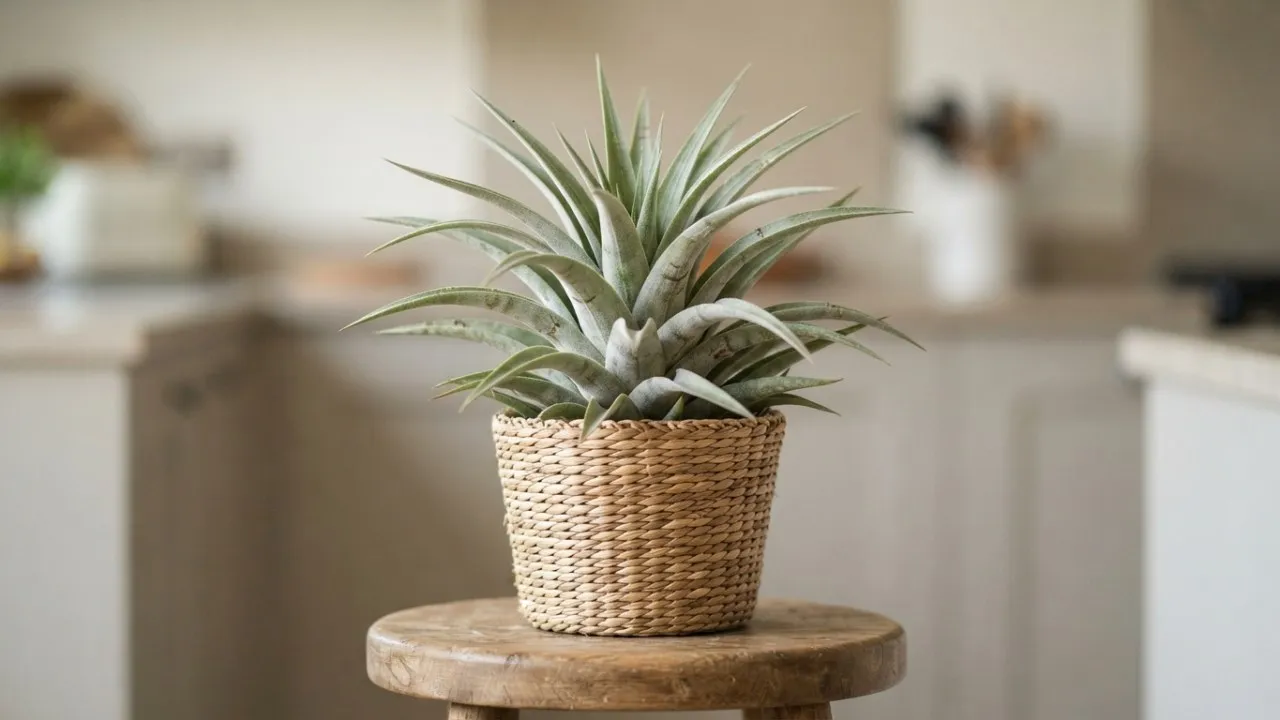 Every 7 days


Air Plant
Tillandsia ionantha

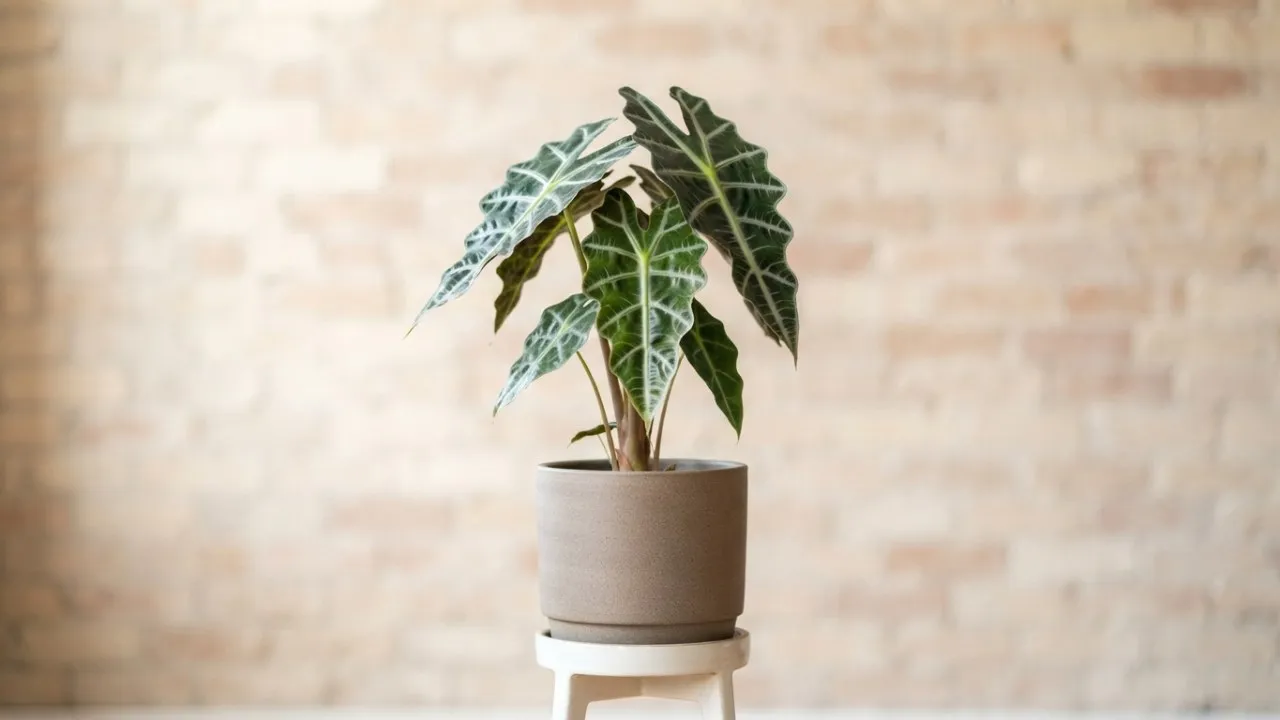 Every 6 days
Alocasia amazonica
Alocasia amazonica
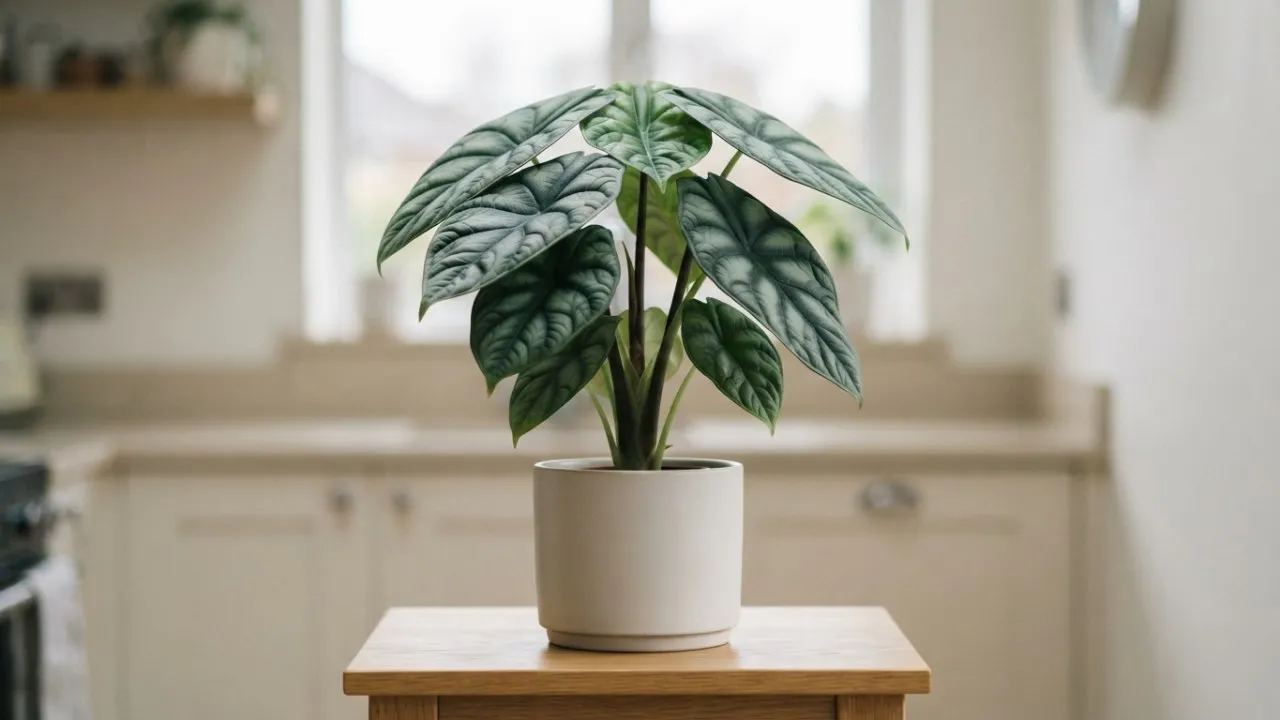 Every 7 days
Alocasia baginda
Alocasia baginda
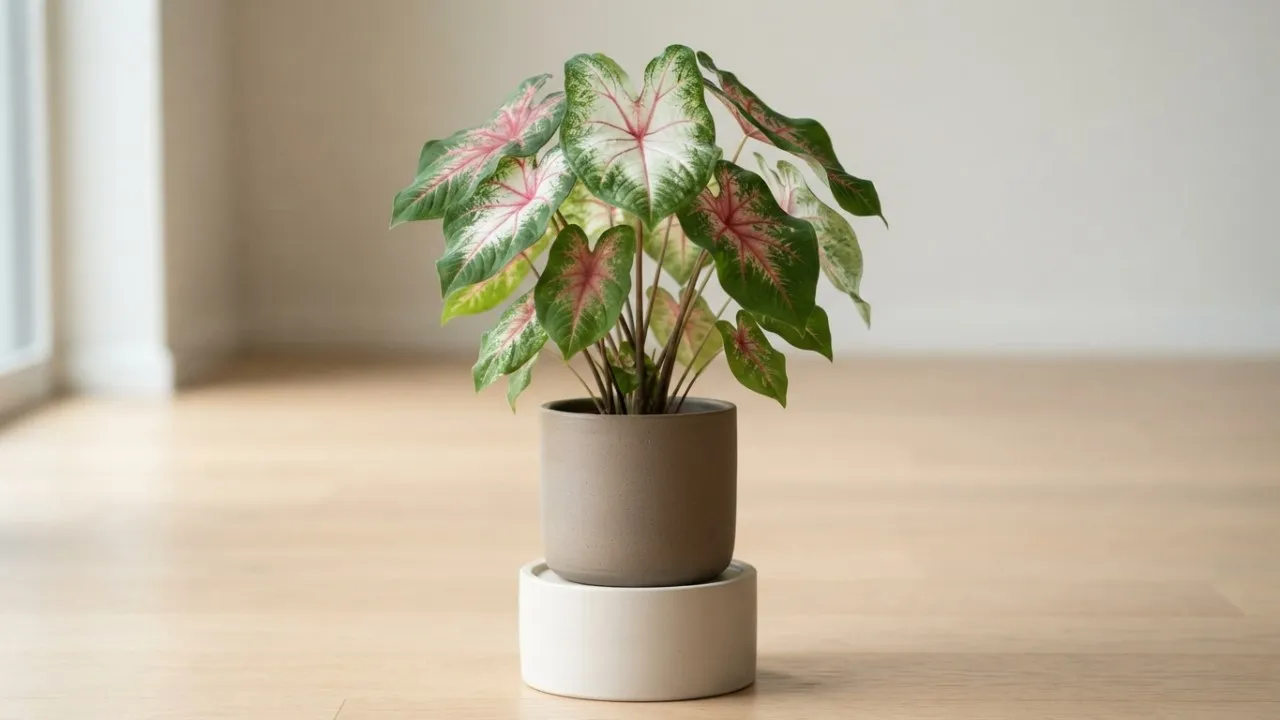 Every 4 days
Angel Wings
Caladium bicolor
