
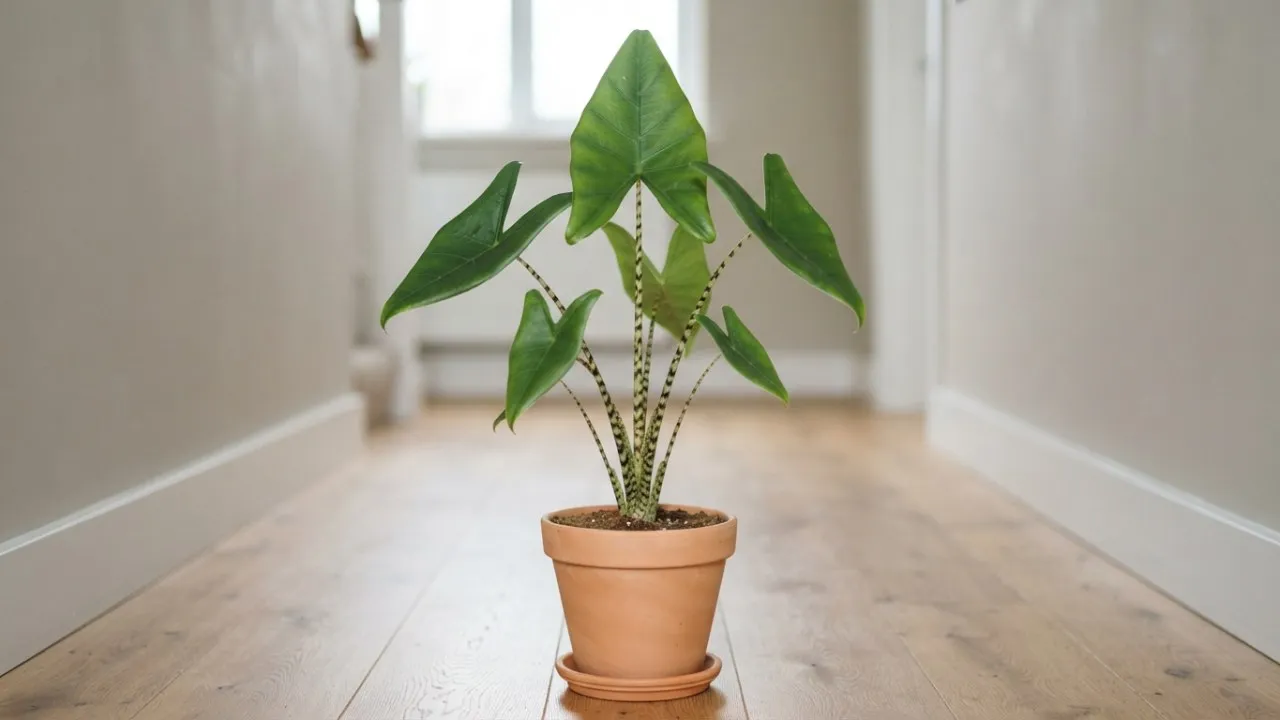
Zebra Alocasia
Alocasia zebrina
A stunning Alocasia known for its unique zebra-striped stems and large, glossy, arrow-shaped green leaves.
The essentials at a glance
-
Watering
Every 7 days
-
Light
Bright indirect light
-
Humidity
65–80 %
-
Temperature
18–28 °C


How to care for your Zebra Alocasia
Everything you need to keep your Zebra Alocasia healthy: watering, light, humidity, feeding, repotting and pruning.
Alocasia zebrina is a highly prized tropical plant admired for its exotic beauty. Its most striking feature is the slender, upright petioles (stems) adorned with a distinct zebra-like pattern of dark and light stripes. These elegant stems support large, glossy, arrow-shaped leaves that can reach impressive sizes, creating a dramatic focal point in any indoor space. Like most Alocasias, it requires consistent warmth, high humidity, and bright, indirect light to truly thrive, often going dormant if conditions are not ideal.

Watering your Zebra Alocasia
Every 7 days
Keep soil consistently moist but not soggy. Allow the top inch to dry.
How to know it needs water
- Top inch of soil is dry
- Leaves may start to droop slightly

How much light a Zebra Alocasia needs
Bright indirect light
Bright, indirect light. Avoid direct sun.
- Direct sun tolerated
- No direct sun
- Orientations that suit it
- North, North-east, East, South-east, South-west, West, North-west

Humidity and misting
65–80 %
High (65-80%) Regular misting, humidifiers, or pebble trays are essential for high humidity.

Feeding and fertiliser
Every 30 days
Feed every 2-4 weeks during the growing season (spring to fall).
- Recommended feed
- Balanced liquid fertilizer, diluted to half strength · 2-1-2

Repotting your Zebra Alocasia
Every 18 months
Carefully move to a slightly larger pot with well-draining aroid mix.
- When
- Spring
- Potting mix
- All-purpose potting mix
- Mix in
- perlite, pine bark, coco fibre
The tell-tale signs
- Roots growing out of drainage holes
- Stunted growth

Pruning your Zebra Alocasia
Remove yellow or damaged leaves as they appear. Cut at the base of the petiole using clean, sharp scissors.

Through the year
Watering is not set once and for all: it follows the light and the growth. Allow 11 days between waterings in the depth of winter, against 6 in the growing season.
- 11 J
- 9 F
- 7 M
- 6 A
- 6 M
- 6 J
- 6 J
- 6 A
- 7 S
- 8 O
- 10 N
- 11 D
Active growth · Days between waterings

Toxicity
Contains calcium oxalate crystals; can cause severe irritation if ingested.

Good to know
- Its common name comes from the distinctive zebra-striped pattern on its petioles.
- The large, arrow-shaped leaves are held high on elegant stems, giving it a dramatic silhouette.

Frequently asked questions about the Zebra Alocasia
How do you care for a Zebra Alocasia?
Water it every 7 days. Give it bright indirect light. Ideal humidity: 65–80 %. Ideal temperature: 18–28 °C. Keep soil consistently moist but not soggy. Allow the top inch to dry.
How often should you water a Zebra Alocasia?
Every 7 days Keep soil consistently moist but not soggy. Allow the top inch to dry. How to know it needs water : Top inch of soil is dry ; Leaves may start to droop slightly.
How much light does a Zebra Alocasia need?
Bright indirect light Bright, indirect light. Avoid direct sun. No direct sun
Is the Zebra Alocasia toxic to cats and dogs?
Yes. Contains calcium oxalate crystals; can cause severe irritation if ingested. Keep it out of reach of your pets and call a vet if any is swallowed.
Why are my Zebra Alocasia leaves turning yellow?
Yellowing most often comes from too much water: the mix stays wet and the roots suffocate. Check that the pot drains, empty the saucer, and let the mix dry before watering again. Too little light or a cold draught cause the same symptom.
When should you repot a Zebra Alocasia?
Repot every 18 months, ideally in spring. Carefully move to a slightly larger pot with well-draining aroid mix.

At a glance
- Family
- Araceae
- Category
- Tropical
- Placement
- Indoor
- Mature height
- 90 cm
- Growth
- Moderate
- Temperature
- 18–28 °C
- Pot materials
- ceramic, plastic
- Growth
- Reaches maturity in 3 years
These figures are for an average plant. In the app they are recalculated for yours, based on your room, its orientation and the season.
And for your plant, in your home?
In the app this plant becomes yours: a watering schedule tuned to your home, health tracking from photos, and reminders at the right moment.
In the same spirit
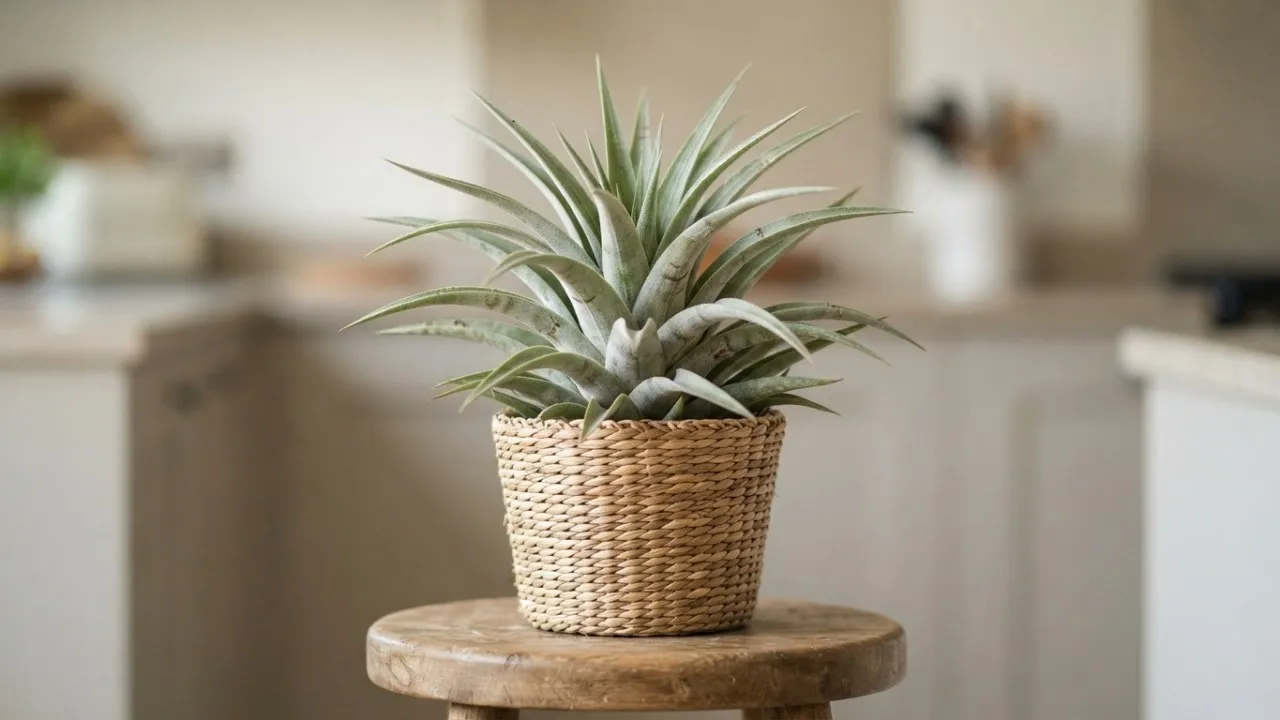 Every 4 days
 Air Plant
Tillandsia ionantha

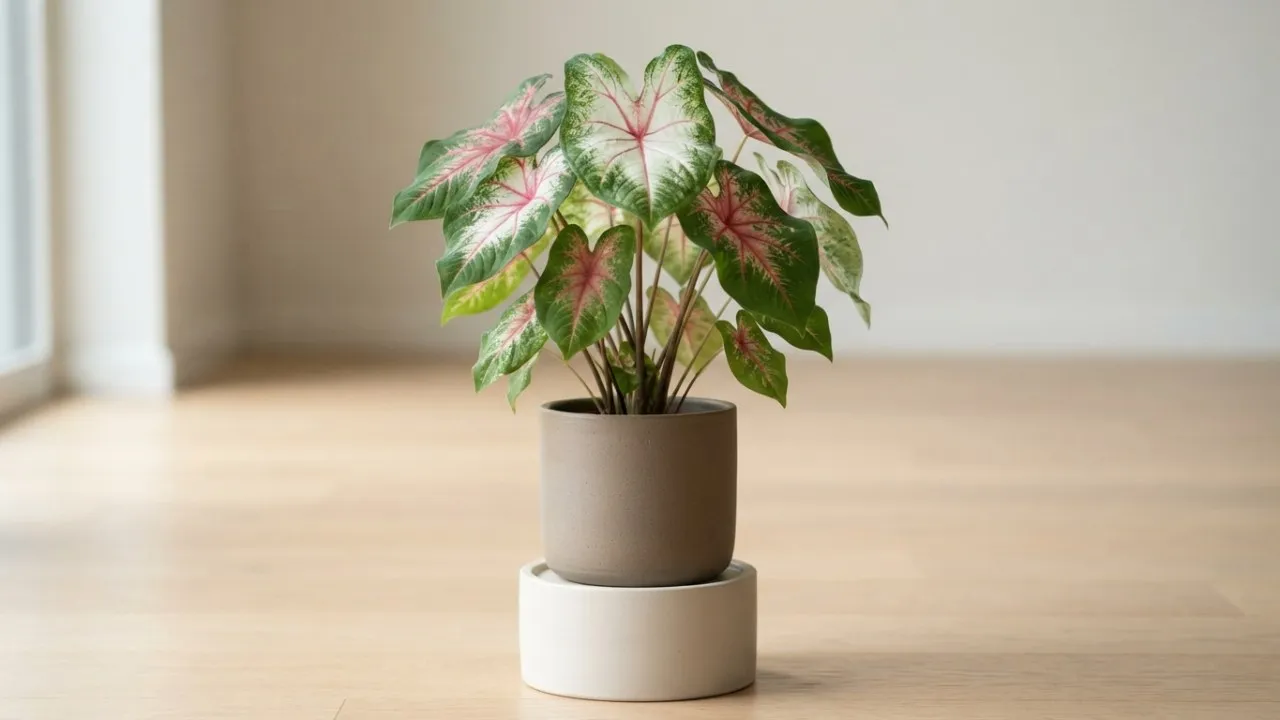 Every 3 days
 Angel Wings
Caladium bicolor
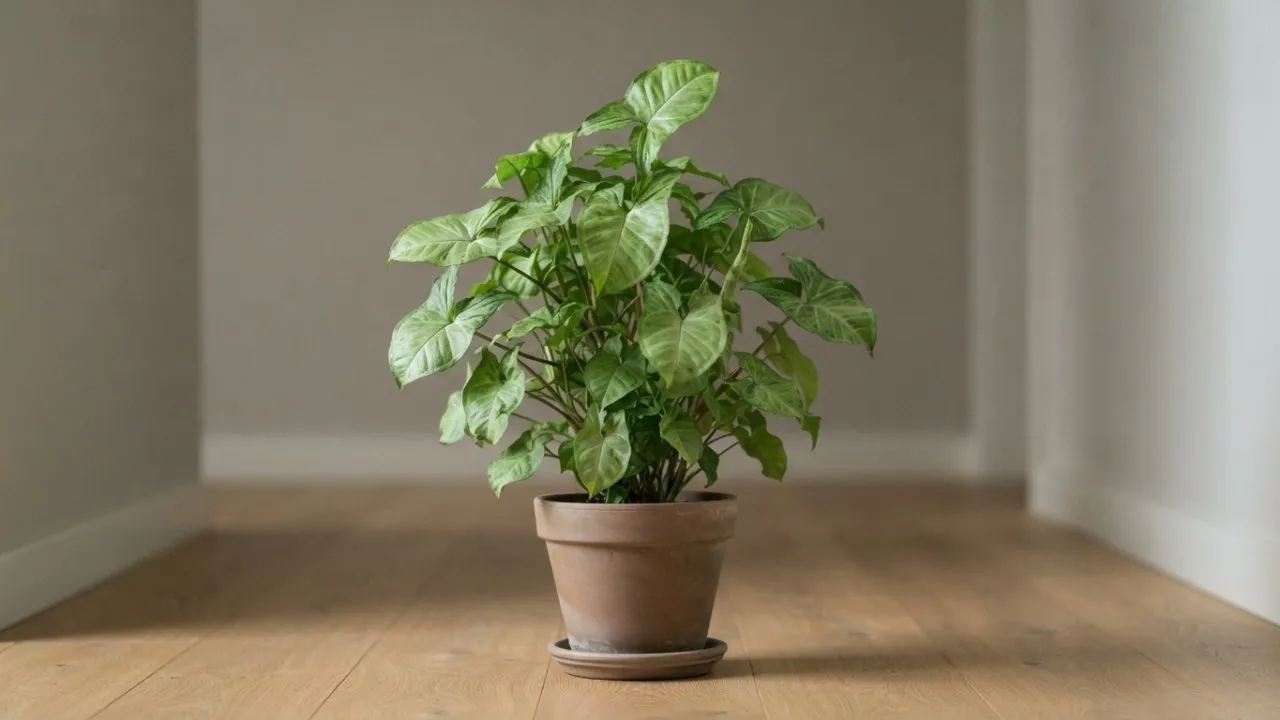 Every 7 days
 Arrowhead Plant
Syngonium podophyllum
 Every 10 days
 Baby Rubber Plant
Peperomia obtusifolia