
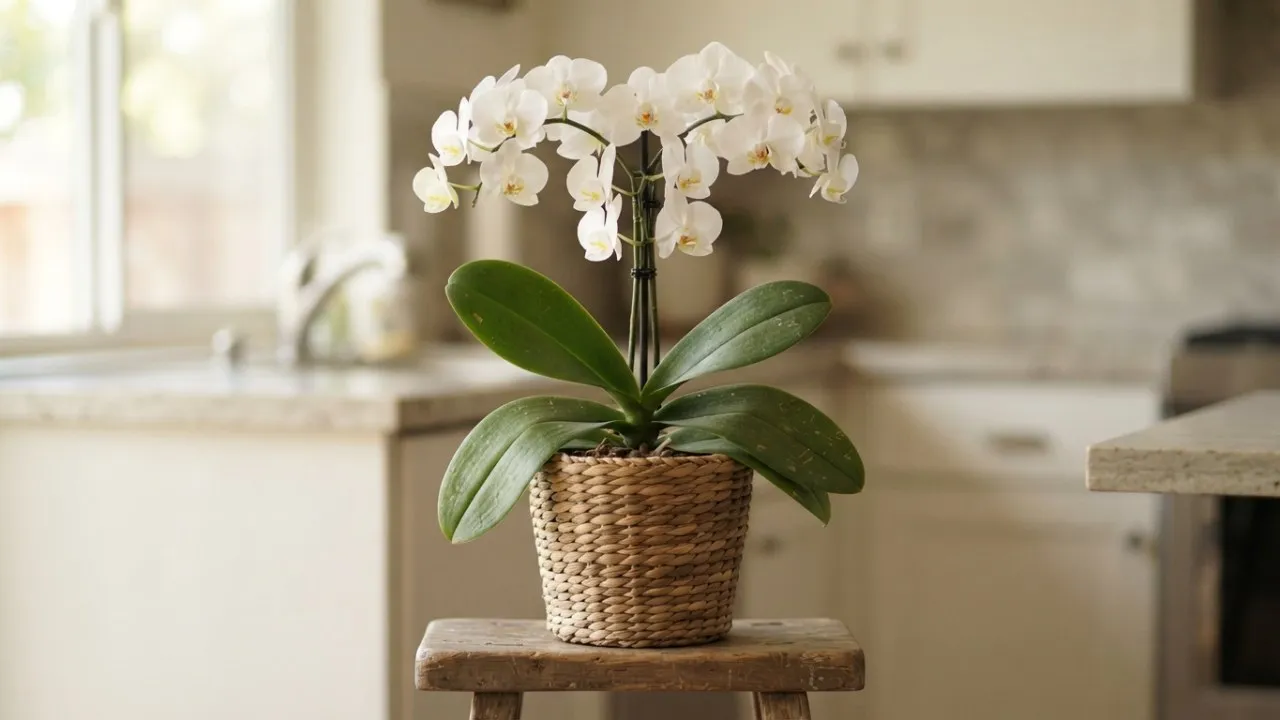
Moth Orchid
Phalaenopsis
The moth orchid is the world's most popular orchid, prized for its elegant, long-lasting butterfly-shaped flowers.
The essentials at a glance
-
Watering
Every 7 days
-
Light
Bright indirect light
-
Humidity
50–70 %
-
Temperature
18–28 °C


How to care for your Moth Orchid
Everything you need to keep your Moth Orchid healthy: watering, light, humidity, feeding, repotting and pruning.
Phalaenopsis originates from the tropical forests of Southeast Asia where it grows as an epiphyte on trees. Its spectacular flowers can last two to four months, in a wide range of colors from pure white to deep pink, yellow, and purple. It is the ideal orchid for beginners as it adapts well to indoor conditions. With proper care, it can rebloom several times a year and live for many years.

Watering your Moth Orchid
Every 7 days
Soak the pot in lukewarm water for 15–20 minutes, then drain thoroughly. Never leave water standing in the saucer or in the centre of the leaf rosette.
How to know it needs water
- Aerial roots turn silver or pale grey
- Bark substrate is dry to the touch
- Pot feels light when lifted

How much light a Moth Orchid needs
Bright indirect light
Bright indirect light. Avoid direct sun which scorches the leaves. An east- or west-facing window is ideal.
- Direct sun tolerated
- No direct sun
- Orientations that suit it
- East, West

Humidity and misting
50–70 %
50–70% Mist aerial roots in the morning. Avoid wetting the flowers and the crown of the plant to prevent rot.

Feeding and fertiliser
Every 14 days
Fertilize only during the growing season (spring–summer). Reduce in autumn and stop in winter. Alternate with a plain water flush.
- Recommended feed
- Orchid-specific fertilizer (NPK 20-20-20) diluted to half the recommended dose. · 5-5-5

Repotting your Moth Orchid
Every 24 months
Use a pine-bark orchid substrate. Remove dead or rotten roots. Choose a clear pot to allow root photosynthesis.
- When
- Spring, after flowering
- Potting mix
- Orchid mix
- Mix in
- pine bark, sphagnum moss
The tell-tale signs
- Roots overflowing well beyond the pot
- Bark substrate decomposed and compacted
- Plant unstable in its pot
- Presence of rotten or soft roots

Pruning your Moth Orchid
After flowering, once the flower spike is completely dry. Cut the spike above the second node to encourage a new branch. If the spike is entirely dry, cut at the base.

Through the year
Watering is not set once and for all: it follows the light and the growth. Allow 8 days between waterings in the depth of winter, against 6 in the growing season.
- 8 J
- 7 F
- 6 M
- 6 A
- 6 M
- 6 J
- 6 J
- 6 A
- 6 S
- 7 O
- 8 N
- 8 D
Active growth · Days between waterings

Good to know
- Phalaenopsis can rebloom multiple times on the same flower spike if cut at the right node after flowering.
- Its name comes from the Greek 'phalaina' (moth) because its flowers resemble moths in flight.

Frequently asked questions about the Moth Orchid
How do you care for a Moth Orchid?
Water it every 7 days. Give it bright indirect light. Ideal humidity: 50–70 %. Ideal temperature: 18–28 °C. Soak the pot in lukewarm water for 15–20 minutes, then drain thoroughly. Never leave water standing in the saucer or in the centre of the leaf rosette.
How often should you water a Moth Orchid?
Every 7 days Soak the pot in lukewarm water for 15–20 minutes, then drain thoroughly. Never leave water standing in the saucer or in the centre of the leaf rosette. How to know it needs water : Aerial roots turn silver or pale grey ; Bark substrate is dry to the touch ; Pot feels light when lifted.
How much light does a Moth Orchid need?
Bright indirect light Bright indirect light. Avoid direct sun which scorches the leaves. An east- or west-facing window is ideal. No direct sun
Is the Moth Orchid toxic to cats and dogs?
No, the Moth Orchid is not listed as toxic to cats and dogs. That is still no reason to let your pets chew on it.
Why are my Moth Orchid leaves turning yellow?
Yellowing most often comes from too much water: the mix stays wet and the roots suffocate. Check that the pot drains, empty the saucer, and let the mix dry before watering again. Too little light or a cold draught cause the same symptom.
When should you repot a Moth Orchid?
Repot every 24 months, ideally in spring, after flowering. Use a pine-bark orchid substrate. Remove dead or rotten roots. Choose a clear pot to allow root photosynthesis.

At a glance
- Family
- Orchidaceae
- Category
- Orchid
- Placement
- Indoor
- Mature height
- 60 cm
- Growth
- Moderate
- Temperature
- 18–28 °C
- Pot materials
- plastic, ceramic
- Growth
- Reaches maturity in 3 years
These figures are for an average plant. In the app they are recalculated for yours, based on your room, its orientation and the season.
And for your plant, in your home?
In the app this plant becomes yours: a watering schedule tuned to your home, health tracking from photos, and reminders at the right moment.
In the same spirit
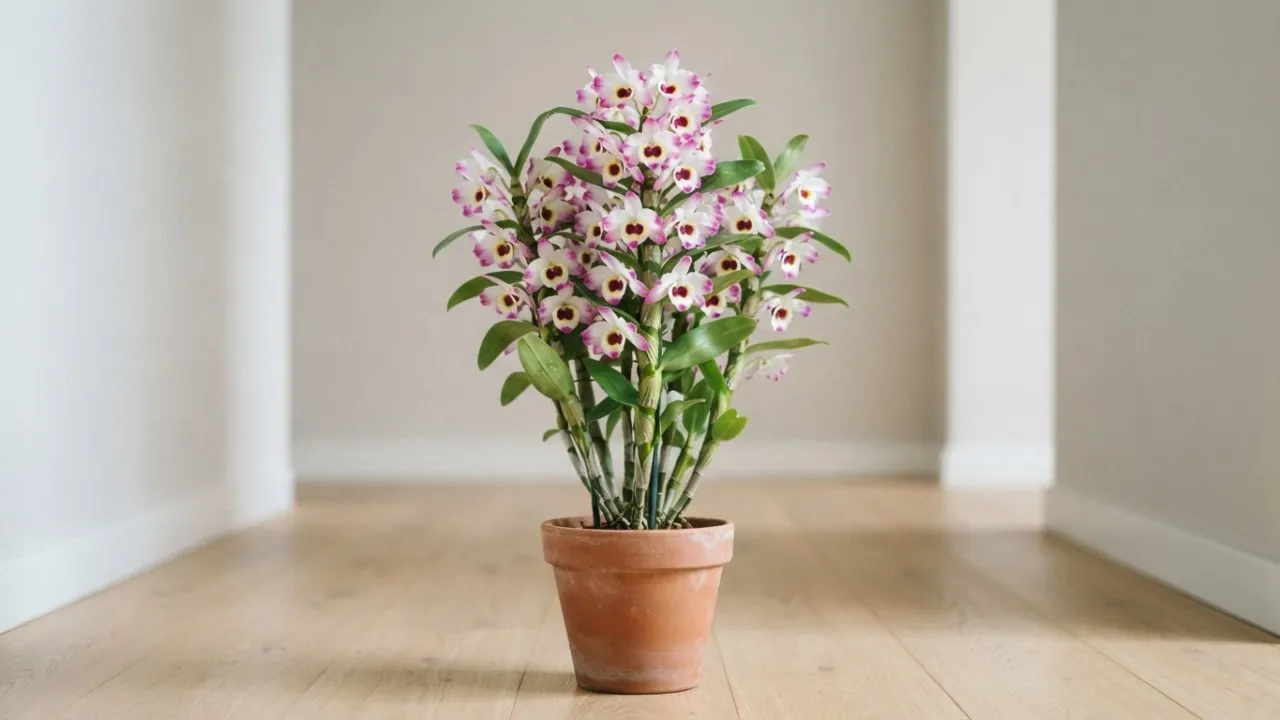 Every 7 days
 Dendrobium Orchid
Dendrobium nobile

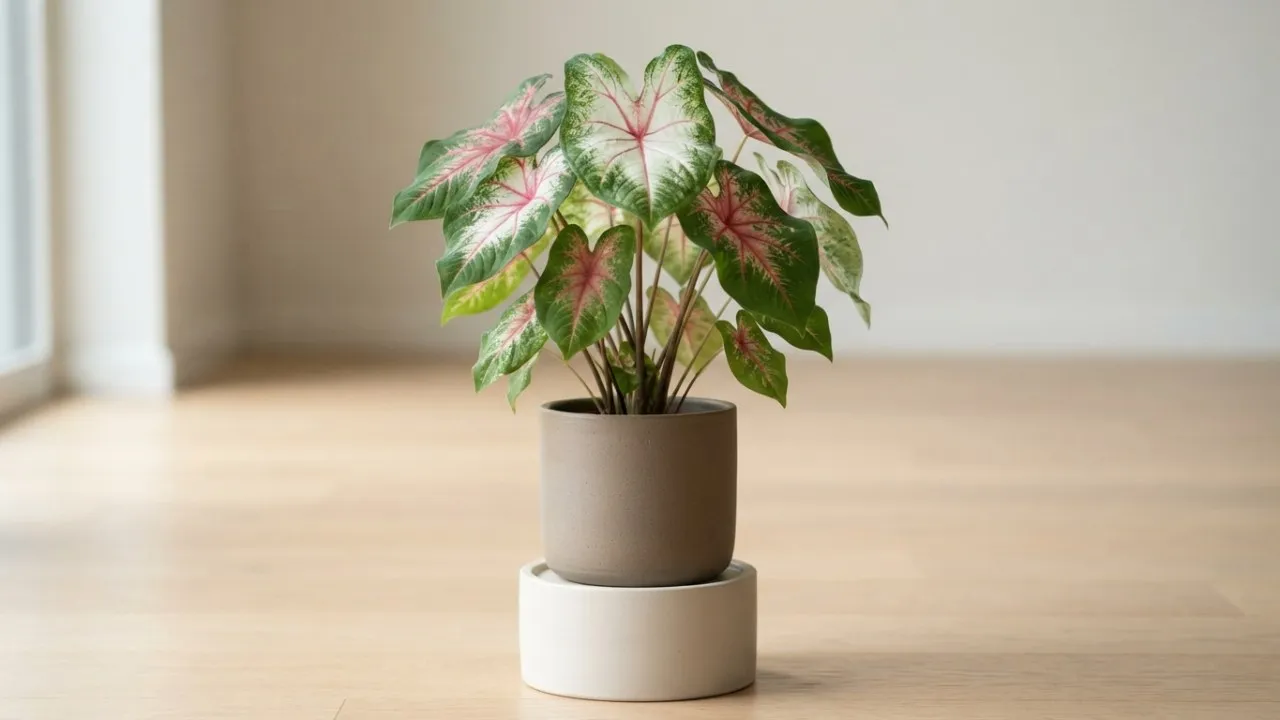 Every 3 days
 Angel Wings
Caladium bicolor
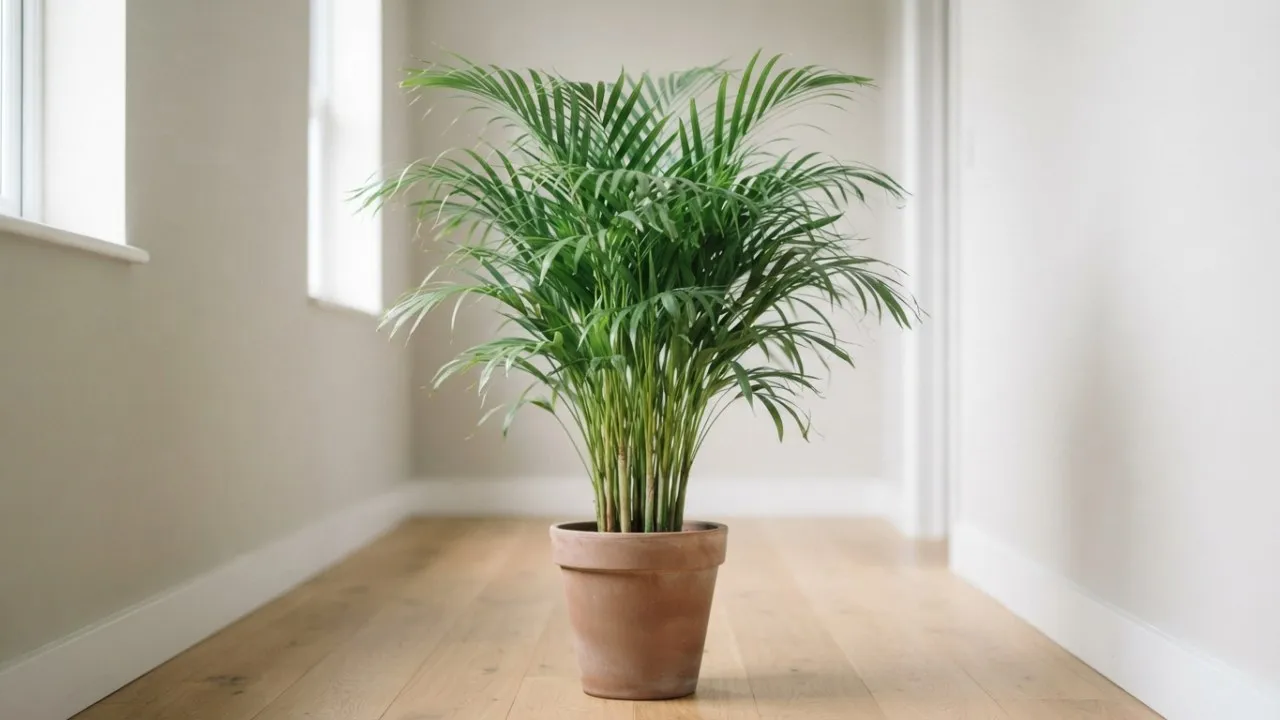 Every 5 days
 Areca Palm
Dypsis lutescens
 Every 3 days
 Azalea
Rhododendron simsii