
Orchid · Orchidaceae
Slipper Orchid
Paphiopedilum
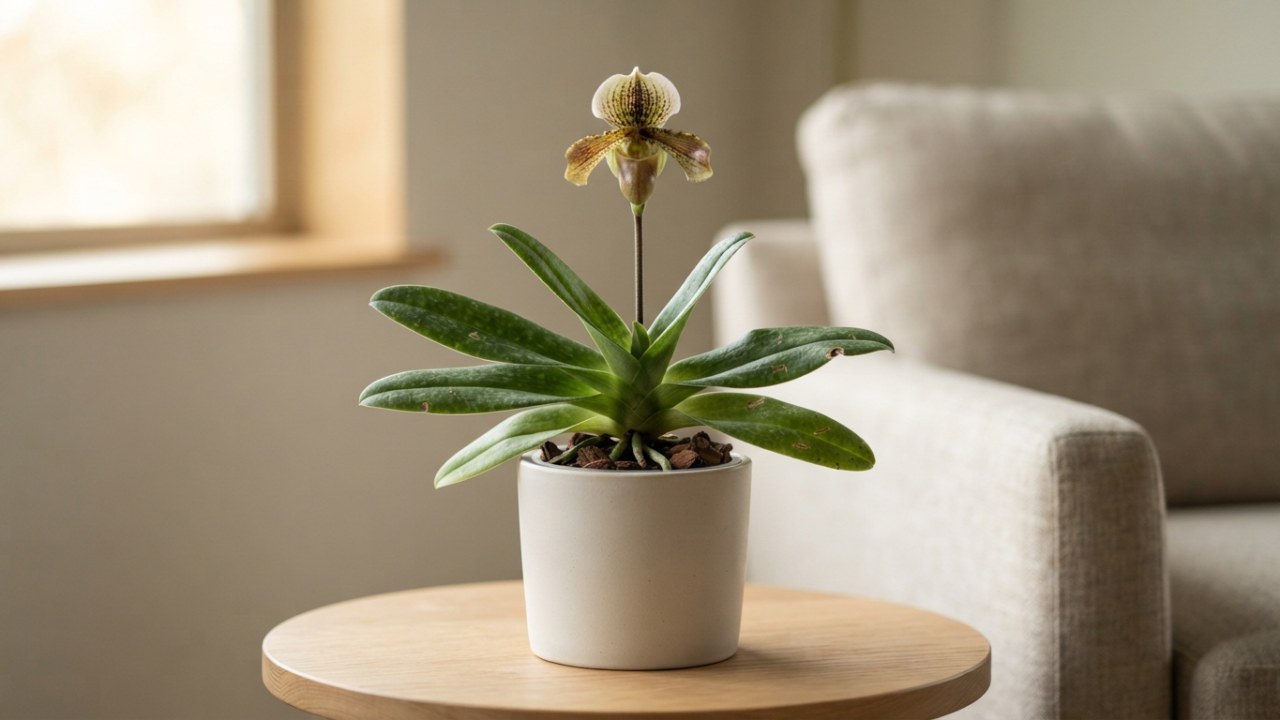
The Slipper Orchid is a fascinating terrestrial orchid whose unique slipper-shaped flower intrigues and captivates collectors.
- Every 6 daysWatering
- Medium lightLight
- 60–80 %Humidity
- 15–25 °CTemperature


How to care for your Slipper Orchid
Everything you need to keep your Slipper Orchid healthy: watering, light, humidity, feeding, repotting and pruning.
Paphiopedilum originates from the tropical and subtropical forests of Asia where most species grow on the ground in rich, moist humus. Its characteristic slipper-shaped flower, which can last up to three months, is an evolutionary masterpiece designed to trap pollinators. Unlike many other orchids, it lacks pseudobulbs and must therefore be kept consistently moist. It is a demanding but very rewarding orchid that fascinates with its often mottled leaves and sculptural flowers.

How to recognise Slipper Orchid
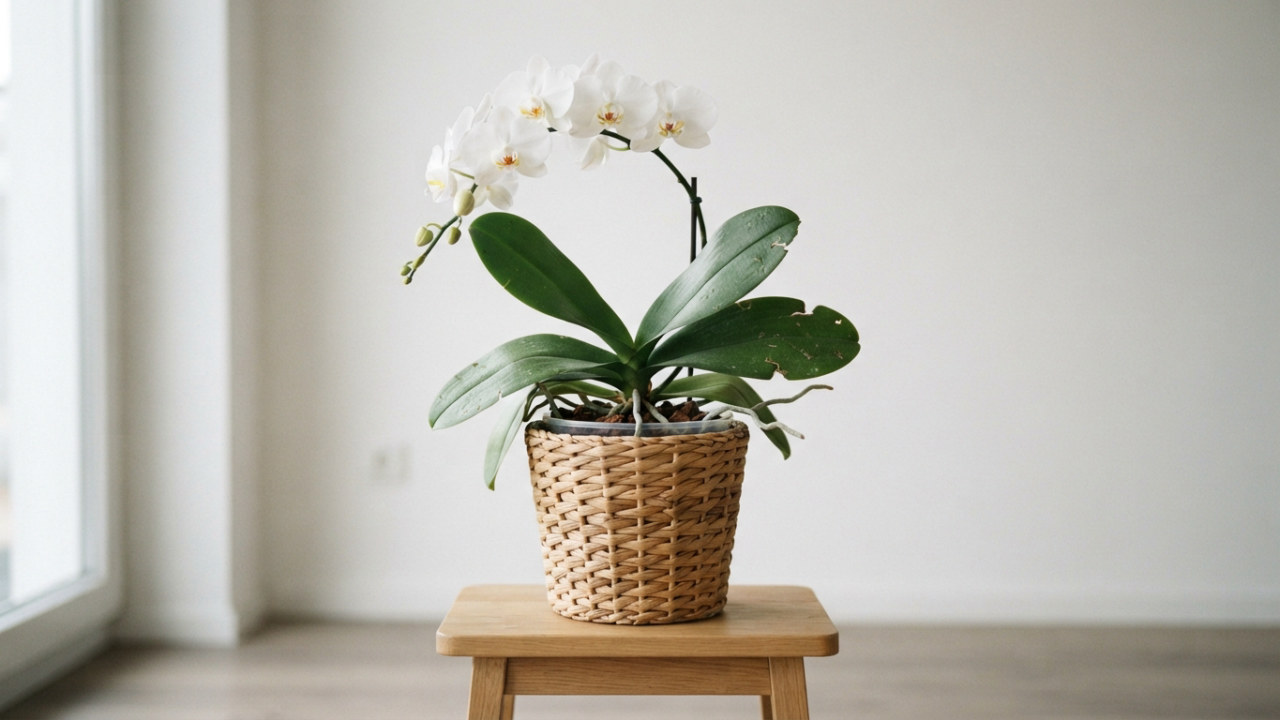
Slipper orchids have a rosette of strap-shaped leaves, often mottled, with no pseudobulbs, and a flower with a pouch-shaped lip, a large upright dorsal sepal and two spreading petals. Phragmipedium is also a slipper orchid but has taller rush-like leaves and long ribbon-like petals. Cypripedium is a hardy slipper orchid with pleated deciduous leaves. Phalaenopsis has flat flowers in sprays and thick leaves with aerial roots.

Watering your Slipper Orchid
Every 6 days
Water with lukewarm, lime-free water when the surface of the substrate starts to dry, keeping it slightly moist. Water a little less often in the cooler months. Never allow it to dry out completely or sit in stagnant water.
How to know it needs water
- Surface of substrate beginning to dry
- Pot becomes lighter
- Leaves lose a little firmness

How much light a Slipper Orchid needs
Medium light
Moderate to diffuse light. Tolerates lower light levels than most orchids. Avoid direct sun entirely.
- Direct sun tolerated
- No direct sun
- Orientations that suit it
- North, North-east, East, North-west

Humidity and misting
60–80 %
60 to 80% Do not mist: water collecting in the heart of the rosette causes rot. Maintain high humidity around the plant with a pebble tray of water or a humidifier.

Feeding and fertiliser
Every 21 days
Fertilize lightly every 3 weeks from March to September. Paphiopedilum is sensitive to salt build-up, so flush the substrate with plain water once a month.
- Recommended feed
- Very dilute orchid fertilizer (quarter dose). Balanced NPK 20-20-20. · 5-5-5

Repotting your Slipper Orchid
Every 12 months
Repot about once a year. Use a mix of fine bark, perlite, and sphagnum moss. Being terrestrial, Paphiopedilum prefers a finer, more moisture-retentive substrate than epiphytic orchids. Do not bury the crown.
- When
- Spring (March to April), or immediately after flowering
- Potting mix
- Orchid mix
- Mix in
- pine bark, sphagnum moss, perlite
The tell-tale signs
- Substrate decomposed and smelling musty
- Roots brown or soft
- Plant has produced several new growths and is crowded

Pruning your Slipper Orchid
After flowering, once the spike is dry. Cut the flower spike at the base once the flower has faded. Each rosette blooms only once; the plant produces lateral rosettes for future blooms.

Through the year
Watering is not set once and for all: it follows the light and the growth. Allow 7 days between waterings in the depth of winter, against 5 in the growing season.
- 7 J
- 7 F
- 5 M
- 5 A
- 5 M
- 5 J
- 5 J
- 5 A
- 5 S
- 6 O
- 7 N
- 7 D
Active growth · Days between waterings

Good to know
- Most Paphiopedilum grow on the ground or on mossy rock, unlike most orchids, which are epiphytes.
- Its pouch-shaped lip works as a trap: pollinating insects slip in and can only leave by a narrow exit that brushes against the pollen.

Frequently asked questions about the Slipper Orchid
How do you care for a Slipper Orchid?
Water it every 6 days. Give it medium light. Ideal humidity: 60–80 %. Ideal temperature: 15–25 °C. Water with lukewarm, lime-free water when the surface of the substrate starts to dry, keeping it slightly moist. Water a little less often in the cooler months. Never allow it to dry out completely or sit in stagnant water.
How often should you water a Slipper Orchid?
Every 6 days Water with lukewarm, lime-free water when the surface of the substrate starts to dry, keeping it slightly moist. Water a little less often in the cooler months. Never allow it to dry out completely or sit in stagnant water. How to know it needs water : Surface of substrate beginning to dry ; Pot becomes lighter ; Leaves lose a little firmness.
How much light does a Slipper Orchid need?
Medium light Moderate to diffuse light. Tolerates lower light levels than most orchids. Avoid direct sun entirely. No direct sun
Is the Slipper Orchid toxic to cats and dogs?
No, the Slipper Orchid is not listed as toxic to cats and dogs. That is still no reason to let your pets chew on it.
Why are my Slipper Orchid leaves turning yellow?
Yellowing most often comes from too much water: the mix stays wet and the roots suffocate. Check that the pot drains, empty the saucer, and let the mix dry before watering again. Too little light or a cold draught cause the same symptom.
When should you repot a Slipper Orchid?
Repot every 12 months, ideally in spring (march to april), or immediately after flowering. Repot about once a year. Use a mix of fine bark, perlite, and sphagnum moss. Being terrestrial, Paphiopedilum prefers a finer, more moisture-retentive substrate than epiphytic orchids. Do not bury the crown.

At a glance
- Family
- Orchidaceae
- Category
- Orchid
- Placement
- Indoor
- Mature height
- 40 cm
- Growth
- Slow
- Temperature
- 15–25 °C
- Pot materials
- ceramic, plastic
- Growth
- Reaches maturity in 5 years
These figures are for an average plant. In the app they are recalculated for yours, based on your room, its orientation and the season.
And for your plant, in your home?
In the app this plant becomes yours: a watering schedule tuned to your home, health tracking from photos, and reminders at the right moment.
In the same spirit
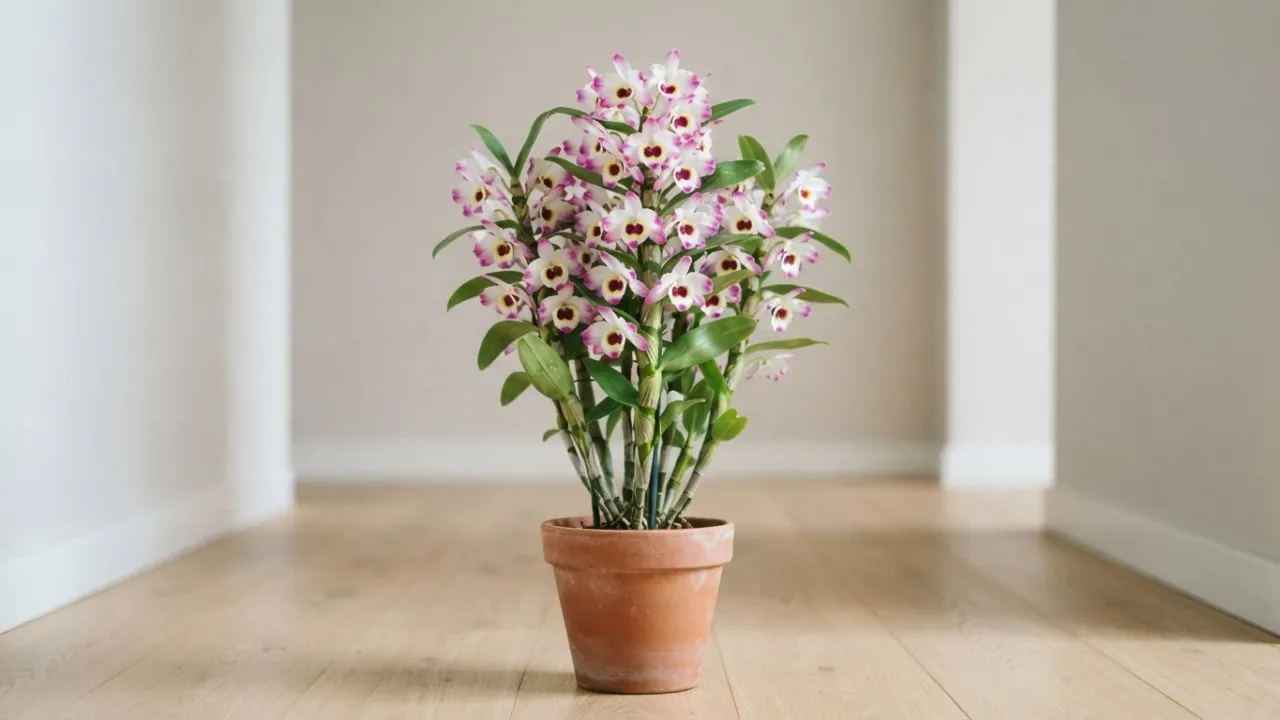 Every 6 days


Dendrobium Orchid
Dendrobium nobile

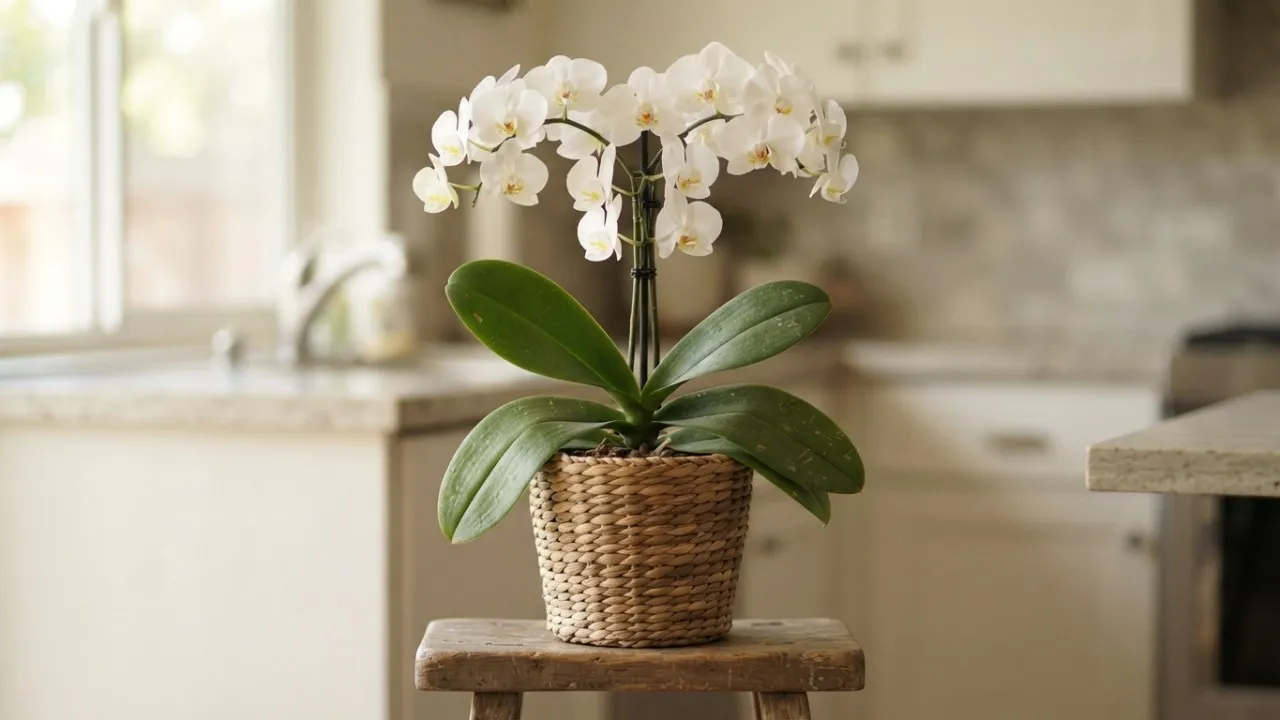 Every 7 days
Moth Orchid
Phalaenopsis
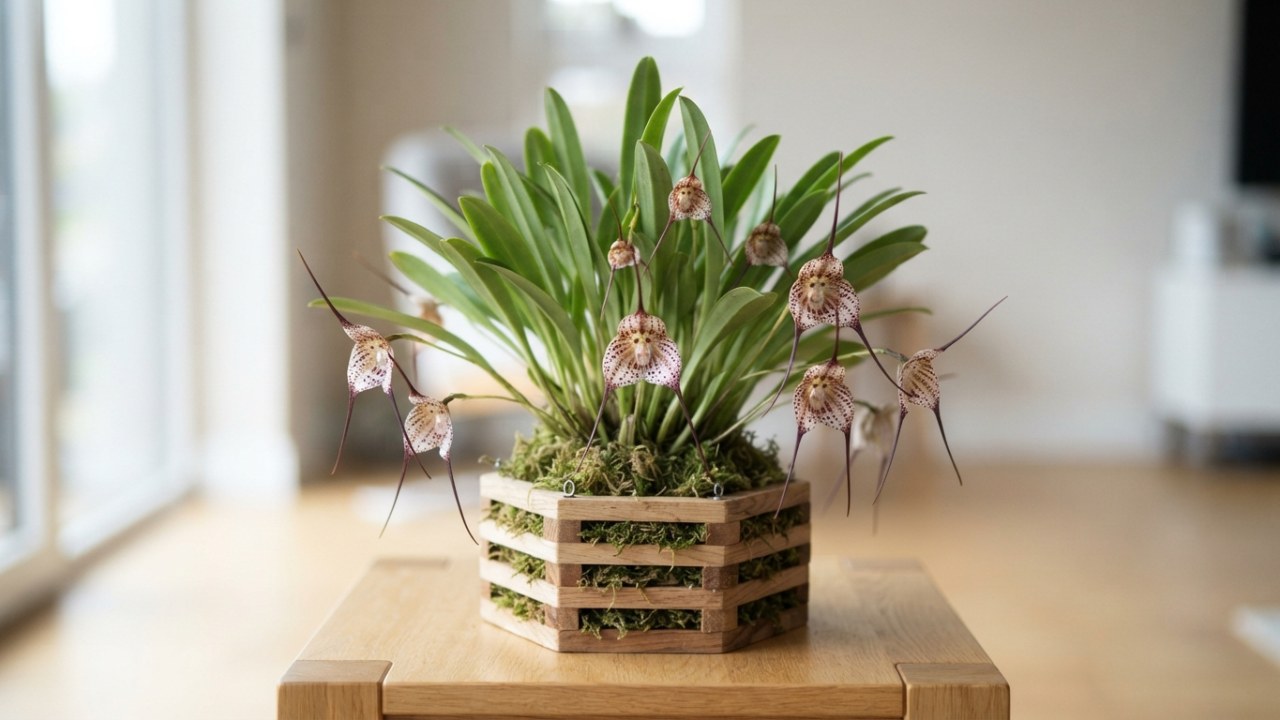 Every 3 days
Monkey Orchid
Dracula simia
 Every 7 days
Moth Orchid
Phalaenopsis amabilis
