
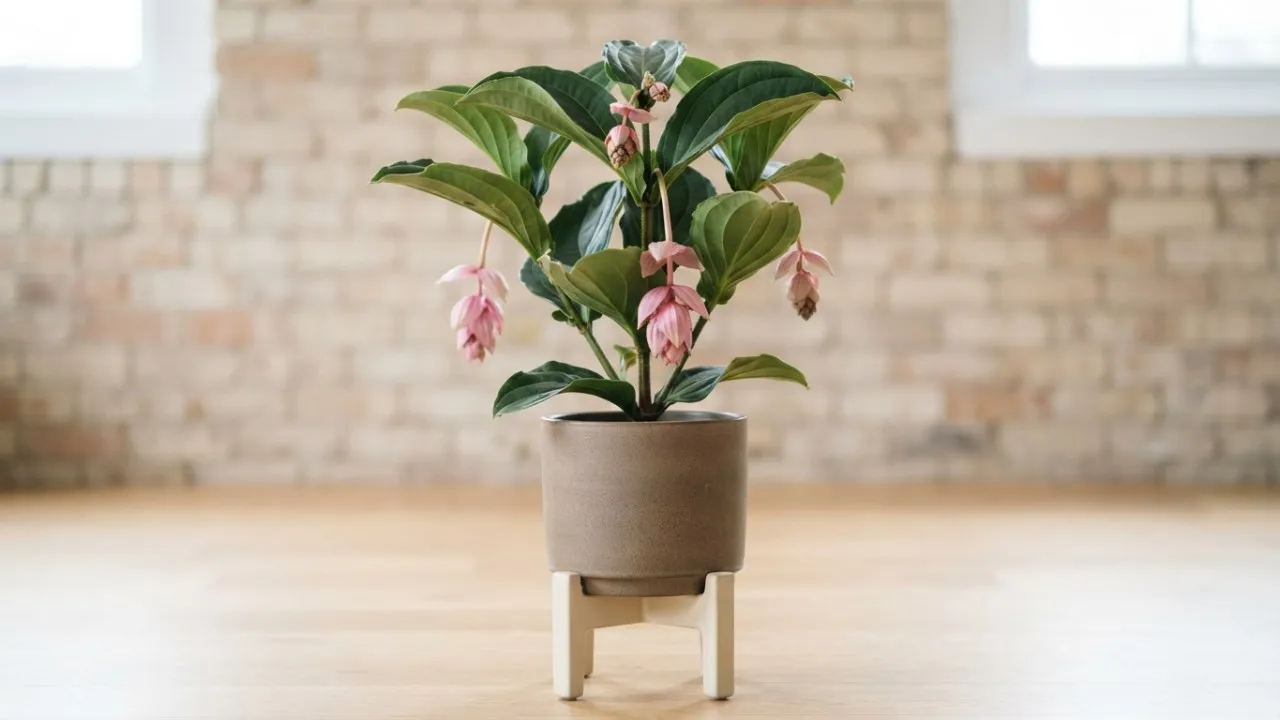
Rose Grape
Medinilla magnifica
A truly magnificent tropical epiphyte, showcasing dramatic cascades of pink flowers encased in large, showy bracts.
The essentials at a glance
-
Watering
Every 7 days
-
Light
Bright indirect light
-
Humidity
60–80 %
-
Temperature
18–26 °C


How to care for your Rose Grape
Everything you need to keep your Rose Grape healthy: watering, light, humidity, feeding, repotting and pruning.
Medinilla magnifica, often called the Rose Grape, is a truly spectacular tropical plant, highly prized for its enormous, pendulous clusters of pink flowers surrounded by prominent, rosy-pink bracts. Its large, dark green leaves are also quite ornamental. This plant demands specific conditions to thrive: very high humidity, warm temperatures, and bright, indirect light are essential. While challenging to cultivate, the reward is a breathtaking display that evokes the lushness of its native Philippine rainforests, making it a prized specimen for experienced growers.

Watering your Rose Grape
Every 7 days
Keep soil consistently moist during flowering; allow to dry slightly between waterings at other times.
How to know it needs water
- Top inch of soil feels dry
- Leaves begin to droop

How much light a Rose Grape needs
Bright indirect light
Bright, indirect light; avoids direct sun.
- Direct sun tolerated
- No direct sun
- Orientations that suit it
- North, North-east, East, South-east, West, North-west

Humidity and misting
60–80 %
High (60-80%). Requires very high humidity; mist daily or use a humidifier.

Feeding and fertiliser
Every 14 days
Fertilize during active growth (spring-summer); reduce in fall/winter.
- Recommended feed
- Weak liquid fertilizer for acid-loving plants. · 1-1-1

Repotting your Rose Grape
Every 24 months
Repot into a slightly larger pot with a coarse, well-draining, acidic potting mix (e.g., orchid mix).
- When
- Spring (after flowering)
- Potting mix
- Orchid mix
- Mix in
- pine bark, sphagnum moss, perlite
The tell-tale signs
- Roots emerging from drainage holes
- Stunted growth

Pruning your Rose Grape
After flowering, to maintain shape and promote bushiness. Prune back leggy stems; remove spent flower stalks.

Through the year
Watering is not set once and for all: it follows the light and the growth. Allow 8 days between waterings in the depth of winter, against 6 in the growing season.
- 8 J
- 8 F
- 6 M
- 6 A
- 6 M
- 6 J
- 6 J
- 6 A
- 6 S
- 7 O
- 8 N
- 8 D
Active growth · Days between waterings

Good to know
- Native to the Philippines, where it grows as an epiphyte.
- Its large, pendulous flower clusters resemble grapes.

Frequently asked questions about the Rose Grape
How do you care for a Rose Grape?
Water it every 7 days. Give it bright indirect light. Ideal humidity: 60–80 %. Ideal temperature: 18–26 °C. Keep soil consistently moist during flowering; allow to dry slightly between waterings at other times.
How often should you water a Rose Grape?
Every 7 days Keep soil consistently moist during flowering; allow to dry slightly between waterings at other times. How to know it needs water : Top inch of soil feels dry ; Leaves begin to droop.
How much light does a Rose Grape need?
Bright indirect light Bright, indirect light; avoids direct sun. No direct sun
Is the Rose Grape toxic to cats and dogs?
No, the Rose Grape is not listed as toxic to cats and dogs. That is still no reason to let your pets chew on it.
Why are my Rose Grape leaves turning yellow?
Yellowing most often comes from too much water: the mix stays wet and the roots suffocate. Check that the pot drains, empty the saucer, and let the mix dry before watering again. Too little light or a cold draught cause the same symptom.
When should you repot a Rose Grape?
Repot every 24 months, ideally in spring (after flowering). Repot into a slightly larger pot with a coarse, well-draining, acidic potting mix (e.g., orchid mix).

At a glance
- Family
- Melastomataceae
- Category
- Epiphyte
- Placement
- Indoor
- Mature height
- 60 cm
- Growth
- Moderate
- Temperature
- 18–26 °C
- Pot materials
- ceramic, plastic
- Growth
- Reaches maturity in 3 years
These figures are for an average plant. In the app they are recalculated for yours, based on your room, its orientation and the season.
And for your plant, in your home?
In the app this plant becomes yours: a watering schedule tuned to your home, health tracking from photos, and reminders at the right moment.
In the same spirit
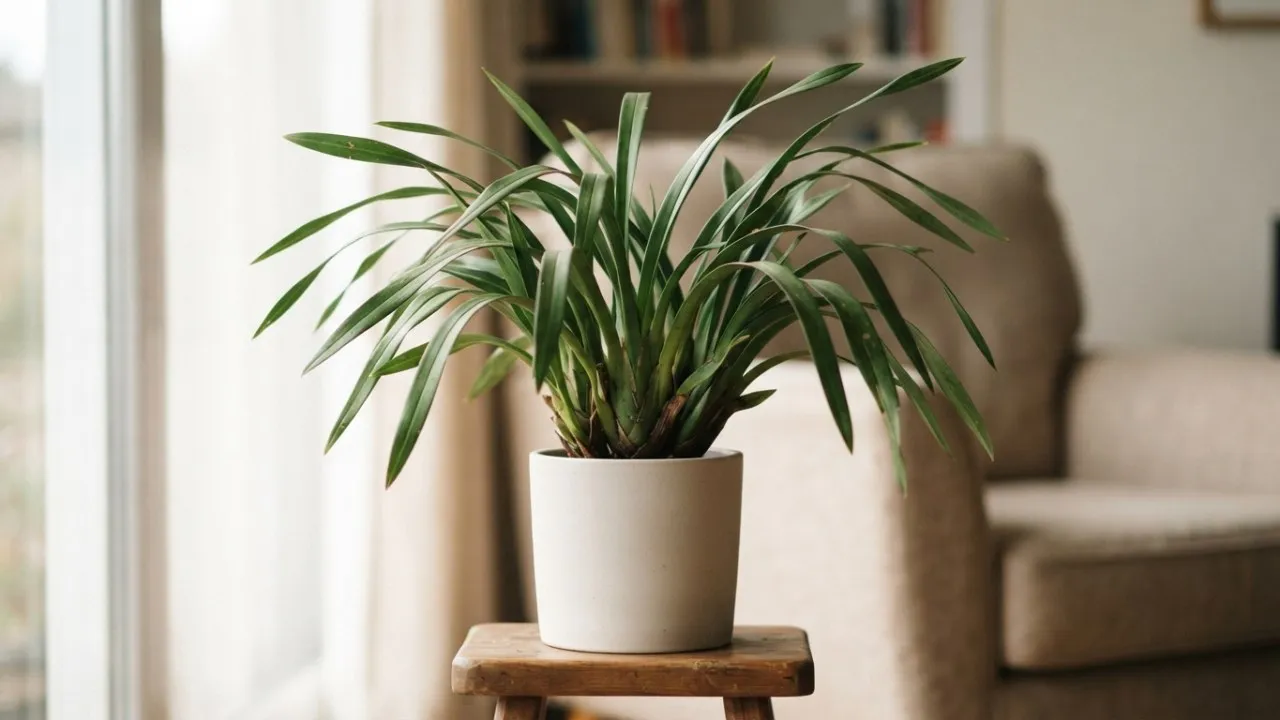 Every 5 days
 Devon Cymbidium
Cymbidium devonianum

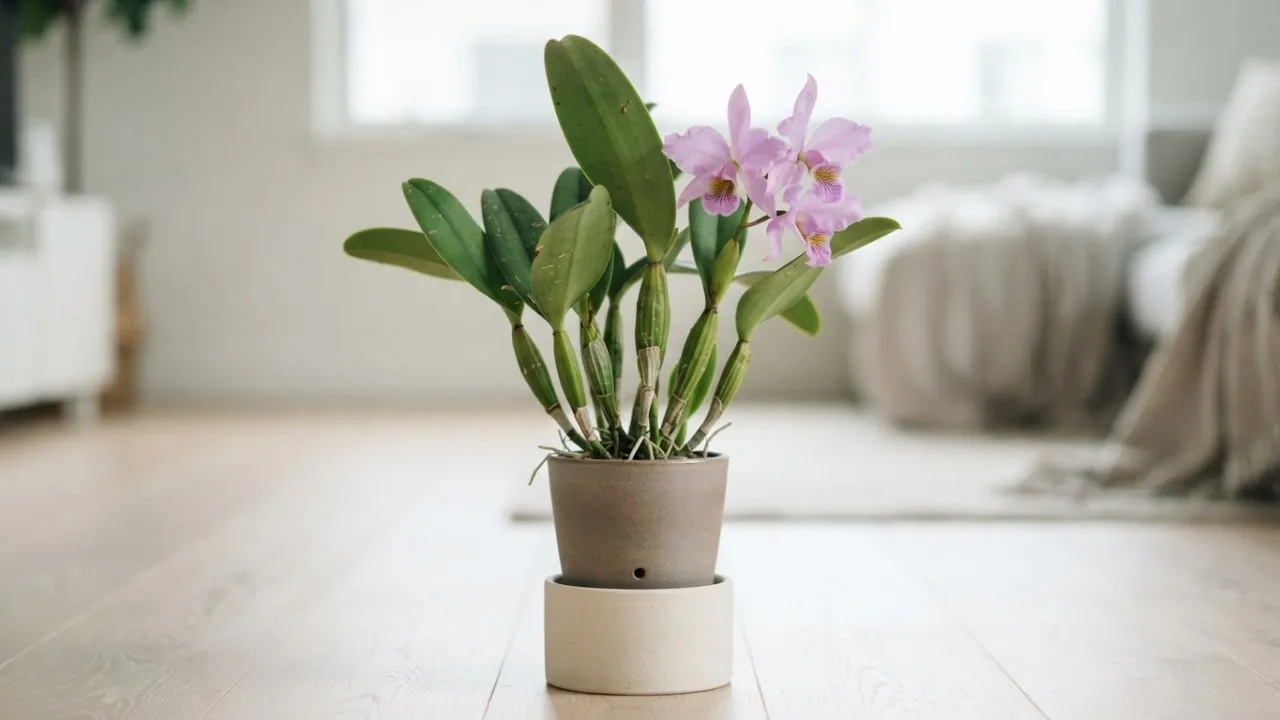 Every 7 days
 Easter Orchid
Cattleya mossiae
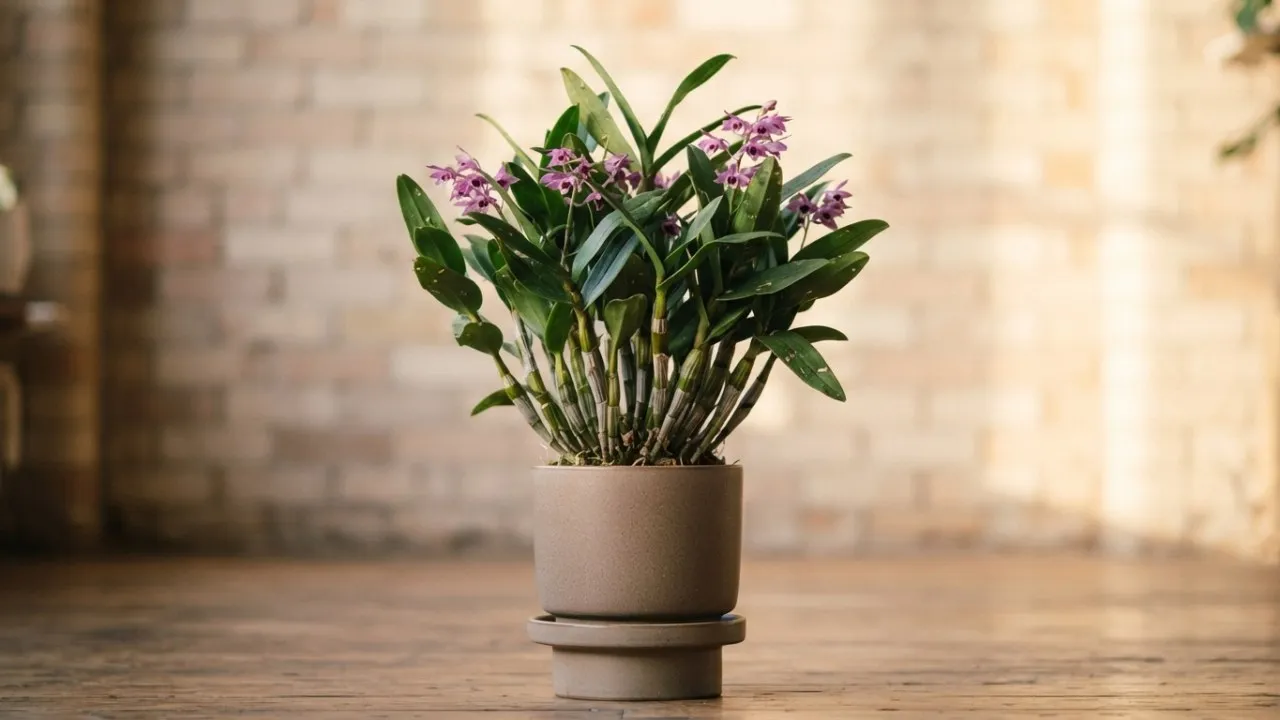 Every 7 days
 Pink Rock Orchid
Dendrobium kingianum
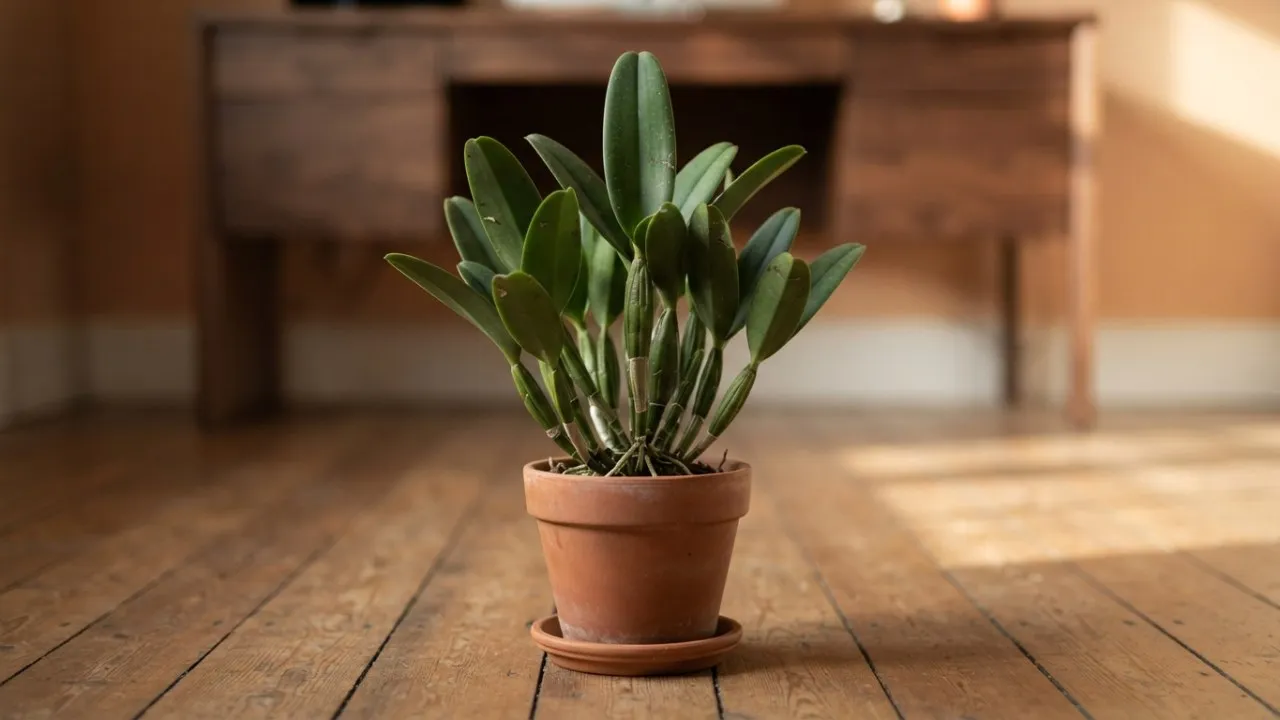 Every 7 days
 Walker's Cattleya
Cattleya walkeriana