
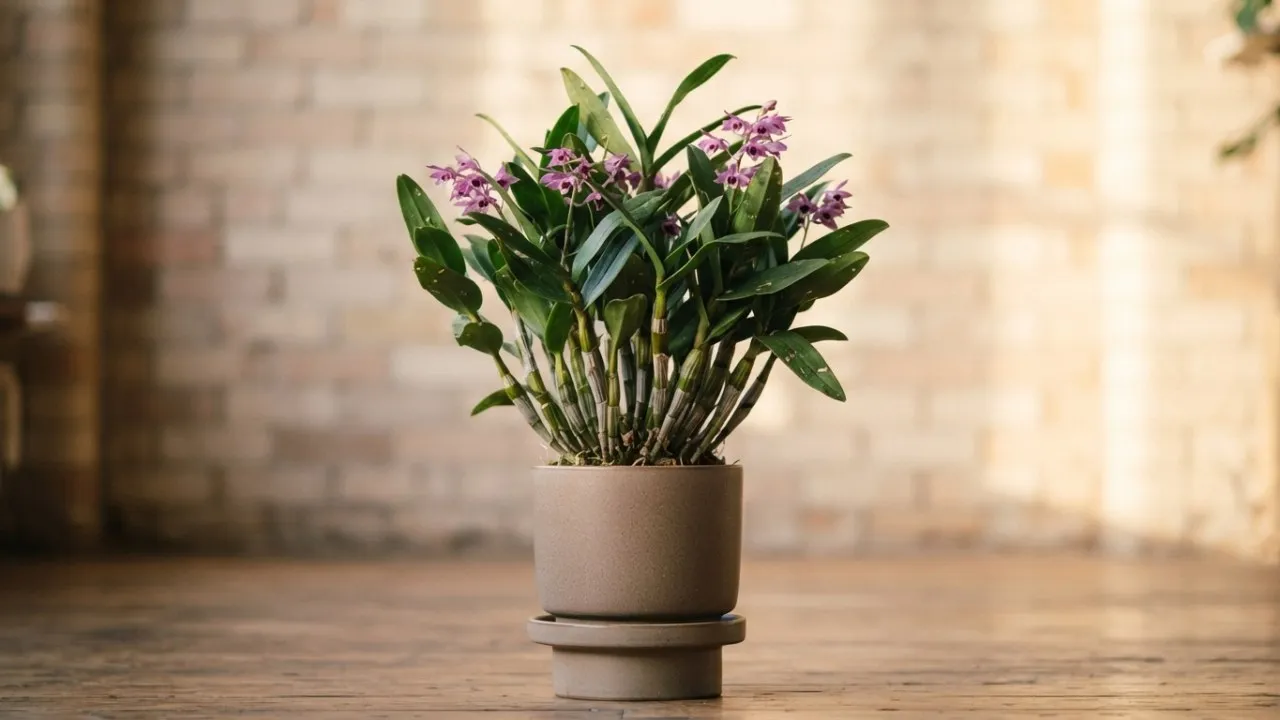
Pink Rock Orchid
Dendrobium kingianum
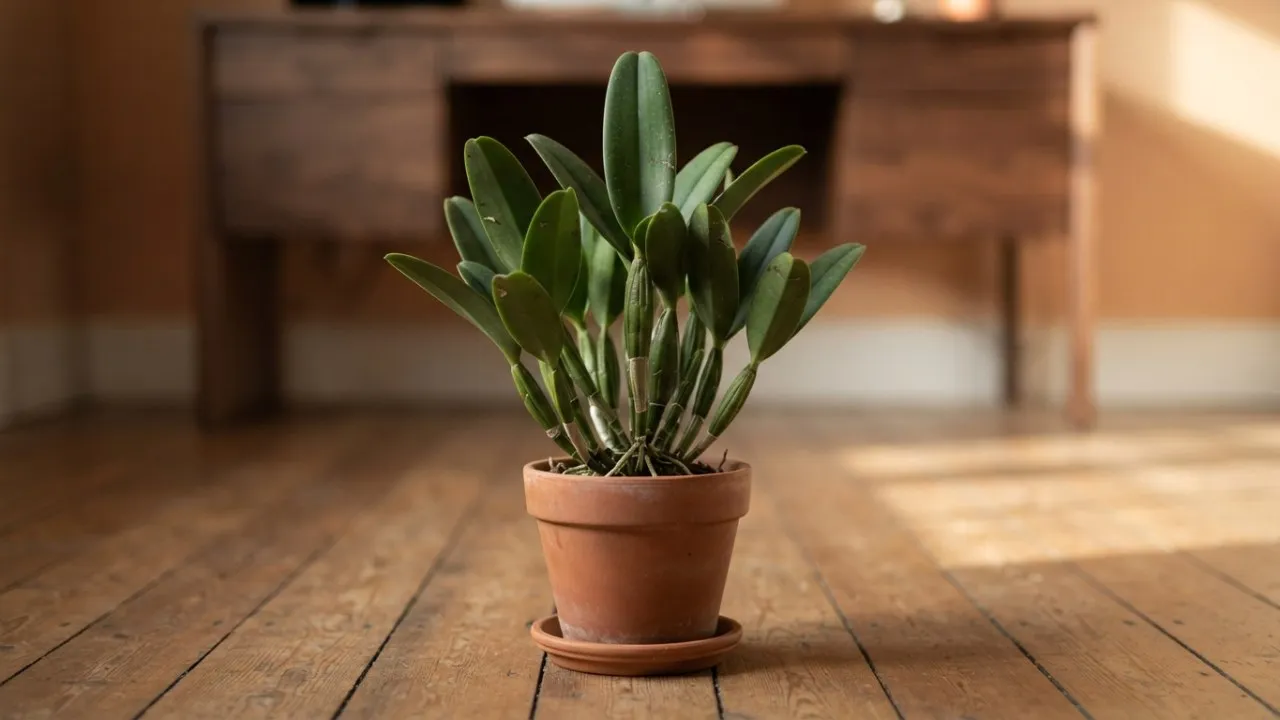
A hardy, compact orchid with plump pseudobulbs and fragrant pink to white flowers, often with speckled lips.
The essentials at a glance
-
Watering
Every 7 days
-
Light
Full sun
-
Humidity
40–60 %
-
Temperature
10–28 °C


How to care for your Pink Rock Orchid
Everything you need to keep your Pink Rock Orchid healthy: watering, light, humidity, feeding, repotting and pruning.
The Pink Rock Orchid is a resilient and adaptable species, making it an excellent choice for beginner orchid growers. It produces charming sprays of star-shaped, often fragrant flowers ranging in color from deep pink to white, typically with a speckled or striped lip. This orchid benefits from a cooler, drier winter rest period to encourage prolific blooming. Its tolerance for a wide range of temperatures and light conditions contributes to its popularity among enthusiasts, suitable for outdoor growth in mild climates.

Watering your Pink Rock Orchid
Every 7 days
Water thoroughly when dry; allow to dry out completely between waterings, especially in winter.
How to know it needs water
- Potting mix is bone dry
- Pseudobulbs show slight shriveling

How much light a Pink Rock Orchid needs
Full sun
Bright light, including some direct morning or late afternoon sun.
- Direct sun tolerated
- 2 to 4 h a day
- Orientations that suit it
- East, South-east, South, South-west, West

Humidity and misting
40–60 %
Moderate (40-60%). Misting is generally not necessary if humidity is adequate, can be done sparingly.

Feeding and fertiliser
Every 14 days
Fertilize from spring to late summer; reduce and stop entirely in fall/winter for flowering.
- Recommended feed
- Balanced orchid fertilizer during growth, high phosphorus in late summer. · 10-10-10

Repotting your Pink Rock Orchid
Every 36 months
Repot gently, use a mix for epiphytic orchids; avoid deep planting.
- When
- Spring, after flowering.
- Potting mix
- Orchid mix
- Mix in
- pine bark, perlite, sphagnum moss
The tell-tale signs
- Pot-bound
- Media breakdown

Pruning your Pink Rock Orchid
After flowering. Remove only dead or shriveled canes; green canes store energy for future blooms.

Through the year
Watering is not set once and for all: it follows the light and the growth. Allow 11 days between waterings in the depth of winter, against 6 in the growing season.
- 6 J
- 6 F
- 6 M
- 6 A
- 7 M
- 8 J
- 11 J
- 11 A
- 6 S
- 6 O
- 6 N
- 6 D
Active growth · Days between waterings

Good to know
- Native to Eastern Australia, often growing on rocks (lithophyte) or trees (epiphyte).
- Known for its distinctive fragrance, varying from vanilla to raspberry.

Frequently asked questions about the Pink Rock Orchid
How do you care for a Pink Rock Orchid?
Water it every 7 days. Give it full sun. Ideal humidity: 40–60 %. Ideal temperature: 10–28 °C. Water thoroughly when dry; allow to dry out completely between waterings, especially in winter.
How often should you water a Pink Rock Orchid?
Every 7 days Water thoroughly when dry; allow to dry out completely between waterings, especially in winter. How to know it needs water : Potting mix is bone dry ; Pseudobulbs show slight shriveling.
How much light does a Pink Rock Orchid need?
Full sun Bright light, including some direct morning or late afternoon sun. 2 to 4 h a day
Is the Pink Rock Orchid toxic to cats and dogs?
No, the Pink Rock Orchid is not listed as toxic to cats and dogs. That is still no reason to let your pets chew on it.
Why are my Pink Rock Orchid leaves turning yellow?
Yellowing most often comes from too much water: the mix stays wet and the roots suffocate. Check that the pot drains, empty the saucer, and let the mix dry before watering again. Too little light or a cold draught cause the same symptom.
When should you repot a Pink Rock Orchid?
Repot every 36 months, ideally in spring, after flowering.. Repot gently, use a mix for epiphytic orchids; avoid deep planting.

At a glance
- Family
- Orchidaceae
- Category
- Epiphyte
- Placement
- Indoor and outdoor
- Mature height
- 40 cm
- Growth
- Moderate
- Temperature
- 10–28 °C
- Pot materials
- terracotta, plastic
- Growth
- Reaches maturity in 3 years
These figures are for an average plant. In the app they are recalculated for yours, based on your room, its orientation and the season.
And for your plant, in your home?
In the app this plant becomes yours: a watering schedule tuned to your home, health tracking from photos, and reminders at the right moment.
In the same spirit
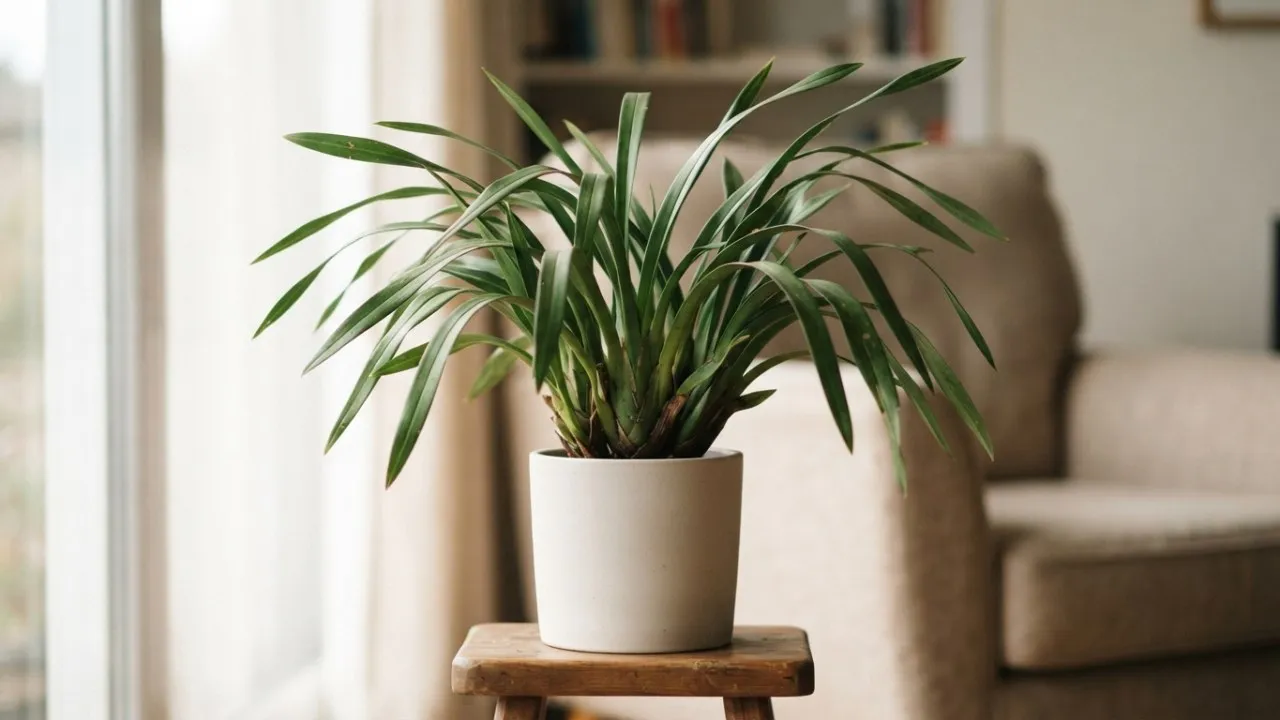 Every 5 days
 Devon Cymbidium
Cymbidium devonianum

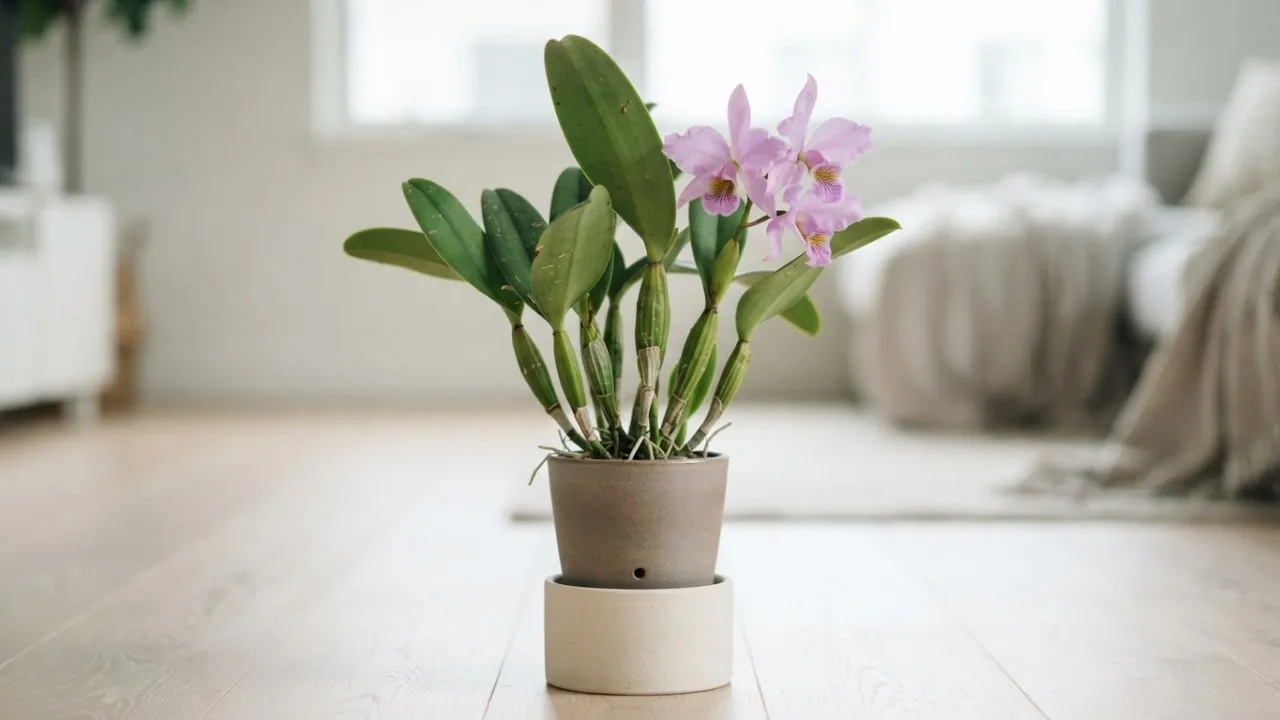 Every 7 days
 Easter Orchid
Cattleya mossiae
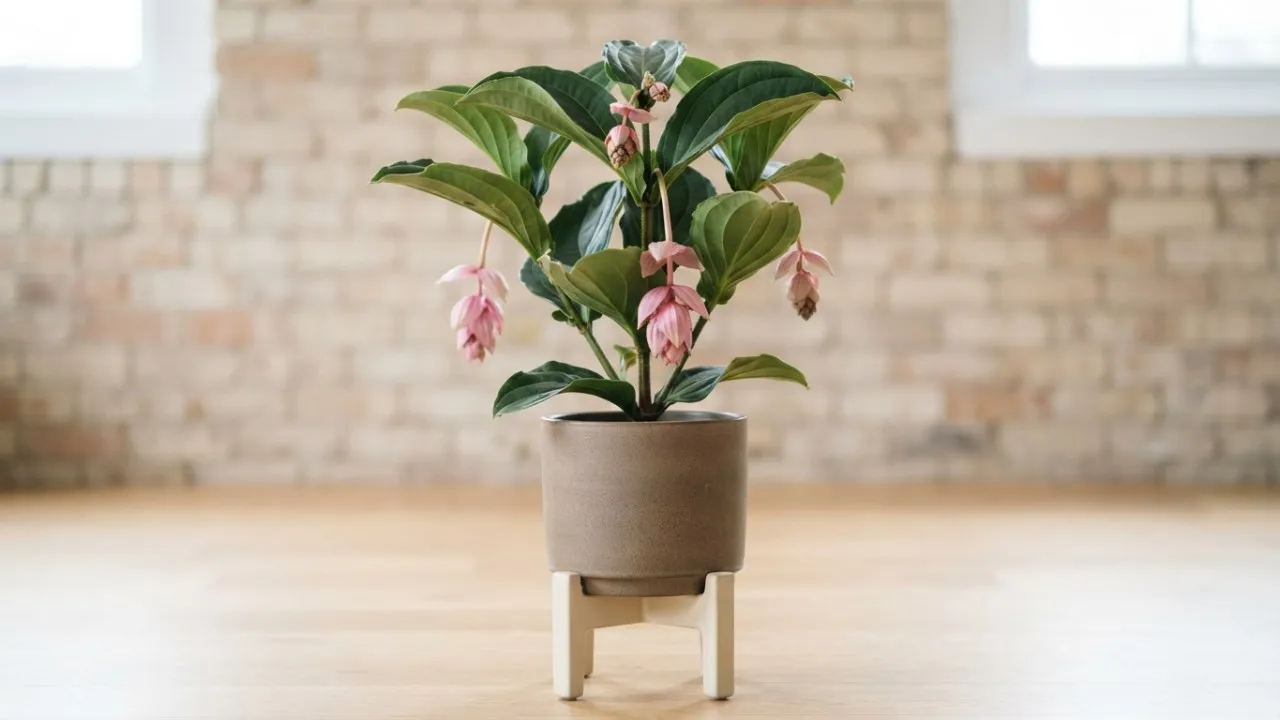 Every 7 days
 Rose Grape
Medinilla magnifica
 Every 7 days
 Walker's Cattleya
Cattleya walkeriana