
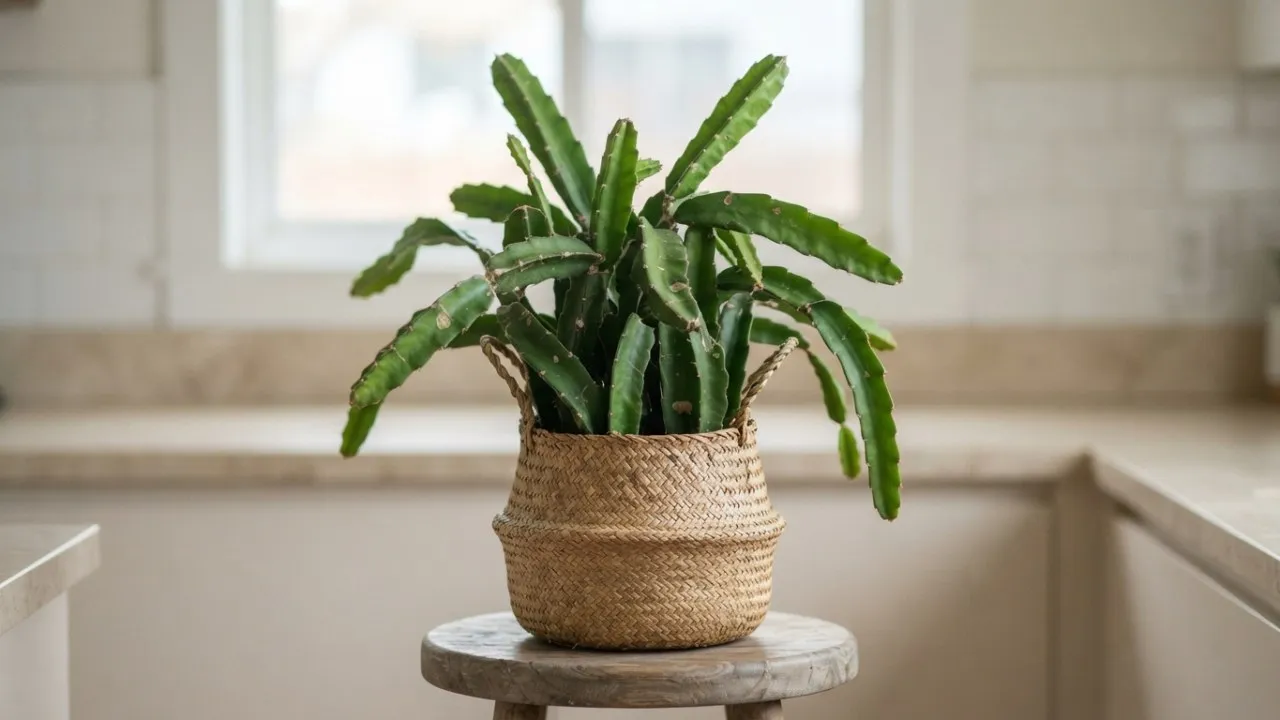
Dragon Fruit
Hylocereus undatus
A vining, epiphytic cactus with long, three-sided, fleshy green stems, cultivated for its spectacular night-blooming flowers and delicious, brightly colored fruit.
The essentials at a glance
-
Watering
Every 7 days
-
Light
Full sun
-
Humidity
60–80 %
-
Temperature
20–35 °C


How to care for your Dragon Fruit
Everything you need to keep your Dragon Fruit healthy: watering, light, humidity, feeding, repotting and pruning.
Native to southern Mexico and Central America, *Hylocereus undatus* is a remarkable climbing cactus that has become globally recognized for its exotic and nutritious fruit, the Dragon Fruit or Pitaya. It grows as a sprawling or vining plant, producing long, fleshy, three-sided green stems that climb using aerial roots. The true spectacle of this plant unfolds at night, when it produces enormous, fragrant, white flowers, sometimes up to 30 cm (12 inches) in diameter, which open for a single night. If pollinated, these flowers develop into the iconic, scaly fruits, typically with bright pink or yellow skin and white or red pulp dotted with tiny black seeds. It requires a warm, humid climate and sturdy support to thrive.

Watering your Dragon Fruit
Every 7 days
Keep soil consistently moist but never waterlogged. Water thoroughly when the top few inches of soil feel dry. Needs more water than typical desert cacti.
How to know it needs water
- Top few inches of soil are dry to the touch
- Stems may appear slightly dull or less plump

How much light a Dragon Fruit needs
Full sun
Full sun. Requires at least 6 hours of direct sunlight daily for optimal growth and fruit production. Can tolerate some partial shade.
- Direct sun tolerated
- 6 to 12 h a day
- Orientations that suit it
- East, South-east, South, South-west, West

Humidity and misting
60–80 %
Medium to high; unlike desert cacti, it prefers higher humidity. Misting weekly can help provide beneficial humidity, especially in dry indoor environments.

Feeding and fertiliser
Every 14 days
Fertilize regularly during the growing season (spring through fall) to support vigorous growth and fruit production.
- Recommended feed
- Balanced liquid fertilizer or slow-release granular fertilizer. · 10-5-15

Repotting your Dragon Fruit
Every 12 months
Repot into a larger container or plant in the ground with sturdy support. Use well-draining, rich potting mix. Handle stems carefully to avoid damage.
- When
- Spring
- Potting mix
- Cactus and succulent mix
- Mix in
- perlite, pine bark, coarse sand
The tell-tale signs
- Plant is root-bound
- Growth has slowed significantly
- Requires more space for its climbing stems

Pruning your Dragon Fruit
Late spring to early summer, after fruiting. Prune to manage size, remove excess or old stems, and encourage new fruiting branches. Trim diseased or damaged parts. Requires strong support like a trellis or pole.

Through the year
Watering is not set once and for all: it follows the light and the growth. Allow 11 days between waterings in the depth of winter, against 5 in the growing season.
- 11 J
- 9 F
- 6 M
- 6 A
- 5 M
- 5 J
- 5 J
- 5 A
- 6 S
- 6 O
- 8 N
- 11 D
Active growth · Days between waterings

Good to know
- It is a climbing, epiphytic cactus that uses aerial roots to cling to surfaces.
- The plant produces large, fragrant, nocturnal white flowers that are pollinated by bats and moths in their native habitat.
- The vibrant, scaly fruit, known as pitaya or dragon fruit, is highly prized for its sweet, juicy flesh and nutritional value.

Frequently asked questions about the Dragon Fruit
How do you care for a Dragon Fruit?
Water it every 7 days. Give it full sun. Ideal humidity: 60–80 %. Ideal temperature: 20–35 °C. Keep soil consistently moist but never waterlogged. Water thoroughly when the top few inches of soil feel dry. Needs more water than typical desert cacti.
How often should you water a Dragon Fruit?
Every 7 days Keep soil consistently moist but never waterlogged. Water thoroughly when the top few inches of soil feel dry. Needs more water than typical desert cacti. How to know it needs water : Top few inches of soil are dry to the touch ; Stems may appear slightly dull or less plump.
How much light does a Dragon Fruit need?
Full sun Full sun. Requires at least 6 hours of direct sunlight daily for optimal growth and fruit production. Can tolerate some partial shade. 6 to 12 h a day
Is the Dragon Fruit toxic to cats and dogs?
No, the Dragon Fruit is not listed as toxic to cats and dogs. That is still no reason to let your pets chew on it.
Why are my Dragon Fruit leaves turning yellow?
Yellowing most often comes from too much water: the mix stays wet and the roots suffocate. Check that the pot drains, empty the saucer, and let the mix dry before watering again. Too little light or a cold draught cause the same symptom.
When should you repot a Dragon Fruit?
Repot every 12 months, ideally in spring. Repot into a larger container or plant in the ground with sturdy support. Use well-draining, rich potting mix. Handle stems carefully to avoid damage.

At a glance
- Family
- Cactaceae
- Category
- Cactus
- Placement
- Indoor and outdoor
- Mature height
- 3 m
- Growth
- Fast
- Temperature
- 20–35 °C
- Pot materials
- terracotta, ceramic, plastic, fabric
- Growth
- Reaches maturity in 3 years
These figures are for an average plant. In the app they are recalculated for yours, based on your room, its orientation and the season.
And for your plant, in your home?
In the app this plant becomes yours: a watering schedule tuned to your home, health tracking from photos, and reminders at the right moment.
In the same spirit
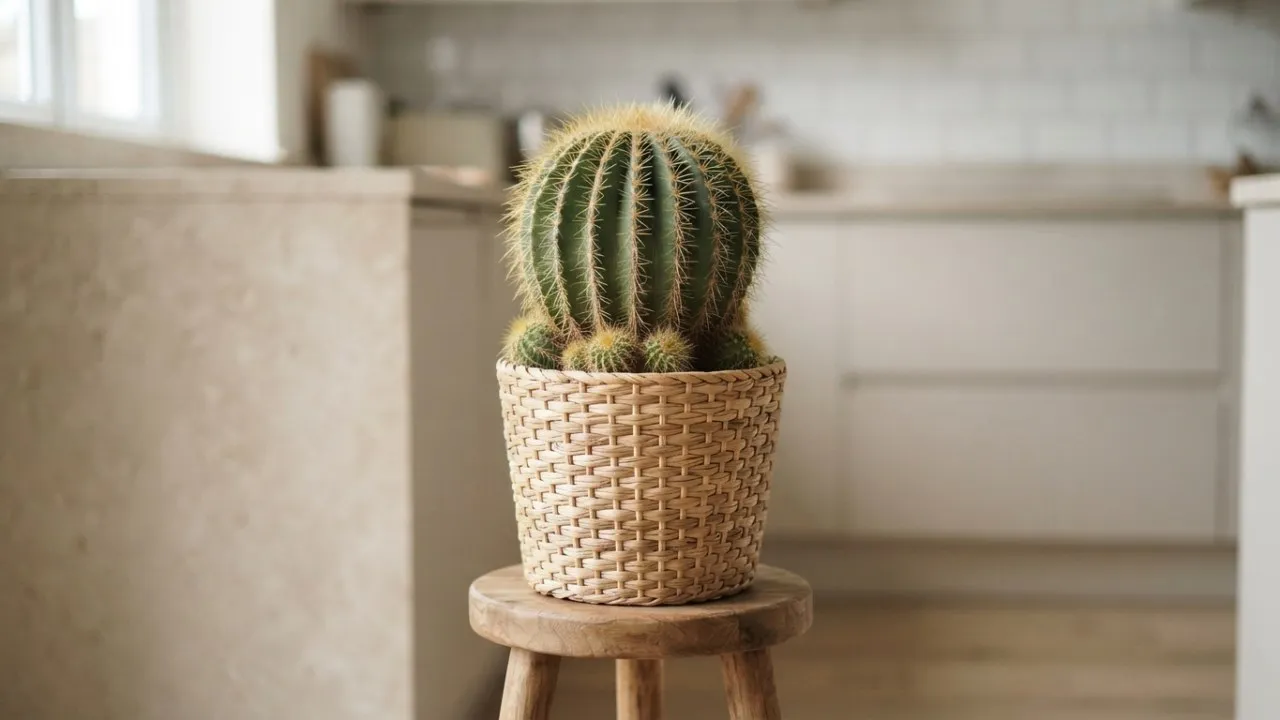 Every 10 days
 Balloon Cactus
Parodia magnifica

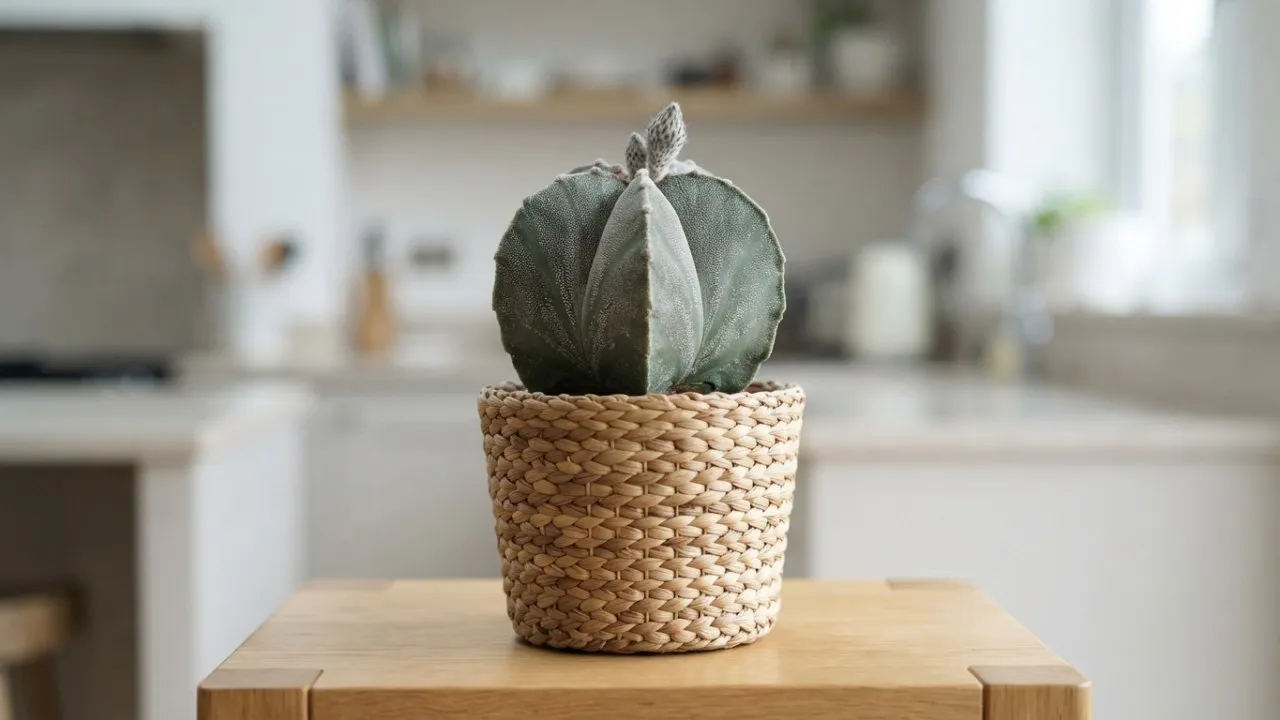 Every 10 days
 Bishop's Cap Cactus
Astrophytum myriostigma
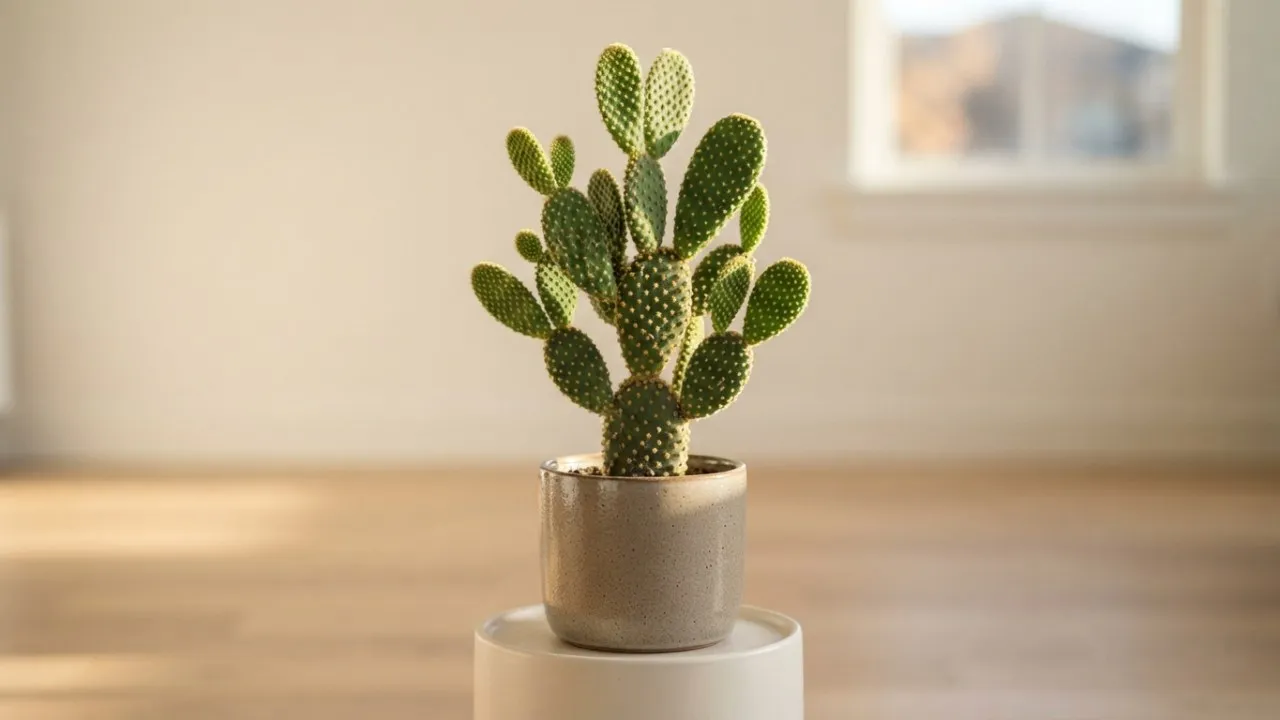 Every 21 days
 Bunny Ears Cactus
Opuntia microdasys
 Every 7 days
 Christmas Cactus
Schlumbergera truncata