Perennial · Asphodelaceae
Orange Daylily
Hemerocallis fulva
The Orange Daylily is a robust and popular perennial known for its vibrant, trumpet-shaped orange flowers.
- Every 4 daysWatering
- -10–30 °CTemperature


How to care for your Orange Daylily
Everything you need to keep your Orange Daylily healthy: watering, light, humidity, feeding, repotting and pruning.
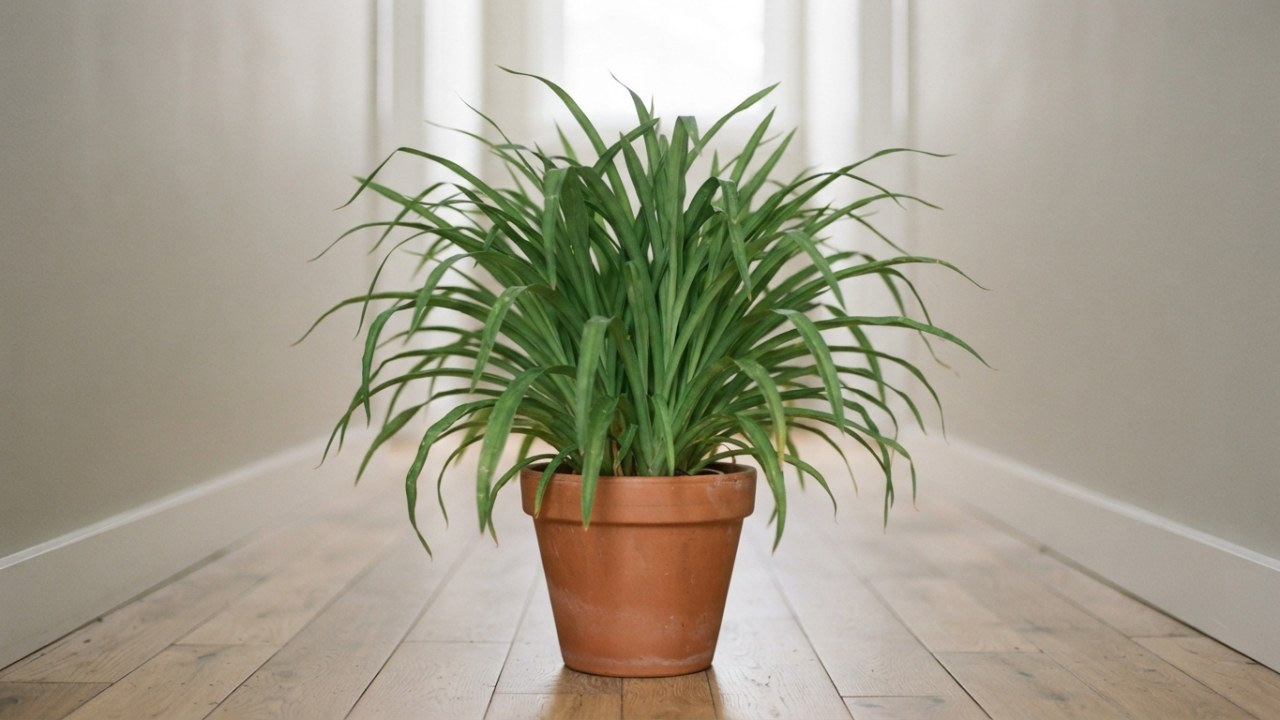
Hemerocallis fulva, commonly known as the Orange Daylily, is a hardy perennial native to Asia. It is widely cultivated in gardens for its striking orange blooms that appear in summer. Despite its name, it is not a true lily but belongs to the Asphodelaceae family. This plant is incredibly resilient, tolerating a wide range of soil conditions and thriving in full sun to partial shade. It forms dense clumps of arching, strap-like leaves and spreads readily, making it an excellent choice for ground cover or borders. It is very frost hardy (to about -30 °C) and the foliage dies back in winter, but in a pot the roots are exposed, so protect the pot with straw or fleece or sink it into the ground. Cats are at serious risk if they chew any part of it, so keep it away from them.

How to recognise Orange Daylily
A clump of arching, strap-like leaves from which leafless stems about 1 m tall carry several tawny orange, trumpet-shaped flowers with a slightly paler central stripe on each petal. It is often confused with Hemerocallis lilioasphodelus, whose flowers are pale yellow and scented, and with true lilies (Lilium), which grow from scaly bulbs and bear leaves along the flowering stem.

Watering your Orange Daylily
Every 4 days
Water deeply and regularly, about every 4 days in the growing season, especially during dry periods and flowering. Allow the topsoil to dry slightly between waterings. In the dormant season water only about every 3 weeks in a pot, and not at all in the ground if it rains.
How to know it needs water
- Top 2 to 3 cm of soil dry
- Leaves appear less turgid
- Soil pulls away from pot edges

How much light a Orange Daylily needs
Full sun to partial shade. Best flowering in full sun (6+ hours direct sun).
- Direct sun tolerated
- No direct sun

Humidity and misting
Moderate (40 to 60 %) Misting is not necessary for this outdoor plant.

Feeding and fertiliser
Every 28 days
Apply a balanced slow-release granular fertilizer in early spring, or a liquid fertilizer about every 4 weeks from April to June. Do not fertilize the rest of the year.
- Recommended feed
- Balanced granular or liquid fertilizer

Repotting your Orange Daylily
Every 36 months
Divide clumps about every 3 years. Dig up the plant, separate sections with roots and foliage, and replant.
- When
- Early spring or fall
The tell-tale signs
- Roots emerging from drainage holes
- Plant becomes root-bound
- Flowering diminishes over time

Pruning your Orange Daylily
Deadhead spent flowers regularly to encourage more blooms. Cut back foliage in late fall after it yellows. Snip spent flower stalks at the base. Cut back yellowed foliage to about 5 to 10 cm above ground level with clean shears.

Toxicity
Very toxic to cats, which can suffer kidney failure from any part, even a small amount. Eaten in quantity, it may cause mild digestive upset in dogs and humans. Keep away from pets and children.

Good to know
- Each flower lasts only one day, hence the name 'daylily'
- Highly adaptable, it spreads by underground rhizomes and can naturalize in many environments
- The Greek name Hemerocallis means 'beauty for a day'

Frequently asked questions about the Orange Daylily
How do you care for a Orange Daylily?
Water it every 4 days. Ideal temperature: -10–30 °C. Water deeply and regularly, about every 4 days in the growing season, especially during dry periods and flowering. Allow the topsoil to dry slightly between waterings. In the dormant season water only about every 3 weeks in a pot, and not at all in the ground if it rains.
How often should you water a Orange Daylily?
Every 4 days Water deeply and regularly, about every 4 days in the growing season, especially during dry periods and flowering. Allow the topsoil to dry slightly between waterings. In the dormant season water only about every 3 weeks in a pot, and not at all in the ground if it rains. How to know it needs water : Top 2 to 3 cm of soil dry ; Leaves appear less turgid ; Soil pulls away from pot edges.
How much light does a Orange Daylily need?
Full sun to partial shade. Best flowering in full sun (6+ hours direct sun). No direct sun
Is the Orange Daylily toxic to cats and dogs?
Yes. Very toxic to cats, which can suffer kidney failure from any part, even a small amount. Eaten in quantity, it may cause mild digestive upset in dogs and humans. Keep away from pets and children. Keep it out of reach of your pets and call a vet if any is swallowed.
Why are my Orange Daylily leaves turning yellow?
Yellowing most often comes from too much water: the mix stays wet and the roots suffocate. Check that the pot drains, empty the saucer, and let the mix dry before watering again. Too little light or a cold draught cause the same symptom.
When should you repot a Orange Daylily?
Repot every 36 months, ideally in early spring or fall. Divide clumps about every 3 years. Dig up the plant, separate sections with roots and foliage, and replant.

At a glance
- Family
- Asphodelaceae
- Category
- Perennial
- Placement
- Outdoor
- Temperature
- -10–30 °C
These figures are for an average plant. In the app they are recalculated for yours, based on your room, its orientation and the season.
And for your plant, in your home?
In the app this plant becomes yours: a watering schedule tuned to your home, health tracking from photos, and reminders at the right moment.