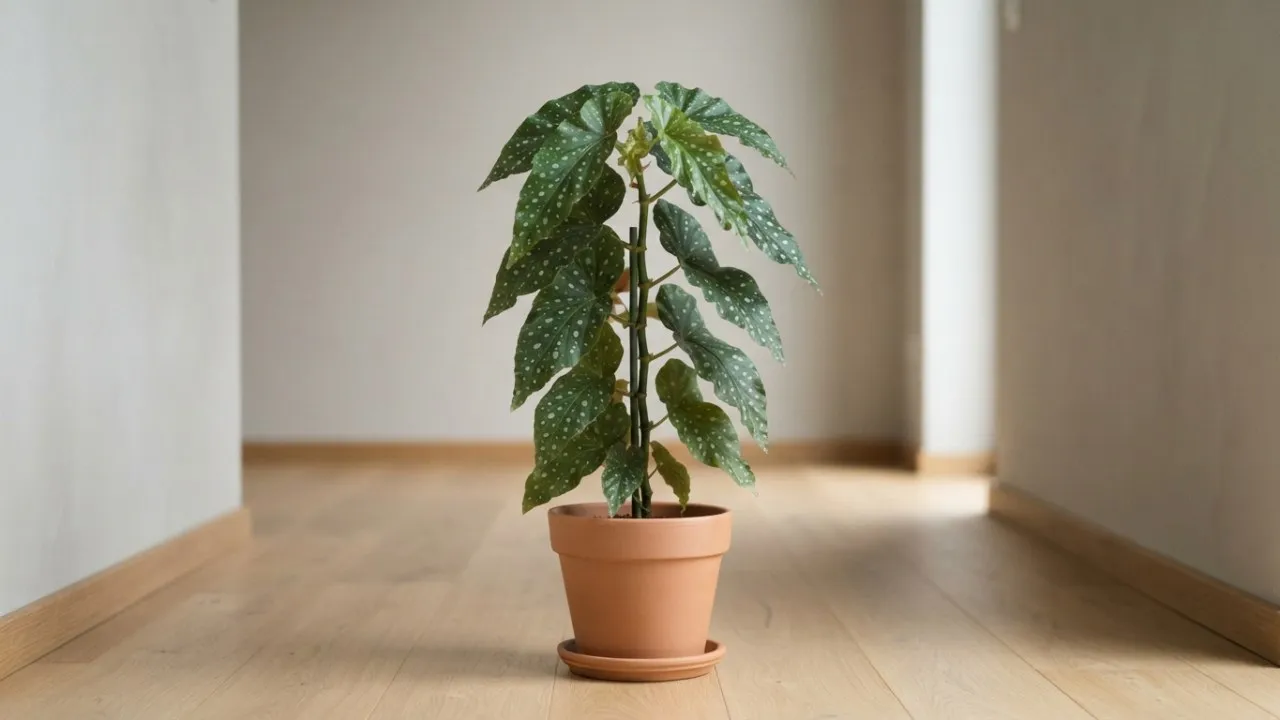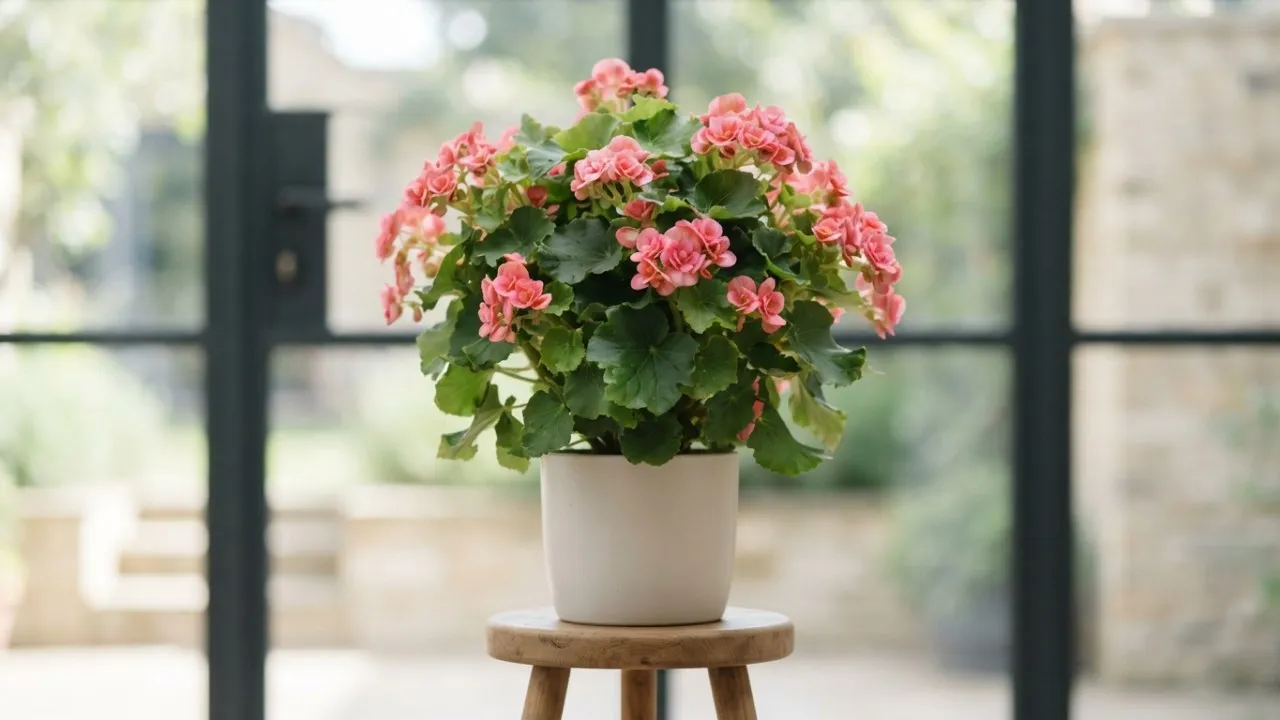
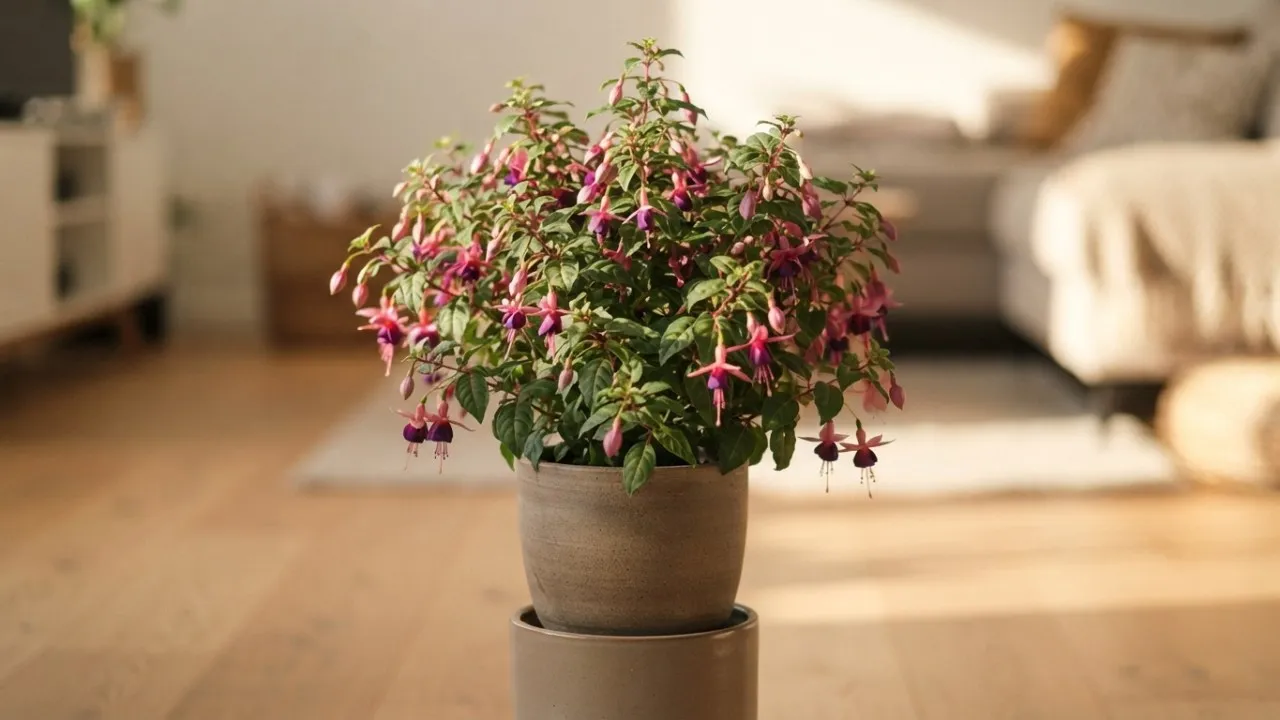
Fuchsia
Fuchsia hybrida
A stunning flowering plant prized for its elegant, pendulous, bell-shaped flowers often in contrasting colors.
The essentials at a glance
-
Watering
Every day
-
Light
Bright indirect light
-
Humidity
50–70 %
-
Temperature
15–24 °C


How to care for your Fuchsia
Everything you need to keep your Fuchsia healthy: watering, light, humidity, feeding, repotting and pruning.
Fuchsia hybrida, simply called Fuchsia, is a captivating plant known for its truly unique and elegant pendulous flowers. These 'dancing' blooms, often featuring contrasting colors between the sepals and petals, come in a wide range of sizes and forms, from single to double. Fuchsias thrive in partial shade, consistently moist soil, and high humidity, making them perfect for hanging baskets, containers, and shady garden spots. Regular feeding and deadheading will ensure a continuous display of their exotic beauty throughout the warmer months.

Watering your Fuchsia
Every day
Keep soil consistently moist; do not allow to dry out completely.
How to know it needs water
- Top inch of soil feels dry
- Leaves show slight wilting

How much light a Fuchsia needs
Bright indirect light
Partial shade to bright, indirect light; avoid harsh afternoon sun.
- Direct sun tolerated
- 0 to 3 h a day
- Orientations that suit it
- North, North-east, East, South-east, West, North-west

Humidity and misting
50–70 %
Moderate to high (50-70%). Benefits from regular misting, especially in warm, dry weather.

Feeding and fertiliser
Every 7 days
Fertilize weekly during blooming season; reduce or stop in winter.
- Recommended feed
- High potassium liquid fertilizer. · 10-30-20

Repotting your Fuchsia
Every 12 months
Repot into a slightly larger pot with a rich, well-draining potting mix.
- When
- Early spring
- Potting mix
- All-purpose potting mix
- Mix in
- perlite, coco fibre
The tell-tale signs
- Roots emerging from drainage holes
- Reduced vigor and flowering

Pruning your Fuchsia
Early spring, before new growth; deadhead spent blooms. Cut back old stems to a few buds; pinch growing tips for bushiness.

Through the year
Watering is not set once and for all: it follows the light and the growth. Allow 2 days between waterings in the depth of winter, against 1 in the growing season.
- 2 J
- 1 F
- 1 M
- 1 A
- 1 M
- 1 J
- 1 J
- 1 A
- 1 S
- 1 O
- 1 N
- 2 D
Active growth · Days between waterings

Good to know
- Known for their exotic, pendulous, bell-shaped flowers.
- Many varieties are perfect for hanging baskets.

Frequently asked questions about the Fuchsia
How do you care for a Fuchsia?
Water it every day. Give it bright indirect light. Ideal humidity: 50–70 %. Ideal temperature: 15–24 °C. Keep soil consistently moist; do not allow to dry out completely.
How often should you water a Fuchsia?
Every day Keep soil consistently moist; do not allow to dry out completely. How to know it needs water : Top inch of soil feels dry ; Leaves show slight wilting.
How much light does a Fuchsia need?
Bright indirect light Partial shade to bright, indirect light; avoid harsh afternoon sun. 0 to 3 h a day
Is the Fuchsia toxic to cats and dogs?
No, the Fuchsia is not listed as toxic to cats and dogs. That is still no reason to let your pets chew on it.
Why are my Fuchsia leaves turning yellow?
Yellowing most often comes from too much water: the mix stays wet and the roots suffocate. Check that the pot drains, empty the saucer, and let the mix dry before watering again. Too little light or a cold draught cause the same symptom.
When should you repot a Fuchsia?
Repot every 12 months, ideally in early spring. Repot into a slightly larger pot with a rich, well-draining potting mix.

At a glance
- Family
- Onagraceae
- Category
- Perennial
- Placement
- Indoor and outdoor
- Mature height
- 90 cm
- Growth
- Moderate
- Temperature
- 15–24 °C
- Pot materials
- terracotta, ceramic, plastic
- Growth
- Reaches maturity in 2 years
These figures are for an average plant. In the app they are recalculated for yours, based on your room, its orientation and the season.
And for your plant, in your home?
In the app this plant becomes yours: a watering schedule tuned to your home, health tracking from photos, and reminders at the right moment.