Perennial · Moraceae
Common Fig
Ficus carica
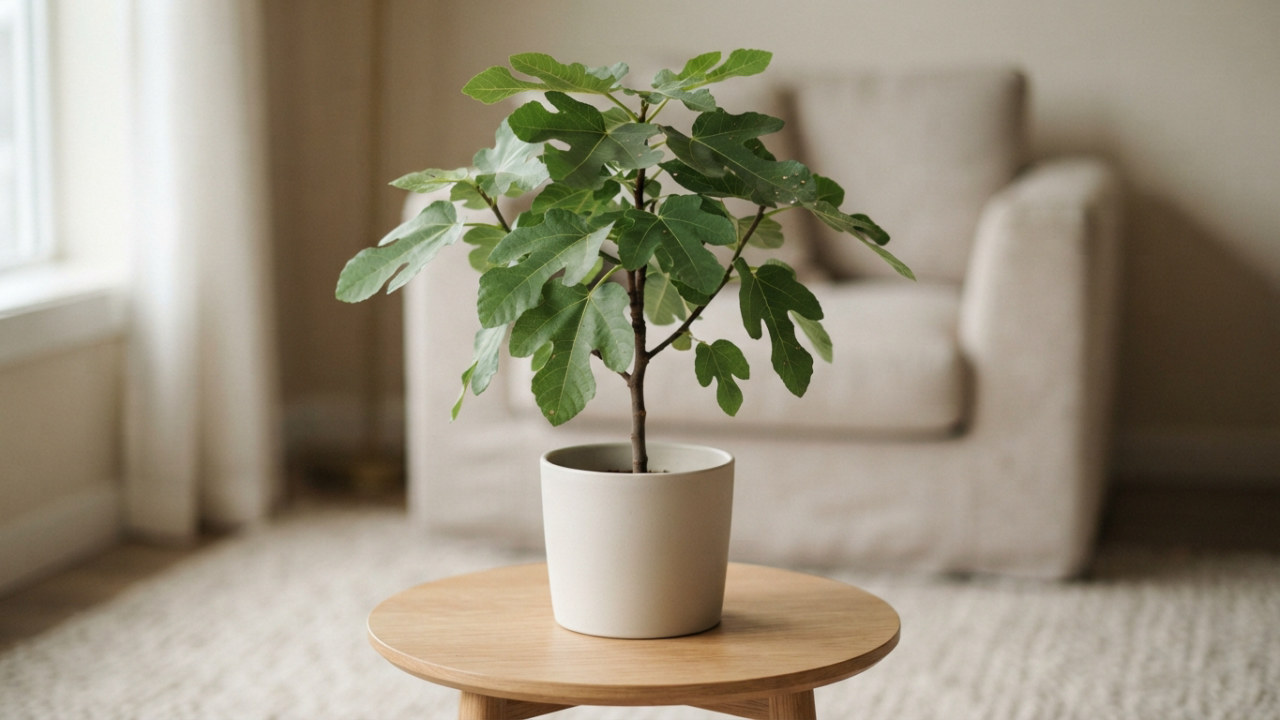
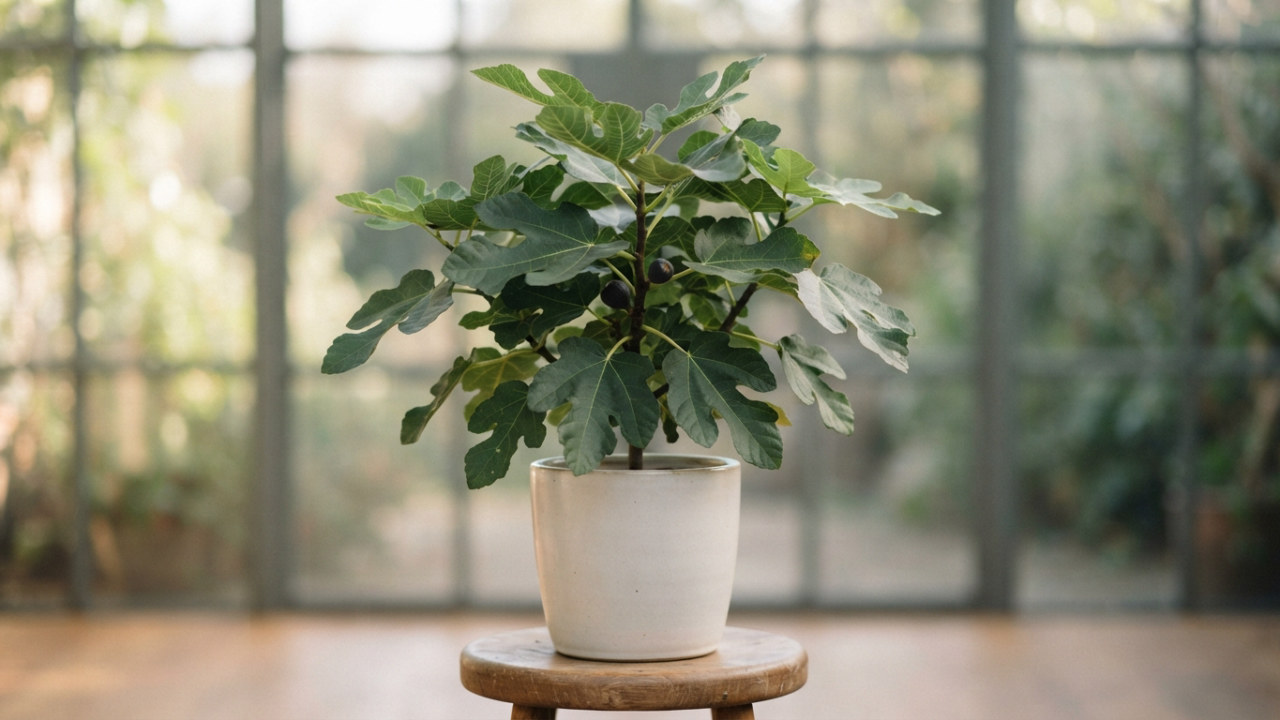
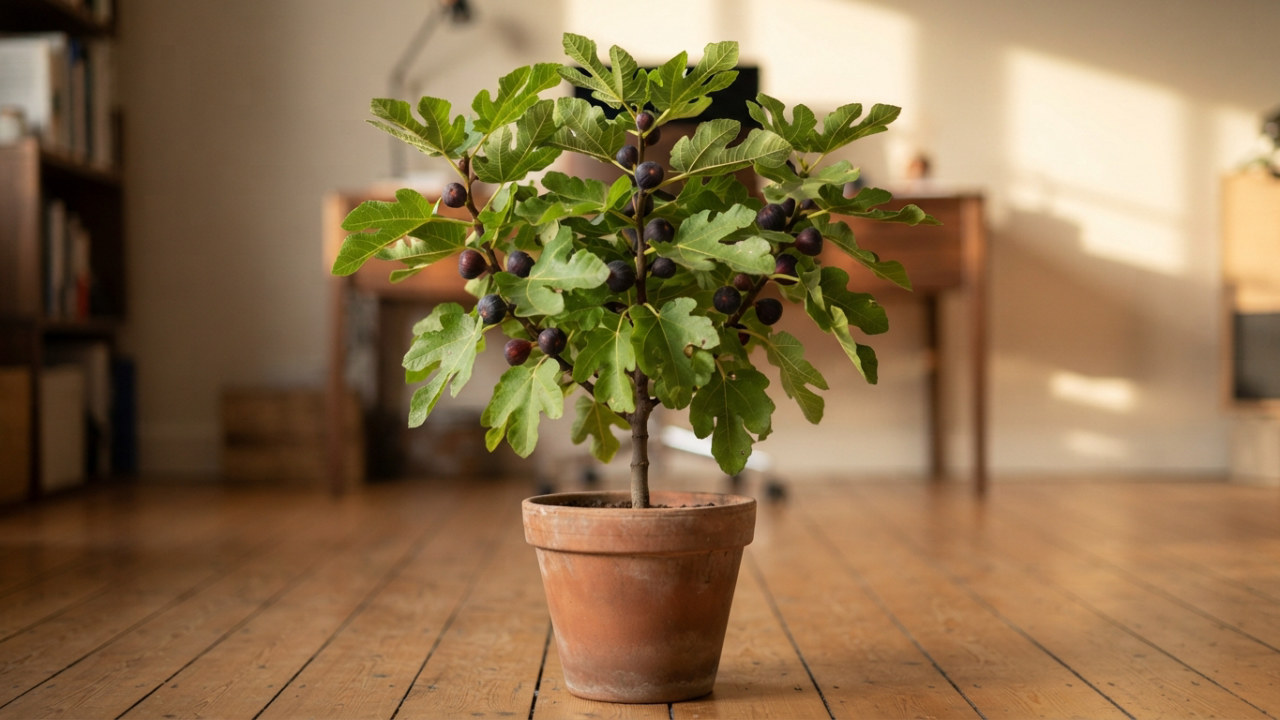
The common fig, a deciduous fruit tree with large lobed leaves, grown in big tubs on sunny terraces.
- Every 4 daysWatering
- Full sunLight
- 40–60 %Humidity


Its varieties 5
How to care for your Common Fig
Everything you need to keep your Common Fig healthy: watering, light, humidity, feeding, repotting and pruning.
Ficus carica, the common fig, is one of the earliest cultivated plants: evidence shows figs were already grown more than 11,000 years ago around the Mediterranean and in western Asia. It is a deciduous tree or multi-stemmed shrub with large, rough, deeply lobed leaves, grown for its edible figs. In a large tub on a sunny terrace it stays manageable with pruning, spends winter bare in a cool, frost-free place, and leafs out again each spring.

How to recognise Common Fig
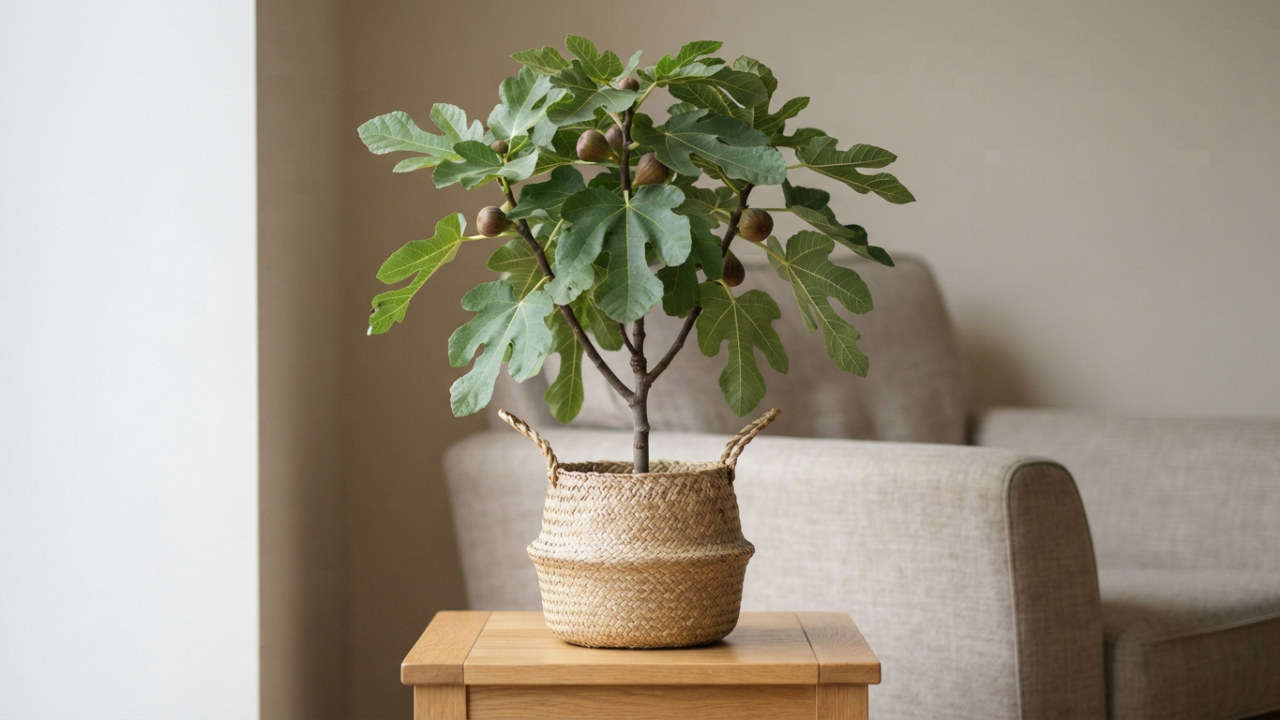
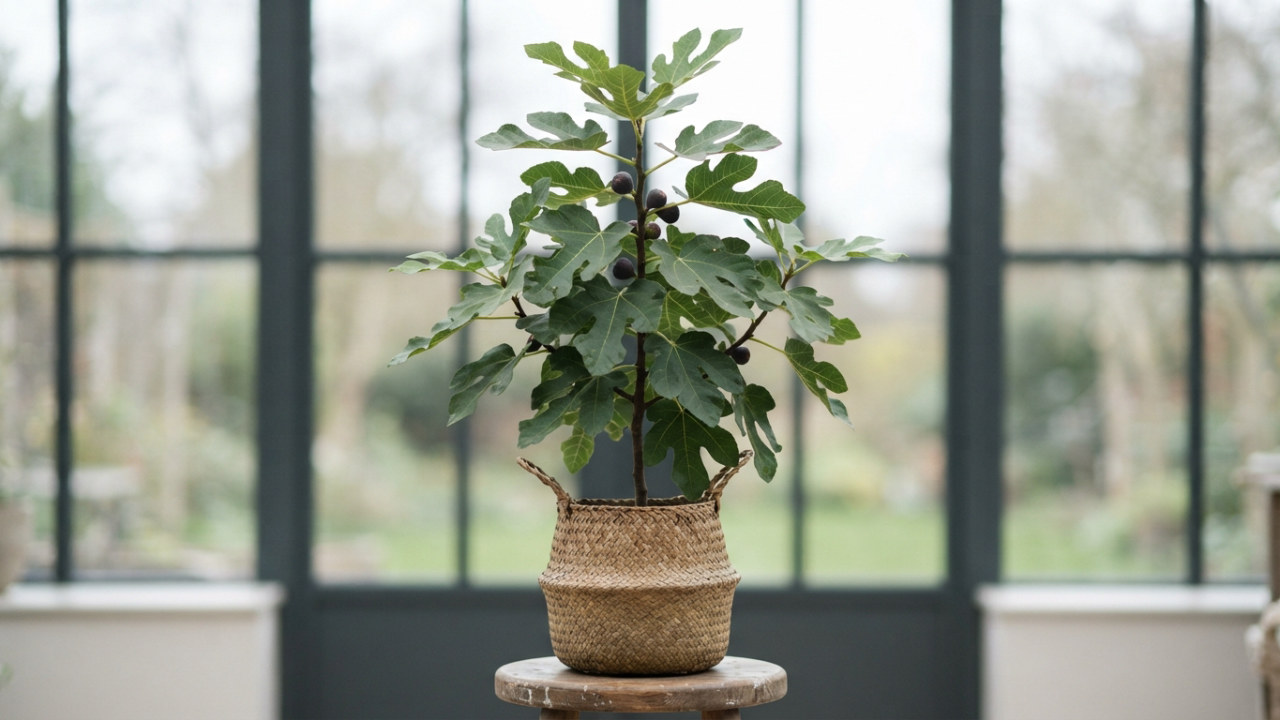
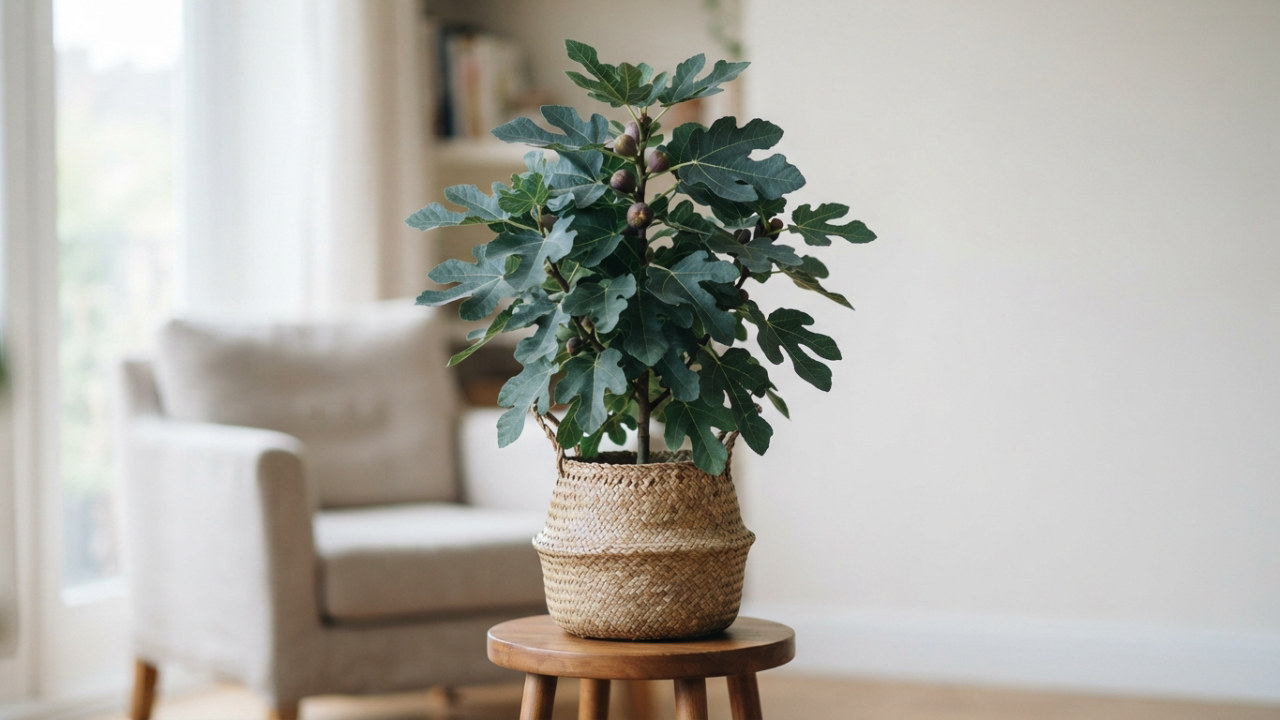
Large, rough leaves deeply cut into three to five lobes, shed in autumn, on a shrub or small tree that bears edible figs; most of the other figs of the catalog keep unlobed, evergreen leaves.

Watering your Common Fig
Every 4 days
Water deeply once the top few centimeters of the mix have dried and let the excess drain away; a tub in full sun may need water daily in a heat wave, while a dormant tree needs only a little.
How to know it needs water
- The top few centimeters of the mix feel dry under a finger
- The large leaves droop and the tub feels light

How much light a Common Fig needs
Full sun
Full sun: at least six to eight hours of direct sunlight a day, on a south-facing terrace or against a sunny wall.
- Direct sun tolerated
- 6 to 12 h a day
- Orientations that suit it
- South-east, South, South-west, West

Humidity and misting
40–60 %
Dry to average air, about 40 to 60%, is fine; outdoors it takes the climate as it comes. Never needed: outdoors the tree takes the air as it comes, and wet leaves in the sun serve no purpose.

Feeding and fertiliser
Every 21 days
Feed about every three weeks from April to August, and stop at the end of summer so the shoots can harden before winter.
- Recommended feed
- A liquid fertilizer for fruit trees or tomatoes, richer in potassium than in nitrogen. · 2-1-3

Repotting your Common Fig
Every 24 months
Move up to a larger tub, or lift the root ball, trim the outer roots lightly and replant in fresh, free-draining mix in the same tub.
- When
- Late winter, in February or March, while the tree is still dormant.
- Potting mix
- All-purpose potting mix
- Mix in
- perlite, pine bark, coco fibre
The tell-tale signs
- Roots push out of the drainage holes or circle the inside of the tub
- Water runs through without wetting the mix, or growth slows although the tree is fed and watered

Pruning your Common Fig
In late winter, while the tree is bare and before the buds swell, to keep it to the size of its tub. Shorten the branches with clean secateurs and remove dead or crossing wood; wear gloves and long sleeves, since the sap irritates the skin and, with sun, can burn it.

Through the year
Watering is not set once and for all: it follows the light and the growth. Allow 6 days between waterings in the depth of winter, against 3 in the growing season.
- 5 J
- 5 F
- 4 M
- 4 A
- 3 M
- 3 J
- 3 J
- 4 A
- 4 S
- 4 O
- 5 N
- 6 D
Active growth · Days between waterings

Toxicity
The ripe figs are edible, but the milky sap of the leaves and stems irritates the skin and can cause a sunlight rash, and it upsets the stomach of cats and dogs that chew the plant.

Good to know
- What we eat as a fig is not a true fruit but a hollow, fleshy cluster with tiny flowers hidden inside.
- It needs a cool winter rest, with temperatures between roughly freezing and 7 °C, to thrive and bear fruit.

Frequently asked questions about the Common Fig
How do you care for a Common Fig?
Water it every 4 days. Give it full sun. Ideal humidity: 40–60 %. Water deeply once the top few centimeters of the mix have dried and let the excess drain away; a tub in full sun may need water daily in a heat wave, while a dormant tree needs only a little.
How often should you water a Common Fig?
Every 4 days Water deeply once the top few centimeters of the mix have dried and let the excess drain away; a tub in full sun may need water daily in a heat wave, while a dormant tree needs only a little. How to know it needs water : The top few centimeters of the mix feel dry under a finger ; The large leaves droop and the tub feels light.
How much light does a Common Fig need?
Full sun Full sun: at least six to eight hours of direct sunlight a day, on a south-facing terrace or against a sunny wall. 6 to 12 h a day
Is the Common Fig toxic to cats and dogs?
Yes. The ripe figs are edible, but the milky sap of the leaves and stems irritates the skin and can cause a sunlight rash, and it upsets the stomach of cats and dogs that chew the plant. Keep it out of reach of your pets and call a vet if any is swallowed.
Why are my Common Fig leaves turning yellow?
Yellowing most often comes from too much water: the mix stays wet and the roots suffocate. Check that the pot drains, empty the saucer, and let the mix dry before watering again. Too little light or a cold draught cause the same symptom.
When should you repot a Common Fig?
Repot every 24 months, ideally in late winter, in february or march, while the tree is still dormant.. Move up to a larger tub, or lift the root ball, trim the outer roots lightly and replant in fresh, free-draining mix in the same tub.

At a glance
- Family
- Moraceae
- Category
- Perennial
- Placement
- Outdoor
- Mature height
- 2 m
- Growth
- Fast
- Pot materials
- terracotta, ceramic, plastic
- Growth
- Reaches maturity in 5 years
These figures are for an average plant. In the app they are recalculated for yours, based on your room, its orientation and the season.
And for your plant, in your home?
In the app this plant becomes yours: a watering schedule tuned to your home, health tracking from photos, and reminders at the right moment.