
Cactus · Cactaceae
Peruvian Apple Cactus
Cereus peruvianus
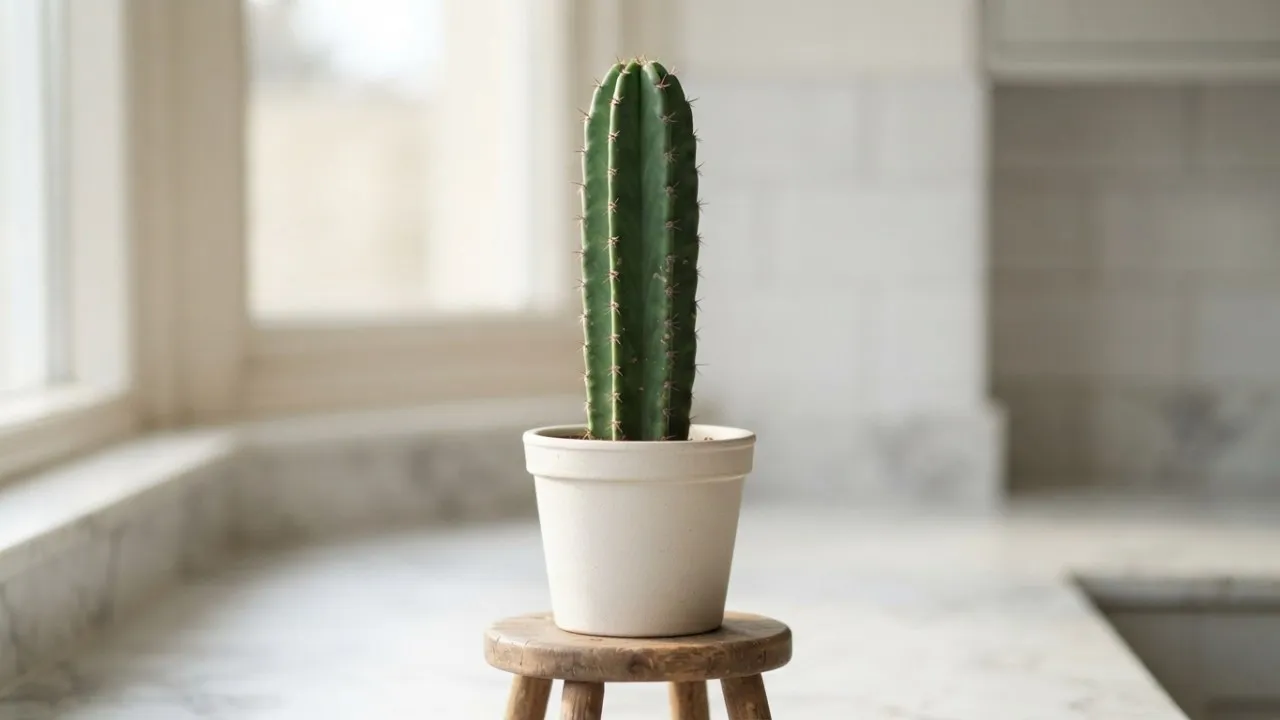
A tall, columnar cactus with blue-green ribbed stems and formidable spines, known for its large, night-blooming flowers and edible fruit.
- Every 10 daysWatering
- Full sunLight
- 20–40 %Humidity
- 21–38 °CTemperature


How to care for your Peruvian Apple Cactus
Everything you need to keep your Peruvian Apple Cactus healthy: watering, light, humidity, feeding, repotting and pruning.
The name Cereus peruvianus is used loosely: the plant most commonly seen in cultivation under this name is often Cereus repandus, whose range includes Venezuela, Colombia and the ABC islands. This majestic cactus grows as an imposing, tree-like column with distinctive blue-green, heavily ribbed stems adorned with sharp spines. It is renowned for its large, fragrant, white flowers that bloom nocturnally, opening for just one night. These flowers give way to round, edible fruits that turn reddish-orange when ripe, resembling small apples and having a sweet, refreshing pulp, hence its common name, Peruvian Apple Cactus. It is a popular choice for warm-climate landscapes and as a large specimen plant indoors. It is not frost hardy: in a pot, bring it indoors before nights fall below about 5 °C and keep it dry and bright over winter.

How to recognise Peruvian Apple Cactus
A tall, tree-like columnar cactus that branches from the base into upright, blue-green to gray-green stems with 4 to 8 thick ribs and short spines along each rib. The large white flowers open at night. Pilosocereus pachycladus is bluer and has woolly flowering zones, and San Pedro (Echinopsis pachanoi) has lighter green, almost spineless stems with more rounded ribs.

Watering your Peruvian Apple Cactus
Every 10 days
Water deeply and thoroughly, about every 10 days in the growing season, when the soil is completely dry. In winter dormancy water very little, about once a month.
How to know it needs water
- Soil is completely dry to the touch throughout the pot
- Stems may appear slightly less plump

How much light a Peruvian Apple Cactus needs
Full sun
Full sun. Requires at least 6 hours of direct sunlight daily for robust growth. Can tolerate partial shade but will grow slower and may become leggy.
- Direct sun tolerated
- 6 to 12 h a day
- Orientations that suit it
- South, South-east, South-west, East, West

Humidity and misting
20–40 %
Low; prefers dry air conditions. Do not mist: water left on the stems causes spots and favors rot and fungal problems.

Feeding and fertiliser
Every 28 days
Fertilize monthly from April to September. Do not fertilize in autumn and winter.
- Recommended feed
- Balanced liquid cactus fertilizer (low nitrogen). · 5-10-10

Repotting your Peruvian Apple Cactus
Every 36 months
Repot into a larger, heavy container with fresh, well-draining cactus potting mix. Use gloves or a thick towel to protect hands from spines. Provide sturdy support if needed.
- When
- Spring
- Potting mix
- Cactus and succulent mix
- Mix in
- pumice, coarse sand, perlite
The tell-tale signs
- Plant is root-bound with roots growing out of drainage holes
- Growth has slowed significantly
- Pot becomes unstable due to the plant's height and weight

Pruning your Peruvian Apple Cactus
As needed, typically in late spring or early summer. Can be pruned to control height, remove damaged sections, or encourage branching. Use a sharp, sterile knife. Cuttings can be rooted.

Through the year
Watering is not set once and for all: it follows the light and the growth. Allow 20 days between waterings in the depth of winter, against 8 in the growing season.
- 18 J
- 15 F
- 10 M
- 8 A
- 8 M
- 8 J
- 8 J
- 8 A
- 10 S
- 12 O
- 15 N
- 20 D
Active growth · Days between waterings

Good to know
- Its large, fragrant white flowers open for a single night and are pollinated by night-flying visitors such as moths and bats.
- It is followed by edible, reddish-orange, apple-sized fruits with white pulp and black seeds, which is why it is called the Peruvian Apple Cactus.

Frequently asked questions about the Peruvian Apple Cactus
How do you care for a Peruvian Apple Cactus?
Water it every 10 days. Give it full sun. Ideal humidity: 20–40 %. Ideal temperature: 21–38 °C. Water deeply and thoroughly, about every 10 days in the growing season, when the soil is completely dry. In winter dormancy water very little, about once a month.
How often should you water a Peruvian Apple Cactus?
Every 10 days Water deeply and thoroughly, about every 10 days in the growing season, when the soil is completely dry. In winter dormancy water very little, about once a month. How to know it needs water : Soil is completely dry to the touch throughout the pot ; Stems may appear slightly less plump.
How much light does a Peruvian Apple Cactus need?
Full sun Full sun. Requires at least 6 hours of direct sunlight daily for robust growth. Can tolerate partial shade but will grow slower and may become leggy. 6 to 12 h a day
Is the Peruvian Apple Cactus toxic to cats and dogs?
No, the Peruvian Apple Cactus is not listed as toxic to cats and dogs. That is still no reason to let your pets chew on it.
Why are my Peruvian Apple Cactus leaves turning yellow?
Yellowing most often comes from too much water: the mix stays wet and the roots suffocate. Check that the pot drains, empty the saucer, and let the mix dry before watering again. Too little light or a cold draught cause the same symptom.
When should you repot a Peruvian Apple Cactus?
Repot every 36 months, ideally in spring. Repot into a larger, heavy container with fresh, well-draining cactus potting mix. Use gloves or a thick towel to protect hands from spines. Provide sturdy support if needed.

At a glance
- Family
- Cactaceae
- Category
- Cactus
- Placement
- Indoor and outdoor
- Mature height
- 3 m
- Growth
- Moderate
- Temperature
- 21–38 °C
- Pot materials
- terracotta, ceramic
- Growth
- Reaches maturity in 10 years
These figures are for an average plant. In the app they are recalculated for yours, based on your room, its orientation and the season.
And for your plant, in your home?
In the app this plant becomes yours: a watering schedule tuned to your home, health tracking from photos, and reminders at the right moment.
In the same spirit
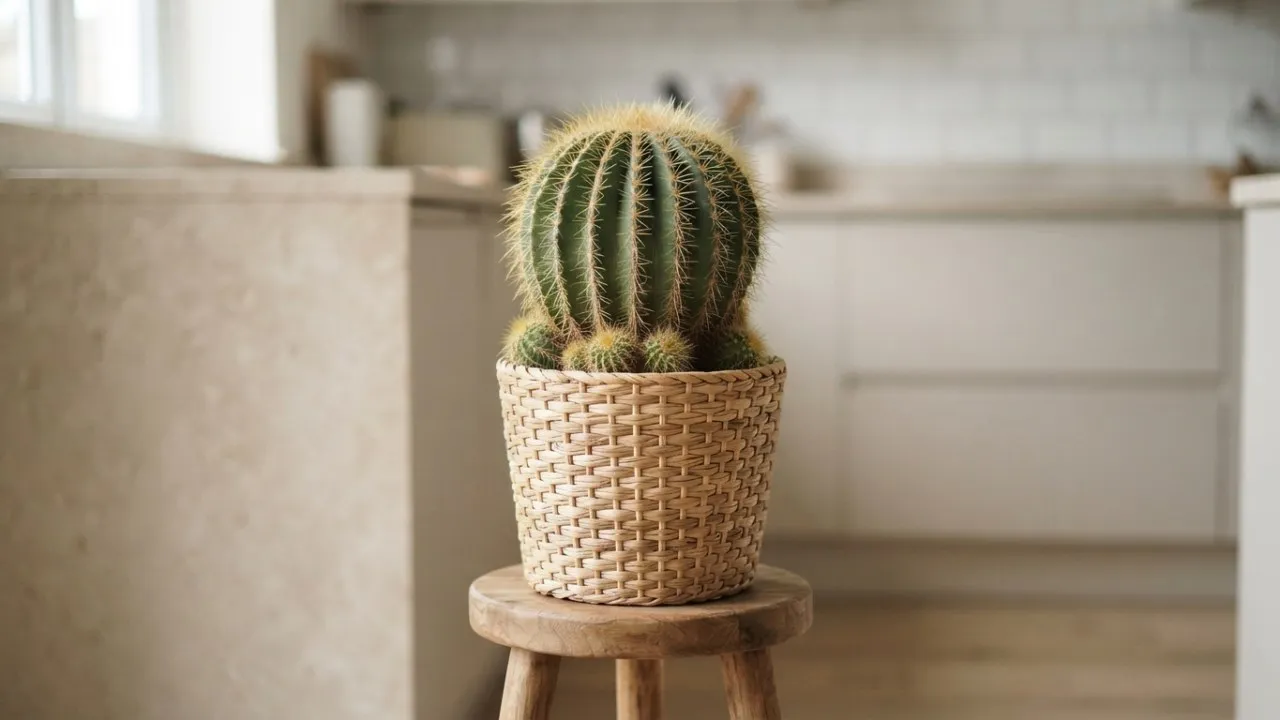 Every 12 days


Balloon Cactus
Parodia magnifica

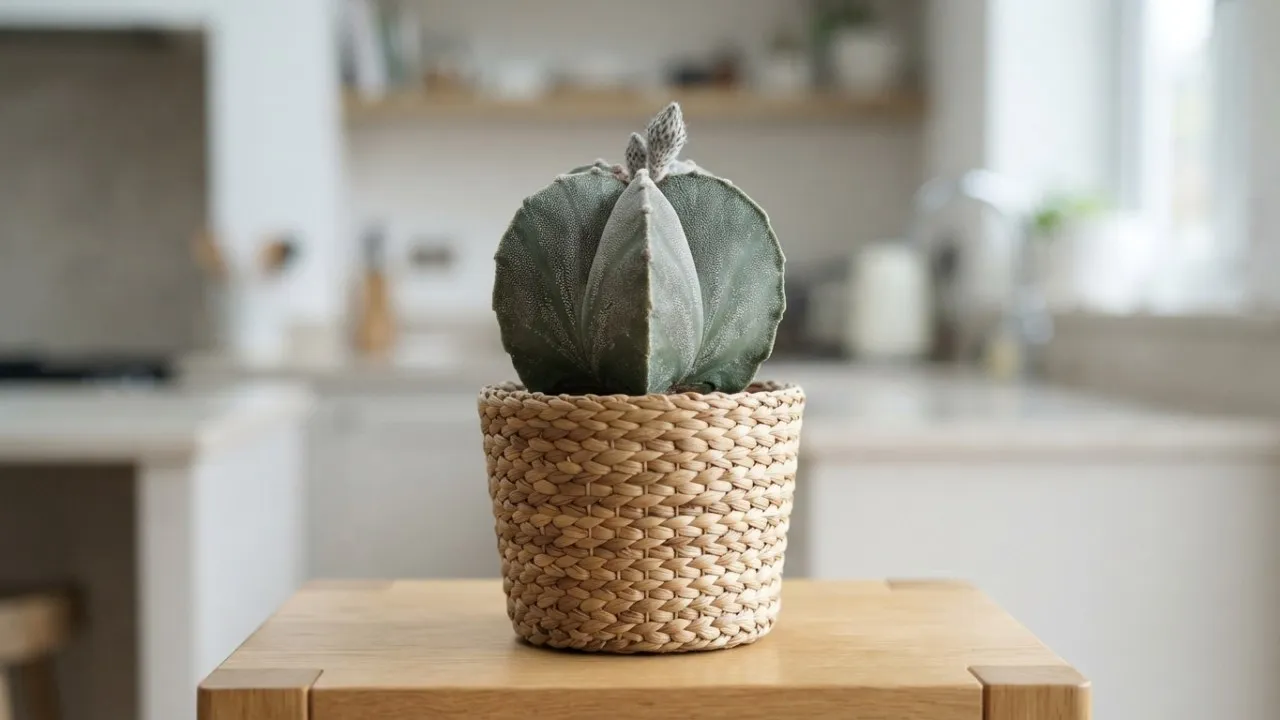 Every 14 days
Bishop's Cap Cactus
Astrophytum myriostigma
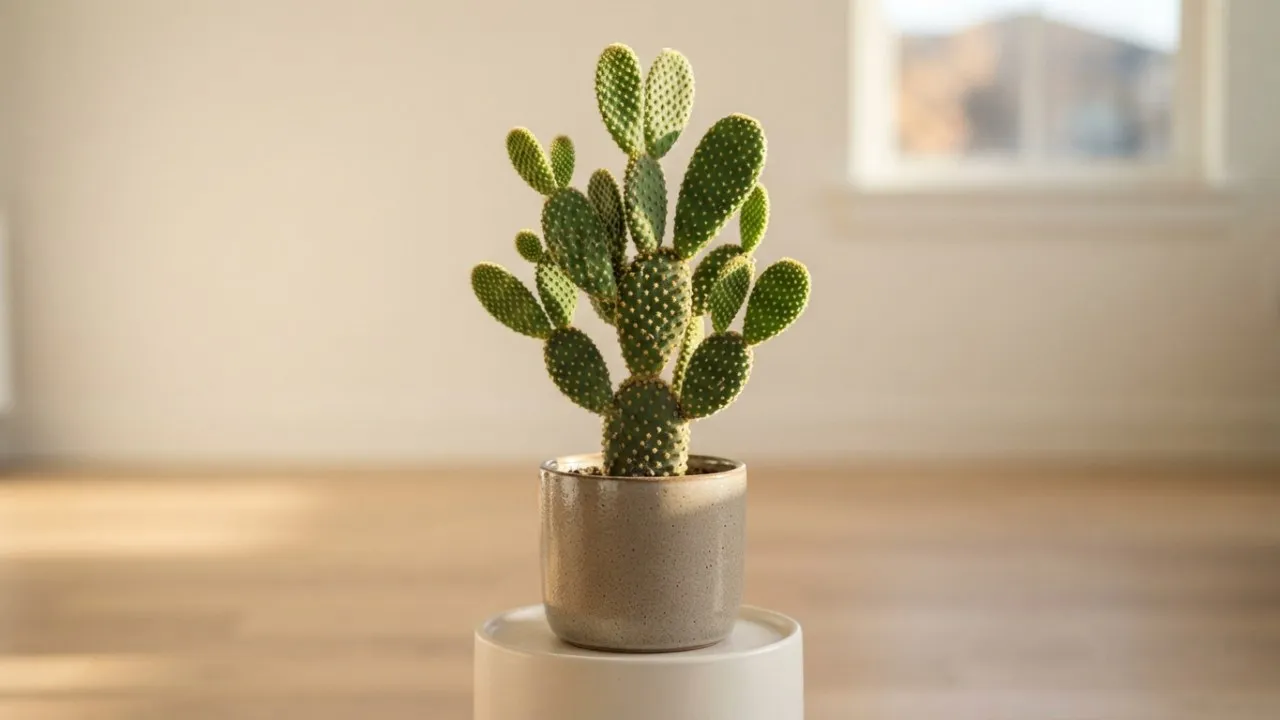 Every 14 days
Bunny Ears Cactus
Opuntia microdasys
 Every 7 days
Christmas Cactus
Schlumbergera truncata
