
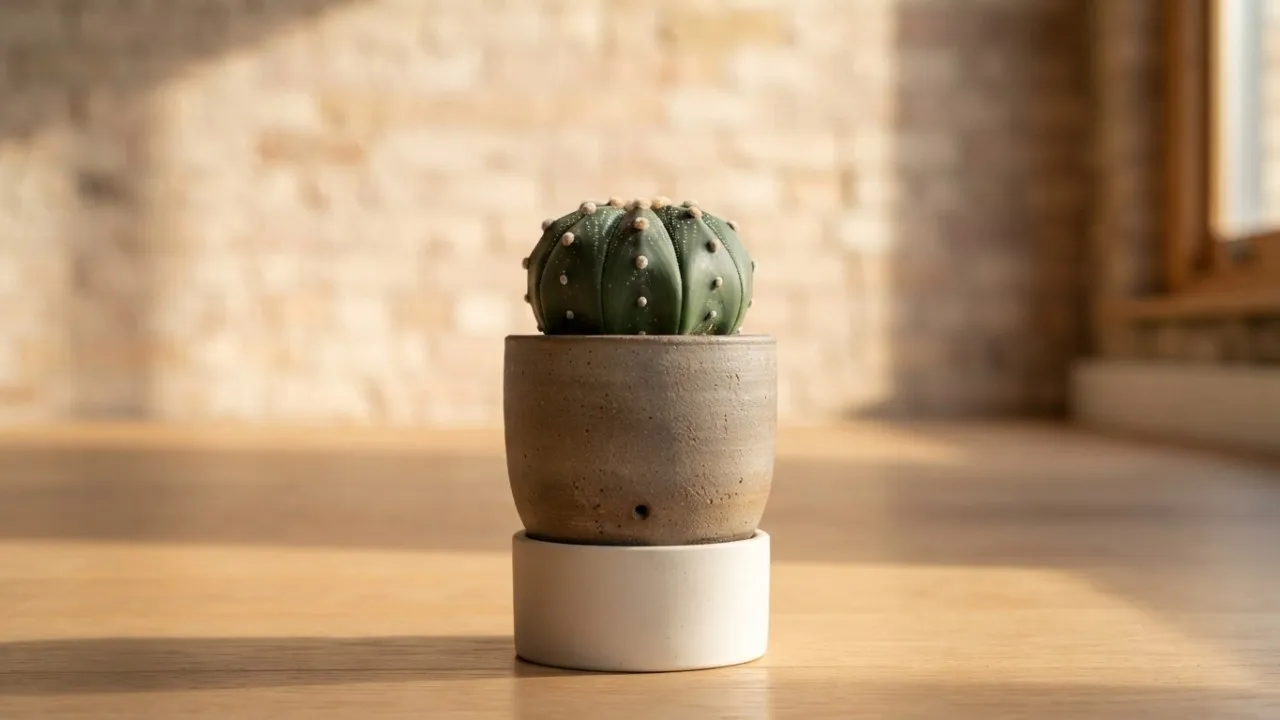
Sand Dollar Cactus
Astrophytum asterias
A small, spineless, flattened globular cactus resembling a sand dollar, covered in tiny white flecks.
The essentials at a glance
-
Watering
Every 10 days
-
Light
Full sun
-
Humidity
10–30 %
-
Temperature
10–30 °C


How to care for your Sand Dollar Cactus
Everything you need to keep your Sand Dollar Cactus healthy: watering, light, humidity, feeding, repotting and pruning.
The Sand Dollar Cactus is a highly sought-after, distinctive, spineless cactus. Its flattened, disc-like shape, often with eight subtle ribs, and covering of small white flecks give it the appearance of a sand dollar. It produces beautiful yellow, often red-throated, flowers from its fuzzy apex in summer. This cactus requires careful cultivation, demanding bright indirect to full sun, excellent drainage in a very gritty mix, and extremely careful watering to prevent rot, especially in winter.

Watering your Sand Dollar Cactus
Every 10 days
Water thoroughly from the bottom or top; let dry completely.
How to know it needs water
- Soil completely dry
- Body feels slightly less firm

How much light a Sand Dollar Cactus needs
Full sun
Bright indirect to full sun
- Direct sun tolerated
- 5 to 10 h a day
- Orientations that suit it
- South, South-east, South-west, East, West

Humidity and misting
10–30 %
Low Not needed. Prefers dry air.

Feeding and fertiliser
Every 45 days
Sparingly, 2-3 times during spring/summer. Over-fertilizing can harm.
- Recommended feed
- Weak, low-nitrogen cactus fertilizer · 2-7-7

Repotting your Sand Dollar Cactus
Every 24 months
Use a very gritty, mineral-rich, well-draining cactus mix. Handle roots gently.
- When
- Spring
- Potting mix
- Cactus and succulent mix
- Mix in
- pumice, coarse sand
The tell-tale signs
- Root-bound
- Stunted growth
- Soil depletion

Pruning your Sand Dollar Cactus
Not applicable. N/A

Through the year
Watering is not set once and for all: it follows the light and the growth. Allow 25 days between waterings in the depth of winter, against 8 in the growing season.
- 25 J
- 25 F
- 15 M
- 8 A
- 8 M
- 8 J
- 8 J
- 8 A
- 10 S
- 15 O
- 25 N
- 25 D
Active growth · Days between waterings

Good to know
- Known for its perfectly symmetrical, flattened, disc-like shape
- Also called 'Sea Urchin Cactus' or 'Starfish Cactus'
- Highly prized by collectors for its unique form and lack of spines.

Frequently asked questions about the Sand Dollar Cactus
How do you care for a Sand Dollar Cactus?
Water it every 10 days. Give it full sun. Ideal humidity: 10–30 %. Ideal temperature: 10–30 °C. Water thoroughly from the bottom or top; let dry completely.
How often should you water a Sand Dollar Cactus?
Every 10 days Water thoroughly from the bottom or top; let dry completely. How to know it needs water : Soil completely dry ; Body feels slightly less firm.
How much light does a Sand Dollar Cactus need?
Full sun Bright indirect to full sun 5 to 10 h a day
Is the Sand Dollar Cactus toxic to cats and dogs?
No, the Sand Dollar Cactus is not listed as toxic to cats and dogs. That is still no reason to let your pets chew on it.
Why are my Sand Dollar Cactus leaves turning yellow?
Yellowing most often comes from too much water: the mix stays wet and the roots suffocate. Check that the pot drains, empty the saucer, and let the mix dry before watering again. Too little light or a cold draught cause the same symptom.
When should you repot a Sand Dollar Cactus?
Repot every 24 months, ideally in spring. Use a very gritty, mineral-rich, well-draining cactus mix. Handle roots gently.

At a glance
- Family
- Cactaceae
- Category
- Cactus
- Placement
- Indoor and outdoor
- Mature height
- 10 cm
- Growth
- Slow
- Temperature
- 10–30 °C
- Pot materials
- terracotta
- Growth
- Reaches maturity in 10 years
These figures are for an average plant. In the app they are recalculated for yours, based on your room, its orientation and the season.
And for your plant, in your home?
In the app this plant becomes yours: a watering schedule tuned to your home, health tracking from photos, and reminders at the right moment.
In the same spirit
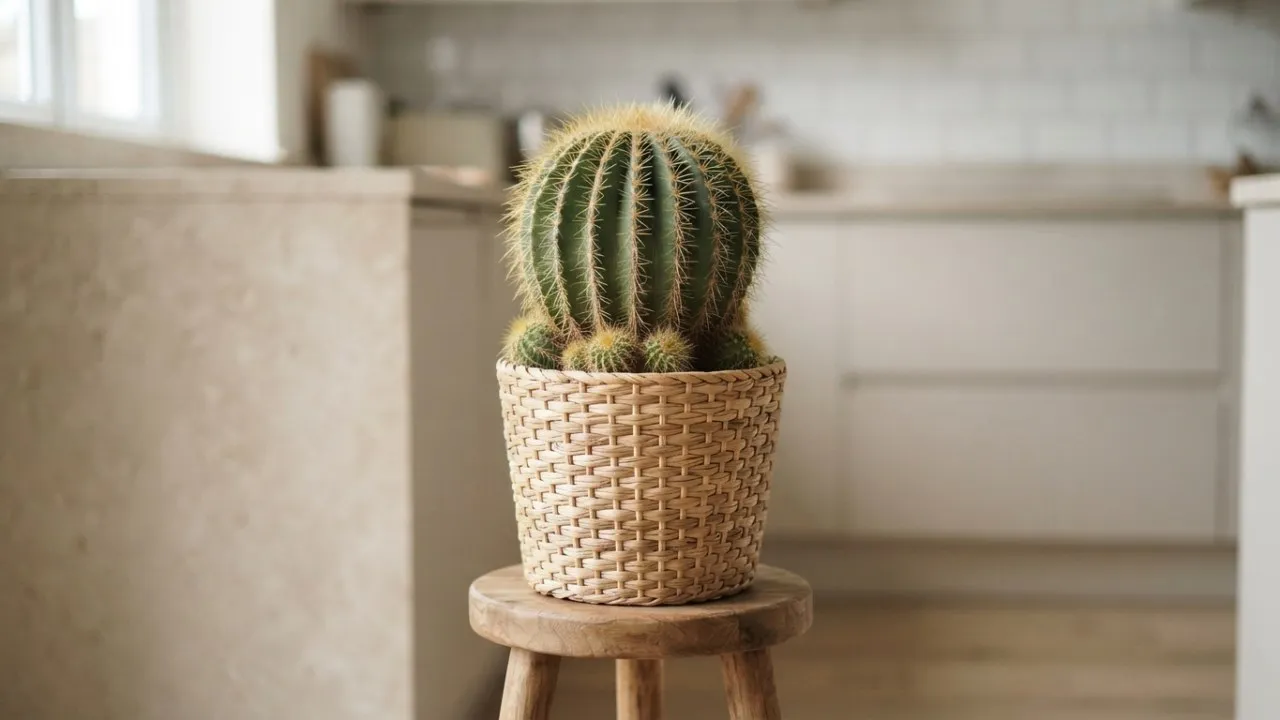 Every 10 days
 Balloon Cactus
Parodia magnifica

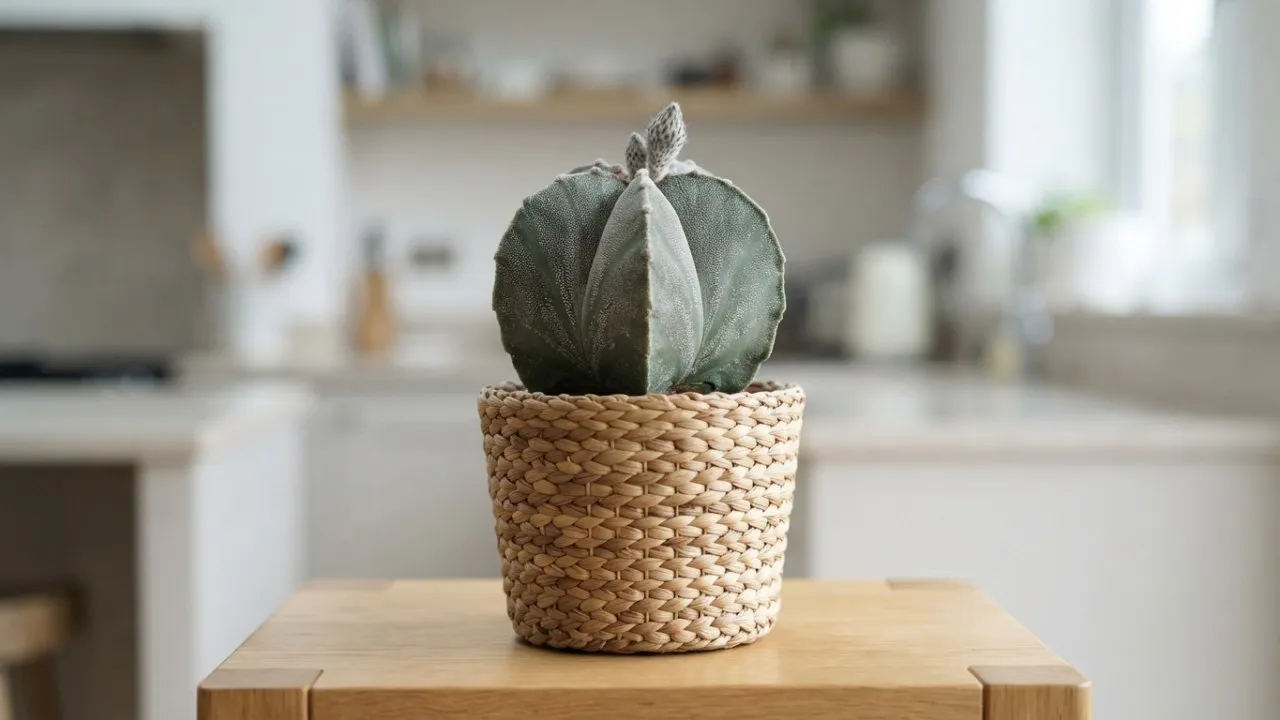 Every 10 days
 Bishop's Cap Cactus
Astrophytum myriostigma
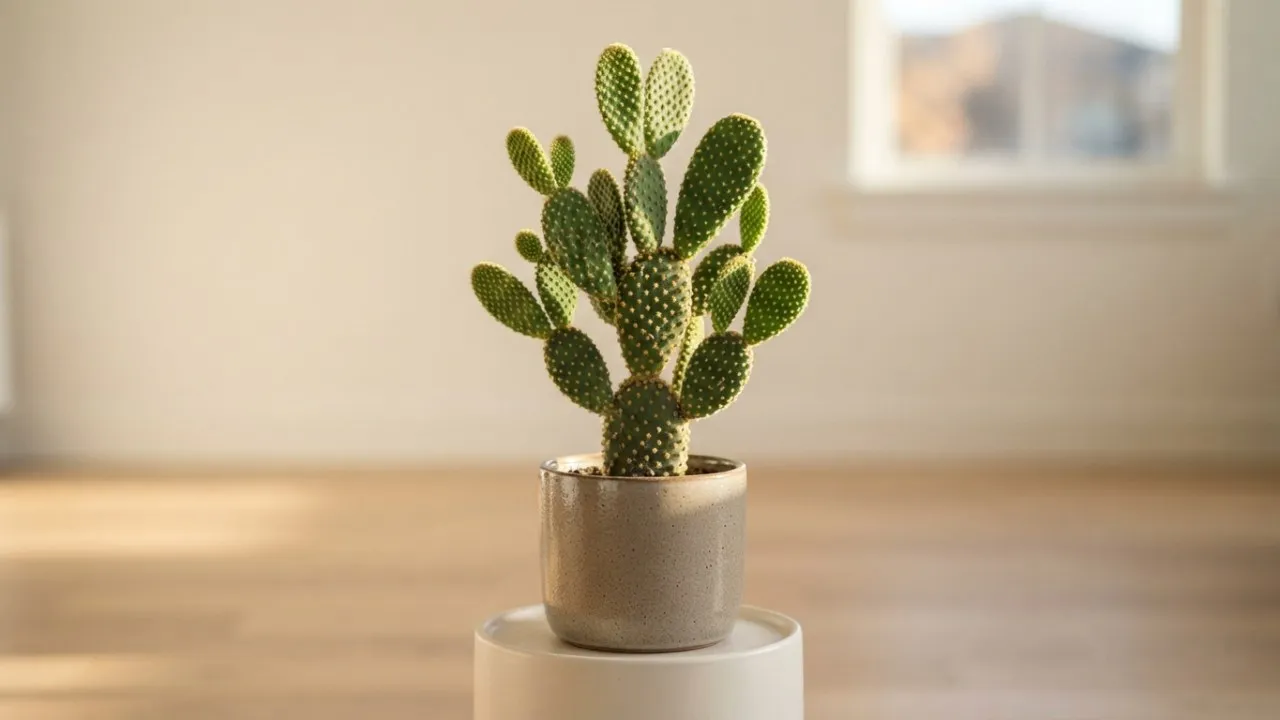 Every 21 days
 Bunny Ears Cactus
Opuntia microdasys
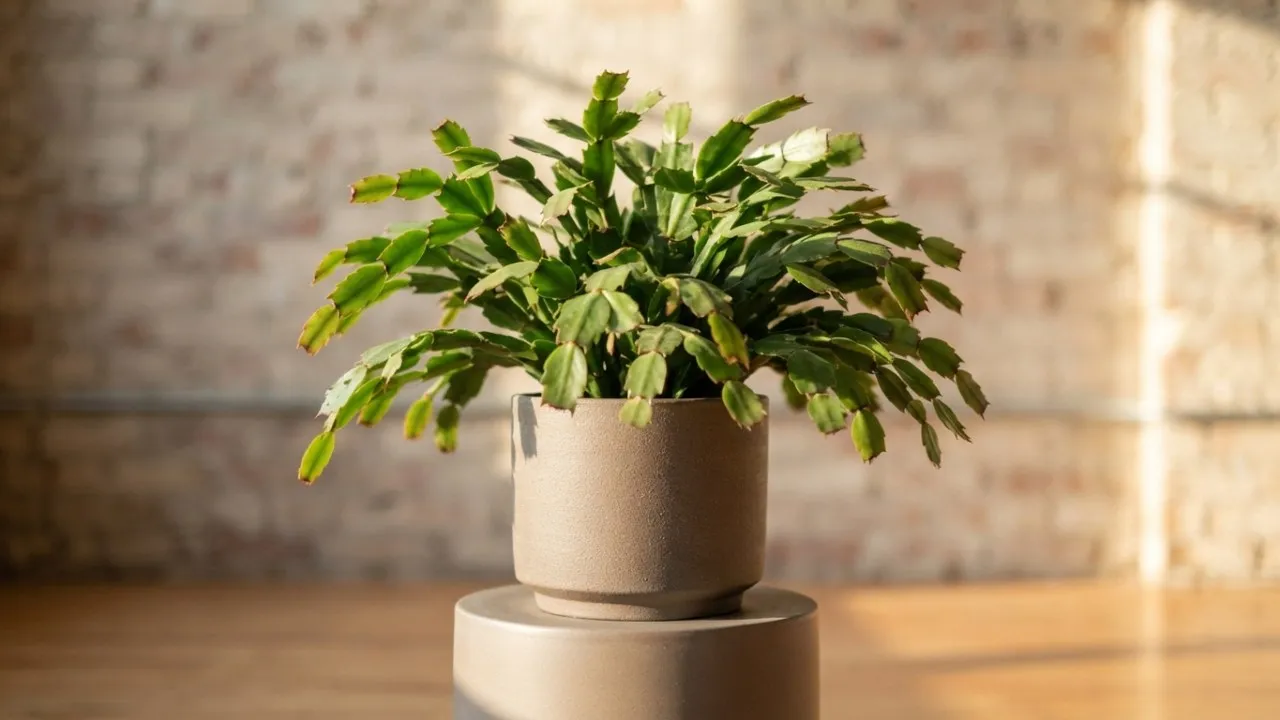 Every 7 days
 Christmas Cactus
Schlumbergera truncata