Guides
 ZZ Plant: the complete guide to Zamioculcas zamiifolia
The plant that survives a month without water and dim light. Everything you need to make a ZZ thrive.
 Plenova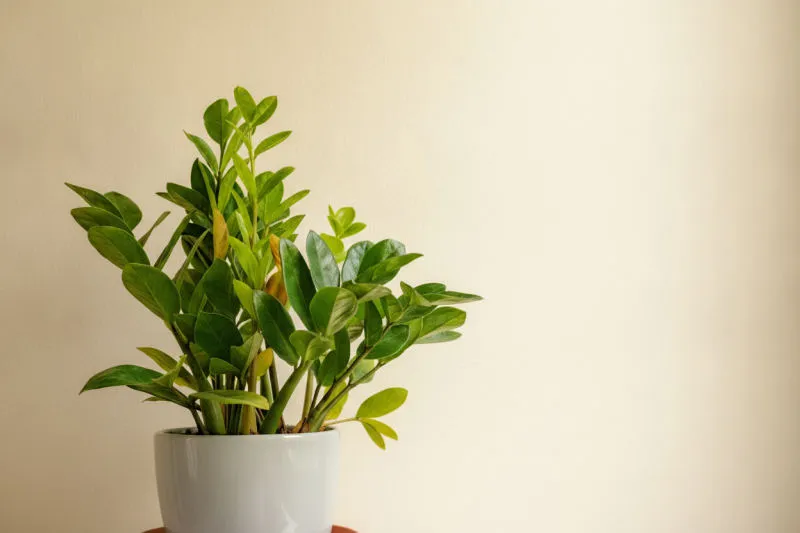
Contents 12
The ZZ Plant, Zamioculcas zamiifolia, is probably the easiest houseplant in the world. It survives a month without water, a dim corner, an extended absence. And it stays beautiful in all those conditions. Here is the deep dive.
What it is
Zamioculcas zamiifolia, nicknamed "ZZ Plant" or "eternity plant", is from the dry forests of Tanzania and Zanzibar. Family Araceae, like Monstera and pothos, but with a totally different lifestyle.
Easy to spot: upright stems carrying glossy oval leaves, almost waxy, dark green. Slow growth, about 6 inches a year in optimal conditions.
Its secret: rhizomes
Underground, the ZZ Plant hides round rhizomes, like small potatoes. They store water and nutrients, letting the plant survive long periods without watering.
Practically, you can be gone 4-6 weeks on vacation with no fear. Not bad for a houseplant.
Varieties to know
Classic ZZ Plant
Glossy dark green, the standard. 24-40 inches tall when mature.
ZZ Raven
New leaves emerge very dark green, almost black, and stay that way. Recent variety, pricier but stunning in contrasted decor.
ZZ Variegata
Leaves variegated green / cream white. Very rare, even slower growth. Highly sought by collectors.
Light
Ideal: medium to bright indirect light.
Tolerates: dim light, artificial light only. One of the rare plants that survives in a windowless hallway.
Avoid: prolonged direct sun. Leaves scorch and yellow.
More light = faster growth. In dim light, the plant survives but barely grows.
Watering
Simple rule: water rarely, no guilt about forgetting.
Rhythm:
- Summer: every 15-20 days.
- Winter: every 30-45 days, sometimes longer.
Method: confirm the substrate is dry 2 inches deep. Soak or pour at the spout, drain.
Fatal mistake: watering frequently. Rhizomes rot quickly in constantly moist substrate.
Substrate and pot
Universal green-plant mix + 30% perlite. Or cactus mix directly.
Pot: terracotta or plastic with a drainage hole. The ZZ likes to be a bit snug. A pot too big holds water and rots roots.
Fertilizer
Once a month from April to September, half-diluted liquid green-plant fertilizer. None in winter.
Propagation
Three methods, ordered by simplicity:
1. Rhizome division
In spring, during a repot. Pull the plant out, identify rhizomes with their own stems and roots, separate gently, replant.
Fastest: the new plant is immediately operational.
2. Stem cutting
Cut an entire stem at the base. Place in a glass of water or directly in moist soil. Patience: 2-4 months for a new rhizome to form.
3. Leaf cutting
Very slow. Detach a leaf (or a stem with a few leaves), plant half-buried. 6-9 months for a new rhizome.
For a beginner: division remains the most reliable method.
Toxicity
The ZZ Plant is toxic to cats, dogs, and humans if ingested. Sap can irritate skin (rare). Place high if pets chew on plants.
The myth that ZZ is "extremely toxic" is exaggerated. Mild oral irritation if ingested, nothing serious.
Common problems
- Soft yellow leaves — Overwatering, rotted rhizomes → Stop watering, check rhizomes, repot
- Drooping stems — Lack of light OR aging → More light
- Crispy brown tips — Very dry air → Tolerable, mist occasionally
- No growth — Lack of light → Move closer to a window
- Falling leaves — Shock or sudden change → Stabilize environment
ZZ Plant in practice
Ideal plant for:
- Dimly lit office: survives fluorescent lights and weekends with no one.
- Travelers: a month with no intervention, no problem.
- Dim room: hallway, windowless bathroom.
- Beginners: no chance of accidentally killing it.
On the other hand, the slow growth can disappoint those who like watching a plant evolve quickly.
With Plenova
Plenova identifies your ZZ plant from a photo and sends it few reminders: widely spaced watering, almost nothing in winter. If the base turns yellow, a photo diagnosis tells you whether water is to blame.
A settled ZZ Plant lives 15-20 years. Probably the best effort-to-reward ratio in the green-plant world.
Found this useful? Pass it on.
 Guides 8 min
  Guides
 June 27, 2026
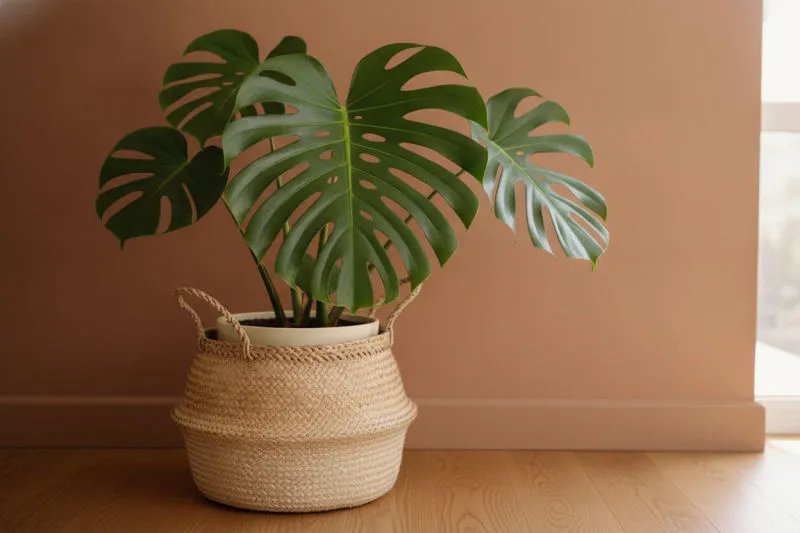
Caring for your Monstera, the guide to those iconic split leaves
Monstera deliciosa is the houseplant of the decade. Light, water, fenestration, aerial roots: here is how to turn yours into a real indoor jungle.
Read the article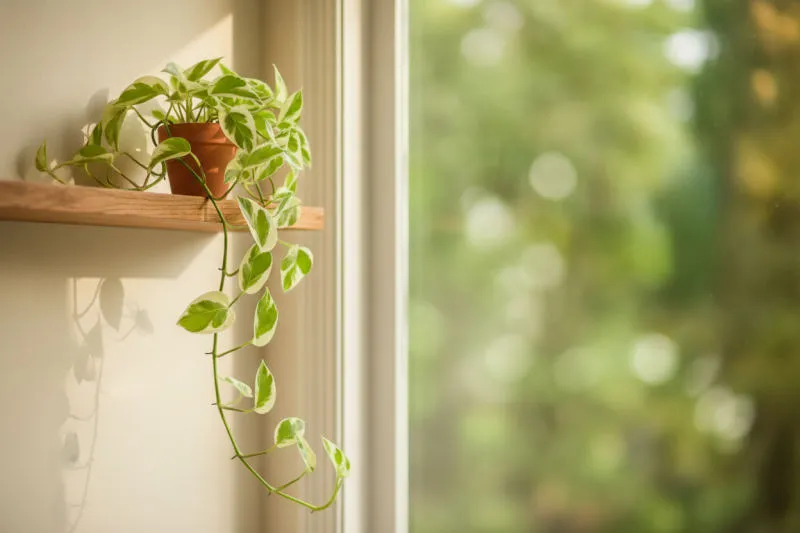 Guides 6 min
 June 26, 2026
Pothos, the complete guide: varieties, care and propagation
Golden, Marble Queen, Neon, N'Joy: everything you need to know about pothos, the most popular houseplant in the world.
Read the article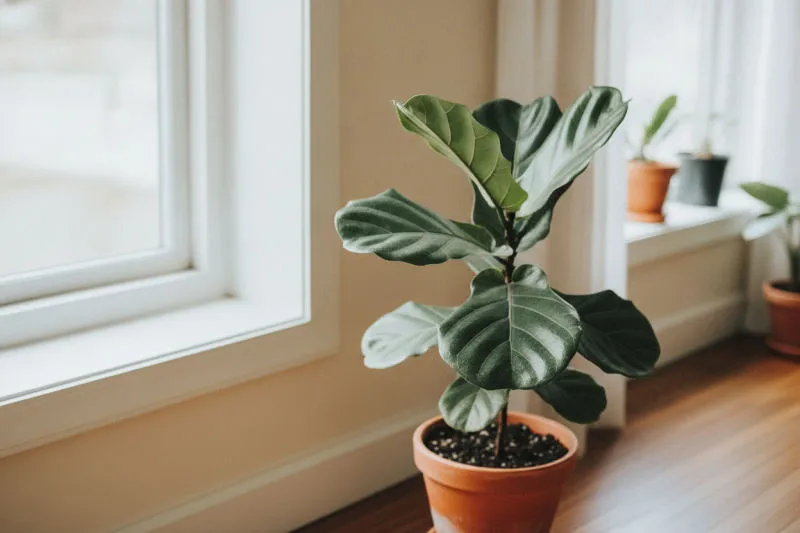 Guides 9 min
 June 25, 2026
Caring for your Ficus, lyrata, benjamina or rubber tree
Ficus is a whole genus, not one plant. Light, water, latex sap, pruning: a guide to figuring out your variety and keeping it beautiful for years.
Read the article