Guides
 Tradescantia: the complete guide to the inch plant
Zebrina, nanouk, fluminensis: how to keep a compact, colorful Tradescantia and propagate endless cuttings.
 Plenova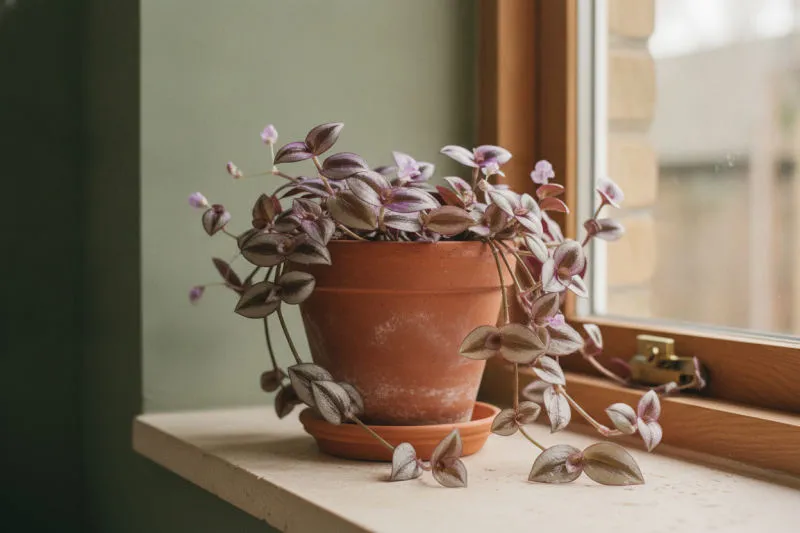
Contents 13
Tradescantia, often called "inch plant" or "spiderwort," is one of the most generous houseplants out there. Fast growth, colorful foliage, propagation in 5 minutes: it does not get more accessible. Here is how to keep it compact and full.
What it is
Genus Tradescantia, about 75 species. Native to the Americas (Canada to Argentina). Family Commelinaceae. Common names: spiderwort, inch plant (it grows roughly an inch a week).
Trailing or sprawling perennial, perfect in a hanging basket or on a shelf.
Common varieties
Tradescantia zebrina (the classic)
The best known. Dark green leaves with silver stripes on top, deep purple underneath. Tough.
Tradescantia fluminensis
Glossy light green leaves, smaller. Variegated cultivars (variegata, tricolor) with pink, white and green.
Tradescantia nanouk (lilac)
Modern hybrid, very popular. Thick fleshy leaves, pink, green and cream variegation. More compact than most.
Tradescantia spathacea (oyster plant)
Quite different: large rosette of long leaves, green on top, purple underneath. Not trailing.
Tradescantia pallida 'Purple Heart'
Solid deep-purple leaves, pink flowers. Excellent outdoors in summer.
Tradescantia sillamontana
Green leaves covered in white fuzzy hair. Rarer.
Light
Ideal: bright indirect light. Key for variegation and color.
Tolerates: medium indirect light. Colors fade, leaves go greener.
Avoid: dim spots. The plant gets leggy, loses color, becomes thin and sparse.
Soft direct morning sun: yes, intensifies the purples. Hot summer afternoon sun: avoid in peak hours.
If your Tradescantia loses color and develops long bare stems between leaves, that is a light problem.
Watering
Semi tolerant to drought but enjoys regular watering during growth.
Rhythm:
- Summer: every 5-7 days.
- Winter: every 10-14 days.
Method: water when the top inch of substrate is dry. Water generously until it drains, empty the saucer.
Symptoms:
- Soft wilted leaves: thirsty (recovers fast).
- Black stem at the base: too much water, rot starting.
Substrate
Standard, not picky. Regular green-plant mix with a bit of perlite is enough. Decent drainage is all you need.
Pot
Pot with drainage. Not too big: Tradescantia prefers a snug fit over swimming in soil.
Repot every 1-2 years, more often if growth is fast.
Fertilizer
Monthly from April to September, balanced foliage fertilizer at half strength. None in winter.
How to keep it compact (the trick)
Tradescantia has one flaw: it stretches and goes "bald" at the base, with all the leaves clustered at the tips. To avoid this:
- Pinch the tips regularly: cut the last 1-2 inches of each stem every 2-3 weeks during growth. The plant branches.
- Propagate the cut tips: replant them in the same pot to thicken the base.
- Rotate the plant a quarter turn each week for even growth.
- Bright light: without it, no pruning will save the plant.
A well-managed Tradescantia doubles in volume in one season.
Propagation (the easiest)
Probably the easiest plant to propagate. Near 100% success.
Method 1: water
- Cut a 4-inch stem with 3-4 nodes.
- Strip lower leaves.
- Place in a glass of water.
- Roots in 5-7 days.
- Pot up when roots are about an inch.
Method 2: straight to soil
- Cut the stem.
- Plant directly in moist soil.
- Keep moist for 2 weeks.
- Rooting nearly guaranteed.
Method 3: add to the existing pot
- Replant cuttings into the same pot to thicken it. Pro tip.
Toxicity
Tradescantia is mildly toxic to cats and dogs. Sap can cause skin dermatitis. Ingestion causes mouth irritation, possible vomiting.
For humans: irritating sap, not dangerous. Wash hands after taking cuttings if you have sensitive skin.
Common problems
- Long thin plant — Lack of light → More light, pinch
- Dull colors — Lack of light → Bright indirect light
- Bare base — No pinching → Pinch + propagate
- Brown leaf tips — Dry air → Mist
- Black stems — Overwatering → Cut back watering
- Slow growth — Dim light or no fert → Light + feed
A perfect plant to gift
Cuttings are so easy that Tradescantia is the ideal gift. One cut stem, a glass of water, and two weeks later your friend has their own plant. Few houseplants pass on so effortlessly as a "living" gift.
With Plenova
Plenova identifies your Tradescantia from a photo (zebrina, pallida…) and reminds you to trim it in the right season so it stays bushy. Your cuttings are added as new plants, each with its history.
A plant that gives you 50 cuttings a year and asks for almost nothing. The effort-to-joy ratio is unmatched.
Found this useful? Pass it on.
 Guides 8 min
  Guides
 June 27, 2026
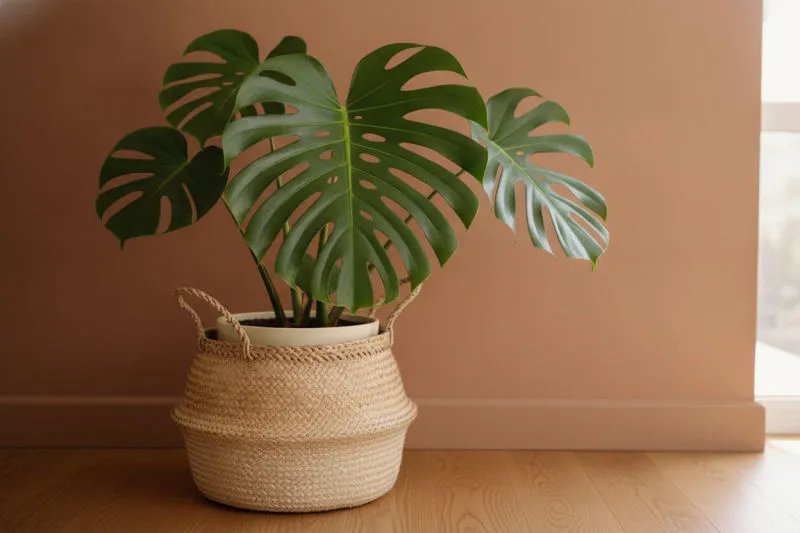
Caring for your Monstera, the guide to those iconic split leaves
Monstera deliciosa is the houseplant of the decade. Light, water, fenestration, aerial roots: here is how to turn yours into a real indoor jungle.
Read the article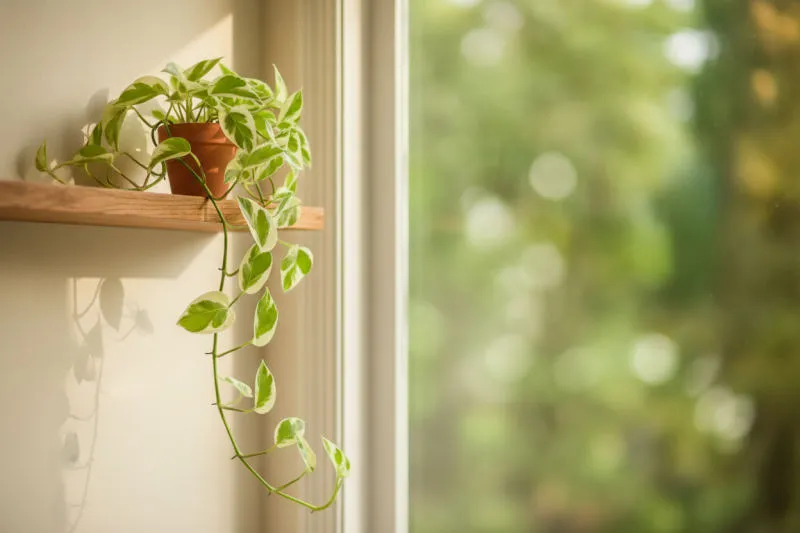 Guides 6 min
 June 26, 2026
Pothos, the complete guide: varieties, care and propagation
Golden, Marble Queen, Neon, N'Joy: everything you need to know about pothos, the most popular houseplant in the world.
Read the article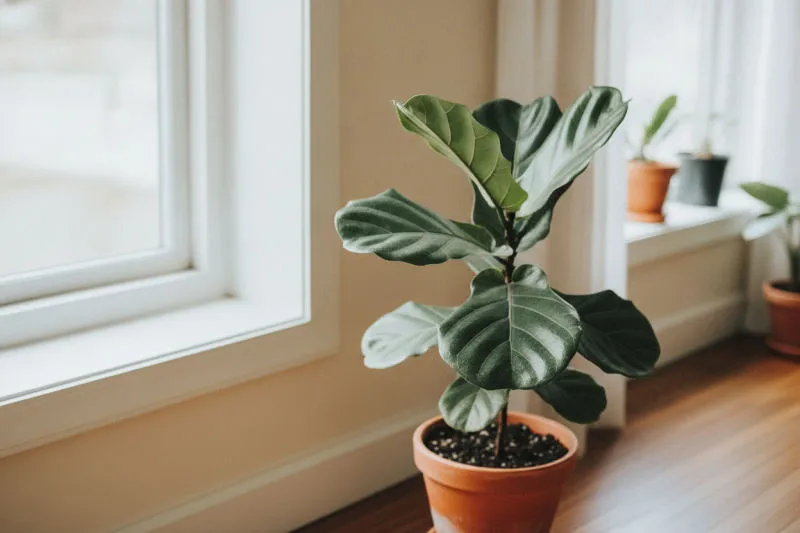 Guides 9 min
 June 25, 2026
Caring for your Ficus, lyrata, benjamina or rubber tree
Ficus is a whole genus, not one plant. Light, water, latex sap, pruning: a guide to figuring out your variety and keeping it beautiful for years.
Read the article