
Annual · Solanaceae
Tomato
Solanum lycopersicum
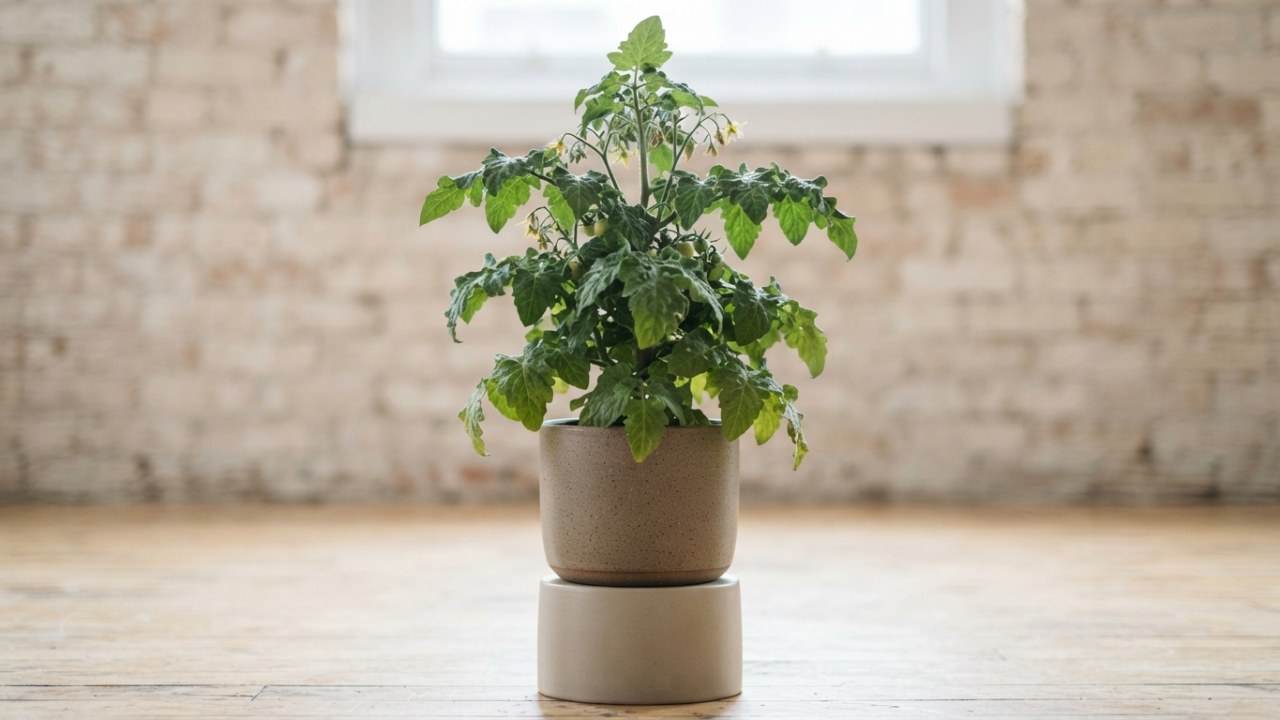
The tomato is a widely cultivated annual plant known for its edible, often red, fruit.
- Every 2 daysWatering
- Full sunLight
- 50–70 %Humidity
- 18–28 °CTemperature


How to care for your Tomato
Everything you need to keep your Tomato healthy: watering, light, humidity, feeding, repotting and pruning.
Solanum lycopersicum, commonly known as the tomato, is a warm-season annual plant grown for its delicious and versatile fruits. Originating from the Andes region of South America, it requires ample sunlight and consistent warmth to thrive. It is not frost hardy: plant it out after the last frost, and the first autumn frosts end its season. Tomatoes are typically grown outdoors in gardens or large containers, producing clusters of small yellow flowers that develop into fruits. Proper care, including regular watering, fertilizing, and pruning, is essential for a bountiful harvest. While the ripe fruit is safe and nutritious, the leaves and stems contain toxic compounds.

How to recognise Tomato
A sprawling, hairy, strongly scented plant with deeply cut, compound leaves of toothed leaflets, and clusters of small yellow star-shaped flowers that become round green then red fruits. It looks like the potato (Solanum tuberosum), whose leaflets are less deeply cut, whose flowers are white to lilac and which forms tubers, and like the eggplant (Solanum melongena), which has large, simple, lobed leaves and violet flowers.

Watering your Tomato
Every 2 days
Water deeply and consistently at the base of the plant, about every 2 days during the season (more often in heat), keeping the soil moist but never waterlogged, especially during flowering and fruiting.
How to know it needs water
- Top 2-3 cm of soil feels dry
- Leaves show slight wilting in the afternoon
- Pot feels noticeably lighter

How much light a Tomato needs
Full sun
At least 6 to 8 hours of direct sunlight daily for optimal growth and fruit production.
- Direct sun tolerated
- 6 to 12 h a day
- Orientations that suit it
- South, South-east, South-west

Humidity and misting
50–70 %
Medium (50 to 70 %) Avoid misting foliage, as this can encourage fungal diseases. Focus on watering the soil directly.

Feeding and fertiliser
Every 10 days
Apply about every 10 days from June to September, once the plants are established and flowering. Reduce if growth is excessive or leaves are too dark green.
- Recommended feed
- Balanced NPK liquid fertilizer, shifting to higher potassium during fruiting. · 5-10-10

Repotting your Tomato
Repot seedlings into progressively larger containers as they grow, using a rich, well-draining organic potting mix. Final pot size should be at least 20 to 30 liters for indeterminate varieties. As an annual, it is not repotted again once in its final container.
- When
- Spring
- Potting mix
- All-purpose potting mix
- Mix in
- perlite, vermiculite
The tell-tale signs
- Roots emerging from drainage holes
- Plant appears stunted despite adequate care
- Soil dries out very quickly after watering

Pruning your Tomato
Throughout the growing season, especially before flowering and during fruit development. Remove lower yellowing leaves, suckers (side shoots) that emerge between the main stem and leaf branches, and any diseased or damaged foliage. Use clean, sharp pruners.

Through the year
Watering is not set once and for all: it follows the light and the growth. Allow 3 days between waterings in the depth of winter, against 1 in the growing season.
- 3 J
- 3 F
- 2 M
- 2 A
- 2 M
- 1 J
- 1 J
- 1 A
- 2 S
- 2 O
- 2 N
- 3 D
Active growth · Days between waterings

Toxicity
Leaves, stems and green fruit contain solanine and tomatine and should not be eaten; they are toxic to dogs and cats, causing gastrointestinal upset and neurological symptoms if ingested in large quantities. Keep pets away from the plants. The ripe fruit is edible and safe.

Good to know
- Botanically, the tomato is a fruit (a berry), although it is used as a vegetable in the kitchen.
- Wild tomatoes come from western South America, and the plant was domesticated in Mesoamerica before reaching Europe in the 16th century.
- It contains lycopene, the red pigment, which is an antioxidant.

Frequently asked questions about the Tomato
How do you care for a Tomato?
Water it every 2 days. Give it full sun. Ideal humidity: 50–70 %. Ideal temperature: 18–28 °C. Water deeply and consistently at the base of the plant, about every 2 days during the season (more often in heat), keeping the soil moist but never waterlogged, especially during flowering and fruiting.
How often should you water a Tomato?
Every 2 days Water deeply and consistently at the base of the plant, about every 2 days during the season (more often in heat), keeping the soil moist but never waterlogged, especially during flowering and fruiting. How to know it needs water : Top 2-3 cm of soil feels dry ; Leaves show slight wilting in the afternoon ; Pot feels noticeably lighter.
How much light does a Tomato need?
Full sun At least 6 to 8 hours of direct sunlight daily for optimal growth and fruit production. 6 to 12 h a day
Is the Tomato toxic to cats and dogs?
Yes. Leaves, stems and green fruit contain solanine and tomatine and should not be eaten; they are toxic to dogs and cats, causing gastrointestinal upset and neurological symptoms if ingested in large quantities. Keep pets away from the plants. The ripe fruit is edible and safe. Keep it out of reach of your pets and call a vet if any is swallowed.
Why are my Tomato leaves turning yellow?
Yellowing most often comes from too much water: the mix stays wet and the roots suffocate. Check that the pot drains, empty the saucer, and let the mix dry before watering again. Too little light or a cold draught cause the same symptom.
When should you repot a Tomato?
Repot , ideally in spring. Repot seedlings into progressively larger containers as they grow, using a rich, well-draining organic potting mix. Final pot size should be at least 20 to 30 liters for indeterminate varieties. As an annual, it is not repotted again once in its final container.

At a glance
- Family
- Solanaceae
- Category
- Annual
- Placement
- Outdoor
- Mature height
- 1.5 m
- Growth
- Fast
- Temperature
- 18–28 °C
- Pot materials
- terracotta, plastic, fabric
- Growth
- Reaches maturity in 1 years
These figures are for an average plant. In the app they are recalculated for yours, based on your room, its orientation and the season.
And for your plant, in your home?
In the app this plant becomes yours: a watering schedule tuned to your home, health tracking from photos, and reminders at the right moment.
In the same spirit
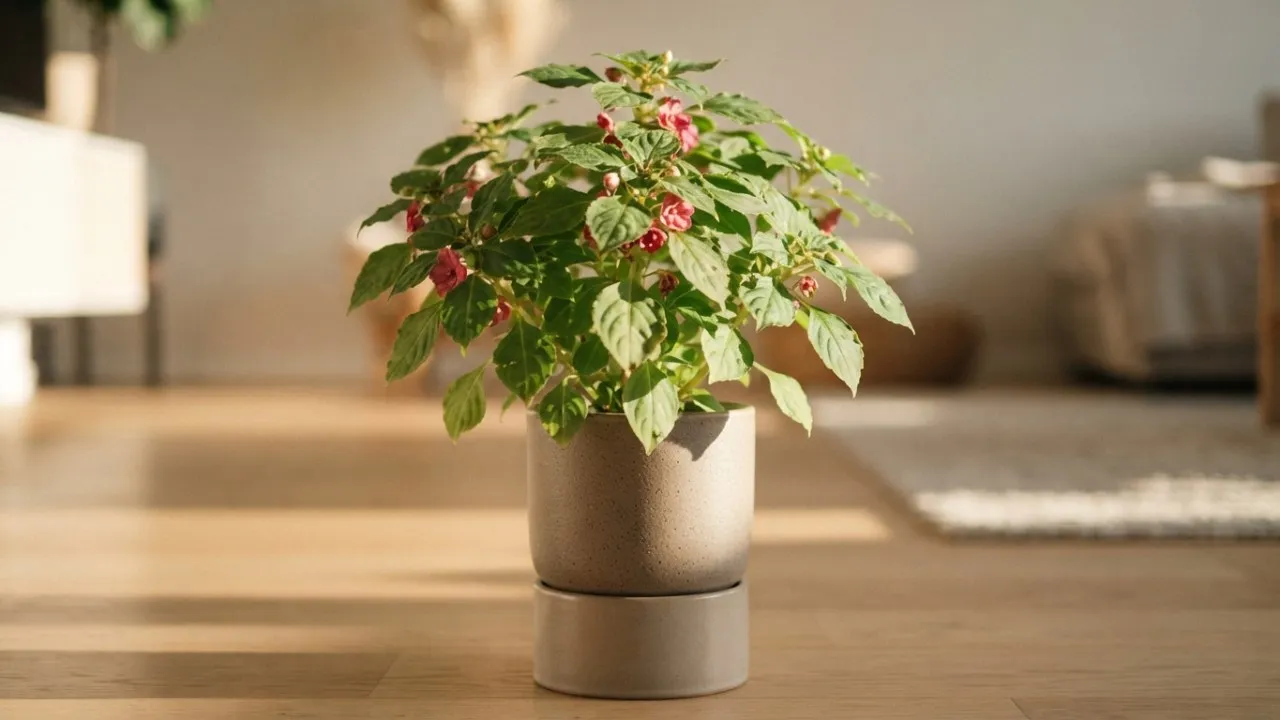 Every 2 days


Busy Lizzie
Impatiens walleriana

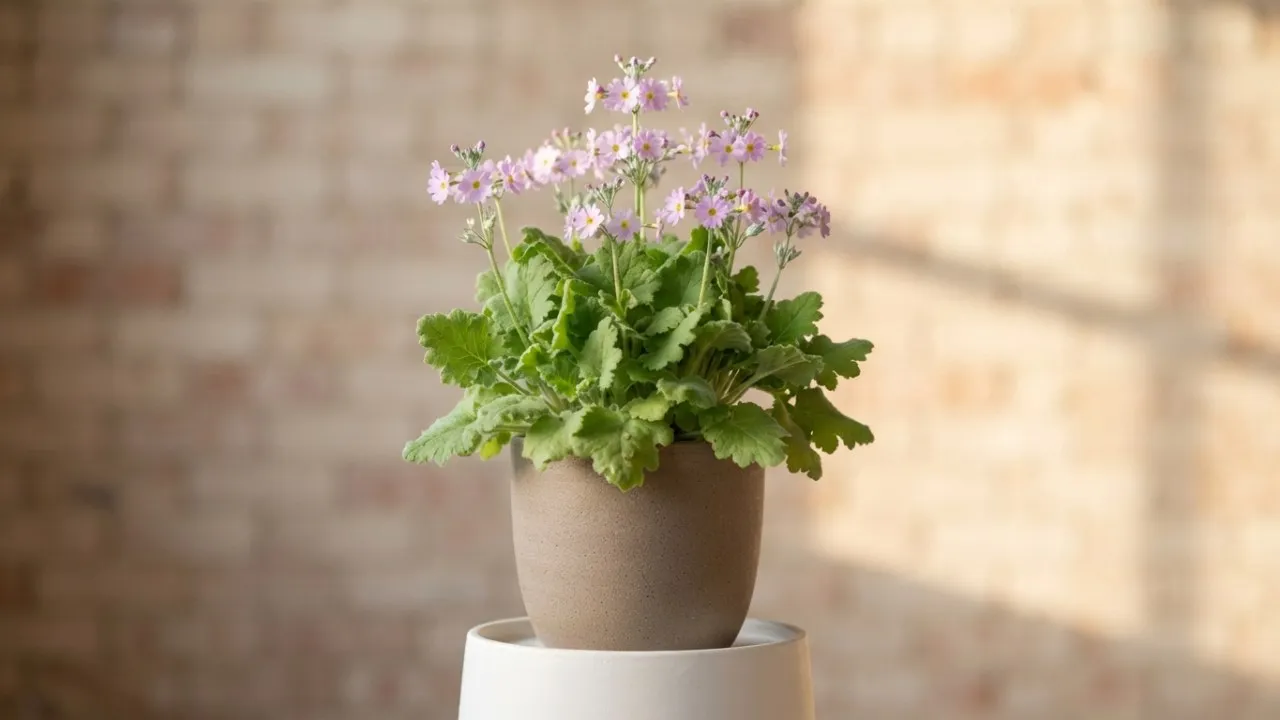 Every 3 days
Fairy Primrose
Primula malacoides
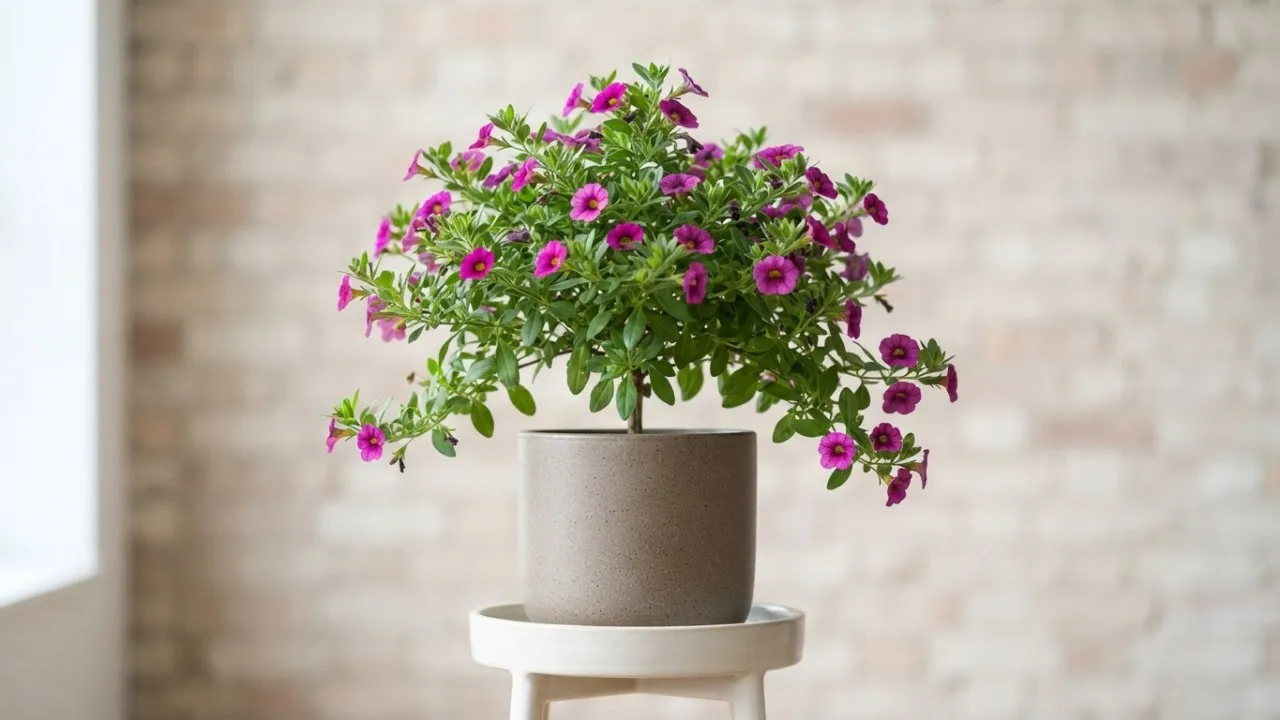 Every 2 days
Million Bells
Calibrachoa hybrida
 Every 3 days
New Guinea Impatiens
Impatiens hawkeri
