
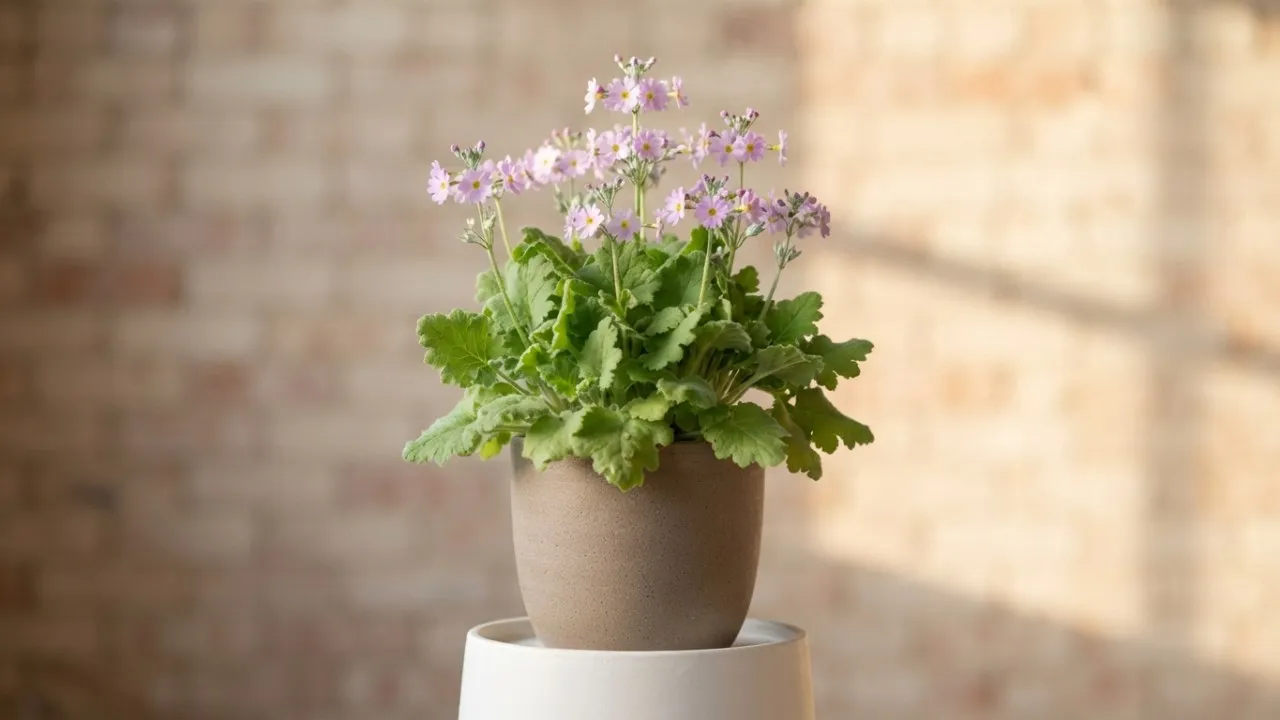
Fairy Primrose
Primula malacoides
Fairy Primrose is a delicate annual prized for its tiered clusters of small, colorful flowers atop slender stems.
The essentials at a glance
-
Watering
Every 3 days
-
Light
Bright indirect light
-
Humidity
50–70 %
-
Temperature
10–20 °C


How to care for your Fairy Primrose
Everything you need to keep your Fairy Primrose healthy: watering, light, humidity, feeding, repotting and pruning.
Primula malacoides, known as Fairy Primrose, is an enchanting annual or short-lived perennial that brings airy beauty to cool-season gardens and indoor displays. It produces multiple whorls of small, delicate flowers in shades of pink, white, lavender, and purple, arranged on slender stems above rosettes of crinkled leaves. Thriving in partial shade and consistently moist, well-draining soil, it is a favorite for containers, window boxes, and mass plantings in beds. Its graceful appearance and abundant blooms provide cheerful color from late winter through spring, making it a popular choice for early season decoration.

Watering your Fairy Primrose
Every 3 days
Keep soil consistently moist; avoid overhead watering to prevent leaf spot.
How to know it needs water
- Top inch of soil dry
- Leaves losing turgidity

How much light a Fairy Primrose needs
Bright indirect light
Partial shade
- Direct sun tolerated
- 0 to 2 h a day
- Orientations that suit it
- North, North-east, East, South-east, South, South-west, West, North-west

Humidity and misting
50–70 %
Moderate Not needed; can encourage fungal diseases on foliage.

Feeding and fertiliser
Every 14 days
Fertilize every two weeks during the blooming period, at half strength.
- Recommended feed
- Balanced liquid fertilizer (diluted) · 5-10-5

Repotting your Fairy Primrose
Every 12 months
Usually grown as a bedding annual; no repotting needed.
- When
- Not applicable — grown as an annual.
- Potting mix
- All-purpose potting mix
- Mix in
- perlite, coco fibre
The tell-tale signs
- Roots visible at drainage holes
- Slowed growth despite good care

Pruning your Fairy Primrose
Deadhead regularly Remove spent flower stalks at the base to encourage more blooms.

Through the year
Watering is not set once and for all: it follows the light and the growth. Allow 4 days between waterings in the depth of winter, against 2 in the growing season.
- 3 J
- 2 F
- 2 M
- 2 A
- 2 M
- 4 J
- 4 J
- 4 A
- 3 S
- 2 O
- 2 N
- 3 D
Active growth · Days between waterings

Toxicity
Contains primin, which can cause skin irritation (dermatitis) in sensitive individuals. Ingestion by pets can lead to mild gastrointestinal upset.

Good to know
- Native to the Yunnan and Sichuan provinces of China.
- Often grown as a cool-season annual in temperate climates for early spring color.

Frequently asked questions about the Fairy Primrose
How do you care for a Fairy Primrose?
Water it every 3 days. Give it bright indirect light. Ideal humidity: 50–70 %. Ideal temperature: 10–20 °C. Keep soil consistently moist; avoid overhead watering to prevent leaf spot.
How often should you water a Fairy Primrose?
Every 3 days Keep soil consistently moist; avoid overhead watering to prevent leaf spot. How to know it needs water : Top inch of soil dry ; Leaves losing turgidity.
How much light does a Fairy Primrose need?
Bright indirect light Partial shade 0 to 2 h a day
Is the Fairy Primrose toxic to cats and dogs?
Yes. Contains primin, which can cause skin irritation (dermatitis) in sensitive individuals. Ingestion by pets can lead to mild gastrointestinal upset. Keep it out of reach of your pets and call a vet if any is swallowed.
Why are my Fairy Primrose leaves turning yellow?
Yellowing most often comes from too much water: the mix stays wet and the roots suffocate. Check that the pot drains, empty the saucer, and let the mix dry before watering again. Too little light or a cold draught cause the same symptom.
When should you repot a Fairy Primrose?
Repot every 12 months, ideally in not applicable — grown as an annual.. Usually grown as a bedding annual; no repotting needed.

At a glance
- Family
- Primulaceae
- Category
- Annual
- Placement
- Outdoor
- Mature height
- 30 cm
- Growth
- Fast
- Temperature
- 10–20 °C
- Pot materials
- terracotta, ceramic, plastic
- Growth
- Reaches maturity in 1 years
These figures are for an average plant. In the app they are recalculated for yours, based on your room, its orientation and the season.
And for your plant, in your home?
In the app this plant becomes yours: a watering schedule tuned to your home, health tracking from photos, and reminders at the right moment.
In the same spirit
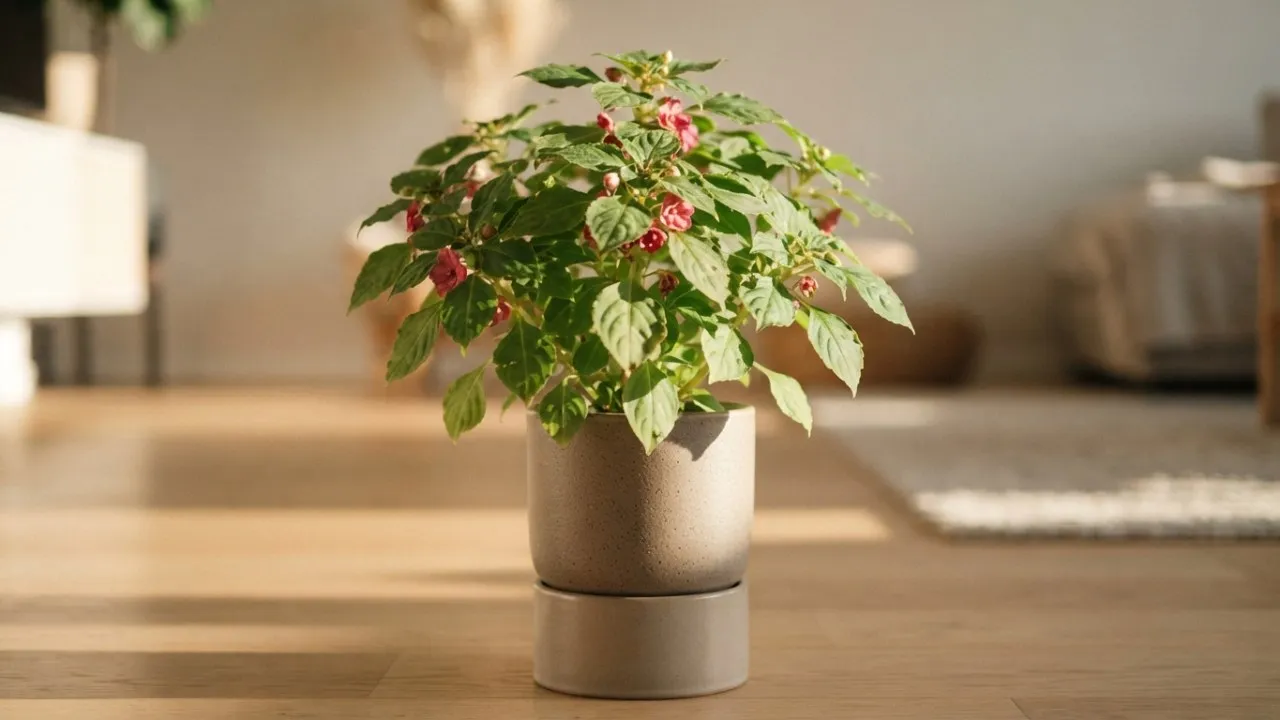 Every day
 Busy Lizzie
Impatiens walleriana

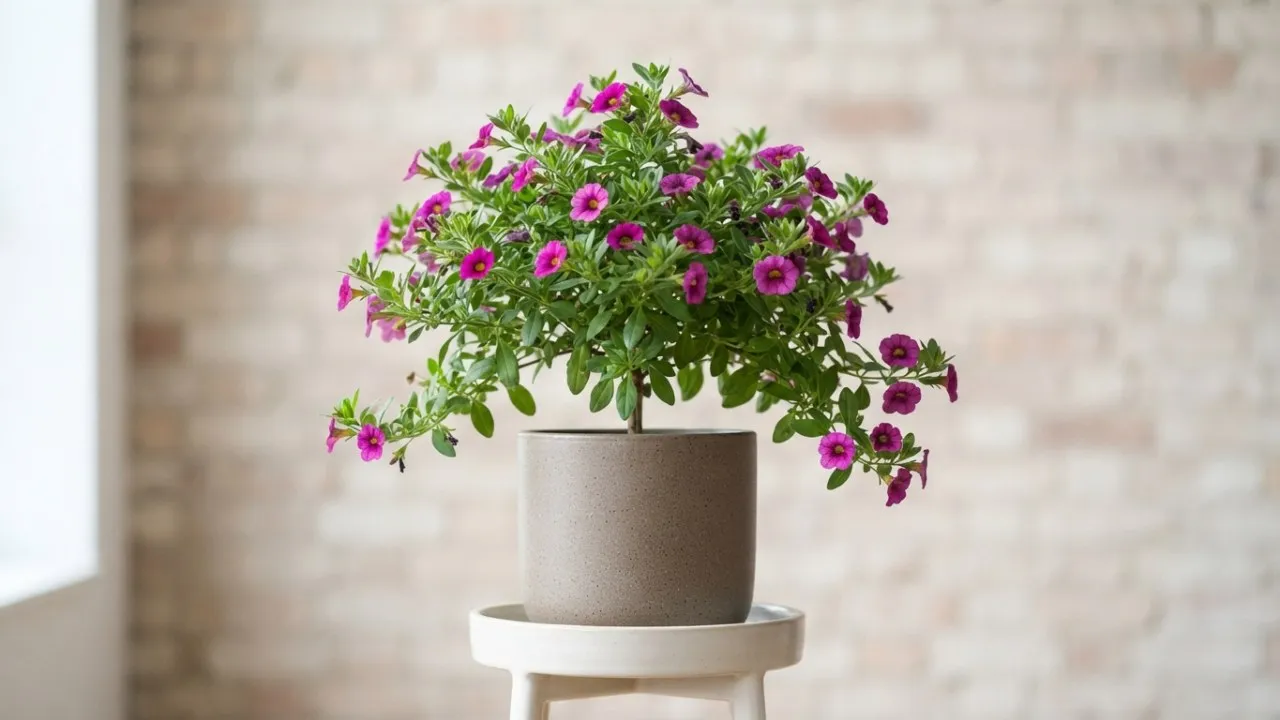 Every day
 Million Bells
Calibrachoa hybrida
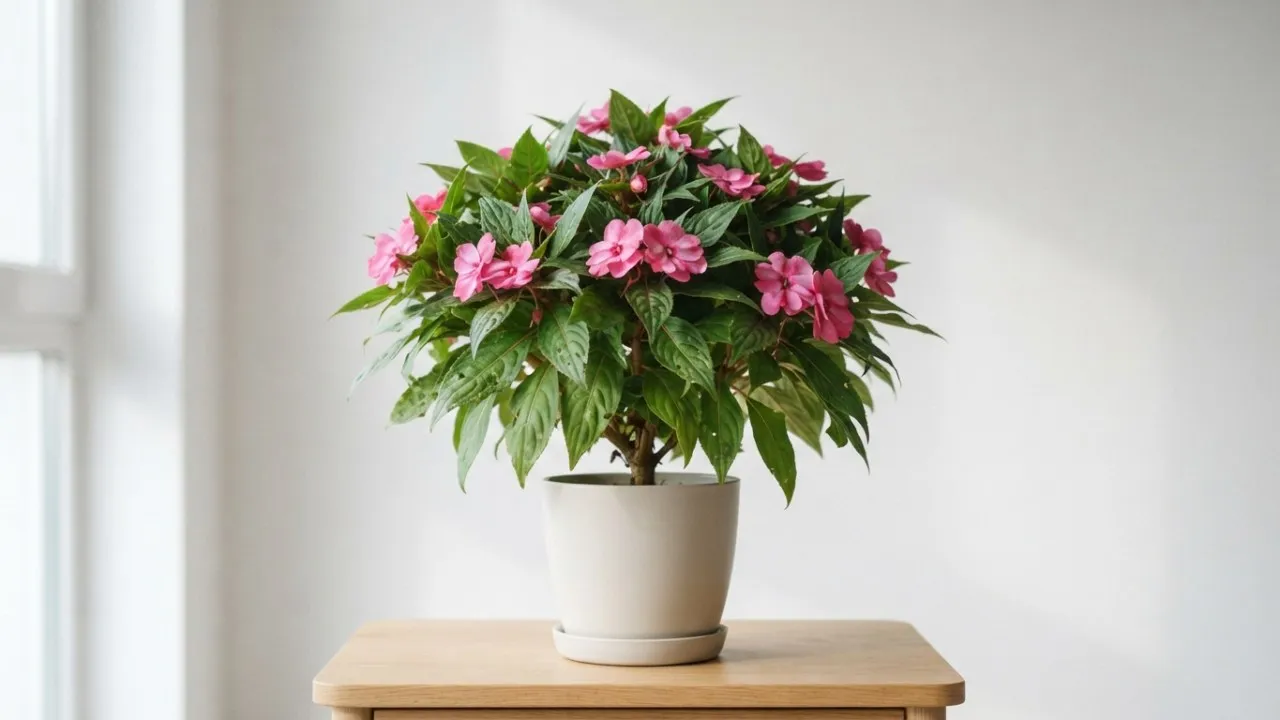 Every 2 days
 New Guinea Impatiens
Impatiens hawkeri
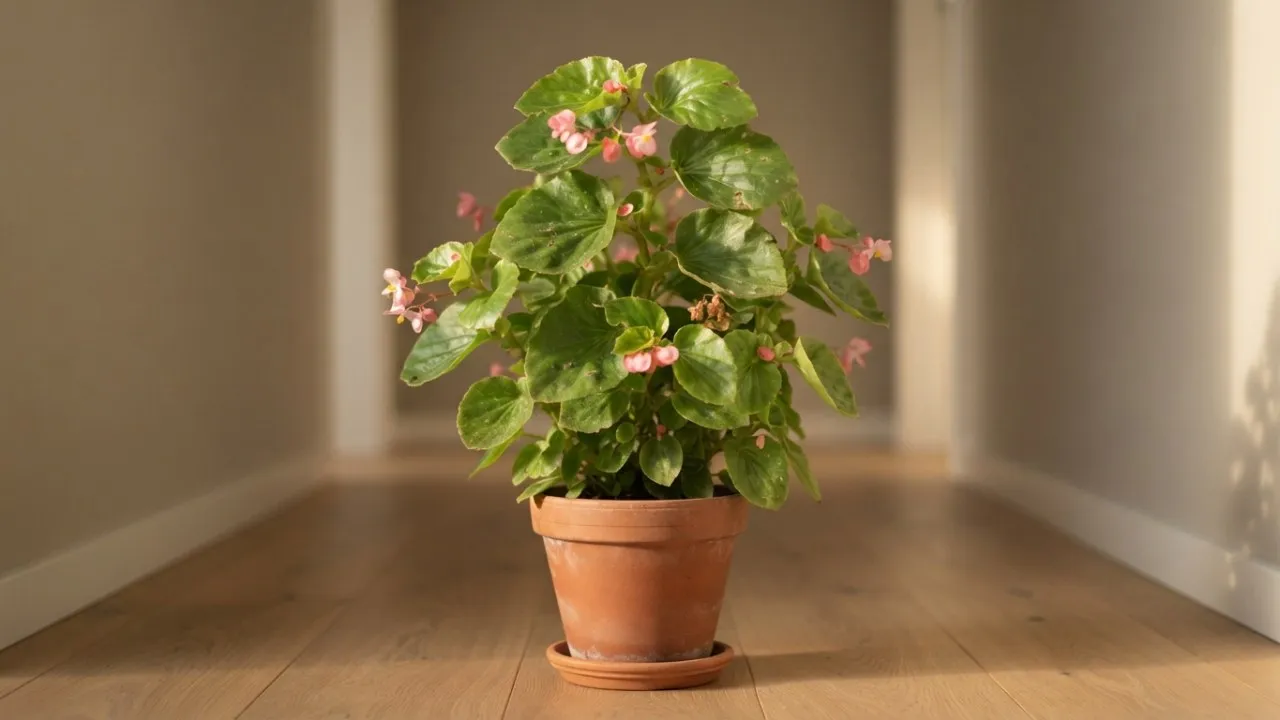 Every 3 days
 Wax Begonia
Begonia semperflorens