
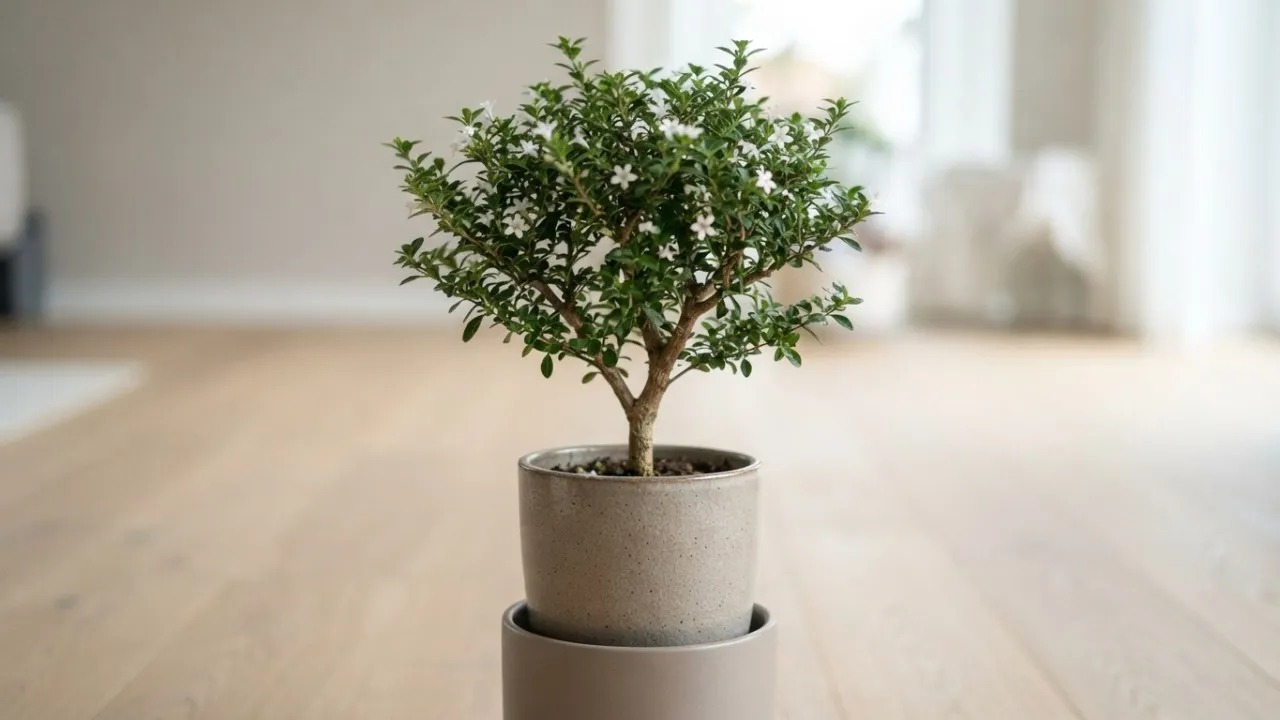
Snow Rose
Serissa foetida
A delicate flowering shrub, popular for bonsai, featuring tiny white blooms and small, glossy leaves.
The essentials at a glance
-
Watering
Every day
-
Light
Bright indirect light
-
Humidity
60–80 %
-
Temperature
10–28 °C


How to care for your Snow Rose
Everything you need to keep your Snow Rose healthy: watering, light, humidity, feeding, repotting and pruning.
Serissa foetida is a beautiful but notoriously finicky plant, often grown as a bonsai. It demands consistent conditions: bright, indirect light, high humidity, and perpetually moist (but not soggy) soil. Any sudden change can lead to severe leaf drop. However, with attentive care, it rewards growers with a profusion of tiny, star-like white flowers and an elegant, woody form, making it a challenging but rewarding specimen.

Watering your Snow Rose
Every day
Water thoroughly when the surface of the soil just begins to dry, keeping consistently moist but not soggy.
How to know it needs water
- Top soil layer feels barely damp
- Leaves start to wilt quickly

How much light a Snow Rose needs
Bright indirect light
Bright, indirect light to partial sun. Needs consistent light.
- Direct sun tolerated
- 2 to 4 h a day
- Orientations that suit it
- East, South-east, South, South-west, West, North-west, North

Humidity and misting
60–80 %
High (60%+) Requires very frequent misting or a humidity tray to prevent leaf drop and thrive indoors.

Feeding and fertiliser
Every 14 days
Fertilize every 2-4 weeks during spring/summer; reduce in winter.
- Recommended feed
- Balanced liquid bonsai fertilizer, diluted. · 5-10-5

Repotting your Snow Rose
Every 12 months
Gently remove, prune roots, refresh soil, repot in same or slightly larger pot.
- When
- Spring
- Potting mix
- Bonsai mix
- Mix in
- pumice, pine bark, coarse sand
The tell-tale signs
- Roots filling the pot
- Water drains very quickly

Pruning your Snow Rose
Continually to maintain shape and encourage flowering. Pinch new growth; trim branches to shape; defoliate partially for bonsai to refine form.

Through the year
Watering is not set once and for all: it follows the light and the growth. Allow 2 days between waterings in the depth of winter, against 1 in the growing season.
- 2 J
- 1 F
- 1 M
- 1 A
- 1 M
- 1 J
- 1 J
- 1 A
- 1 S
- 1 O
- 1 N
- 2 D
Active growth · Days between waterings

Good to know
- Its tiny white flowers resemble miniature roses.
- Called 'Tree of a Thousand Stars' when in full bloom, for its profusion of small flowers.

Frequently asked questions about the Snow Rose
How do you care for a Snow Rose?
Water it every day. Give it bright indirect light. Ideal humidity: 60–80 %. Ideal temperature: 10–28 °C. Water thoroughly when the surface of the soil just begins to dry, keeping consistently moist but not soggy.
How often should you water a Snow Rose?
Every day Water thoroughly when the surface of the soil just begins to dry, keeping consistently moist but not soggy. How to know it needs water : Top soil layer feels barely damp ; Leaves start to wilt quickly.
How much light does a Snow Rose need?
Bright indirect light Bright, indirect light to partial sun. Needs consistent light. 2 to 4 h a day
Is the Snow Rose toxic to cats and dogs?
No, the Snow Rose is not listed as toxic to cats and dogs. That is still no reason to let your pets chew on it.
Why are my Snow Rose leaves turning yellow?
Yellowing most often comes from too much water: the mix stays wet and the roots suffocate. Check that the pot drains, empty the saucer, and let the mix dry before watering again. Too little light or a cold draught cause the same symptom.
When should you repot a Snow Rose?
Repot every 12 months, ideally in spring. Gently remove, prune roots, refresh soil, repot in same or slightly larger pot.

At a glance
- Family
- Rubiaceae
- Category
- Bonsai
- Placement
- Indoor and outdoor
- Mature height
- 60 cm
- Growth
- Moderate
- Temperature
- 10–28 °C
- Pot materials
- ceramic, terracotta
- Growth
- Reaches maturity in 10 years
These figures are for an average plant. In the app they are recalculated for yours, based on your room, its orientation and the season.
And for your plant, in your home?
In the app this plant becomes yours: a watering schedule tuned to your home, health tracking from photos, and reminders at the right moment.
In the same spirit
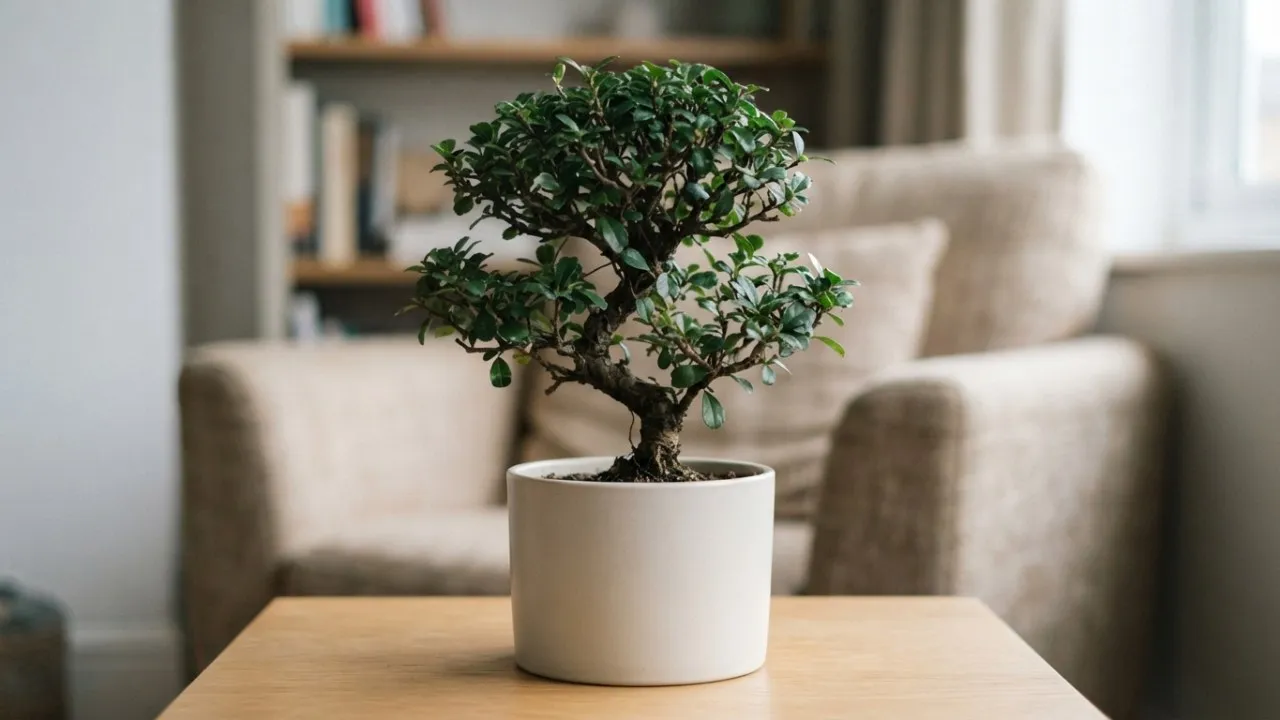 Every day
 Fukien Tea Tree
Carmona retusa

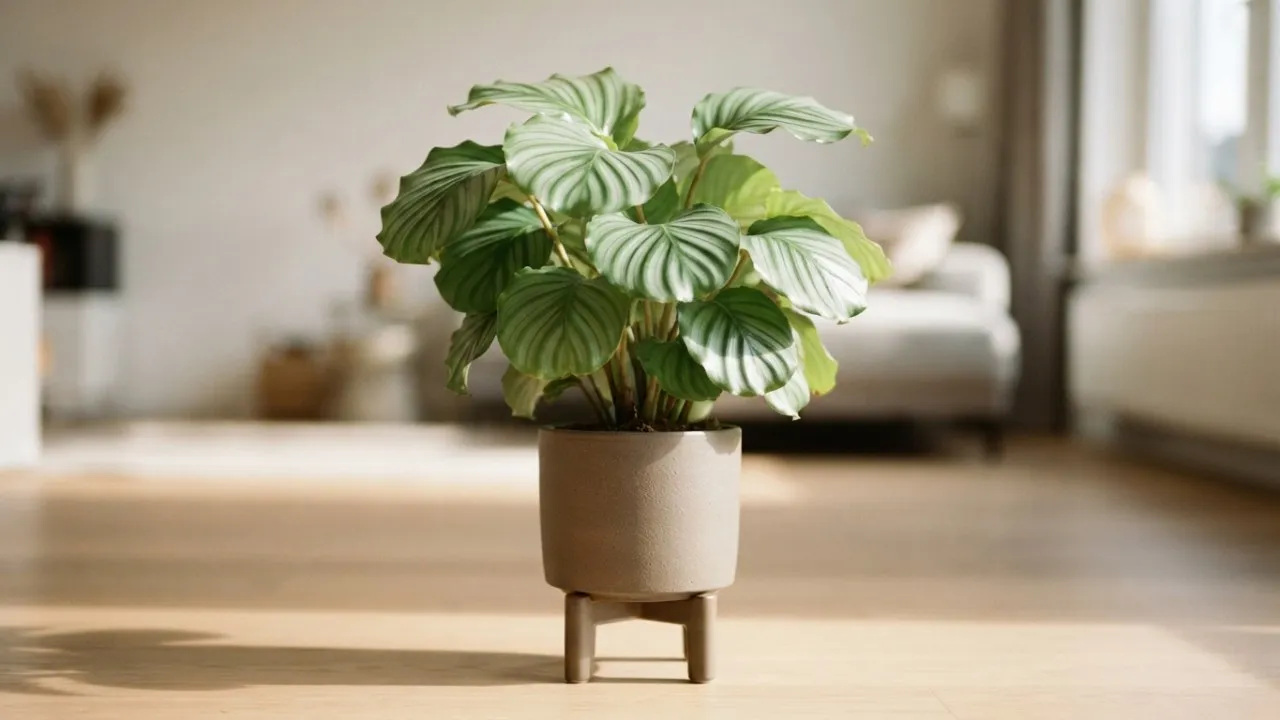 Every 7 days
 Calathea
Calathea orbifolia
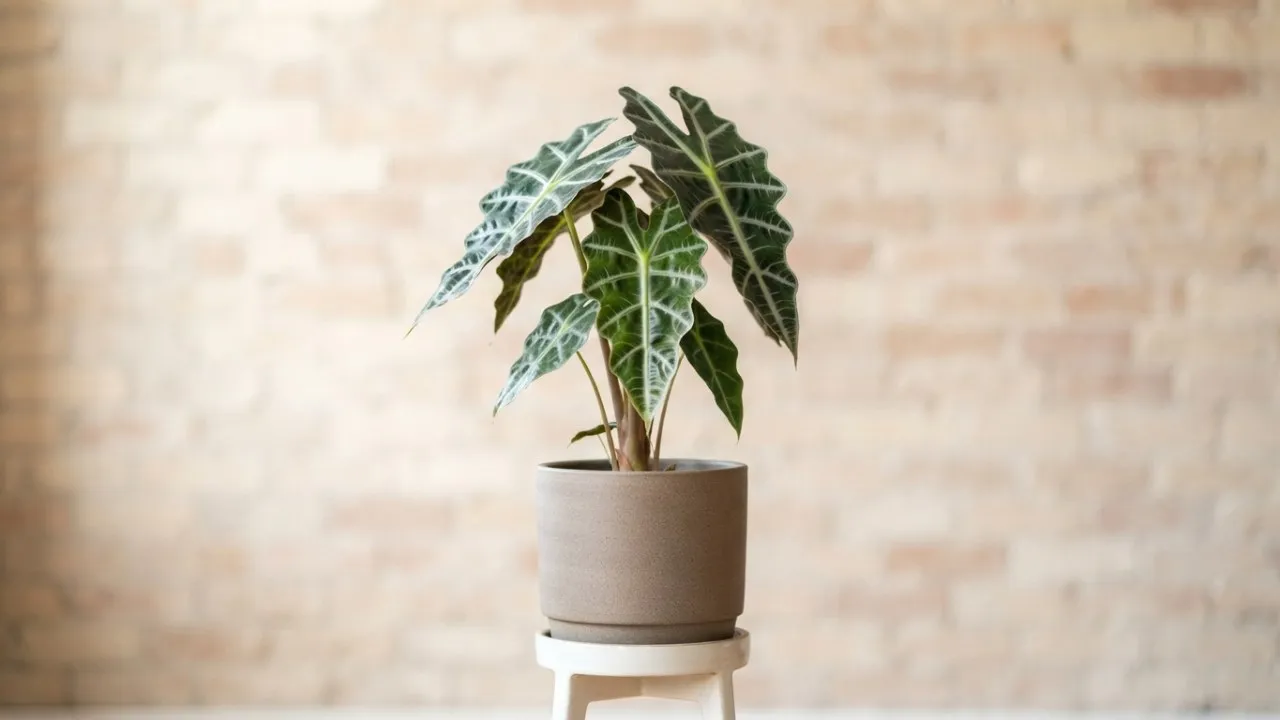 Every 5 days
 Elephant Ear
Alocasia amazonica
 Every 7 days
 Fiddle Leaf Fig
Ficus lyrata