
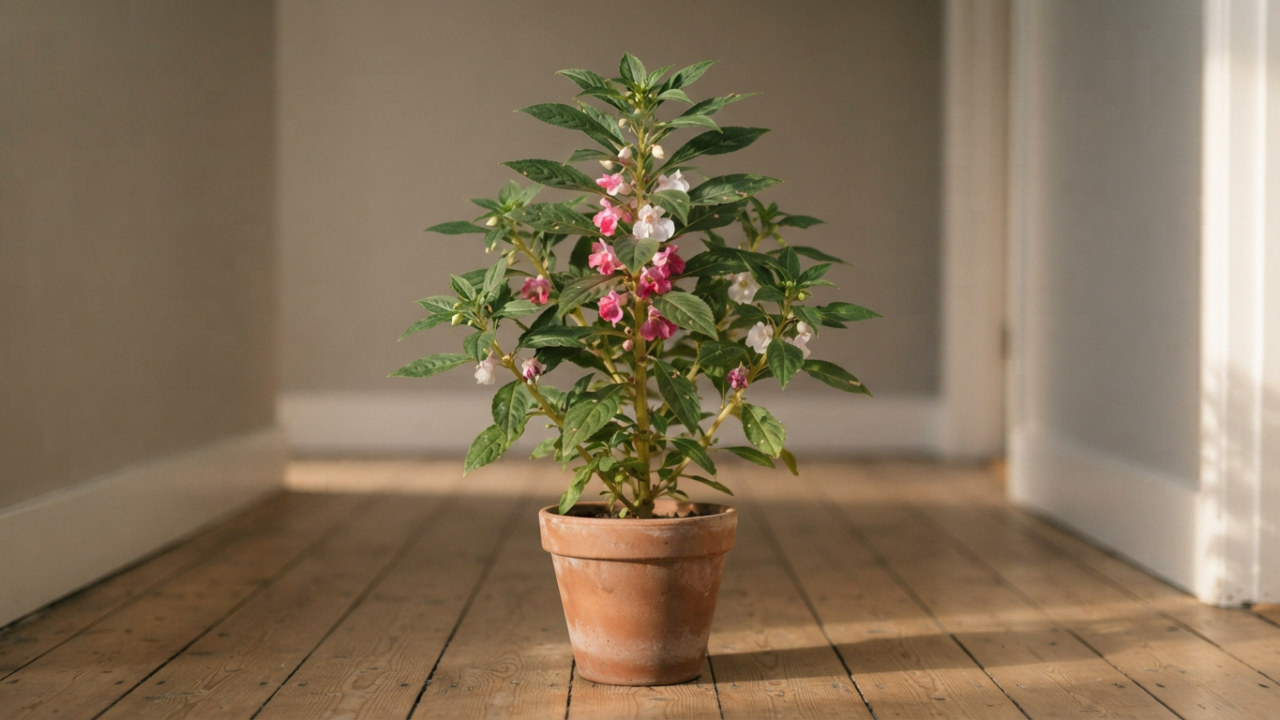
Annual · Balsaminaceae
Garden Balsam
Impatiens balsamina
Impatiens balsamina, commonly known as Garden Balsam, is a vibrant annual flowering plant known for its colourful blooms and easy care.
- Every 3 daysWatering
- Bright indirect lightLight
- 40–60 %Humidity
- 18–24 °CTemperature


How to care for your Garden Balsam
Everything you need to keep your Garden Balsam healthy: watering, light, humidity, feeding, repotting and pruning.
Impatiens balsamina, native to India and Myanmar, is a popular annual plant grown for its showy flowers that come in various shades of pink, red, purple, and white. It features succulent stems and lance-shaped leaves. Often grown in gardens, containers, or as a temporary houseplant, it thrives in bright, indirect light and consistently moist soil. It is frost-tender: plant it outdoors only after the last frosts, and it dies with the first cold weather, so there is no winter protection to give, only seeds to collect. Its rapid growth and prolific flowering make it a favourite for adding a splash of colour to any setting.

How to recognise Garden Balsam
An upright, branching annual up to 60 cm tall, with fleshy, translucent stems and lance-shaped, toothed leaves set alternately. The spurred flowers, single or double like tiny camellias, sit in the leaf axils all along the stem, and the green pods burst when ripe. Impatiens walleriana is lower and more compact, with flat flowers held above the leaves, and New Guinea impatiens has larger flowers and bronzed, glossy foliage.

Watering your Garden Balsam
Every 3 days
Water thoroughly as soon as the surface of the soil starts to dry, about every 3 days in the growing season. Keep soil consistently moist but not waterlogged.
How to know it needs water
- Soil surface just starting to dry
- Leaves slightly wilting
- Pot feels light

How much light a Garden Balsam needs
Bright indirect light
Bright indirect light to partial sun; can tolerate some direct morning sun but avoid harsh afternoon exposure.
- Direct sun tolerated
- 1 to 3 h a day
- Orientations that suit it
- North, North-east, East, North-west

Humidity and misting
40–60 %
Medium (40 to 60 %) Misting is not needed for this plant, and wet foliage invites mildew. Water at the base.

Feeding and fertiliser
Every 21 days
Feed about every 3 weeks from May to September, while the plant grows and flowers. Do not feed outside that season.
- Recommended feed
- Balanced NPK liquid fertilizer · 5-10-5

Repotting your Garden Balsam
Repot young plants into a slightly larger container (2 to 3 cm wider) with fresh, rich, well-draining potting mix. As an annual, mature plants are typically not repotted.
- When
- Spring
- Potting mix
- All-purpose potting mix
- Mix in
- perlite, coco fibre
The tell-tale signs
- Roots emerging from drainage holes
- Plant appears top-heavy
- Growth has slowed significantly

Pruning your Garden Balsam
Pinch back young plants to encourage bushier growth. Deadhead spent flowers to promote continuous blooming. Use clean scissors or your fingers to pinch off stem tips or spent blooms.

Through the year
Watering is not set once and for all: it follows the light and the growth. Allow 5 days between waterings in the depth of winter, against 2 in the growing season.
- 5 J
- 4 F
- 2 M
- 2 A
- 2 M
- 2 J
- 2 J
- 2 A
- 2 S
- 3 O
- 4 N
- 5 D
Active growth · Days between waterings

Toxicity
Mildly toxic to pets if ingested, causing gastrointestinal upset. Keep it out of their reach. It is not considered toxic to humans.

Good to know
- The ripe seed pods explode at the slightest touch, scattering seeds.
- In parts of Asia the crushed petals have long been used to dye fingernails orange-red.
- The alternate leaves sometimes have serrated edges.

Frequently asked questions about the Garden Balsam
How do you care for a Garden Balsam?
Water it every 3 days. Give it bright indirect light. Ideal humidity: 40–60 %. Ideal temperature: 18–24 °C. Water thoroughly as soon as the surface of the soil starts to dry, about every 3 days in the growing season. Keep soil consistently moist but not waterlogged.
How often should you water a Garden Balsam?
Every 3 days Water thoroughly as soon as the surface of the soil starts to dry, about every 3 days in the growing season. Keep soil consistently moist but not waterlogged. How to know it needs water : Soil surface just starting to dry ; Leaves slightly wilting ; Pot feels light.
How much light does a Garden Balsam need?
Bright indirect light Bright indirect light to partial sun; can tolerate some direct morning sun but avoid harsh afternoon exposure. 1 to 3 h a day
Is the Garden Balsam toxic to cats and dogs?
Yes. Mildly toxic to pets if ingested, causing gastrointestinal upset. Keep it out of their reach. It is not considered toxic to humans. Keep it out of reach of your pets and call a vet if any is swallowed.
Why are my Garden Balsam leaves turning yellow?
Yellowing most often comes from too much water: the mix stays wet and the roots suffocate. Check that the pot drains, empty the saucer, and let the mix dry before watering again. Too little light or a cold draught cause the same symptom.
When should you repot a Garden Balsam?
Repot , ideally in spring. Repot young plants into a slightly larger container (2 to 3 cm wider) with fresh, rich, well-draining potting mix. As an annual, mature plants are typically not repotted.

At a glance
- Family
- Balsaminaceae
- Category
- Annual
- Placement
- Indoor and outdoor
- Mature height
- 60 cm
- Growth
- Fast
- Temperature
- 18–24 °C
- Pot materials
- terracotta, ceramic, plastic
- Growth
- Reaches maturity in 1 years
These figures are for an average plant. In the app they are recalculated for yours, based on your room, its orientation and the season.
And for your plant, in your home?
In the app this plant becomes yours: a watering schedule tuned to your home, health tracking from photos, and reminders at the right moment.
In the same spirit
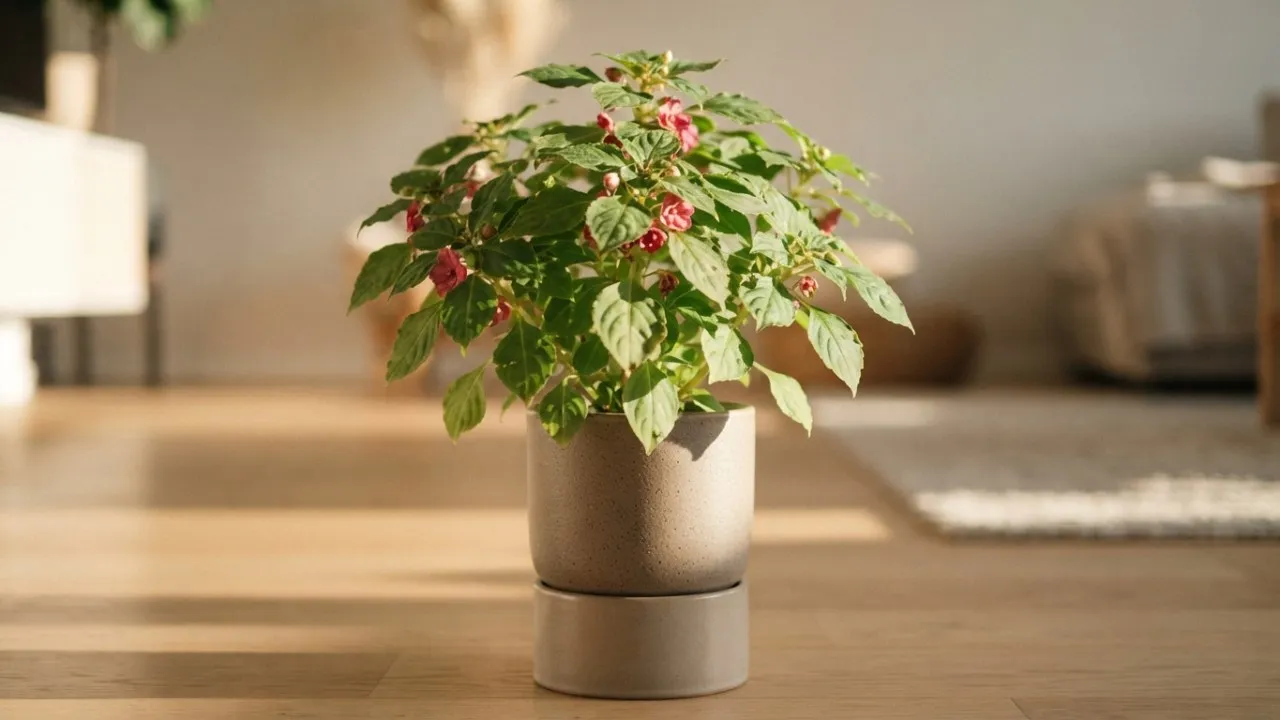 Every 2 days


Busy Lizzie
Impatiens walleriana

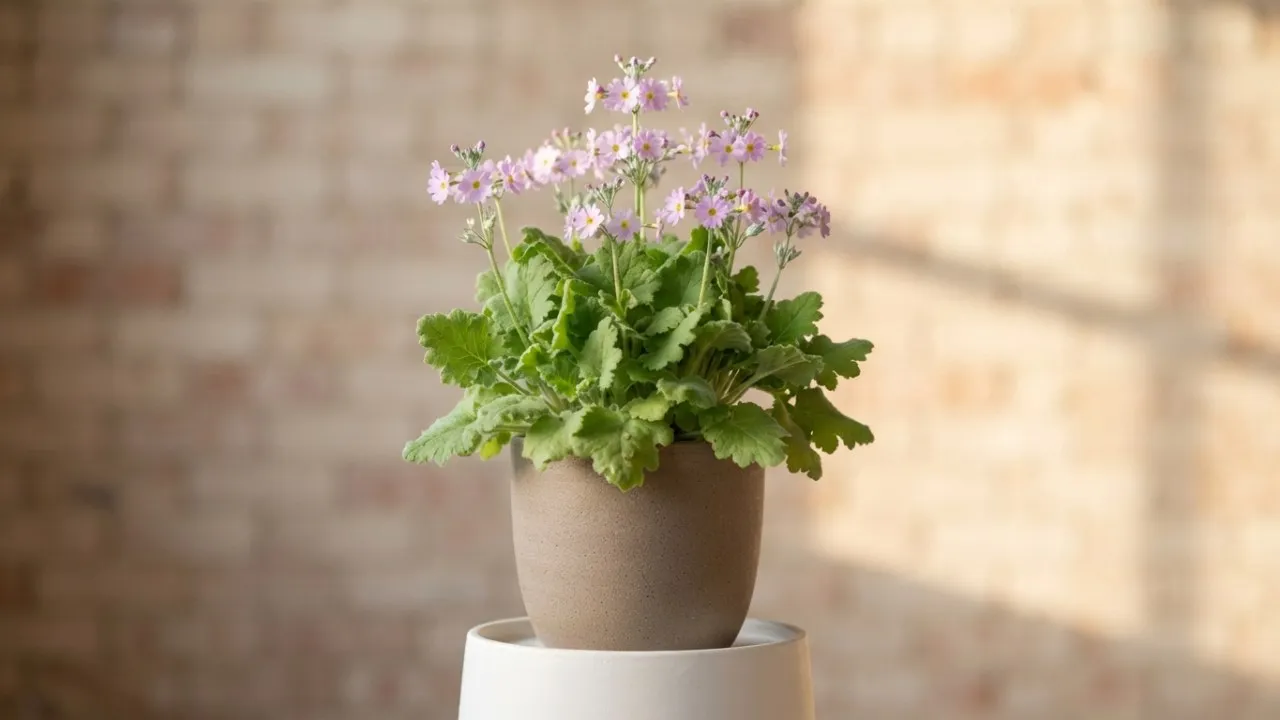 Every 3 days
Fairy Primrose
Primula malacoides
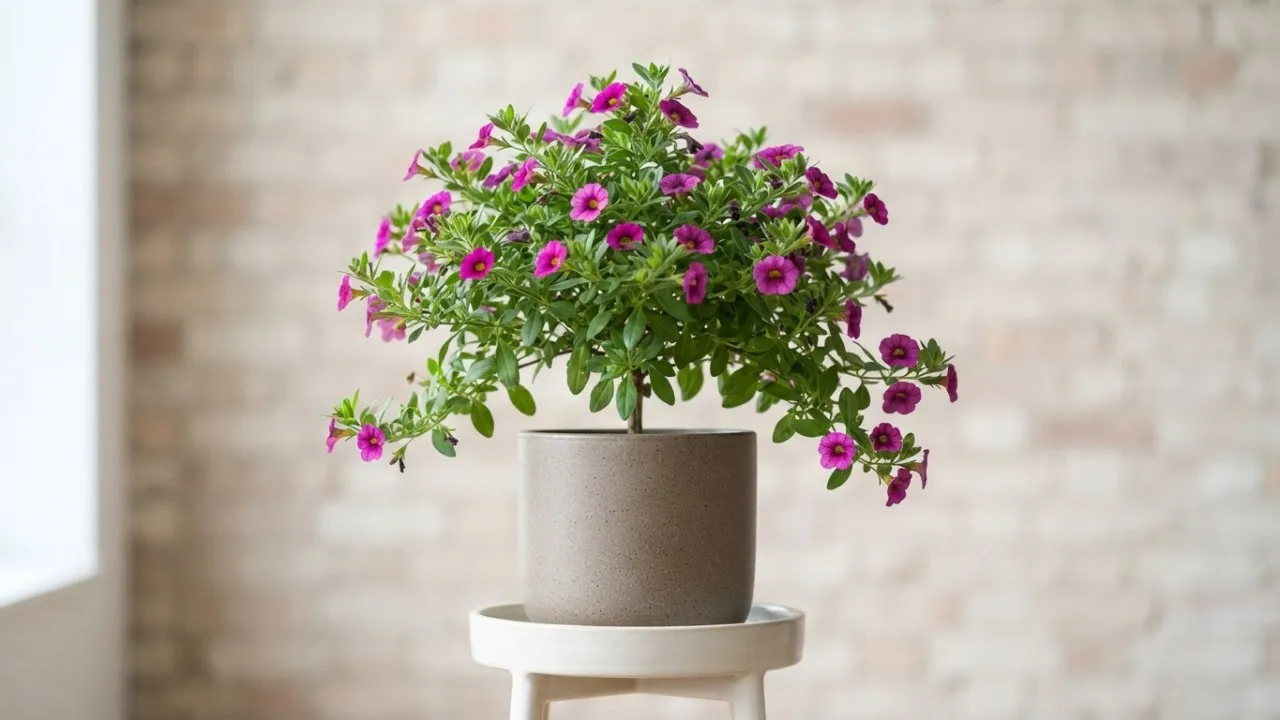 Every 2 days
Million Bells
Calibrachoa hybrida
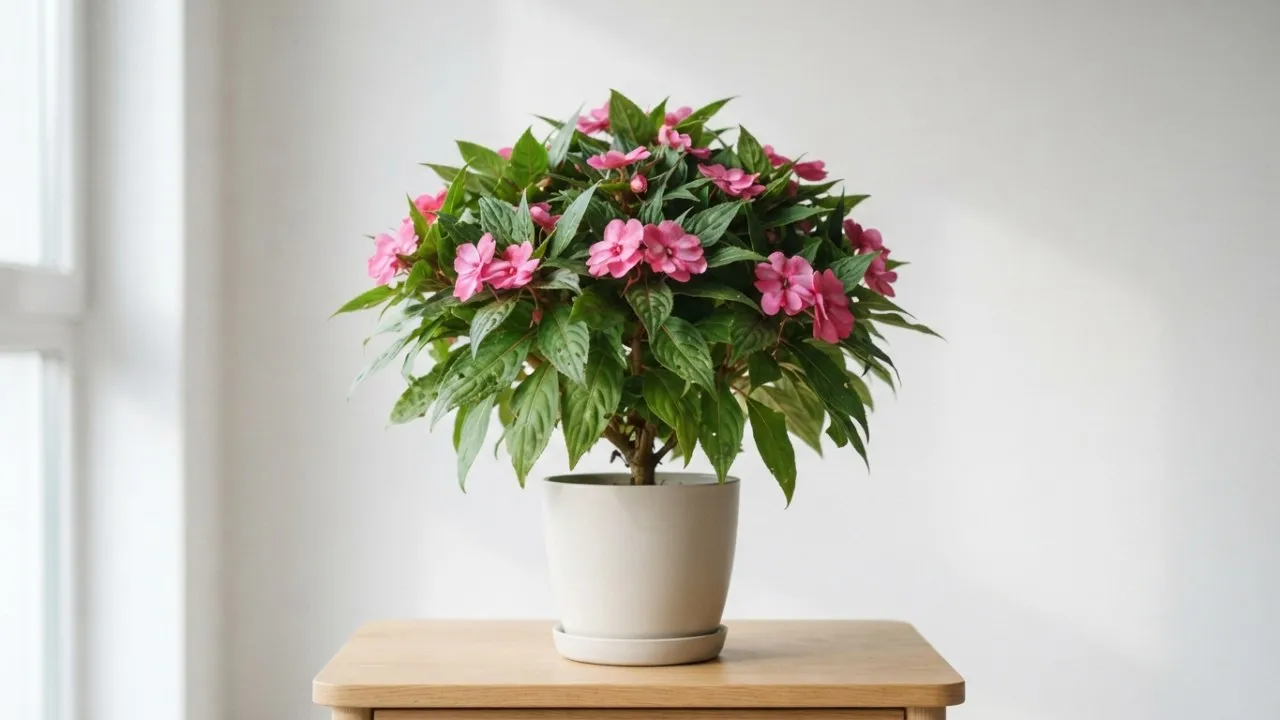 Every 3 days
New Guinea Impatiens
Impatiens hawkeri
