
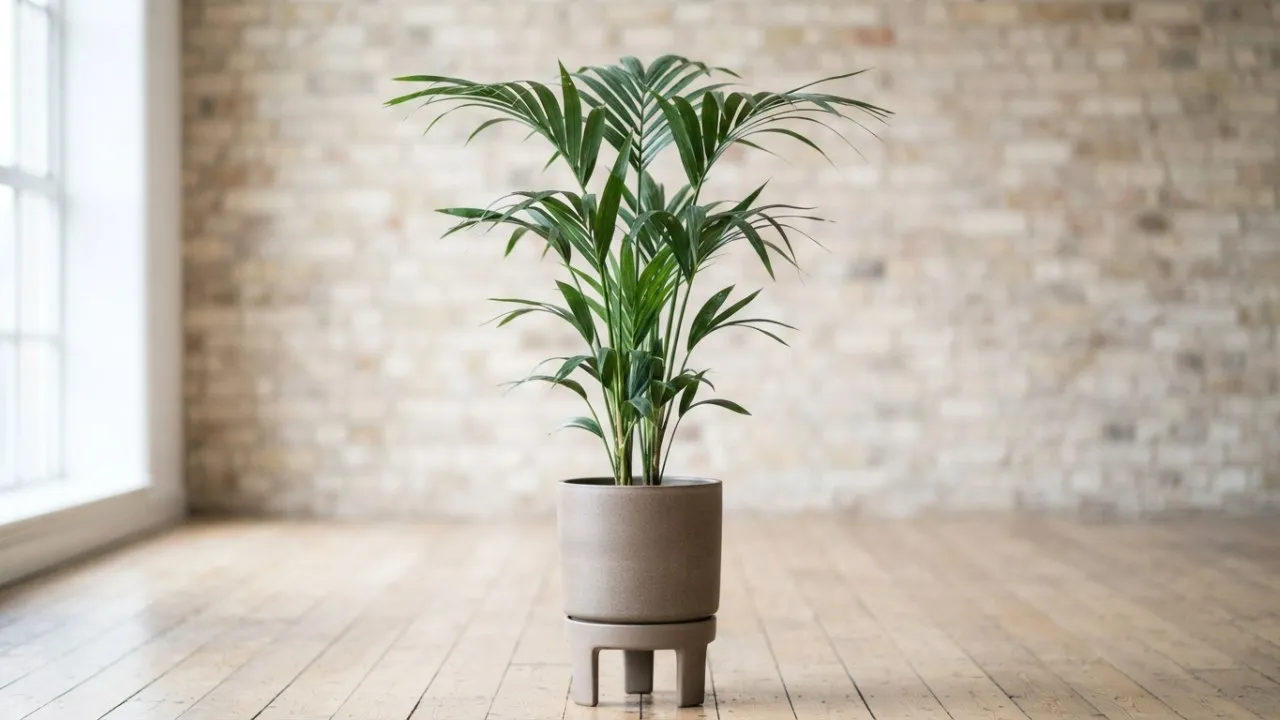
Kentia Palm
Howea forsteriana
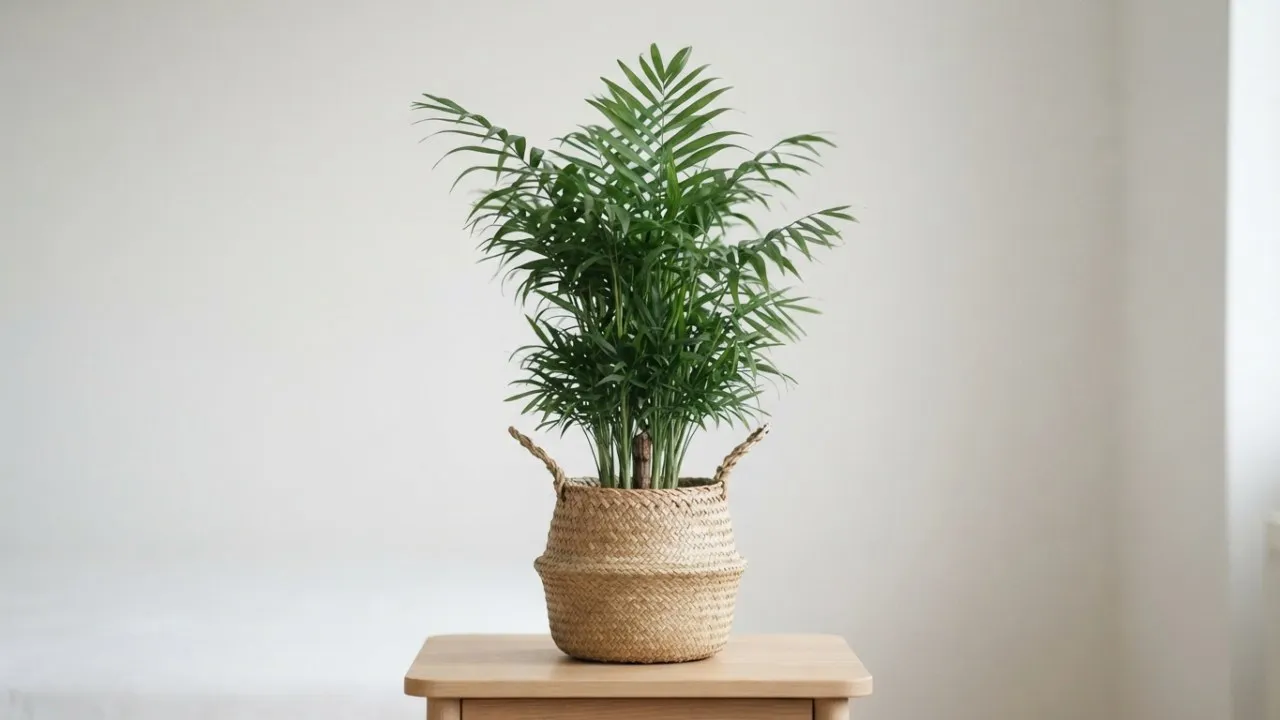
A majestic indoor palm native to an Australian island, with large arching fronds in deep green.
The essentials at a glance
-
Watering
Every 7 days
-
Light
Medium light
-
Humidity
40–60 %
-
Temperature
12–27 °C


How to care for your Kentia Palm
Everything you need to keep your Kentia Palm healthy: watering, light, humidity, feeding, repotting and pruning.
Howea forsteriana, or kentia palm, is arguably the most elegant indoor palm. Endemic to Lord Howe Island in Australia, it develops a single trunk bearing large pinnate fronds that arch gracefully. Its majestic silhouette and exceptional tolerance of indoor conditions make it the palm of choice for decorators and prestigious spaces. It grows very slowly but can live for decades indoors with minimal care.

Watering your Kentia Palm
Every 7 days
Water when the top 3–4 cm of substrate is dry. Use water at room temperature. The kentia is sensitive to overwatering — never leave standing water in the saucer.
How to know it needs water
- Substrate dry in the top 3–4 cm
- Lower fronds beginning to yellow prematurely
- Pot noticeably lighter

How much light a Kentia Palm needs
Medium light
Moderate indirect light. Tolerates poorly lit rooms remarkably well. Direct sun quickly scorches the fronds. One of the few plants that thrives far from windows.
- Direct sun tolerated
- No direct sun
- Orientations that suit it
- North, North-east, East, North-west, West, South-east, South-west

Humidity and misting
40–60 %
Moderate (40–60%). Tolerates dry air better than most tropical palms. Mist the foliage regularly, especially in winter. Wiping the fronds with a damp sponge prevents pests and supports photosynthesis.

Feeding and fertiliser
Every 30 days
Fertilize once a month from April to September only. Naturally very slow-growing. Excess fertilizer is harmful.
- Recommended feed
- Liquid palm or foliage plant fertilizer diluted to half strength. · 8-2-12

Repotting your Kentia Palm
Every 36 months
Repot as infrequently as possible — the kentia dislikes being disturbed. Increase pot by only 2–3 cm maximum. Rich, well-draining substrate. Handle roots as little as possible. Annual top-dressing with fresh substrate can replace repotting.
- When
- Spring
- Potting mix
- All-purpose potting mix
- Mix in
- perlite, pine bark, coco fibre
The tell-tale signs
- Roots visible at the surface or emerging from the bottom
- Pot appearing too small relative to the plant size
- Substrate very degraded and no longer draining

Pruning your Kentia Palm
Only for completely brown or yellow fronds. Cut dead fronds as low as possible on the trunk with clean secateurs. Never cut yellowing fronds — they still nourish the plant.

Through the year
Watering is not set once and for all: it follows the light and the growth. Allow 9 days between waterings in the depth of winter, against 6 in the growing season.
- 8 J
- 8 F
- 6 M
- 6 A
- 6 M
- 6 J
- 6 J
- 6 A
- 6 S
- 7 O
- 8 N
- 9 D
Active growth · Days between waterings

Good to know
- Howea forsteriana is endemic to the small Lord Howe Island off the coast of Australia — this island of only 15 km² is the only place in the world where this palm grows naturally.
- Kentia seeds take between 3 and 5 years to germinate, making it one of the slowest plants to propagate and partly explaining its high retail price.

Frequently asked questions about the Kentia Palm
How do you care for a Kentia Palm?
Water it every 7 days. Give it medium light. Ideal humidity: 40–60 %. Ideal temperature: 12–27 °C. Water when the top 3–4 cm of substrate is dry. Use water at room temperature. The kentia is sensitive to overwatering — never leave standing water in the saucer.
How often should you water a Kentia Palm?
Every 7 days Water when the top 3–4 cm of substrate is dry. Use water at room temperature. The kentia is sensitive to overwatering — never leave standing water in the saucer. How to know it needs water : Substrate dry in the top 3–4 cm ; Lower fronds beginning to yellow prematurely ; Pot noticeably lighter.
How much light does a Kentia Palm need?
Medium light Moderate indirect light. Tolerates poorly lit rooms remarkably well. Direct sun quickly scorches the fronds. One of the few plants that thrives far from windows. No direct sun
Is the Kentia Palm toxic to cats and dogs?
No, the Kentia Palm is not listed as toxic to cats and dogs. That is still no reason to let your pets chew on it.
Why are my Kentia Palm leaves turning yellow?
Yellowing most often comes from too much water: the mix stays wet and the roots suffocate. Check that the pot drains, empty the saucer, and let the mix dry before watering again. Too little light or a cold draught cause the same symptom.
When should you repot a Kentia Palm?
Repot every 36 months, ideally in spring. Repot as infrequently as possible — the kentia dislikes being disturbed. Increase pot by only 2–3 cm maximum. Rich, well-draining substrate. Handle roots as little as possible. Annual top-dressing with fresh substrate can replace repotting.

At a glance
- Family
- Arecaceae
- Category
- Palm
- Placement
- Indoor
- Mature height
- 2.5 m
- Growth
- Slow
- Temperature
- 12–27 °C
- Pot materials
- ceramic, plastic, terracotta
- Growth
- Reaches maturity in 15 years
These figures are for an average plant. In the app they are recalculated for yours, based on your room, its orientation and the season.
And for your plant, in your home?
In the app this plant becomes yours: a watering schedule tuned to your home, health tracking from photos, and reminders at the right moment.
In the same spirit
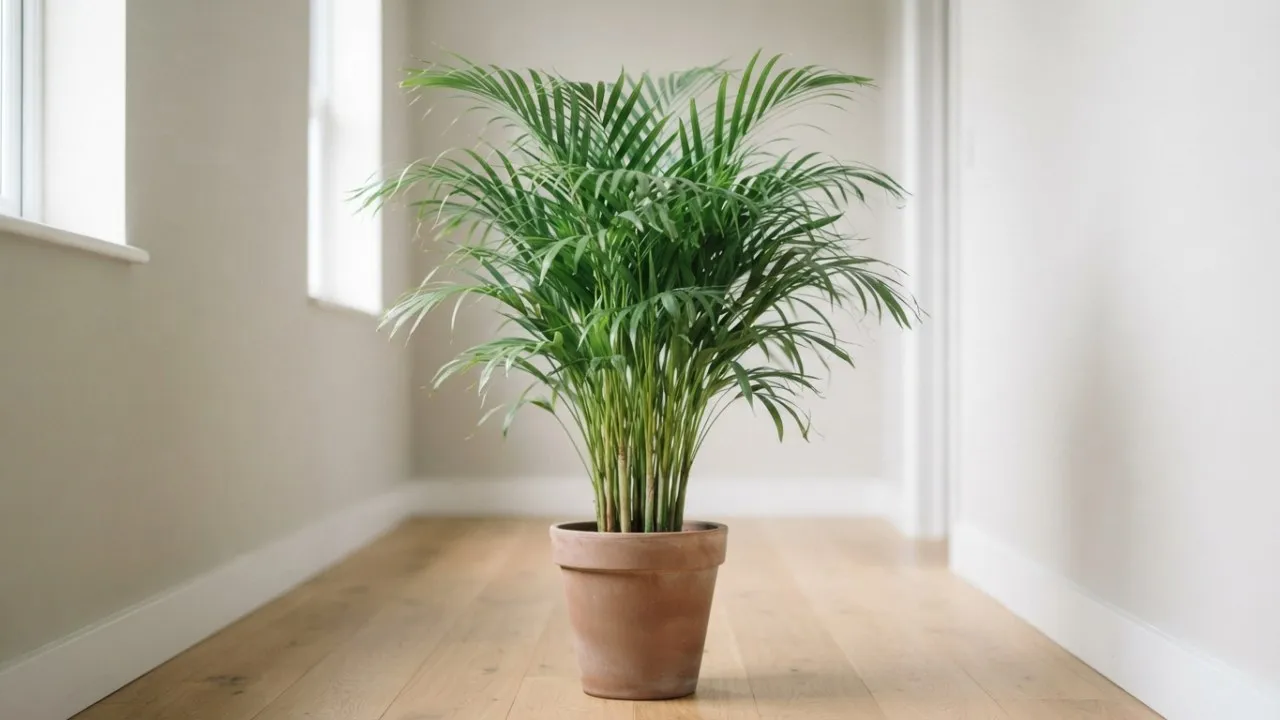 Every 5 days
 Areca Palm
Dypsis lutescens

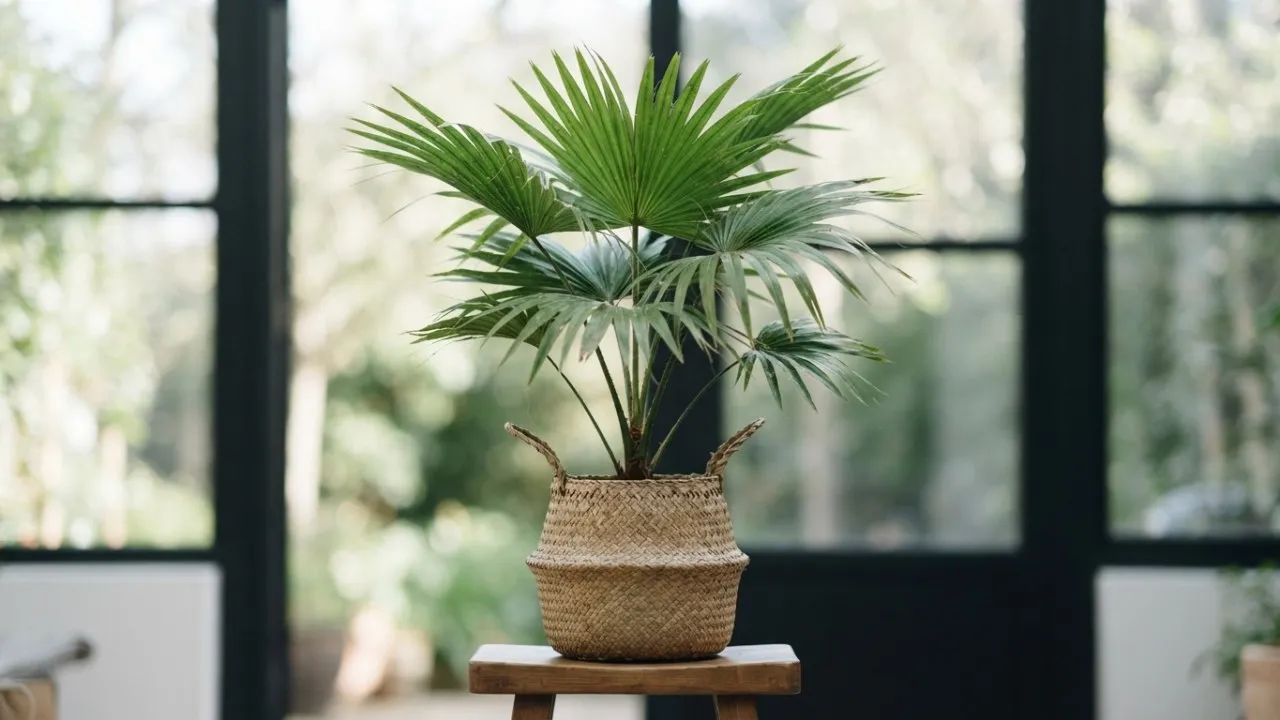 Every 7 days
 Chinese Fan Palm
Livistona chinensis
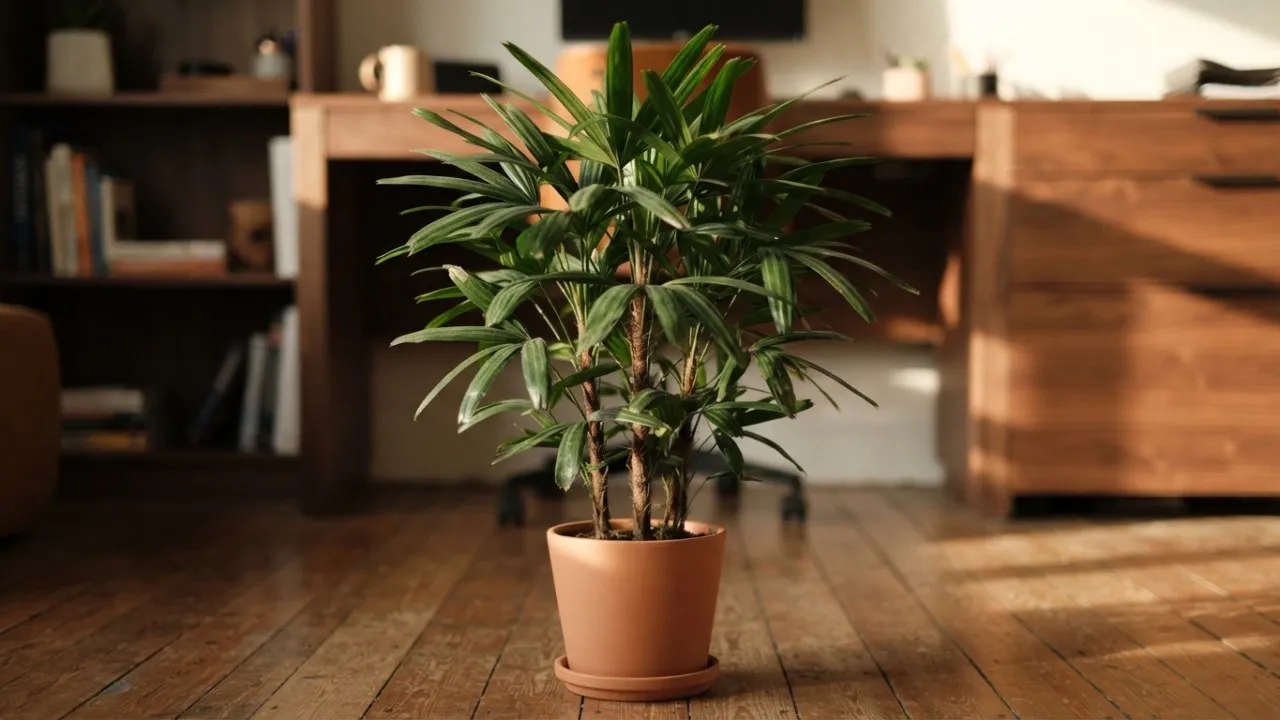 Every 7 days
 Lady Palm
Rhapis excelsa
 Every 7 days
 Parlor Palm
Chamaedorea elegans