
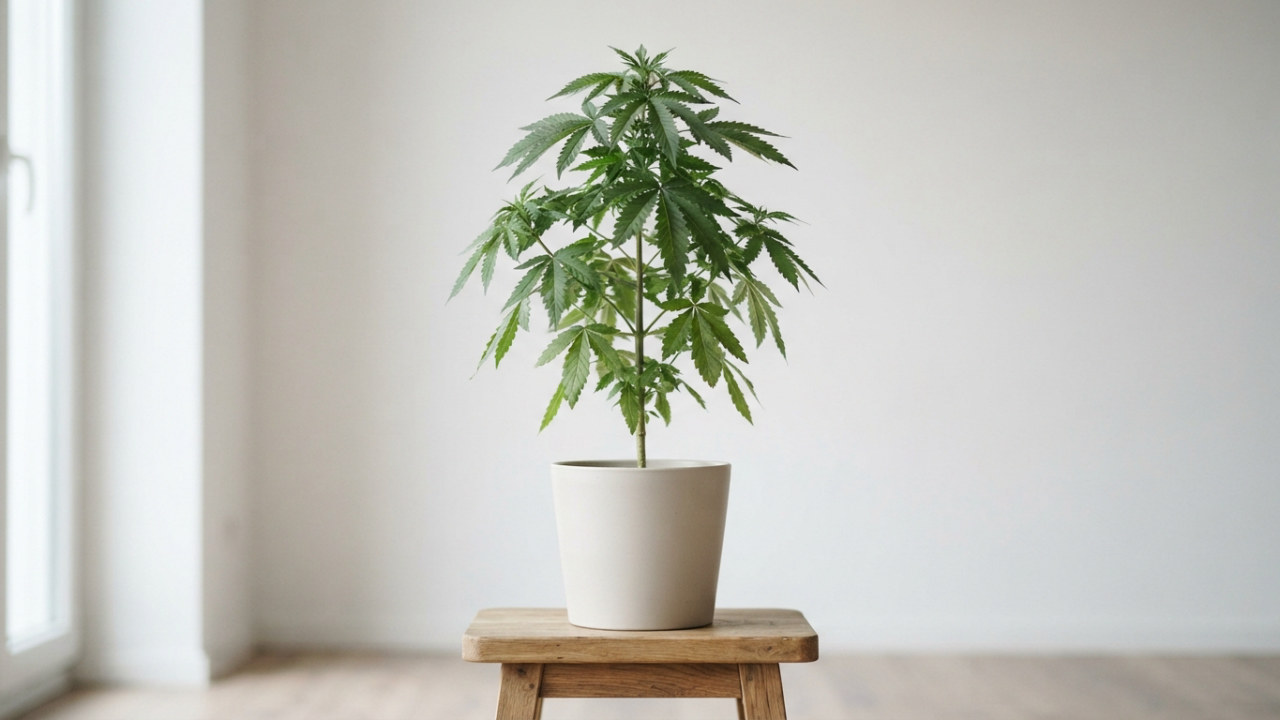
Annual · Cannabaceae
Hemp
Cannabis sativa
Cannabis sativa is a versatile annual plant known for its rapid growth and its industrial uses as hemp. Growing it is regulated or illegal in many countries, so check your local law first.
- Every 3 daysWatering
- Full sunLight
- 40–60 %Humidity
- 18–29 °CTemperature


How to care for your Hemp
Everything you need to keep your Hemp healthy: watering, light, humidity, feeding, repotting and pruning.
Cannabis sativa, native to Central Asia, is an annual herbaceous flowering plant. It is cultivated for its fiber, seeds and cannabinoids, and its cultivation is regulated or forbidden in many countries. The plant typically features palmate leaves with serrated leaflets. It thrives in warm climates with ample sunlight and well-draining soil. Depending on the cultivar, it can grow quite tall, often reaching 2 to 4 meters in a single growing season. It is frost tender: sow or plant it outdoors only after the last frost, and it dies back with the first autumn frosts. Proper care, including frequent watering and feeding, is crucial for healthy development.

How to recognise Hemp
Cannabis sativa is a tall, upright annual with a ridged, hollow stem and palmate leaves made of 5 to 9 narrow, lance-shaped leaflets with saw-toothed edges, all joined at a single point. Japanese maple has lobes that belong to one single blade, and Hibiscus cannabinus (kenaf) has rougher leaves with fewer, coarser lobes and large flowers, whereas hemp has small greenish flowers.

Watering your Hemp
Every 3 days
Water thoroughly until drainage runs clear, then let the top 2 to 3 cm of substrate dry out before watering again, about every 2 days in the peak of growth. The plant finishes its cycle in autumn, so stop watering once it has died back.
How to know it needs water
- Soil dry 2 to 3 cm deep
- Leaves show slight wilting
- Pot feels light when lifted

How much light a Hemp needs
Full sun
Full sun: at least 6 to 8 hours of direct sun a day for good growth.
- Direct sun tolerated
- 6 to 12 h a day
- Orientations that suit it
- South-east, South, South-west

Humidity and misting
40–60 %
Medium (40 to 60 %) Misting is not needed and can promote fungal issues. Ensure good air circulation.

Feeding and fertiliser
Every 14 days
Feed about once a week from April to September, switching to a formula richer in phosphorus and potassium at flowering. No feeding the rest of the year.
- Recommended feed
- Balanced NPK liquid fertilizer, transitioning to higher P and K during flowering. · 3-1-2

Repotting your Hemp
Every 2 months
As an annual it is best sown directly in its final container. If you transplant seedlings, use a container 5 to 10 cm larger. Use a well-draining, nutrient-rich potting mix and handle the roots gently.
- When
- Not needed: sow in the final pot, or transplant young seedlings once in spring
- Potting mix
- All-purpose potting mix
- Mix in
- perlite, coco fibre, vermiculite
The tell-tale signs
- Roots emerging from drainage holes
- Growth significantly slowed
- Substrate drying out very quickly

Pruning your Hemp
During the vegetative growth phase to encourage bushier growth and manage size. Avoid pruning during flowering. Use sterilised scissors or a sharp blade to remove lower branches or top the plant above a node to promote lateral growth.

Through the year
Watering is not set once and for all: it follows the light and the growth. Allow 5 days between waterings in the depth of winter, against 2 in the growing season.
- 5 J
- 4 F
- 3 M
- 2 A
- 2 M
- 2 J
- 2 J
- 2 A
- 3 S
- 4 O
- 5 N
- 5 D
Active growth · Days between waterings

Toxicity
Toxic to pets (can cause lethargy, vomiting, loss of coordination) and humans (psychoactive effects, and legal restrictions apply). Keep it out of reach of children and pets.

Good to know
- Hemp fibers are used to produce textiles, paper, and ropes.
- It is one of the fastest-growing plants, capable of reaching maturity in a single season.
- The seeds are highly nutritious and a good source of protein and omega fatty acids.

Frequently asked questions about the Hemp
How do you care for a Hemp?
Water it every 3 days. Give it full sun. Ideal humidity: 40–60 %. Ideal temperature: 18–29 °C. Water thoroughly until drainage runs clear, then let the top 2 to 3 cm of substrate dry out before watering again, about every 2 days in the peak of growth. The plant finishes its cycle in autumn, so stop watering once it has died back.
How often should you water a Hemp?
Every 3 days Water thoroughly until drainage runs clear, then let the top 2 to 3 cm of substrate dry out before watering again, about every 2 days in the peak of growth. The plant finishes its cycle in autumn, so stop watering once it has died back. How to know it needs water : Soil dry 2 to 3 cm deep ; Leaves show slight wilting ; Pot feels light when lifted.
How much light does a Hemp need?
Full sun Full sun: at least 6 to 8 hours of direct sun a day for good growth. 6 to 12 h a day
Is the Hemp toxic to cats and dogs?
Yes. Toxic to pets (can cause lethargy, vomiting, loss of coordination) and humans (psychoactive effects, and legal restrictions apply). Keep it out of reach of children and pets. Keep it out of reach of your pets and call a vet if any is swallowed.
Why are my Hemp leaves turning yellow?
Yellowing most often comes from too much water: the mix stays wet and the roots suffocate. Check that the pot drains, empty the saucer, and let the mix dry before watering again. Too little light or a cold draught cause the same symptom.
When should you repot a Hemp?
Repot every 2 months, ideally in not needed: sow in the final pot, or transplant young seedlings once in spring. As an annual it is best sown directly in its final container. If you transplant seedlings, use a container 5 to 10 cm larger. Use a well-draining, nutrient-rich potting mix and handle the roots gently.

At a glance
- Family
- Cannabaceae
- Category
- Annual
- Placement
- Indoor and outdoor
- Mature height
- 2.5 m
- Growth
- Fast
- Temperature
- 18–29 °C
- Pot materials
- fabric, plastic, terracotta
- Growth
- Reaches maturity in 1 years
These figures are for an average plant. In the app they are recalculated for yours, based on your room, its orientation and the season.
And for your plant, in your home?
In the app this plant becomes yours: a watering schedule tuned to your home, health tracking from photos, and reminders at the right moment.
In the same spirit
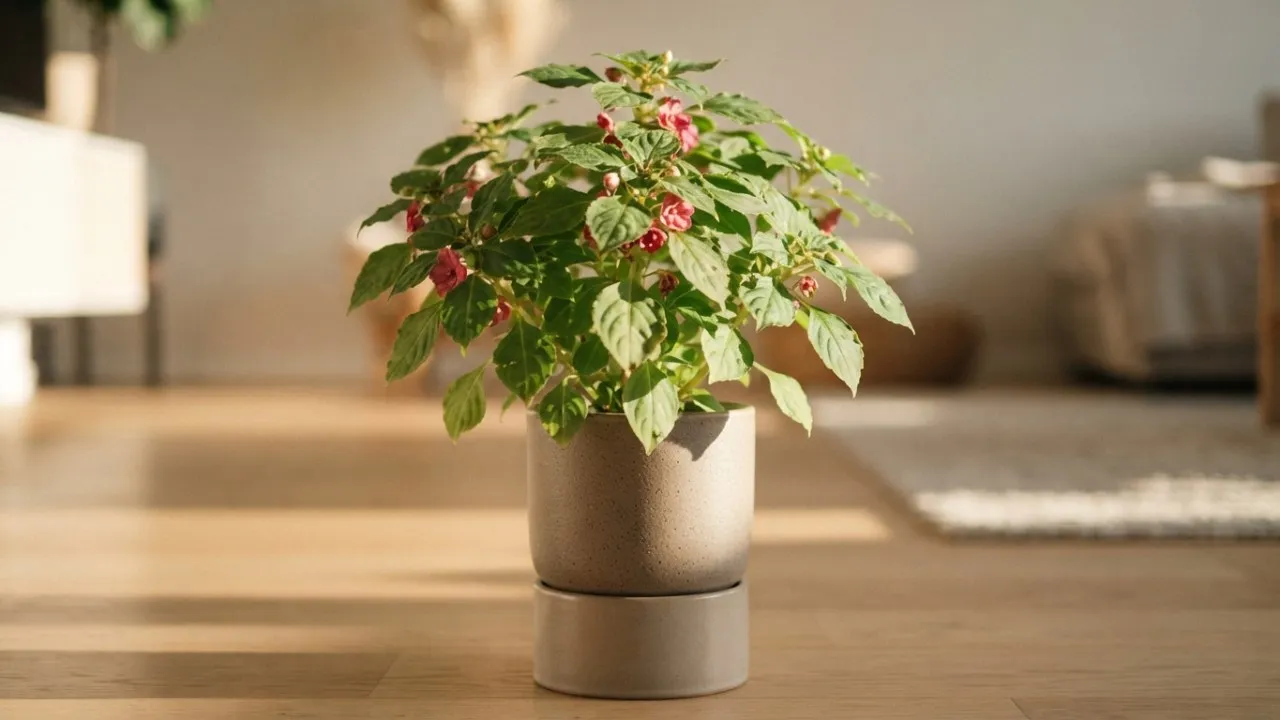 Every 2 days


Busy Lizzie
Impatiens walleriana

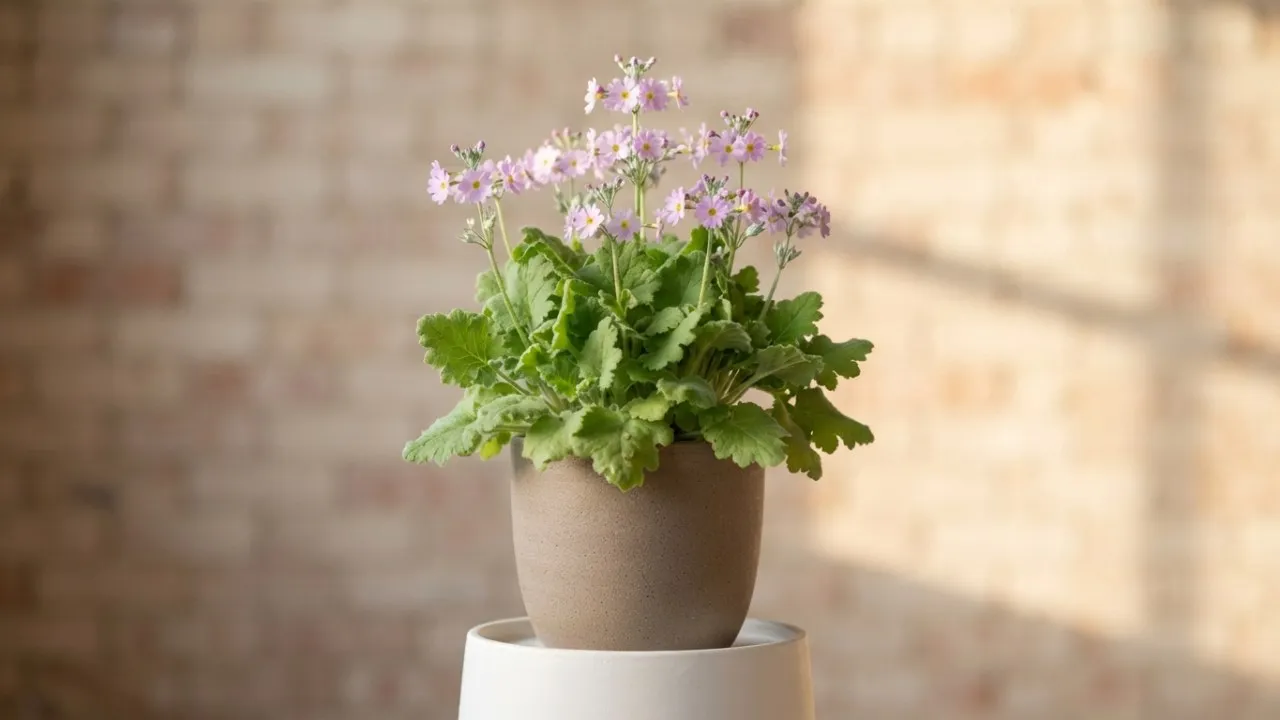 Every 3 days
Fairy Primrose
Primula malacoides
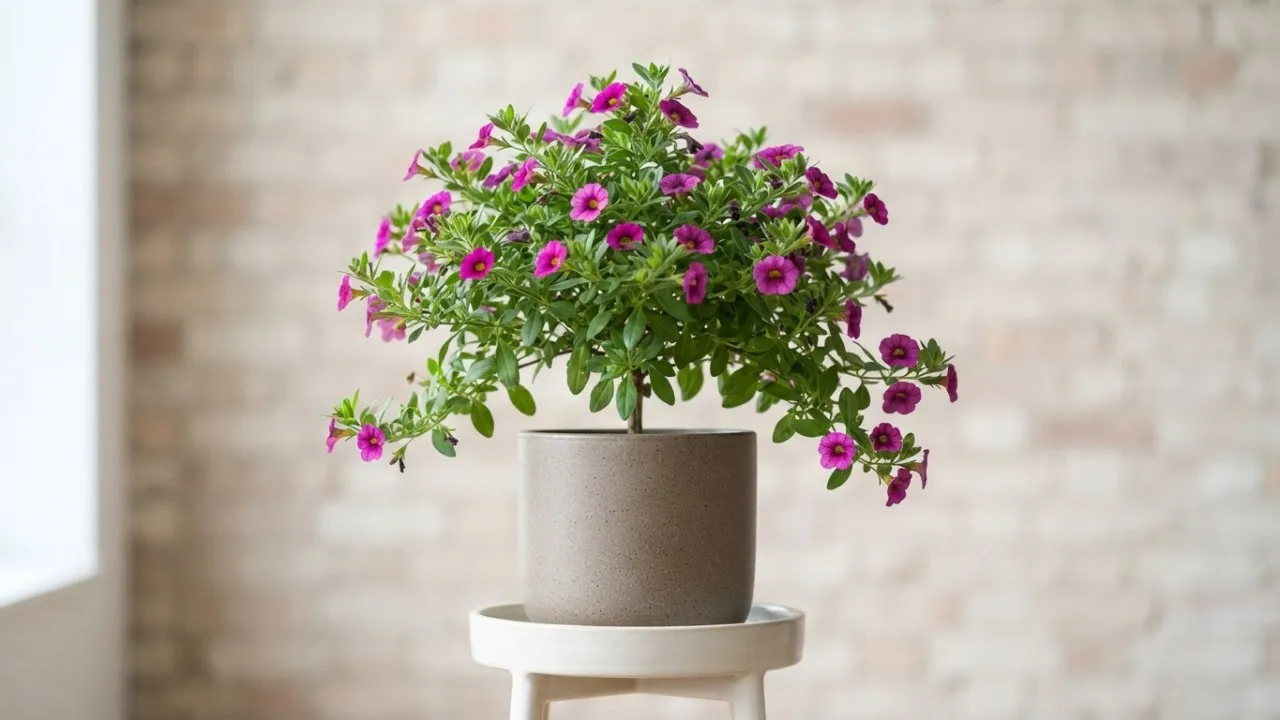 Every 2 days
Million Bells
Calibrachoa hybrida
 Every 3 days
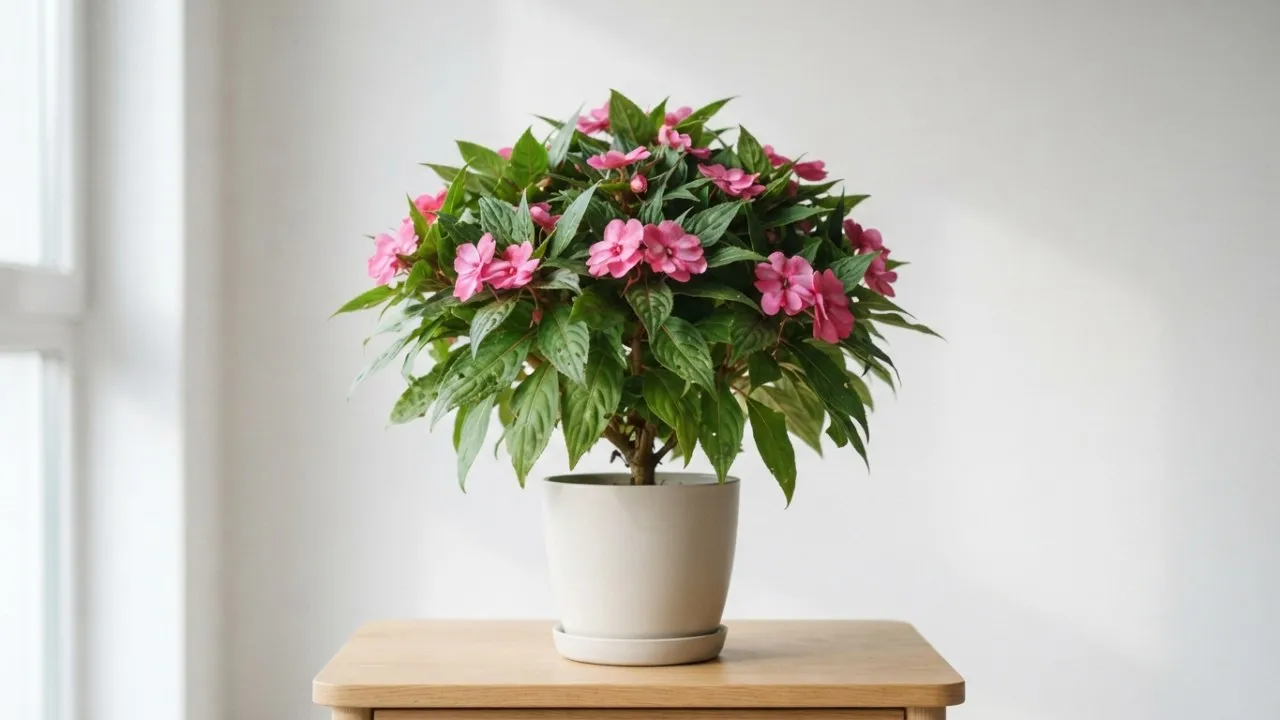
New Guinea Impatiens
Impatiens hawkeri
