
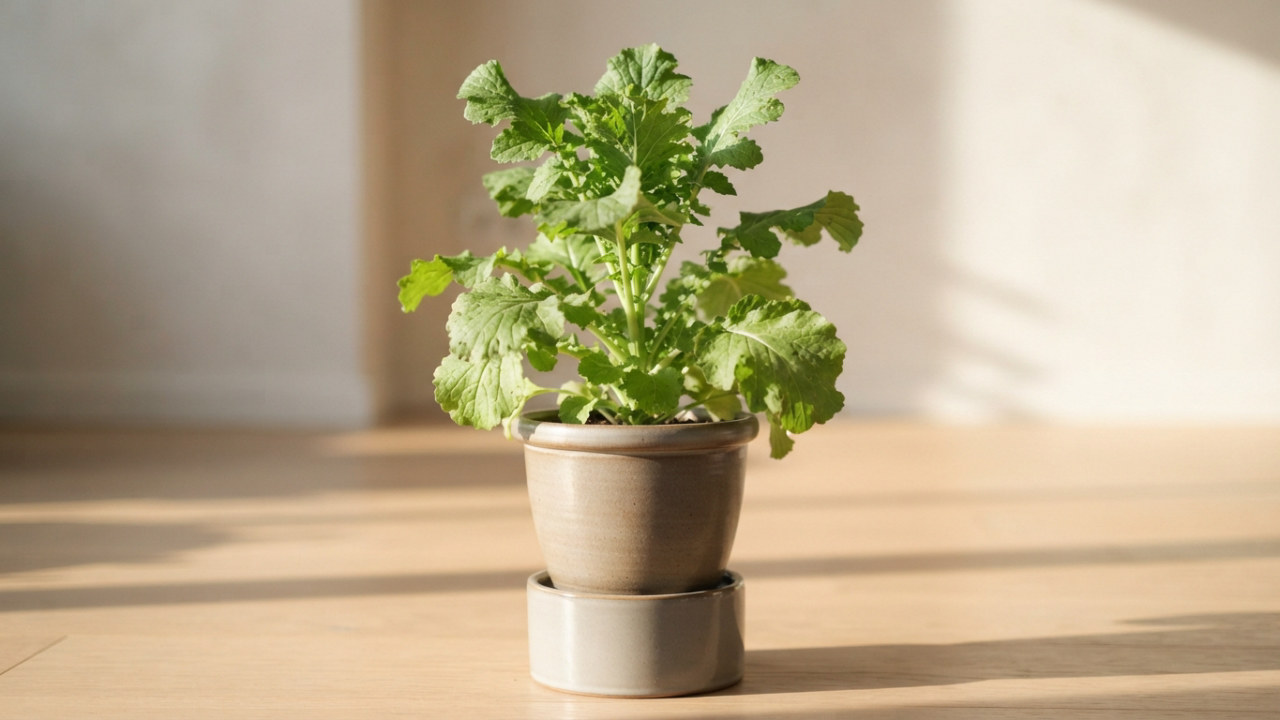
Annual · Brassicaceae
Mustard Greens
Brassica juncea
Mustard greens are a fast-growing, leafy vegetable known for their pungent, peppery flavor.
- Every 2 daysWatering
- Full sunLight
- 50–60 %Humidity
- 4–24 °CTemperature


How to care for your Mustard Greens
Everything you need to keep your Mustard Greens healthy: watering, light, humidity, feeding, repotting and pruning.
Brassica juncea, commonly known as mustard greens, is an annual leafy vegetable widely cultivated for its edible leaves. It is thought to come from Asia, from the Himalayan region, and belongs to the diverse Brassicaceae family. These greens feature crinkled, vibrant green leaves that offer a distinct spicy kick, especially when eaten raw. They are easy to grow and thrive in cool weather, so they are sown in spring and again in early autumn, and they tolerate light frost (down to about -5 °C). In summer heat they run to seed quickly. Regular harvesting of outer leaves encourages continuous production throughout the growing season.

How to recognise Mustard Greens
Mustard greens form a loose rosette of large, bright green leaves with frilled, crinkled or deeply toothed edges, often with a pale midrib, and send up a branching stem of small four-petalled yellow flowers. Kale has thicker, waxy blue-green leaves; turnip greens have hairy, rougher leaves; arugula has smaller, lobed leaves and a milder flavor. The sharp peppery smell of a crushed mustard leaf is a good clue.

Watering your Mustard Greens
Every 2 days
Water deeply and consistently to keep the soil evenly moist, but not waterlogged, about every 2 days in the growing season and about every 4 days in cold weather. Avoid letting the soil dry out completely.
How to know it needs water
- Top 1 to 2 cm of soil feels dry
- Leaves appear slightly wilted
- Soil pulls away from pot edges

How much light a Mustard Greens needs
Full sun
Full sun to partial shade; at least 4 to 6 hours of direct sunlight daily for best growth.
- Direct sun tolerated
- 4 to 8 h a day
- Orientations that suit it
- South, South-east, South-west, East, West

Humidity and misting
50–60 %
Medium (50 to 60%) Misting is not needed for mustard greens grown outdoors.

Feeding and fertiliser
Every 21 days
Feed about every 3 weeks in March to May and in September to October, the two growing seasons. Before planting outdoors, work compost into the soil.
- Recommended feed
- Balanced NPK liquid fertilizer or organic compost · 5-10-5

Repotting your Mustard Greens
Mustard greens are typically sown directly or transplanted once. If starting indoors, transplant seedlings into a larger container or garden bed when they have 2 to 3 true leaves, using a rich, well-draining organic potting mix.
- When
- Spring
- Potting mix
- All-purpose potting mix
- Mix in
- vermiculite
The tell-tale signs
- Seedlings have 2 to 3 true leaves and crowd their tray
- Roots are circling the bottom of the pot (if starting indoors)
- Plant appears stunted despite adequate care

Pruning your Mustard Greens
Harvest outer leaves regularly once they reach a usable size (about 15 to 20 cm tall). Trim outer leaves cleanly at the base with sterilised scissors or a sharp blade to promote continuous new growth.

Through the year
Watering is not set once and for all: it follows the light and the growth. Allow 3 days between waterings in the depth of winter, against 1 in the growing season.
- 3 J
- 2 F
- 2 M
- 1 A
- 1 M
- 1 J
- 2 J
- 2 A
- 1 S
- 2 O
- 2 N
- 3 D
Active growth · Days between waterings

Good to know
- Mustard greens are packed with vitamins A, C, and K.
- The plant belongs to the Brassicaceae family, which includes cabbage and turnips.
- Leaves provide a spicy flavor due to sulfur-containing compounds called glucosinolates.

Frequently asked questions about the Mustard Greens
How do you care for a Mustard Greens?
Water it every 2 days. Give it full sun. Ideal humidity: 50–60 %. Ideal temperature: 4–24 °C. Water deeply and consistently to keep the soil evenly moist, but not waterlogged, about every 2 days in the growing season and about every 4 days in cold weather. Avoid letting the soil dry out completely.
How often should you water a Mustard Greens?
Every 2 days Water deeply and consistently to keep the soil evenly moist, but not waterlogged, about every 2 days in the growing season and about every 4 days in cold weather. Avoid letting the soil dry out completely. How to know it needs water : Top 1 to 2 cm of soil feels dry ; Leaves appear slightly wilted ; Soil pulls away from pot edges.
How much light does a Mustard Greens need?
Full sun Full sun to partial shade; at least 4 to 6 hours of direct sunlight daily for best growth. 4 to 8 h a day
Is the Mustard Greens toxic to cats and dogs?
No, the Mustard Greens is not listed as toxic to cats and dogs. That is still no reason to let your pets chew on it.
Why are my Mustard Greens leaves turning yellow?
Yellowing most often comes from too much water: the mix stays wet and the roots suffocate. Check that the pot drains, empty the saucer, and let the mix dry before watering again. Too little light or a cold draught cause the same symptom.
When should you repot a Mustard Greens?
Repot , ideally in spring. Mustard greens are typically sown directly or transplanted once. If starting indoors, transplant seedlings into a larger container or garden bed when they have 2 to 3 true leaves, using a rich, well-draining organic potting mix.

At a glance
- Family
- Brassicaceae
- Category
- Annual
- Placement
- Outdoor
- Mature height
- 45 cm
- Growth
- Fast
- Temperature
- 4–24 °C
- Pot materials
- terracotta, plastic, fabric
These figures are for an average plant. In the app they are recalculated for yours, based on your room, its orientation and the season.
And for your plant, in your home?
In the app this plant becomes yours: a watering schedule tuned to your home, health tracking from photos, and reminders at the right moment.
In the same spirit
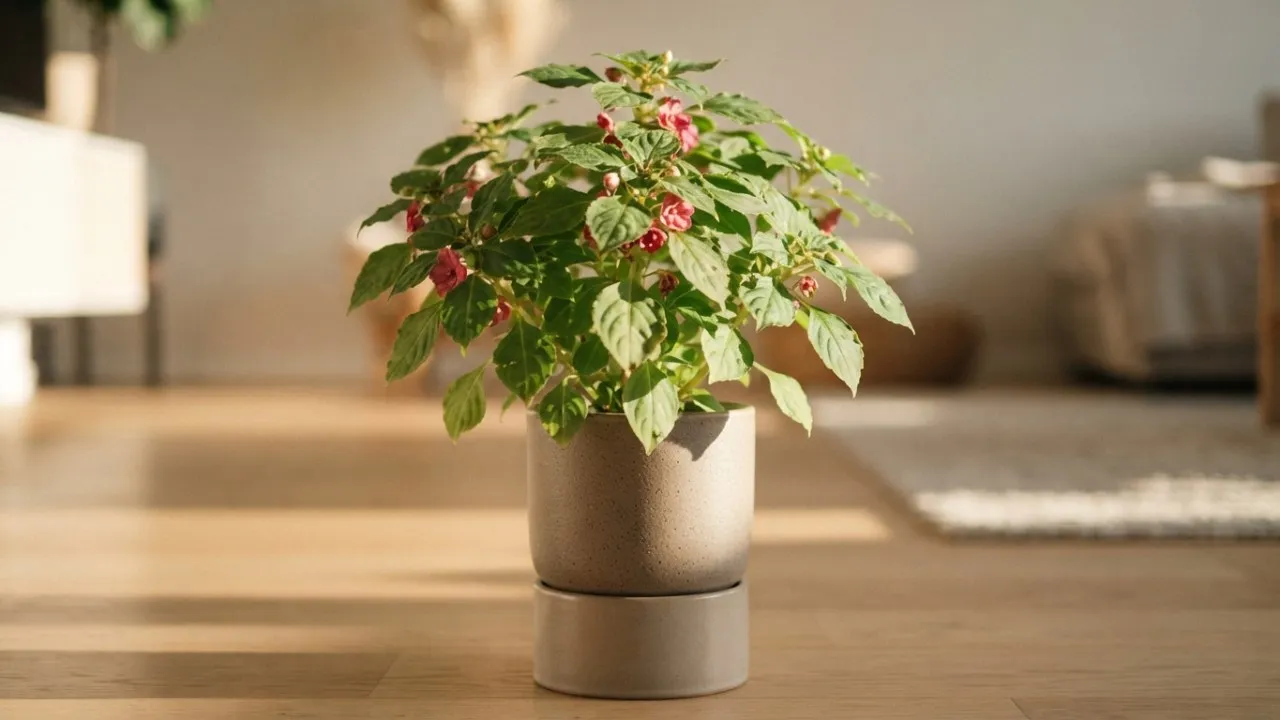 Every 2 days


Busy Lizzie
Impatiens walleriana

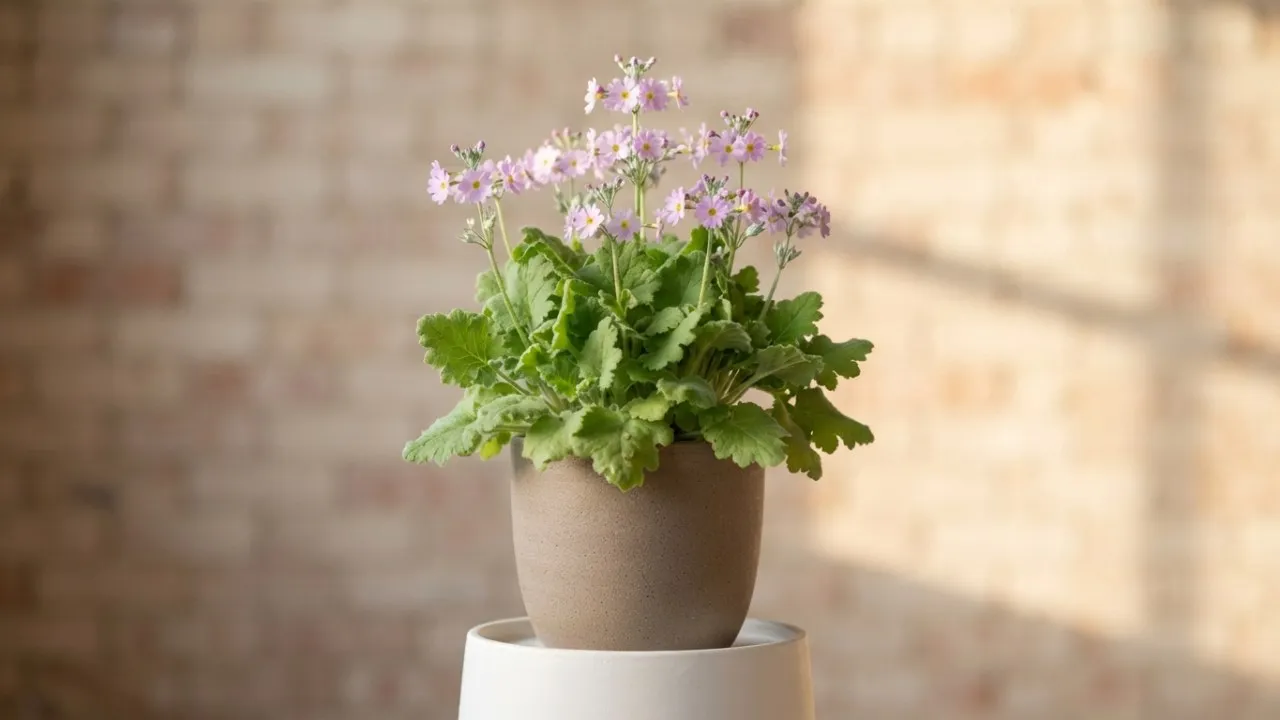 Every 3 days
Fairy Primrose
Primula malacoides
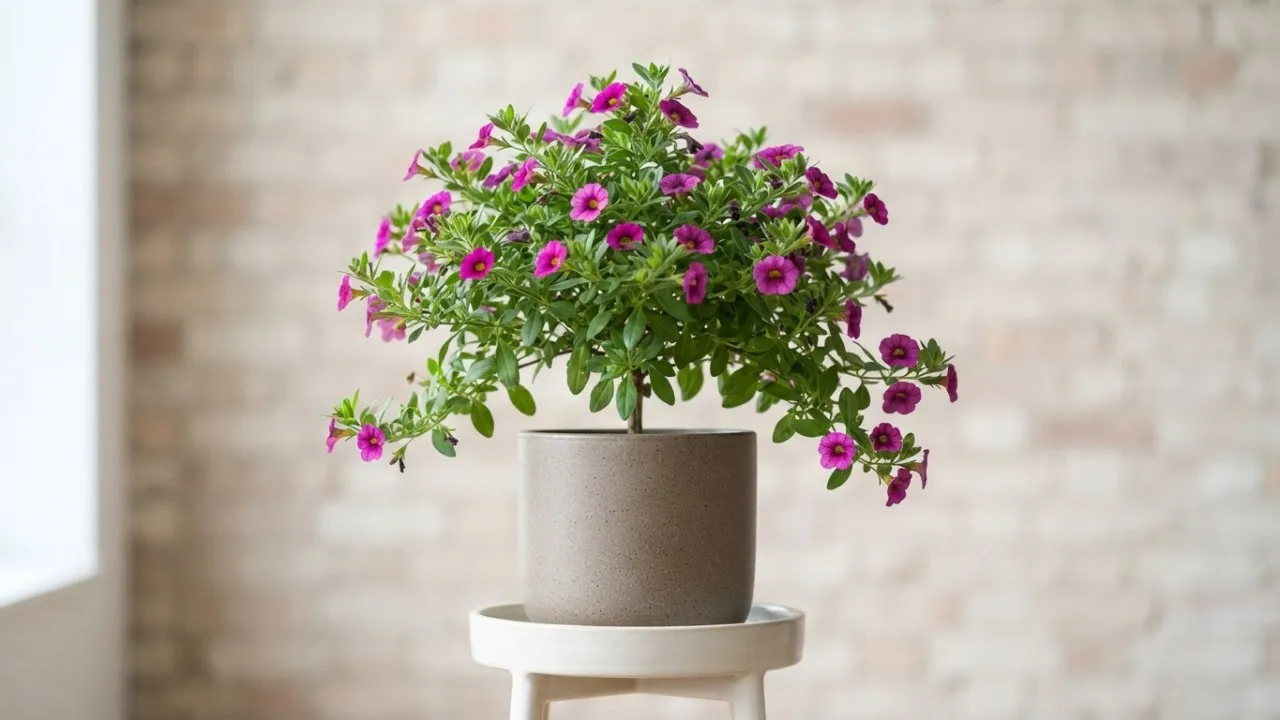 Every 2 days
Million Bells
Calibrachoa hybrida
 Every 3 days
New Guinea Impatiens
Impatiens hawkeri
